Most people can close their eyes and hear them instantly. A mechanical rasp from deep within a helmet. A buzzing hum cutting through silence. A scream that seems to come from nowhere and everywhere at once. These are not melodies or dialogue. They’re sound effects, and some of them have become more deeply lodged in cultural memory than the specific scenes that originally featured them.
That’s a strange and interesting thing to sit with. A visual medium like cinema depends on images, and yet certain sounds have somehow escaped their original context and taken on a life completely their own. Some crossed into video games, merchandise, ringtones, memes, and internet culture. Others became the invisible backbone of entire franchises. Here are the sound effects that earned something rare: a life beyond the screen.
The Wilhelm Scream: Hollywood’s Most Durable Inside Joke
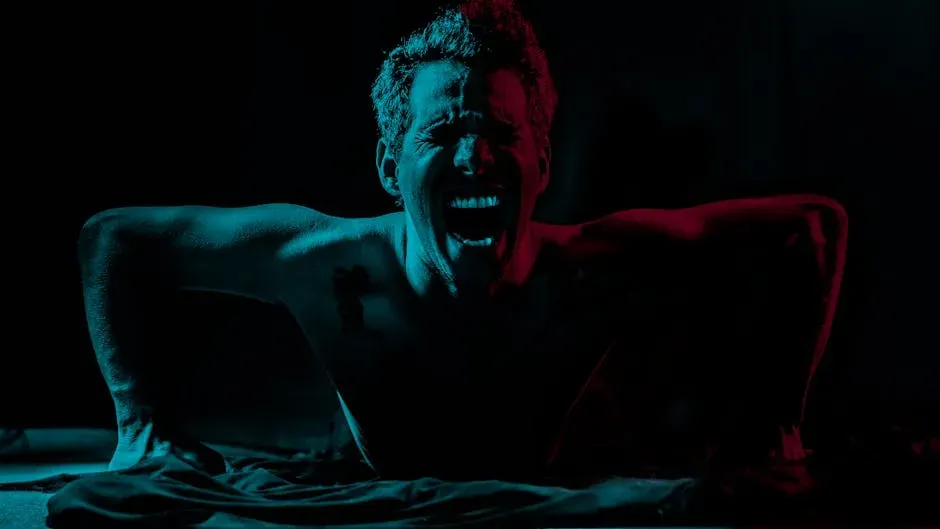
The Wilhelm scream is an iconic stock sound effect that originated in the 1951 film Distant Drums, where the scream was allegedly voiced by actor Sheb Wooley. The recording was relatively unremarkable at first, just one of many stock sounds floating around a studio library. Because the costs of creating sound effects were high at the time, the scream was reused in a number of other Warner Bros. films in that era, including Springfield Rifle in 1952 and The Charge at Feather River in 1953.
The Wilhelm scream became iconic in popular culture when motion picture sound designer Ben Burtt, who had come across the original recording on a studio archive sound reel, incorporated it into the scene in Star Wars in 1977 in which Luke Skywalker shoots a Stormtrooper off a ledge. From that point, it spread like an inside joke through the industry. Throughout the 1980s and 1990s, the Wilhelm Scream became a sign of camaraderie between sound designers, a call-out for peers who knew what to listen for. Burtt described the use of the sound effect as a “rite of passage for every sound editor.” The National Science and Media Museum confirmed that the Wilhelm scream has been used in more than 400 films.
The Lightsaber Hum: Born From a Projector Motor and a TV Set
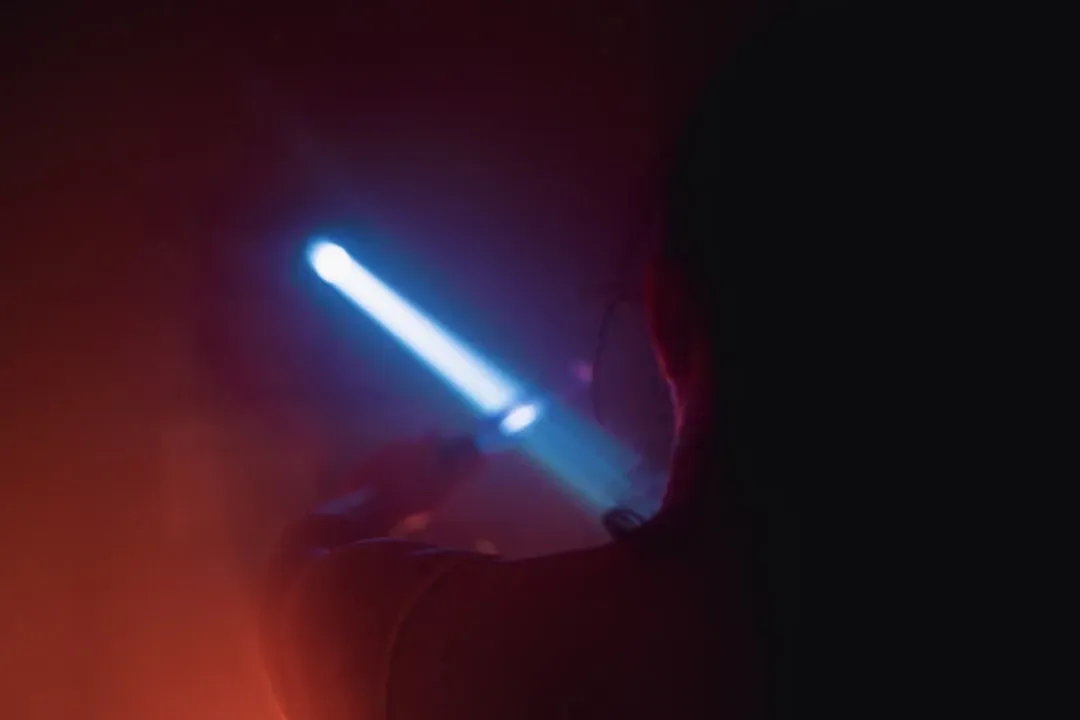
The lightsaber hum is integral to the Star Wars universe. It was the first thing sound designer Ben Burtt made for the films. Still a student projectionist at USC, Burtt was inspired by the wavering pitch of two Simplex projector motors harmonising with each other and recorded it. Paired with the transmission whir of a TV set, the basic lightsaber tone was established. What’s striking about that origin is how accidental it sounds. No high-tech studio equipment was involved.
By playing back the composite hum on loudspeakers and passing an active microphone in front of the speaker cone, Burtt was able to get the Doppler effect that defines the zipping lightsaber sound. The result was something that had never existed before and has never been successfully imitated since. As Star Wars continued to grow into the gigantic franchise it has become today, spanning from movies to animation to video games, the lightsaber noise has always stayed true to its roots, with studios only tweaking the sound slightly.
Darth Vader’s Breathing: A Scuba Regulator That Defined a Villain
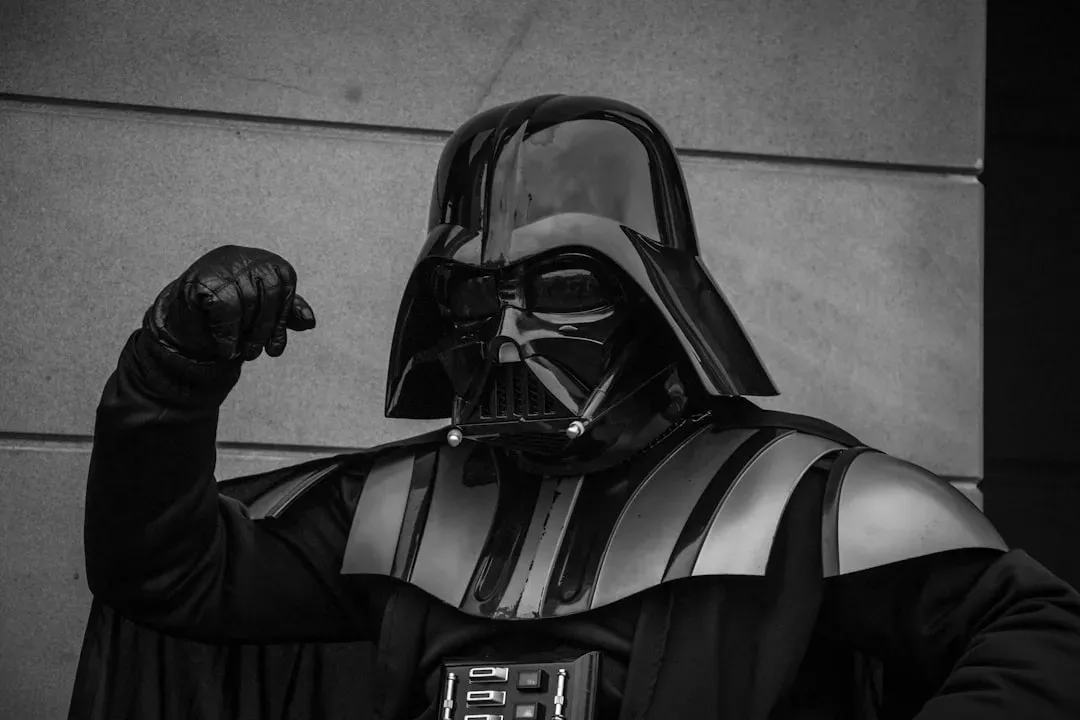
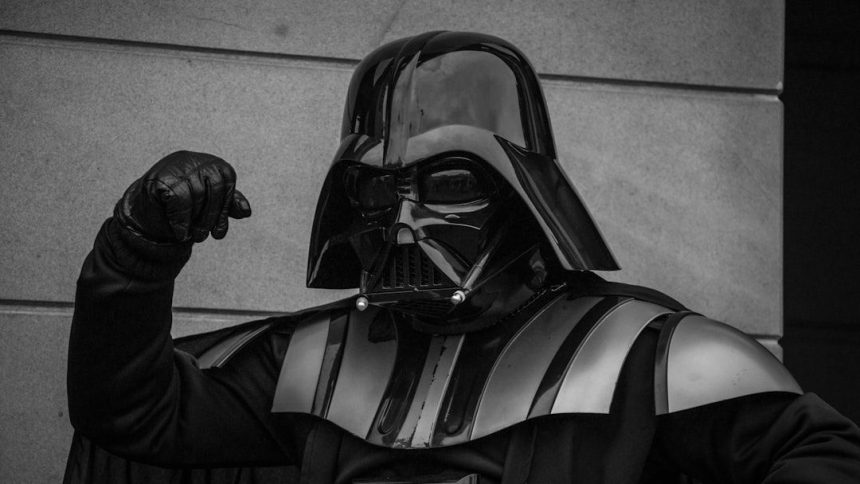
Vader’s breathing was created by Ben Burtt himself, who breathed through a scuba regulator. He processed this sound to add depth and resonance, giving it a chilling and inhuman quality that complemented James Earl Jones’ voice perfectly. The simplicity of the technique is almost absurd given the effect it produces. You can sometimes hear Darth Vader before you can see him. The sound of the Sith Lord’s breathing adds to the intimidation factor. It emphasizes the fact that he’s more machine than man and makes him more ominous.
What truly makes Vader so terrifying is the distinct sound effect of his breathing, which marks him out as something human and machine, a fearsome amalgamation. As soon as the viewer hears that menacing rasp, it’s impossible not to feel the thrill of fear and anticipation, waiting for one of cinema’s greatest villains to finally appear. In a Rotten Tomatoes fan poll, Darth Vader’s breathing was voted the single most iconic movie sound of all time, beating out even the lightsaber in the final round.
The Jurassic Park T-Rex Roar: Built From Animals Nobody Expected
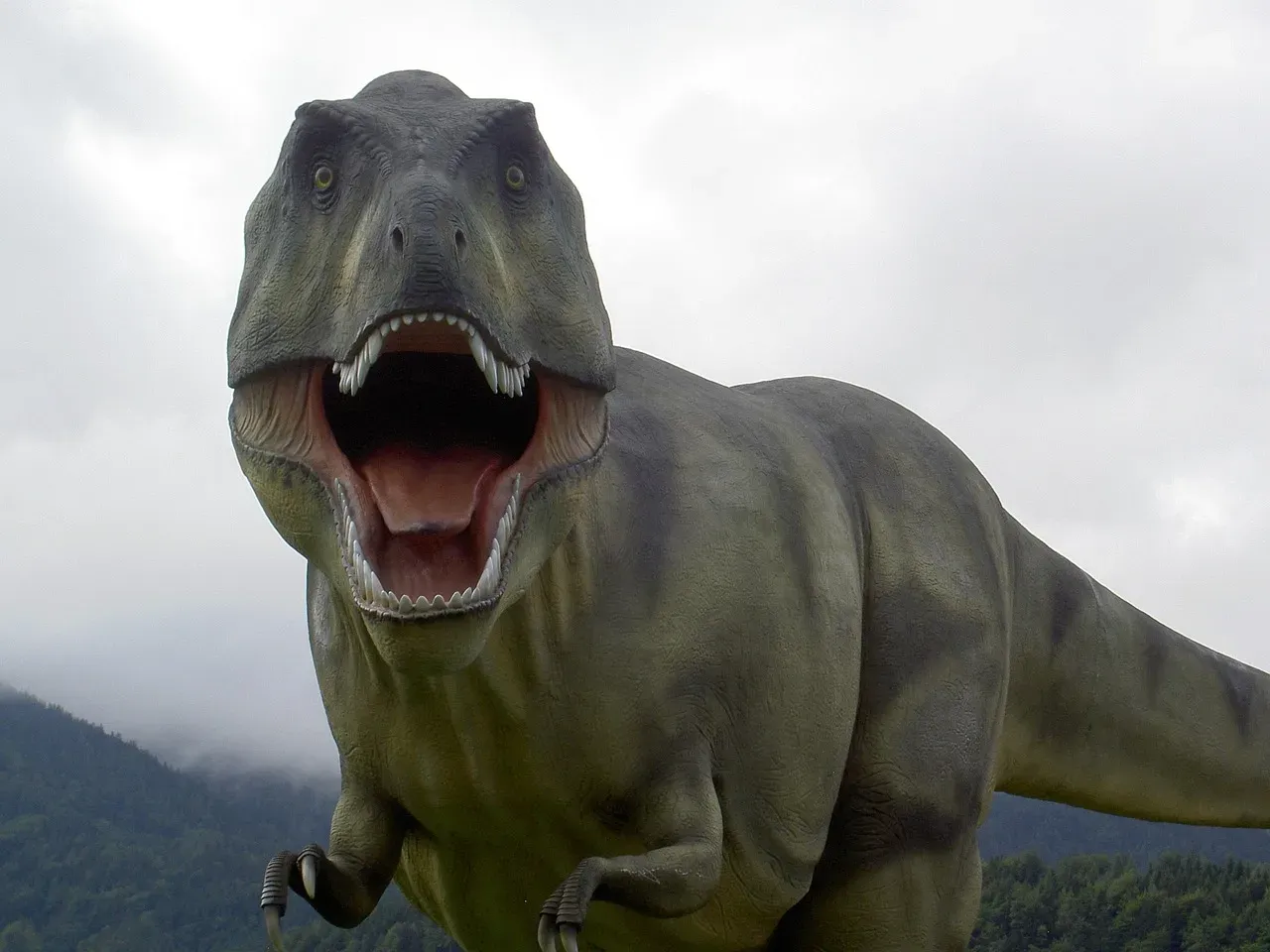
Sound designer Gary Rydstrom had to create dozens of distinct dinosaur noises essentially from scratch, since no one really knows what these long-dead animals would have sounded like. His solution was to spend months recording animal noises, some exotic, some not, then tweaking those homegrown sounds to create something otherworldly but still organic. The task was enormous. Nobody could simply look up what a T-Rex sounded like.
The T-Rex roar was made using the high-pitched scream of a baby elephant, the growl of a lion, the bellowing of a crocodile and an alligator, and the sound of a whale blowhole for its breathing. Rydstrom recalls that the high-pitched baby elephant scream used in the mix was actually a sound that was rarely heard by the animal’s handlers. “We never heard it do that before; that’s a weird sound,” they said during the recording session. In 1994, Rydstrom won two Academy Awards for sound editing on Jurassic Park, and has gone on to win five more for other films.
The Velociraptor Communication Sound: A Secret Too Strange to Make Up
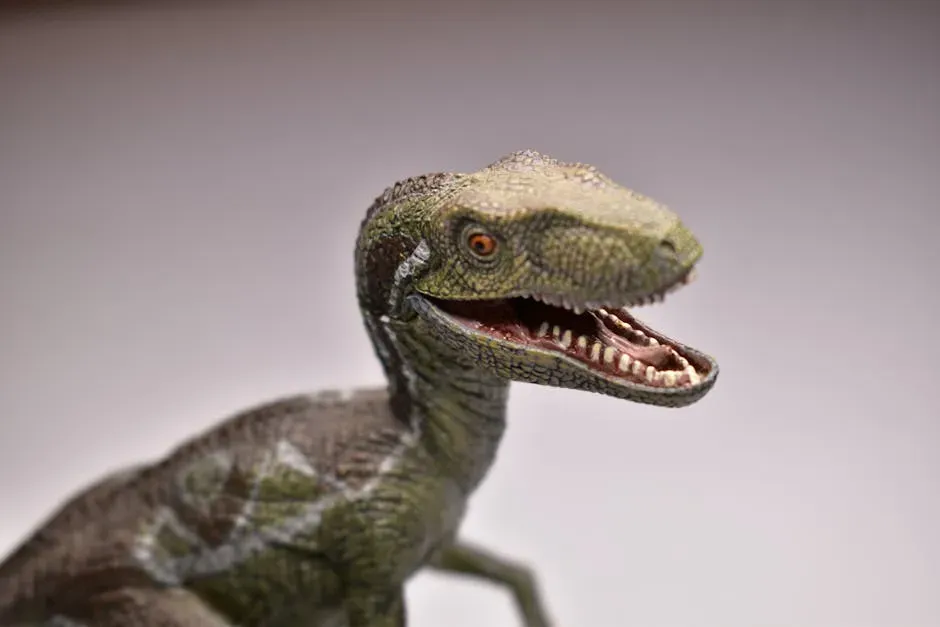
When it came to the sound of the velociraptors, Rydstrom really embraced the call of the wild. The sound the velociraptors used to communicate in Jurassic Park was actually the sound of tortoises mating, falling somewhere between a bark, a honk, and a sneeze, clearly heard during the film’s iconic kitchen scene. It’s exactly the kind of detail that gets funnier the more you think about it.
The raptor noises feel biologically credible. They don’t sound like a synth effect or some sci-fi roar. They sound like something that could have evolved. That sense of authenticity is what makes them genuinely frightening rather than theatrical. Rydstrom and his team consistently pushed sound design into uncharted territory, treating the animal kingdom like a library of untapped instruments. What could have been cheesy monster noises became a believable sound ecosystem that continues to influence creature design decades later.
The Tarzan Yell: An 80-Year-Old Stock Sound That Refuses to Retire
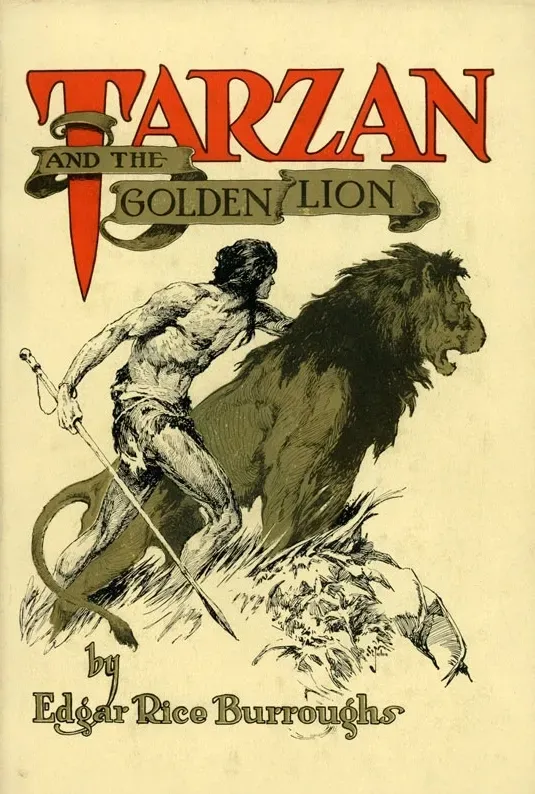
Much like the Wilhelm scream, the Tarzan yell has taken on a life of its own, used in dozens of films and shows over the decades since its introduction. The sound first appeared written in the 1912 novel Tarzan of the Apes, describing it as a victory cry of a bull ape. While a 1929 film attempted to create the sound, the version synonymous with audiences today comes from Johnny Weissmuller, the star of the 1932 film Tarzan the Ape Man.
Used over and over in numerous movies, Johnny Weissmuller’s iconic Tarzan call is now inseparable from the jungle swinger, despite the fact that the sound clip is going on for 80 years old. Very few sound effects have shown that kind of longevity across completely different eras of filmmaking. The yell has become shorthand for wild freedom and physical adventure, recognized by people who have never seen a single Tarzan film.
The THX Deep Note: The Most Iconic Sound Never Used in a Movie
To ensure accurate audio-visual playback of his third Star Wars film, The Return of the Jedi, director George Lucas created the THX certification in 1982. It has since become a quality assurance standard for theatres around the world. What lands THX on this list is the sound that goes along with its logo, a huge swelling glissando called The Deep Note. Technically it appears before films rather than within them, but its cultural footprint is enormous.
Audio Engineer James A. Moorer wrote over 20,000 lines of computer code to generate the effect of 30 different musicians picking a random note and slowly moving toward a target note that forms one giant chord, all while getting louder over time. Having been played to thousands of audience members a day for over 35 years, it is one of the most recognisable film sound effects never technically used in a movie. Generations of moviegoers associate that rising swell with the anticipation of a film beginning, which is its own kind of power.
The Apocalypse Now Helicopter: When Sound Became the Story

The term “sound designer” was first coined in 1979 by Francis Ford Coppola for Walter Murch’s work on Apocalypse Now. He used a synthesizer to create artificial sounds, including the famous ghost helicopter from the opening scene. The helicopter sequences in that film are widely studied in film schools precisely because the sound does as much narrative and emotional work as any image. The helicopters in Apocalypse Now aren’t just any old helicopters. Sound designer Walter Murch synthesised real helicopter recordings to create something entirely unique.
Murch’s work on that film marked a turning point in how the industry thought about sound. Rather than treating audio as a layer added on top of finished visuals, Apocalypse Now treated it as an equal storytelling force. The opening alone, with helicopters bleeding into a ceiling fan and back again, demonstrated that sound could carry time, trauma, and psychology simultaneously. It remains a benchmark that sound designers still reference today.
The King Kong Roar: The Pioneer That Started It All
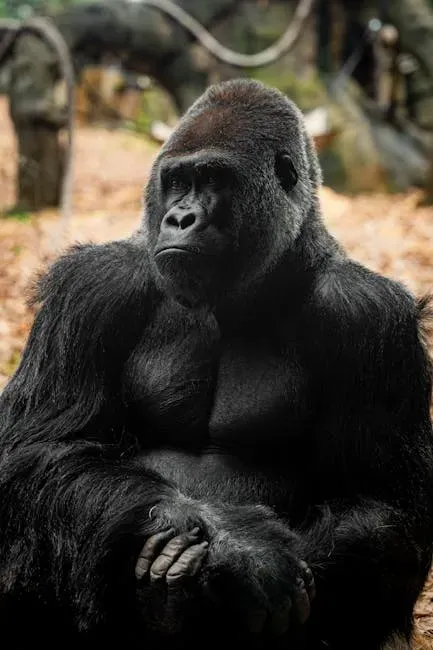
One of the first major breakthroughs in the realm of sound effects and design, the famous sound designer Murray Spivack was responsible for creating some of the first technical achievements in movie sound effects. To create the iconic roar in King Kong, Spivack did some of the first field work in the industry by recording actual zoo animals, which he then doctored by slowing down the audio to create the famous, and at the time terrifying, roar of King Kong.
In past films, the only precedents in monster-like sounds were Godzilla, King Kong and the dinosaurs that shared the screen with the gigantic ape in the 1933 film. Back then, the T-Rex’s roars in King Kong were made by mixing cougar screams and the sounds of compressed air. That approach, combining real animal sounds with manipulation, laid the groundwork for every creature sound that followed, from Jurassic Park to modern blockbusters. Spivack’s methods were primitive by today’s standards, but the thinking behind them was genuinely ahead of its time.
The Star Wars TIE Fighter Scream: An Elephant and a Car on Wet Tarmac
One of the things that sets Star Wars apart is the sophistication of its sound design. No one who has heard the TIE Fighter’s sinister sound is likely to forget it. There is something innately menacing about the way that these ships sound, which can sound more like a howl than what one would expect to come from such a streamlined craft. Ben Burtt famously combined animal roars, jet engine recordings, and more to create the symphony of flight that brings Star Wars space battles to life. He used a range of jet engines, trains, and machinery, manipulating them as the basis for many of the film’s vehicles.
Responsible for several, if not dozens, of the most famous sound effects in movie history, George Lucas’ original Star Wars films not only launched media franchises, but also audio revelations. From the buzzing hum of lightsabers, to the Wookiee call, to the terrifying ripping of space from TIE fighters, so many iconic noises came from this original blockbuster. The TIE Fighter’s shriek in particular feels like something genuinely threatening, a sound that signals danger before you even process what you’re seeing. Burtt’s ability to make fictional machines feel physically real through audio remains one of cinema’s most impressive creative achievements.