


Reality sometimes feels stranger than fiction. Throughout history, certain events have unfolded in ways that defy logic and probability. These aren’t urban legends or half-truths whispered around campfires. They’re documented, verified moments when the universe seemed to fold in on itself.
From authors who wrote futures they couldn’t have known to twins who lived identical lives apart, these coincidences leave even skeptics scratching their heads. What follows are ten real accounts that make you wonder whether chance alone can explain everything. Let’s dive in.
Two Presidents, One Eerie Pattern

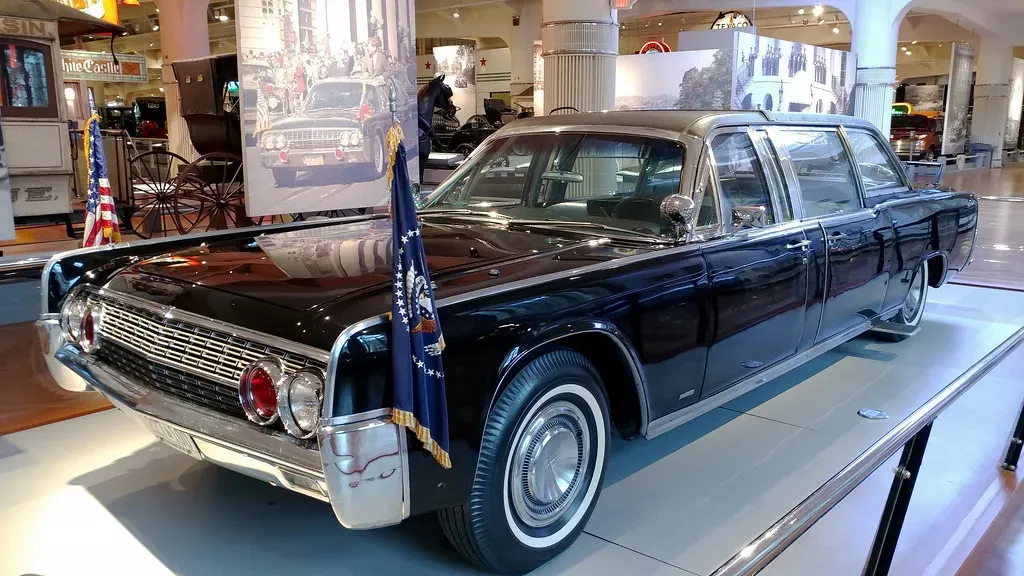
The similarities between Abraham Lincoln and John F. Kennedy have been noted since a 1964 Republican Congressional Committee Newsletter published what Time magazine called a “compendium of curious coincidences.” Both presidents were elected to Congress in 1846 and 1946 respectively, then elected to the presidency in 1860 and 1960. Both were shot on a Friday, and both were succeeded by vice presidents named Johnson. Andrew Johnson was born in 1808, while Lyndon Johnson was born in 1908.
A Novel That Predicted Disaster

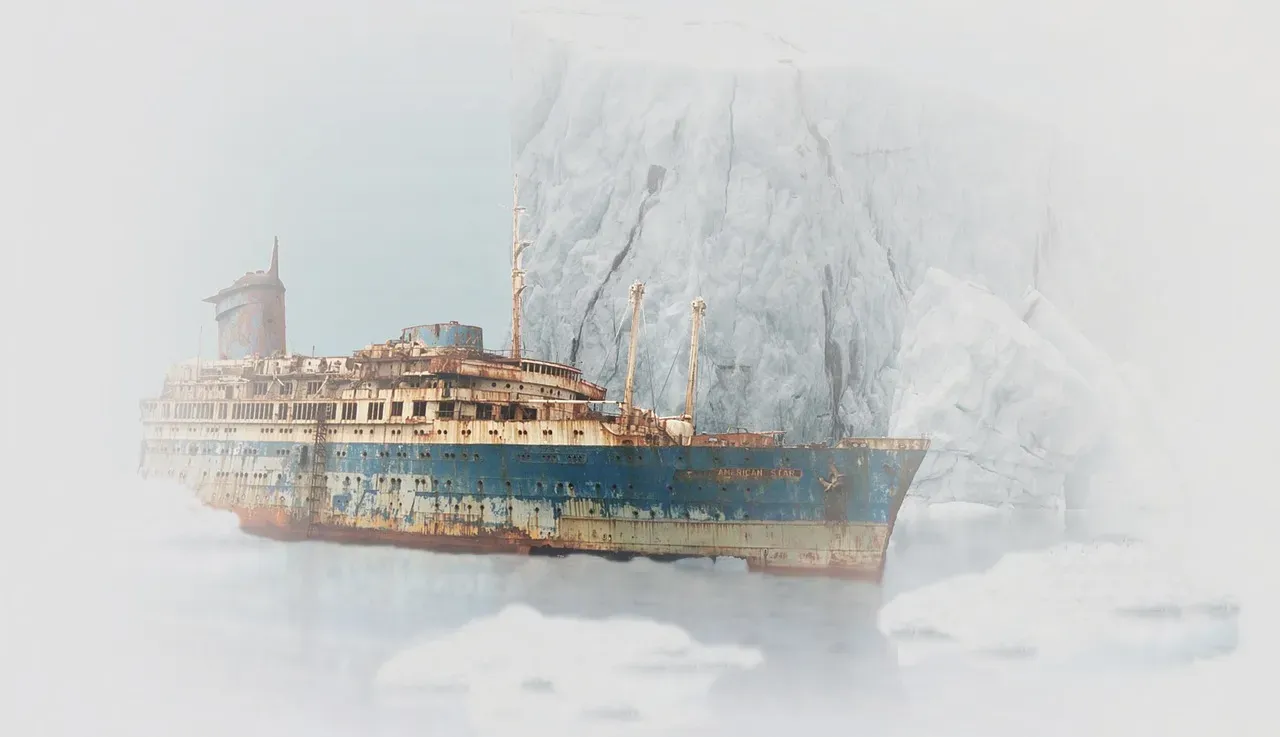
Morgan Robertson is known for his short novel Futility, first published in 1898. The story features an enormous British passenger liner named the Titan, deemed unsinkable, which hits an iceberg in April and sinks in the North Atlantic Ocean. The book was published 14 years before the actual Titanic hit an iceberg on April 14, 1912, and sank in the North Atlantic, killing most people on board. According to Royal Museums Greenwich, Robertson had spent a decade at sea before writing, which likely informed his maritime knowledge, yet the parallels remain unsettling.
Twins Who Lived the Same Life Apart


Thomas J. Bouchard Jr. and colleagues at the University of Minnesota studied identical twins separated since birth and raised by different families. James Lewis and James Springer were separated at 4 weeks and reunited at age 39, revealing that both had married and divorced women named Linda, then married women named Betty. Nancy Segal, who worked on the Minnesota Twin Family Study, noted they were surprised by behaviors showing genetic influence, including religiosity and social attitudes. The study examined over one hundred pairs of twins across two decades.
Mark Twain’s Cosmic Connection

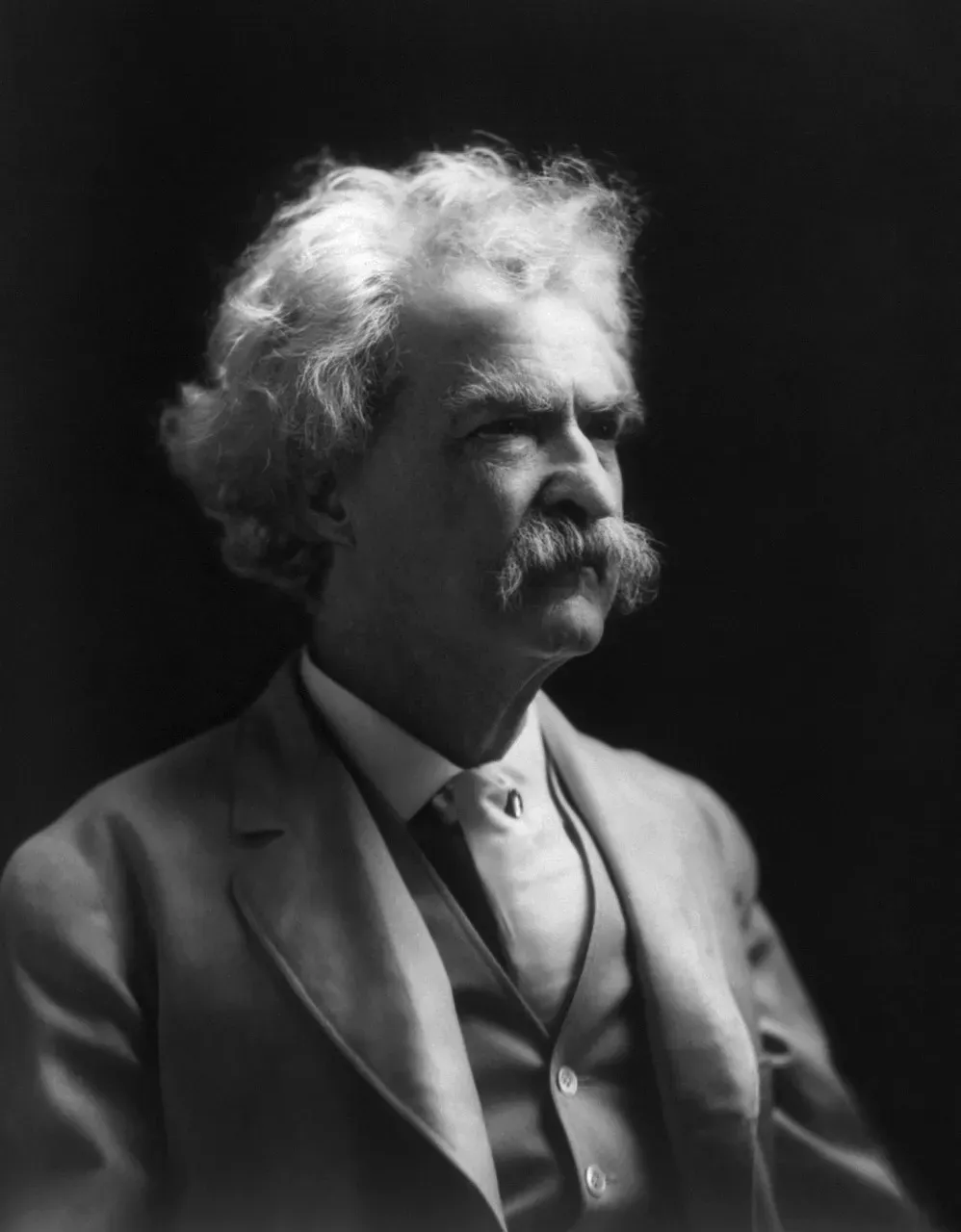
Mark Twain was born two weeks after Halley’s Comet’s closest approach in 1835, and in 1909 he said he expected to go out with it when it returned. He stated: “I came in with Halley’s Comet in 1835; it’s coming again next year, and I expect to go out with it.” His prediction was eerily accurate; he died of a heart attack on April 21, 1910, one day after the comet was at its closest to the Sun. This astronomical alignment bookended the life of one of America’s greatest writers in a way that seemed scripted by fate itself.
Partner offer

Edgar Allan Poe’s Chilling Premonition


Edgar Allan Poe’s 1838 novel The Narrative of Arthur Gordon Pym relates the tale of a whaler experiencing shipwreck, mutiny, and cannibalism. In the novel, four men stranded in a lifeboat draw straws to determine who must die, and the man who first argued for cannibalism draws the short straw; his name was Richard Parker. In 1884, the yacht Mignonette sank with four men cast adrift who decided one should be sacrificed as food, and the young cabin boy killed was named Richard Parker. The coincidence went largely unnoticed for decades until documented by researchers.
Brothers From Different Families


The Jim twins, born together and separated at four weeks old, didn’t find each other until age 39 in 1979. Their similarities included nail-biting habits, unusual headache syndrome, favorite vacation spots, love of woodworking, and a penchant for showering wives with love letters. They were both in law enforcement, leading psychologist Thomas J. Bouchard Jr. to tell The New York Times he wouldn’t have believed it if someone else had brought him this material. Their case became one of the most famous examples in the Minnesota Study of Twins Reared Apart.
The Mathematics Behind Impossible Odds


The Minnesota Center for Twin and Family Research found that identical twins reared apart seem to have about an equal chance of being similar in personality, interests, and attitudes as twins reared together, leading researchers to believe similarities are due to genes, not environment. Minnesota researchers found that roughly 70 percent of IQ variation across twin populations was due to genetic differences, with 30 percent from environmental differences. These findings help explain why separated twins share so many traits, though they don’t fully account for the uncanny specificity of some similarities.
When Fiction Becomes Blueprint


Robertson’s maritime experience likely gave him insight into ship design and dangers, as he was born in 1861 and spent a decade at sea. Paul Heyer, a Titanic scholar at Wilfrid Laurier University, explains most similarities can be understood through Robertson’s biography as someone who wrote about maritime affairs and saw ships getting very large. His imagined ship was nearly a mirror image of the Titanic, with both vessels being marvels of engineering meant to set new standards. The line between foresight and coincidence blurs when expertise meets imagination.
The Nature of Chance Itself

The Minnesota Center concluded that identical twins reared away from co-twins have similar chances of resemblance as those reared together, suggesting similarities come from genes while environment makes twins different. On multiple measures of personality, temperament, occupational interests, and social attitudes, monozygotic twins reared apart are about as similar as those reared together. These patterns reveal something profound about human development. The universe doesn’t always need mystical explanations when biology already writes astonishing stories. Still, when you look at these cases together, it’s hard not to feel a shiver run down your spine.
Partner offer
Planning a trip to Vegas?
Compare hotel rates and show tickets on VEGAS.com.

