A Wrong Turn and a Sandwich That Sparked World War I

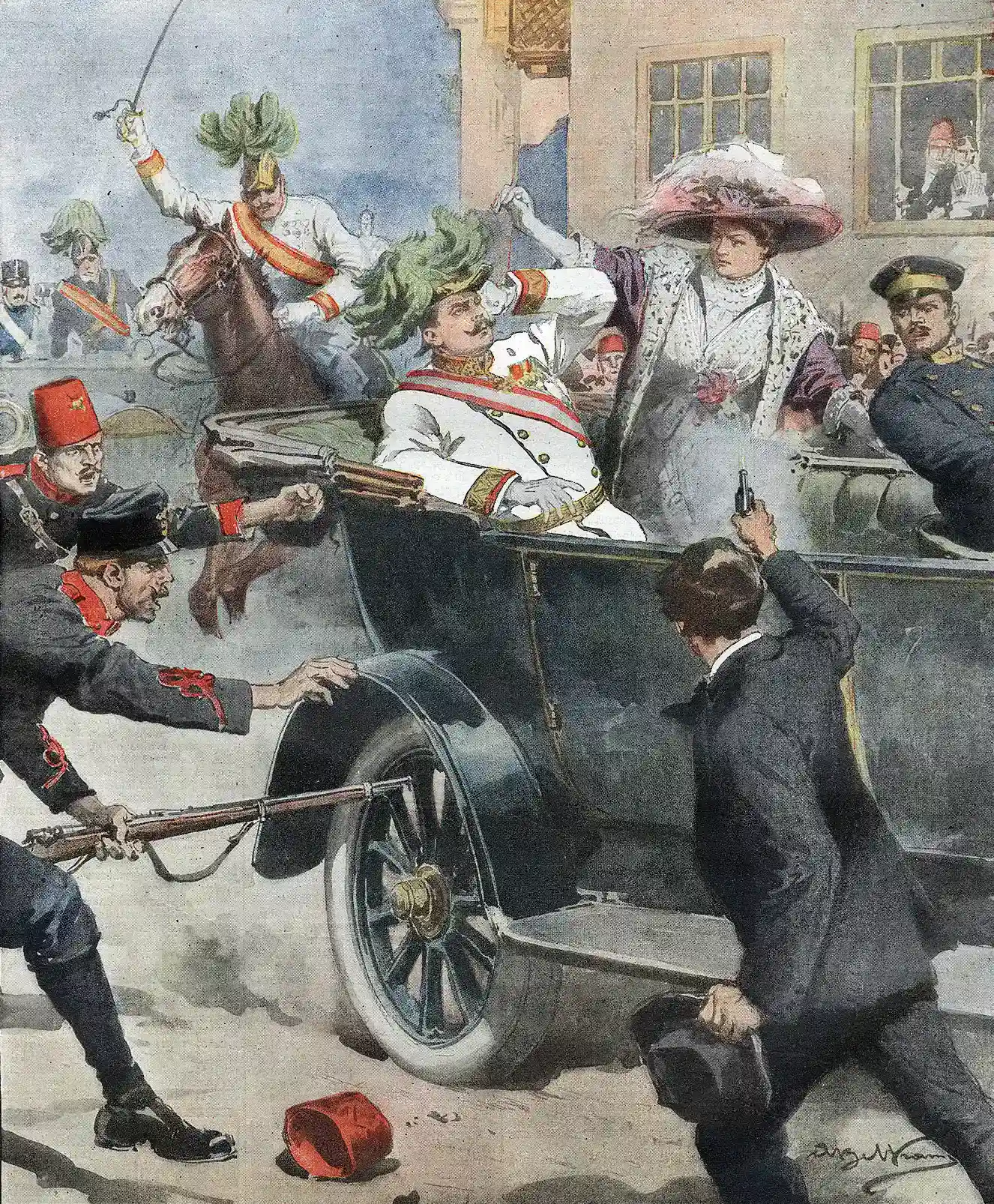
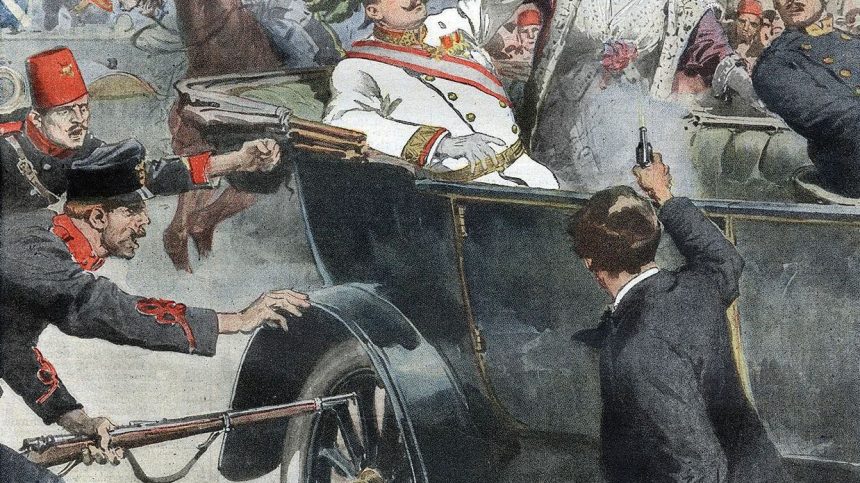
When Archduke Franz Ferdinand’s driver took a wrong turn in Sarajevo in June 1914, stopping directly in front of the café where assassin Gavrilo Princip was eating a sandwich after his failed earlier assassination attempt, history took its most unlikely and deadly turn. The stalled car gave Princip a second chance he never expected, and his gunfire , blurring the line between farcical happenstance and grim reality as it triggered World War I. Here’s the thing, if that driver hadn’t gotten confused about the route or if Princip had chosen a different café for lunch, millions of lives might have been spared.
The assassination itself set off a chain reaction across Europe. This single event led to World War I, which caused the collapse of empires like the Ottoman Empire and shaped modern nations. It’s hard to say for sure, but many historians believe this bizarre coincidence was truly the spark that lit the powder keg of twentieth-century conflict.
Moldy Petri Dishes and the Miracle of Penicillin

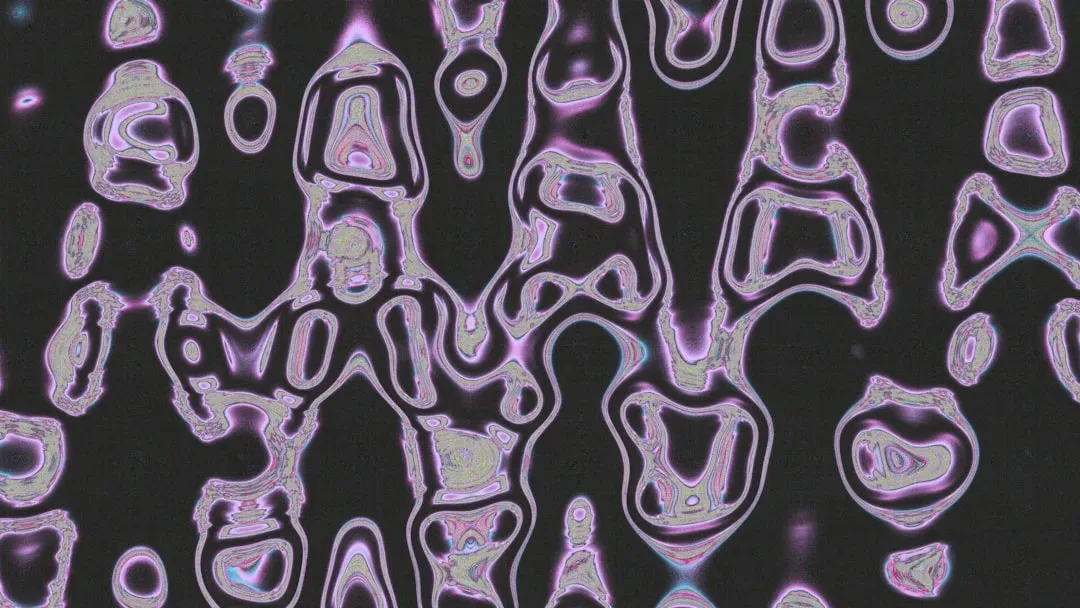
In the summer of 1928, Scottish physician Alexander Fleming was in such a rush to go on vacation that he accidentally left a stack of dirty Petri dishes in his laboratory sink. When Fleming returned from vacation, a moldy fungus had invaded one of his petri dishes, and instead of just tossing it, he took a closer look and spotted something interesting: the bacteria around the mold weren’t growing. That simple observation transformed medicine forever.
Penicillin saved millions of lives and changed modern medicine forever, becoming a turning point in the fight against infections. Fleming himself admitted he never planned to revolutionize medicine. Sometimes the most important breakthroughs happen when we’re not even looking for them, and this accidental discovery became one of the greatest gifts to humanity.
The Battle of Los Angeles That Never Was

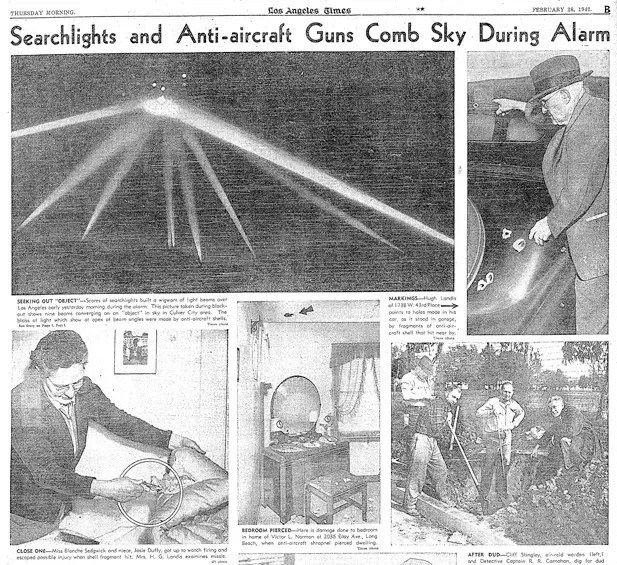
It was February 25, 1942, and wartime tensions were understandably high for Americans after Pearl Harbor, but things took a turn for the worse when an air raid alert sounded off around 2:00 a.m. after the U.S. military’s radar systems detected an unidentified object about 120 miles west of Los Angeles, and for the next couple of hours, an armada of heavy weaponry and armed personnel stormed LA, launching over 1,400 anti-aircraft shells into the sky. The problem? There was no actual enemy attack.
Partner offer

What became known as the Battle of Los Angeles remains one of the strangest military incidents in American history. Despite all those shells fired into the night sky, no enemy aircraft was ever confirmed. The incident was likely caused by a combination of wartime anxiety, misidentified weather balloons, and mass hysteria, yet it profoundly shaped how Americans viewed threats during wartime and influenced military preparedness protocols for years to come.
Snails That Saved Taiwan


Between 30,000 and 50,000 Communist soldiers spent weeks training in canals in southern China to prepare for invading Taiwan, but unbeknownst to them, these canals were infested with snails carrying a virus that caused fever, coughing, muscle aches, and bloody urine, putting the Communist invasion force out of commission overnight. By the time medication arrived, the Taiwanese Strait was being guarded by American warships, and thus snails – and random chance – shaped the geopolitical climate in which we live today.
This bizarre turn of events had lasting consequences for global politics. Taiwan remained independent, the Cold War dynamics in Asia shifted dramatically, and all because of microscopic parasites carried by snails in training canals. Let’s be real, you can’t make this stuff up.
The Dancing Plague of 1518

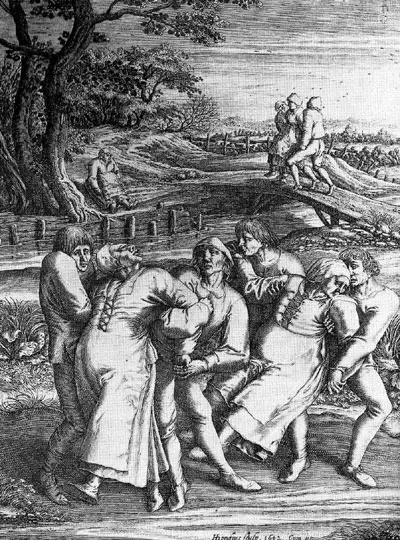
In July 1518, the residents of Strasbourg were gripped by an inexplicable and deadly phenomenon when a woman named Frau Troffea started dancing fervently in the streets, and within a week, dozens more joined her, unable to stop their compulsive movement, with this bizarre epidemic continuing for over a month as many dancers collapsed from exhaustion or died from heart attacks and strokes. The authorities, believing the afflicted needed to dance it out of their systems, even built stages and hired musicians.
Scholars have suggested various causes, from ergot poisoning (a hallucinogenic mold) to mass hysteria brought on by stress and famine, but whatever the cause, the event underscores the complexity of human psychology and the potential for collective behavior to manifest in extraordinary ways, standing as a haunting reminder of the thin line between normalcy and chaos in human society. This strange epidemic changed how medical professionals approached psychological phenomena and collective behavior disorders.
Partner offer
Planning a trip to Vegas?
Compare hotel rates and show tickets on VEGAS.com.