Some commercials do more than sell a product. They lodge themselves so deeply into collective memory that decades later, people can still recite the tagline, hum the jingle, or describe exactly what happened in those 30 or 60 seconds. That kind of staying power is rare, and it doesn’t happen by accident. The commercials covered here weren’t just well-produced ads – they were cultural moments that changed the way people thought about brands, sports heroes, technology, and even politics. Whether it’s the most famous Super Bowl commercials or the best TV commercials, the now-classic, old commercials remain unmatched, and even after multiple viewings, the most memorable ones stick in our minds because they never fail to make an impression.
1. Apple “1984” – The Commercial That Rewrote the Rules

On January 22, 1984, during the third quarter of Super Bowl XVIII, 96 million viewers witnessed the unveiling of a new kind of advertising. What they saw was not a standard product pitch or a humorous skit, but a bold, cinematic statement. Apple’s “1984” commercial, directed by Ridley Scott, introduced the Macintosh computer while delivering a chilling dystopian narrative inspired by George Orwell’s novel. To direct the commercial, Chiat/Day hired British movie director Ridley Scott, who had perfected the cinematic look and feel of dystopian futures in Alien and Blade Runner. The 60-second mini-film was shot in one week at a production cost of about $500,000.
The most famous – and arguably the best – Super Bowl ad in history nearly got killed by the very company for whom it was made. Apple’s board of directors hated the ad. It didn’t show the computer it was ostensibly about, unlike most ads that try to show the product they’re hyping. Apple’s board wasn’t happy. Most ads didn’t seek to remind people of a dark world urging conformity. They hated it so much that they ordered the agency, Chiat/Day, to sell off the time they had already purchased on that year’s Super Bowl, rather than run it. Still, it achieved its goal: the Macintosh launch just days later was a massive success, and Apple sold over 70,000 units in the first 100 days, far exceeding expectations.
2. Coca-Cola “Mean Joe Greene” – When Sports and Emotion Collided

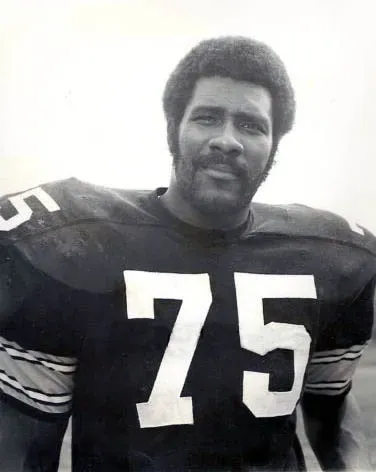
When Coca-Cola aired the “Mean Joe Greene” ad in 1979, it transformed a fearsome NFL icon into one of the most beloved figures in sports and advertising. The ad shows the battered Pittsburgh Steelers defensive star limping off the field before a young fan offers him a Coke and tells him he’s the best ever. After drinking it, Greene softens, smiles and tosses the boy his game jersey, sealing one of the most emotionally resonant moments ever seen in advertising. The commercial debuted on October 1, 1979, and was re-aired multiple times, most notably during Super Bowl XIV in 1980. The 60-second commercial won a Clio Award for being one of the best television commercials of 1979.
On January 20, 1980, it aired on CBS before an estimated 105 million Super Bowl viewers, and its legacy on Madison Avenue was cemented. Created by McCann-Erickson, the spot perfectly captured Coca-Cola’s long-standing brand promise of optimism and human connection. The impact extended far beyond the screen, with Greene later saying the ad changed his life as fans began approaching him with bottles of Coke and asking for autographs. The commercial has won both a Clio and a Cannes Gold Lion. The Drum’s readers have voted it the best Super Bowl ad ever.
3. Wendy’s “Where’s the Beef?” – Three Words That Broke the Internet Before the Internet Existed

In the early days of 1984, a no-nonsense question posed by a little-known 81-year-old Chicago manicurist launched one of the most iconic commercials in history. “Where’s the Beef?” became more than a fast-food catchphrase; it was a call for substance over fluff, a fast-food diss that transformed Wendy’s into a household name and firmly rooted the slogan in American pop culture. Wendy’s enlisted the advertising agency Dancer Fitzgerald Sample to highlight the size of its patties compared to competitors’ bun-heavy sandwiches. During casting, Peller, a retired manicurist with no prior acting experience, was discovered by chance.
The commercial first aired on January 10, 1984, with Peller’s now-iconic delivery, and the campaign was an instant hit, boosting Wendy’s sales by 31% that year. Before Peller’s famous question entered the nation’s consciousness, only 37 percent of American consumers were familiar with Wendy’s advertising. After the debut of “Where’s the Beef?” the figure jumped to 60 percent. The phrase even entered the political arena. During the 1984 Democratic primary, former Vice President Walter Mondale famously used “Where’s the Beef?” to challenge opponent Gary Hart’s lack of policy substance, and Mondale’s sharp critique became a turning point in political messaging. Ad Age named “Where’s the Beef?” one of the top ten slogans of the 20th century.
4. Budweiser “Whassup?” – A Catchphrase That Owned an Era
Adding to Budweiser’s string of memorable commercials, this ad won over viewers with its beloved catchphrase. In it, a group of young men say to each other “Whassup!” at increasing volumes, much to their own delight and amusement. Despite not saying much about the beer itself, the catchy ad has often been called the best beer commercial of all time. The campaign, which first aired in 1999, was built around a simple, absurd concept with almost no real product demonstration – a bold creative gamble that paid off in a massive way. The phrase rapidly crossed over from television into everyday conversation, workplaces, schoolyards, and eventually became one of the defining cultural artifacts of the early 2000s.
Budweiser’s “Wassup?” from 1999 stands alongside Coca-Cola’s “Mean Joe Greene” and Apple’s “1984” as one of the most frequently cited greatest Super Bowl commercials of all time due to its historical significance and impact on both advertising and culture. From the heartfelt “Mean Joe Greene” Coca-Cola commercial to the whimsical Budweiser frogs croaking their famous catchphrase, these commercials have become cultural touchstones – mini masterpieces that have ingrained themselves in popular culture and serve as a testament to the enduring influence of advertising in our lives. The “Whassup?” ad became so iconic that it has been parodied and referenced endlessly, even resurfacing as a political commentary piece during the 2008 U.S. presidential election.
5. Volkswagen “The Force” – The Super Bowl Ad That Went Viral Before It Aired


The most-watched TV ad is the Volkswagen “The Force” ad, which aired during the 2011 Super Bowl. It quickly became viral video marketing amassing over 17 million views in just a few days before the game even aired. When the Super Bowl kicked off, it became one of the most-watched and shared commercials in history. The creators struggled to get John Williams’ iconic theme song rights, went through hundreds of child actors, and then did something that had never been done before – they “leaked” the commercial before the Super Bowl, forever changing advertising in the days leading up to the big game. The content was impressive, the child actor perfect, and the emotional connection palpable.
The ad features a small child dressed in a Darth Vader costume attempting to use “The Force” on various objects around the house, only to be amazed when the family car seemingly starts on its own – courtesy of his father using the remote start. More than 40 years after Apple’s “1984,” big-name directors routinely trade Hollywood for the Super Bowl. Many halftime commercials are now mini movies in themselves, with A-list actors, storylines, and even teaser trailers released ahead of time. The Volkswagen “Force” ad became a textbook case for this new pre-game advertising era, proving that a Super Bowl ad could be more than just a promotional message – it could be a cultural event that people would remember for years to come, inspiring other brands to invest in creativity and storytelling in their Super Bowl spots, not just product offerings.