You probably remember singing them in a circle, bouncing on someone’s knee, or chanting them in a schoolyard without a second thought. Nursery rhymes are woven so deeply into childhood that they feel almost as natural as breathing. Sweet, harmless, cheerful – that’s what we assume.
Here’s the thing though: many of those innocent little songs are hiding some genuinely dark, surprising, and at times, jaw-dropping secrets. Beneath their cheerful rhythms and playful rhymes lie grim tales of death, disease, violence, and religious strife. Wrapped in innocence, they carry echoes of a far darker past. Let’s dive in.
Ring Around the Rosie: Plague Story or Just a Dance?
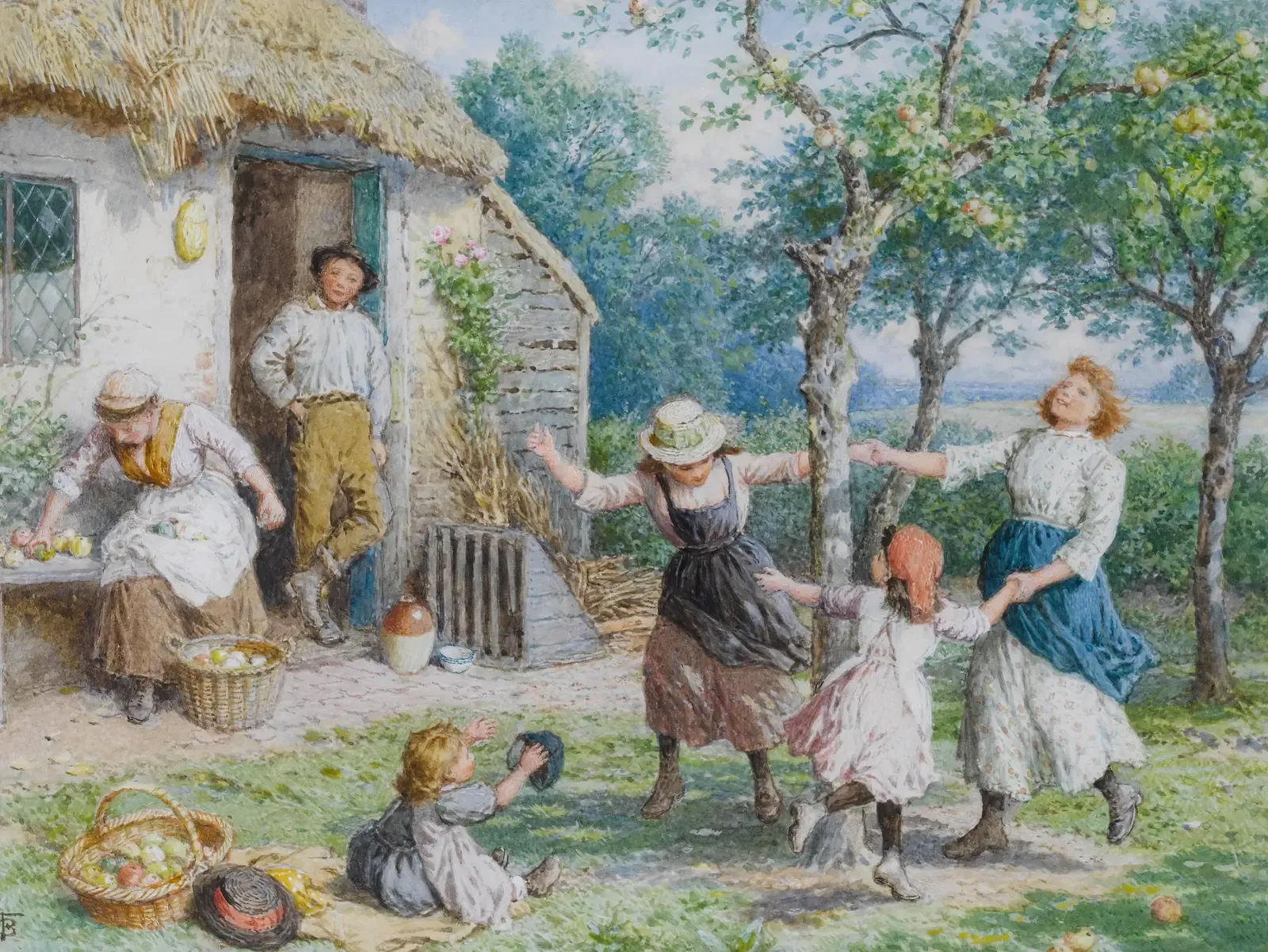
Honestly, this is the nursery rhyme that started the whole conversation. Most people grew up being told it was about the Black Death – the bubonic plague that devastated Europe. In the mid-20th century, it was suggested that the song reflects the Great Plague or earlier outbreaks of bubonic plague in England, with the plague’s rash, protective posies of herbs, symptoms of sneezing, and finally falling down dead.
Sounds convincing, right? Here’s the twist. The Library of Congress notes that the first mention of “Ring Around the Rosie” and the plague comes in the middle of the 20th century, 700 years after the bubonic plague. That gap alone should raise eyebrows. The symptoms do not align closely with the song; the explanation emerged centuries after the plague; and European and 19th-century versions of the song do not match the interpretation either.
So what is it really about? Ring Around the Rosie is historically connected not to the Black Death, but to playful dance practices in 19th-century America and England during a time when dancing was socially discouraged. The rhyme was part of “play parties” where children would sing and move in circles, simulating courtship and crushes, often featuring a child in the middle as a “rosie” or rosebush, symbolizing love. Far less sinister. But far less fun to tell at parties.
Jack and Jill: A Tumble with Royal Consequences
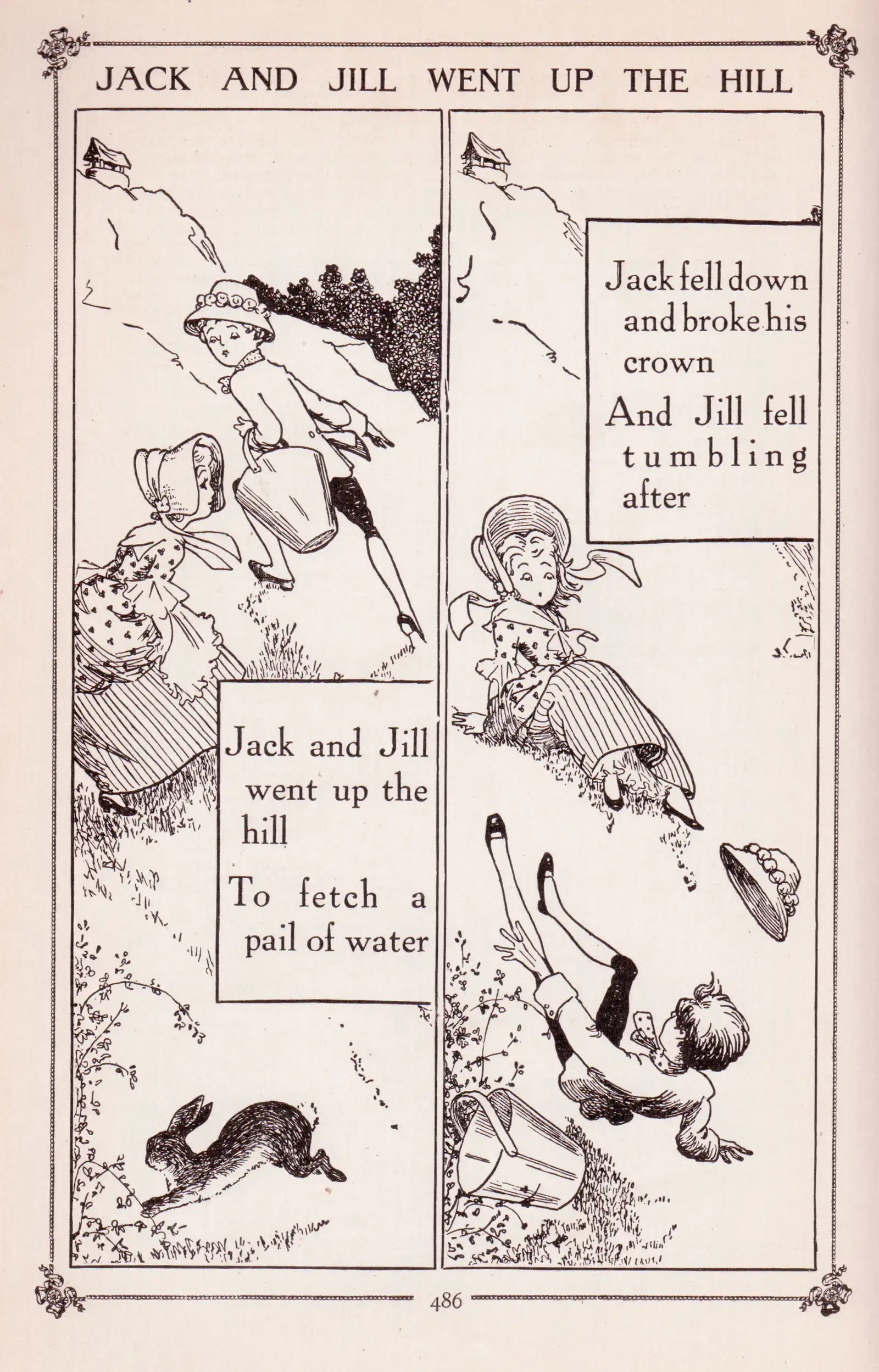
Few nursery rhymes seem as cheerfully meaningless as Jack and Jill. Two kids, a hill, a pail of water. Simple enough. There is much speculation in regards to its real origin and meaning behind the poem. Many plausible origins aren’t particularly child-friendly.
One of the most dramatic theories connects it to the French Revolution. In this theory, Jack represents the king, who “broke his crown” when he was beheaded in 1793. Jill symbolizes the queen, who “came tumbling after” when she faced the same fate later that year. This interpretation turns the nursery rhyme into a dark story about real-life events that changed the course of history.
Still, there’s a problem with that story. Those events occurred nearly 30 years after “Jack and Jill” was first written. A more historically plausible theory involves King Charles I. The more likely possibility is that it’s an account of King Charles I’s attempt to reform the tax on liquid measures. When Parliament rejected his suggestion, he instead made sure that the volume was reduced on half- and quarter-pints, known as jacks and gills, respectively. Less dramatic, more historically coherent.
Humpty Dumpty: The Cannon That Nobody Could Fix

Here’s one that genuinely surprises almost everyone. We picture a round, cheerful egg sitting on a wall. Contrary to the popular image of Humpty Dumpty as a clumsy egg, historical evidence points to a very different origin. During the English Civil War in the 1640s, “Humpty Dumpty” was actually the nickname for a large cannon used by Royalist defenders during the Siege of Colchester. The cannon was placed atop the city wall, but when the wall was damaged by enemy fire, it tumbled down and could not be repaired or replaced – just as the rhyme describes.
From 1996, the website of the Colchester tourist board attributed the origin of the rhyme to a cannon recorded as used from the church of St Mary-at-the-Walls by the Royalist defenders in the siege of 1648. A shot from a Parliamentary cannon succeeded in damaging the wall beneath Humpty Dumpty, which caused the cannon to tumble to the ground. The Royalists attempted to raise Humpty Dumpty on to another part of the wall, but the cannon was so heavy that “All the King’s horses and all the King’s men couldn’t put Humpty together again.”
I think this is one of the most satisfying origins on the list. It just fits. Though it’s worth noting that there’s no decisive evidence that the tale is the origin of the nursery rhyme. Even the most thrilling historical explanations come wrapped in a little uncertainty.
Mary, Mary, Quite Contrary: A Queen’s Deadly Garden
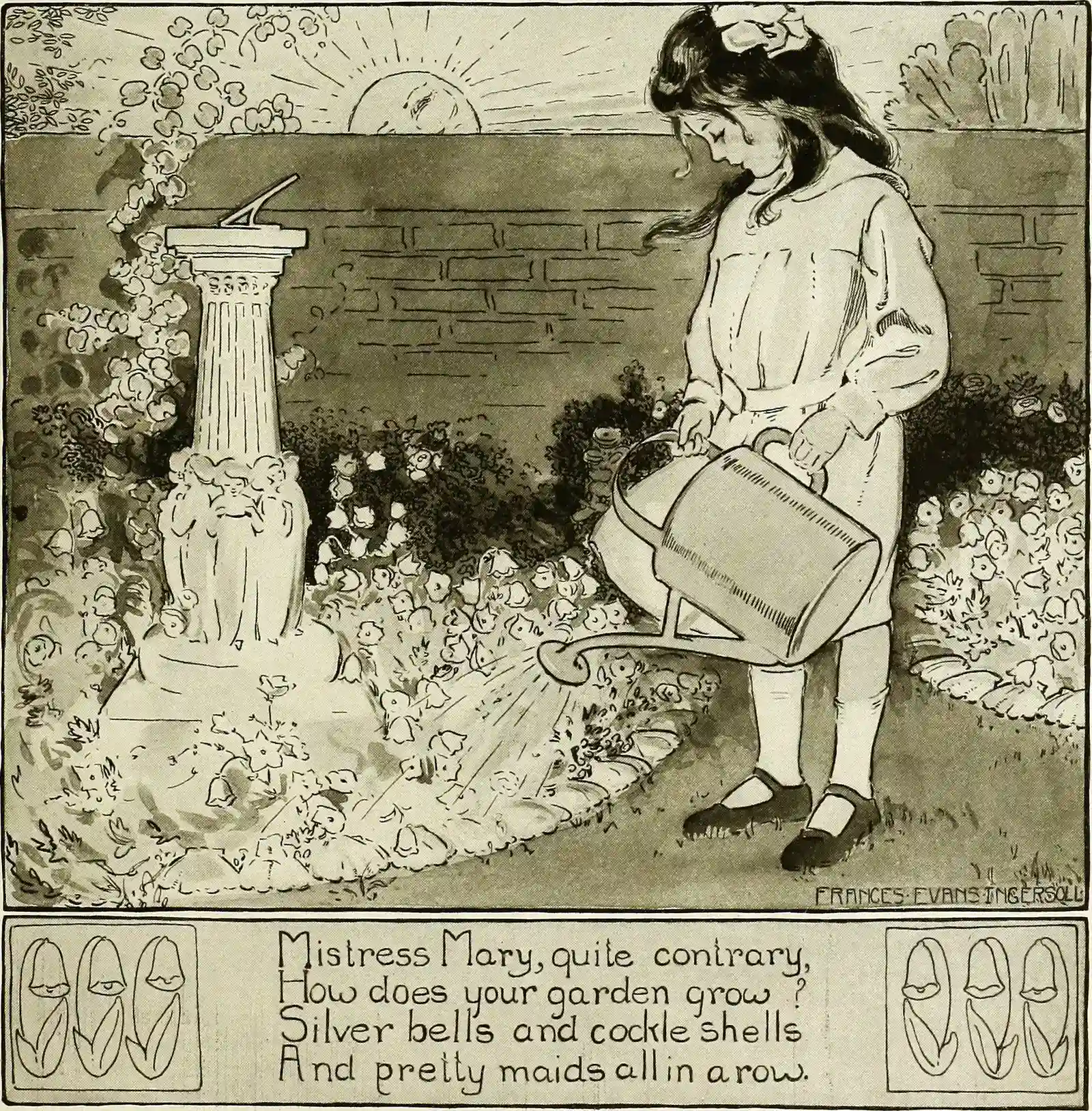
This one sounds like a cheerful gardening rhyme. It is absolutely not. This popular English nursery rhyme, which reads like a solicitation for gardening advice, is actually – according to many – a recounting of the homicidal nature of Queen Mary I of England, also known as Bloody Mary. A fierce believer in Catholicism, her reign as queen – from 1553 to 1558 – was marked by the execution of hundreds of Protestants.
The rhyme “Mary, Mary Quite Contrary” might be about Mary’s murder of Protestants. Some say that the “garden” is a reference to the graveyards that were filling with martyred Protestants under her reign, while the “silver bells” represent thumbscrews and “cockleshells” are instruments of torture. So that charming little garden imagery? The “pretty maids all in a row” likely refers to the rows of people executed under her orders, making this cheerful gardening song a coded commentary on religious persecution.
Three Blind Mice: A Story About Burning Bishops
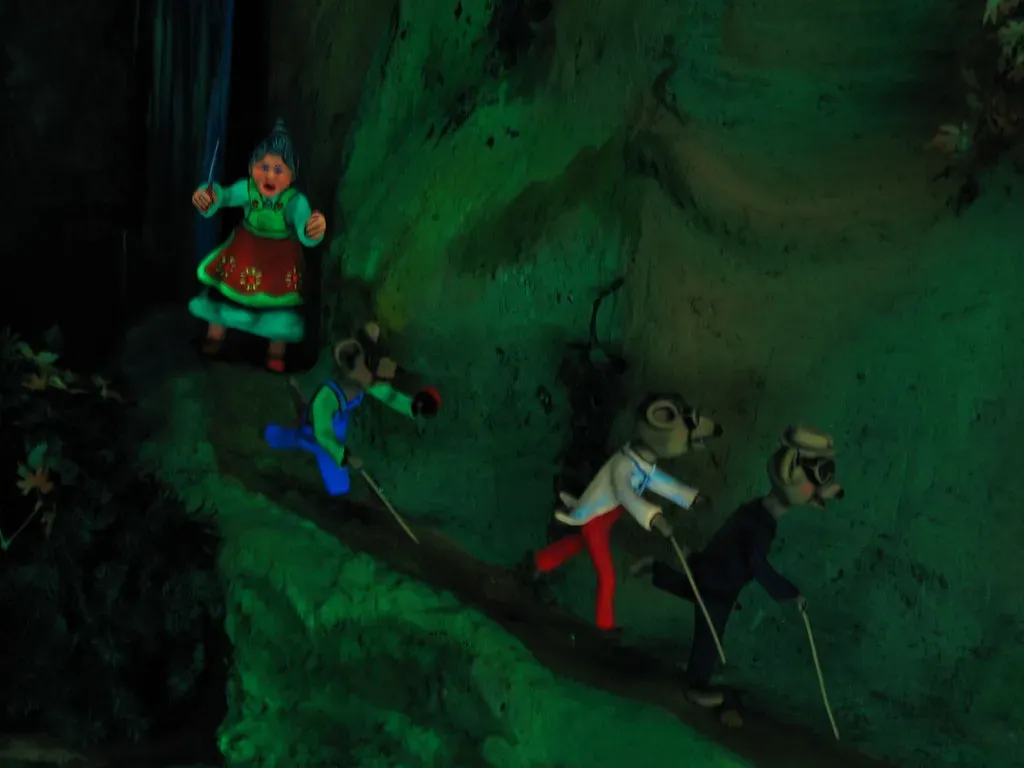
Three little blind mice running after a farmer’s wife. Perfectly innocent. Except the farmer’s wife is almost certainly Bloody Mary – again. The “three blind mice” is believed to refer to three Protestant bishops named Nicholas Radley, Hugh Latimer and Thomas Cranmer, The Archbishop of Canterbury. These three bishops, who are famously known as the Oxford Martyrs, were burnt at the stake under the orders of Mary after they were found guilty of heresy.
First printed in 1609 in Deuteromelia, this is one of the earliest nursery rhymes with a confirmed publication date. The theory linking it to Hugh Latimer, Nicholas Ridley and Thomas Cranmer, burned under Mary I between 1555 and 1556, came later. So the timeline is tight but not impossible. As for whether the mice were actually blinded, the answer is no. Many suspect that the “blindness” of the three mice could have been created by crypto-Catholics, who saw Protestantism as a form of “blindness.”
Baa, Baa, Black Sheep: A Protest Against Medieval Taxes
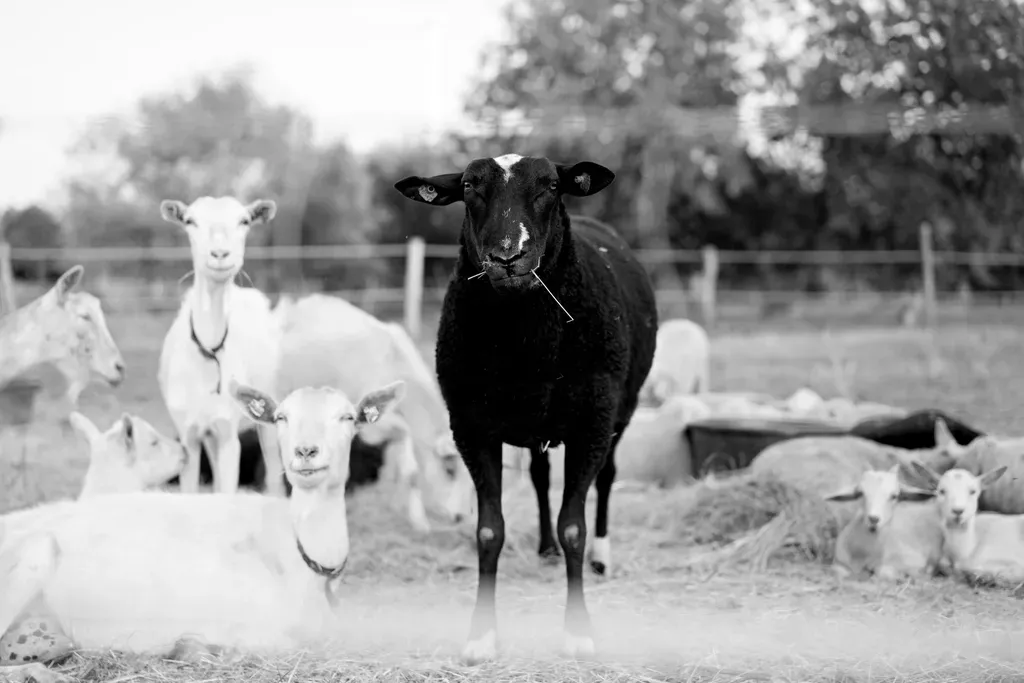
Let’s be real – on the surface, this is a rhyme about a polite conversation with a sheep. The deeper story is far more political. This simple transaction between a person and a sheep actually tells the story of medieval taxation that angered English citizens for centuries. In 1272, crusaders returned from the Holy Land with massive debts, so King Edward I imposed new taxes on Britain’s wool industry to generate extra revenue. The three bags of wool represent the division of profits under the Great Custom tax introduced in 1275 – one bag for the king, one for the church, and one for the farmer.
In 1275, Edward I introduced the Great Custom, a wool export tax dividing proceeds between crown, church and merchant – master, dame and little boy. Some early versions include the line “and none for the little boy who cries in the lane,” making the grievance explicit. That’s not just a rhyme – that’s economic frustration preserved in song across eight centuries.
London Bridge Is Falling Down: A Viking Attack?

This is one of those rhymes that most people assume is purely fictional. A bridge falls down. Everyone rebuilds it. Simple. Depending on whom you ask, “London Bridge is Falling Down” could be about a 1014 Viking attack, child sacrifice, or the normal deterioration of an old bridge. Not so simple after all.
Many sources tie the nursery rhyme to the alleged destruction of London Bridge at the hands of Olaf II of Norway sometime in the early 1000s. The 1014 Viking attack led by future Norwegian king Olaf II reportedly involved pulling down London Bridge with ropes attached to their ships. While historians debate whether this actually happened, the rhyme preserves the memory of a time when London’s most important crossing was under constant threat from foreign invaders.
The origin of the “London Bridge” rhyme might date all the way back to the Middle Ages, but the rhyme was first published in 1744, in Tommy Thumb’s Pretty Song Book. The mystery of the “fair lady” mentioned in the song is equally unresolved. The story behind the song is unknown, but possible origins are a Viking attack, immurement, structural damages to the London Bridge, or the histories of possible fair ladies Matilda of Scotland, Eleanor of Provence, the Virgin Mary, or a member of the Leigh family.
Goosey Goosey Gander: Religious Persecution Behind a Silly Name
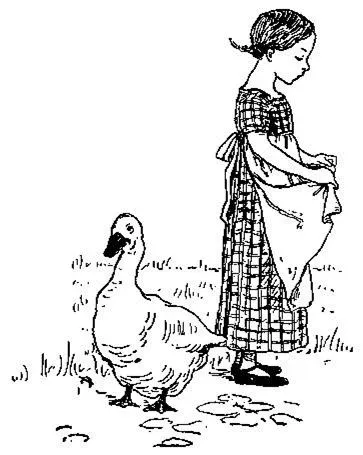
You’d be hard pressed to find a more ridiculous-sounding name for a nursery rhyme. Goosey Goosey Gander. And yet, lurking beneath that absurdity is a story about the brutal suppression of Catholicism in Protestant England. The verse “And in my lady’s chamber / There I met an old man, who wouldn’t say his prayers / So I took him by his left leg and threw him down the stairs” reflects a time when Catholicism was outlawed under Protestant rule and Catholic priests had to say their forbidden Latin prayers in secret. The old man refusing to say his prayers is likely a Catholic priest, refusing to recite Protestant prayers. Hiding priests in secret chambers was common, and the “lady’s chamber” might be a reference to one such hiding place.
It’s hard to imagine that any rhyme with the phrase “goosey goosey” in its title could be described as anything but feel good. But it’s actually a tale of religious persecution, during the days when Catholic priests would hide themselves in order to say their Latin-based prayers, a major no-no at the time – not even in the privacy of one’s own home. That cheerful goose is doing some surprisingly heavy historical lifting.
Georgie Porgie: A Scandal at the Royal Court
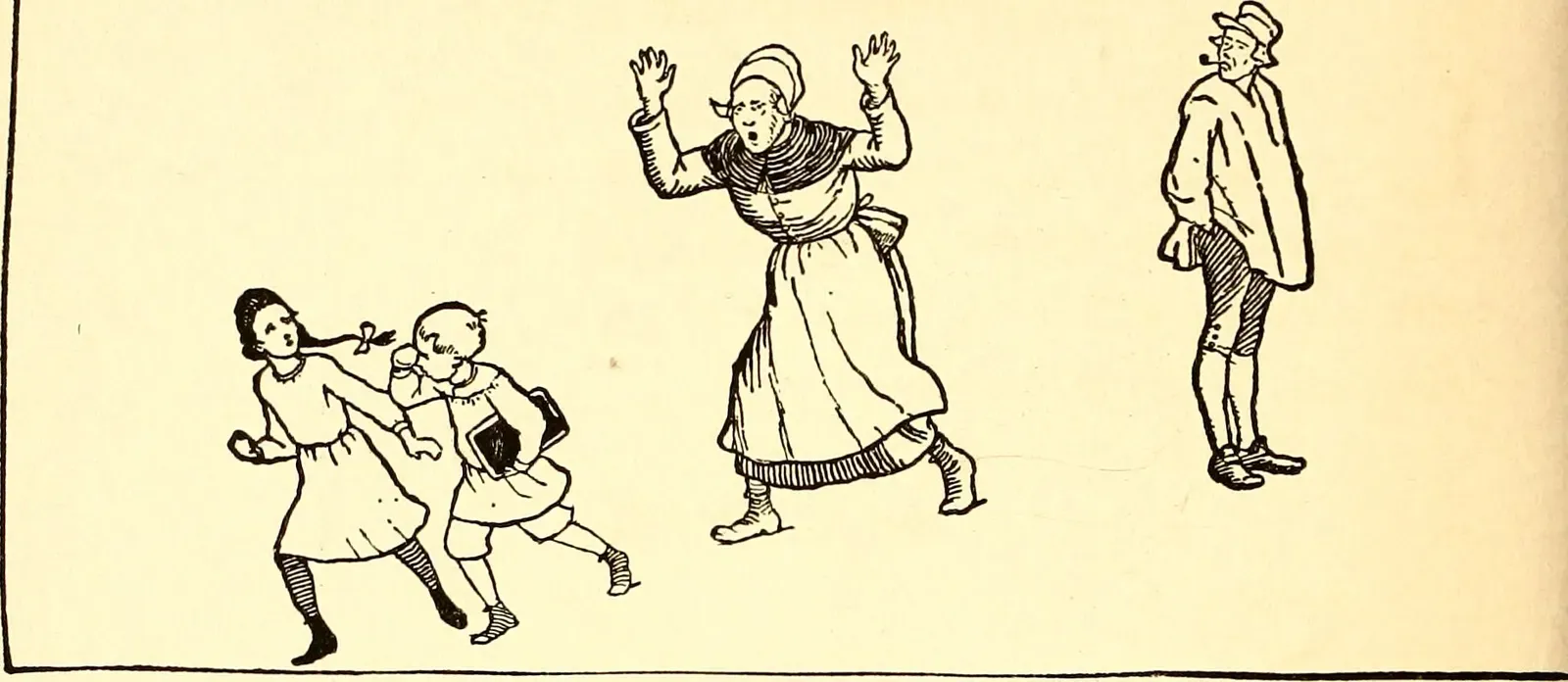
A pudding-eating boy who makes girls cry and then runs away. On the surface, it sounds like a tale about a mischievous toddler. Many experts believe the rhyme is a thinly veiled reference to George Villiers, the Duke of Buckingham, who was a favorite of King James I in the early 17th century. Villiers was notorious for his charm and romantic entanglements, as well as his political maneuvering. His behavior at court was the source of endless gossip, and some accounts suggest his actions caused considerable distress among the women he encountered.
Another theory, though, points to a different George entirely. Most historians agree that the classic nursery rhyme “Georgie Porgie” is about Prince Regent George IV of Britain. Ridiculed for his hefty weight and 50-inch waist, he had a reputation for lusting after food and women. Reportedly, he left a string of illegitimate children behind. Hence the references to pudding, pie, and making the girls cry.
Either way, this is a rhyme that barely disguises its contempt for the powerful. The rhyme’s playful tone masks a pointed social commentary on power, privilege, and the consequences of unchecked desire. The fact that a political figure could inspire such a lasting children’s rhyme shows how public figures have always been fair game for satire and mockery.
Why Do These Dark Origins Keep Surviving?
It’s a genuinely fascinating question. Why would anyone wrap tales of plague, executions, and political scandal in a cheerful little tune and teach it to children? According to Seth Lerer, Dean of Arts and Humanities at the University of California, San Diego, “nursery rhymes are part of long-standing traditions of parody and a popular political resistance to high culture and royalty.” That’s a rather elegant explanation. Rhymes were a way for ordinary people to mock their rulers without getting hanged for it.
These nursery rhymes serve as time capsules, preserving fragments of history in the most unexpected places. What started as adult commentary on politics, religion, and social issues gradually transformed into children’s entertainment, their original meanings forgotten by most who sing them. Nursery rhymes have been a part of culture and childhood literature for centuries – one of the earliest ever officially recorded was “Pat-a-cake, pat-a-cake, baker’s man,” in a 1698 play by Thomas d’Urfey – and are thought to be instrumental in helping children develop an ear for language. The short, rhythmic style of nursery rhymes help children to sound out unfamiliar words, aiding them in vocabulary expansion as they begin learning how to read and process other crucial language skills.
It’s hard to say for sure which origins are 100% accurate – many nursery rhymes have multiple interpretations and the origins of some rhymes have been lost over time. As the meaning of some rhymes is lost, the modern interpretation can be different from the original one. What’s certain is that these tiny rhymes are anything but tiny. They are living artifacts – compressed history, coded rebellion, and collective memory all packed into a few catchy lines. Next time you hear one, maybe pause for just a second before singing along. What would you have guessed was hiding inside them?