Ever wonder where authors get their crazy ideas? Turns out, some of the most beloved books in literary history weren’t plucked from thin air. They were ripped straight from the headlines, stolen from real people, or sparked by bizarre personal experiences. The stories behind the stories are sometimes wilder than the fiction itself.
From scandal-ridden romances to tragic accidents that haunted writers for decades, the truth is often stranger than what ended up on the page. Let’s dive into the real-world events and people who inspired literature’s greatest hits.
Dracula’s Castle Actually Exists, Sort Of
Bram Stoker never set foot in Transylvania, but that didn’t stop him from setting his vampire epic there. He researched obsessively at the British Library, poring over maps and travel guides. His inspiration? A real fifteenth-century Romanian prince named Vlad III, better known as Vlad the Impaler.
Vlad earned his charming nickname by impaling his enemies on wooden stakes. Thousands of them. Stoker stumbled upon this delightful historical tidbit and thought, yeah, that’s my guy.
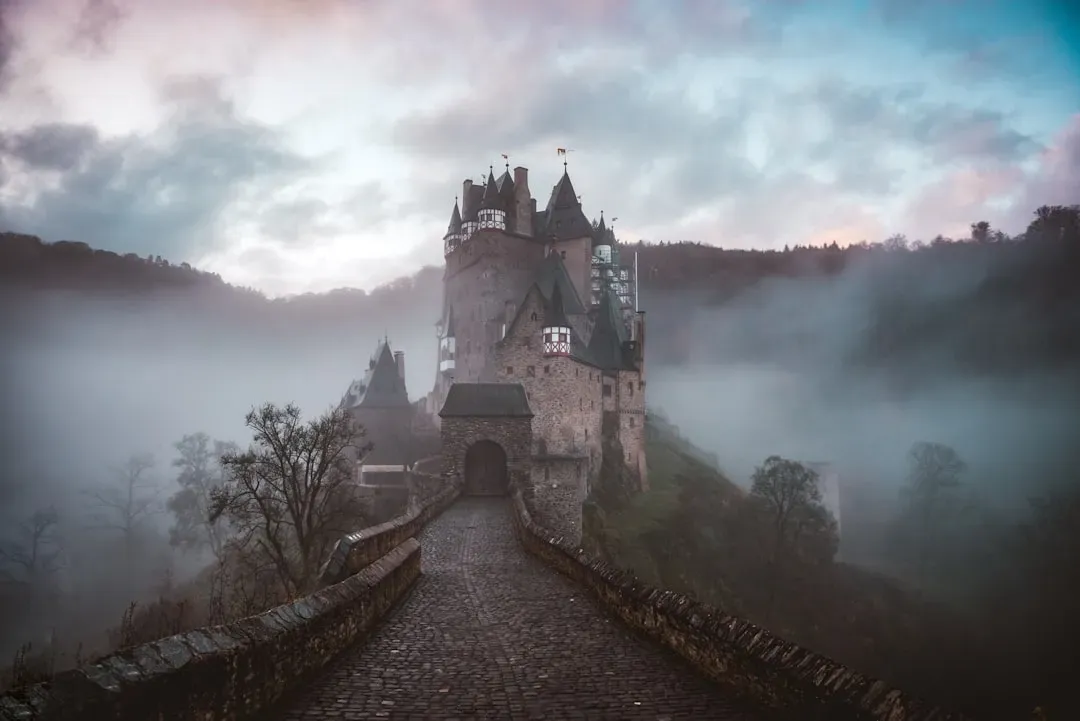
The castle often associated with Dracula, Bran Castle in Romania, wasn’t actually Vlad’s main residence. But it looks spooky enough that tourists don’t seem to care. Stoker’s genius was blending historical brutality with folklore about the undead, creating a character that still terrifies people more than a century later.
Sherlock Holmes Had a Real-Life Model
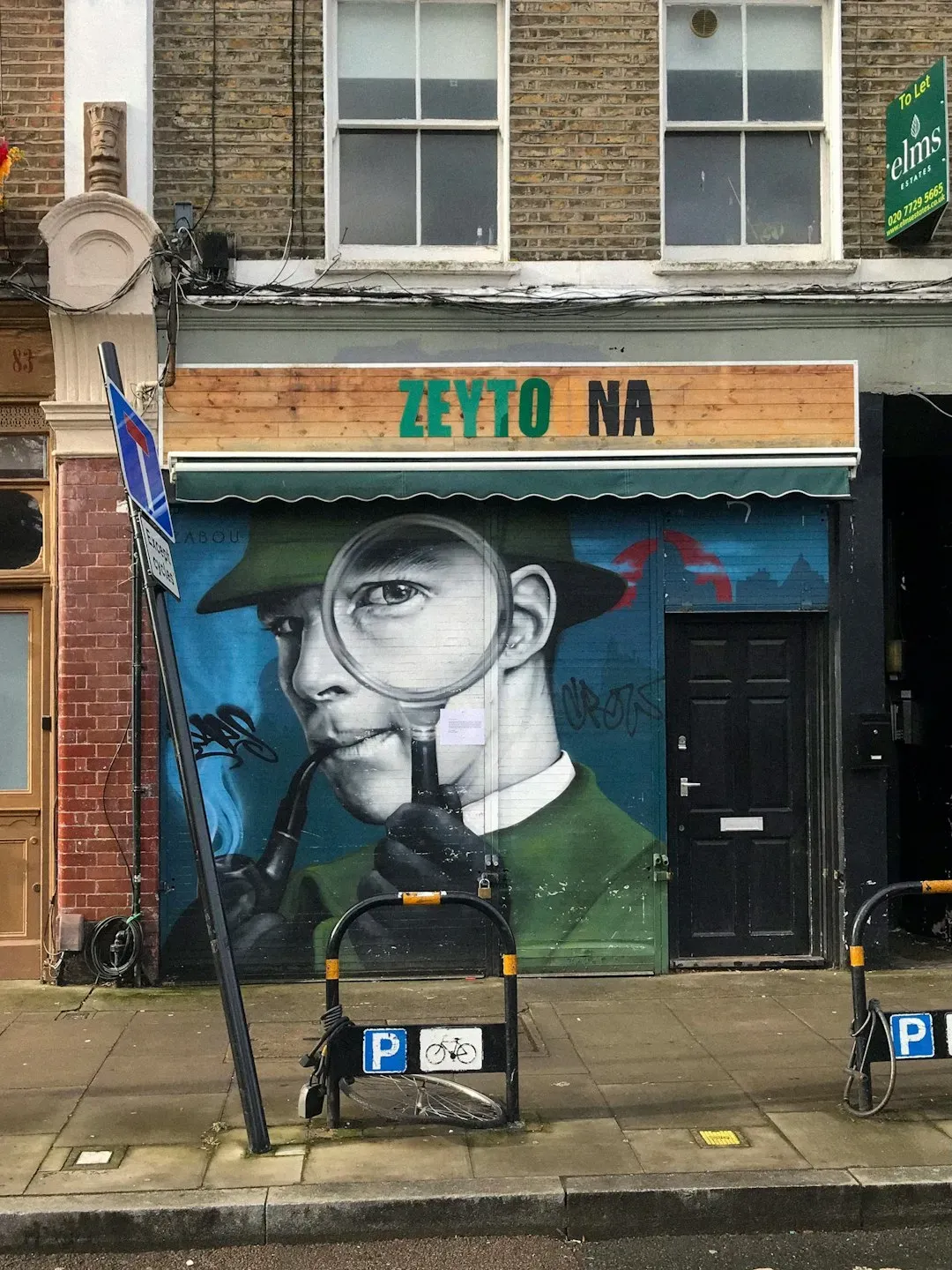
Arthur Conan Doyle didn’t dream up his famous detective in some creative vacuum. Holmes was based on Dr. Joseph Bell, one of Doyle’s professors at the University of Edinburgh. Bell had this uncanny ability to diagnose patients and deduce details about their lives just by observing them.
He’d look at a patient’s hands and know their occupation. He’d notice a slight limp and figure out where they’d been walking. Doyle was mesmerized by this skill and basically transplanted it onto his fictional detective.
Bell himself was flattered but modest about the connection. He once wrote to Doyle saying he was just applying basic scientific methods. Honestly, the guy sounds like he would’ve been insufferable at parties, but he gave literature one of its most iconic characters.
The Great Gatsby Reflected Fitzgerald’s Own Destructive Love
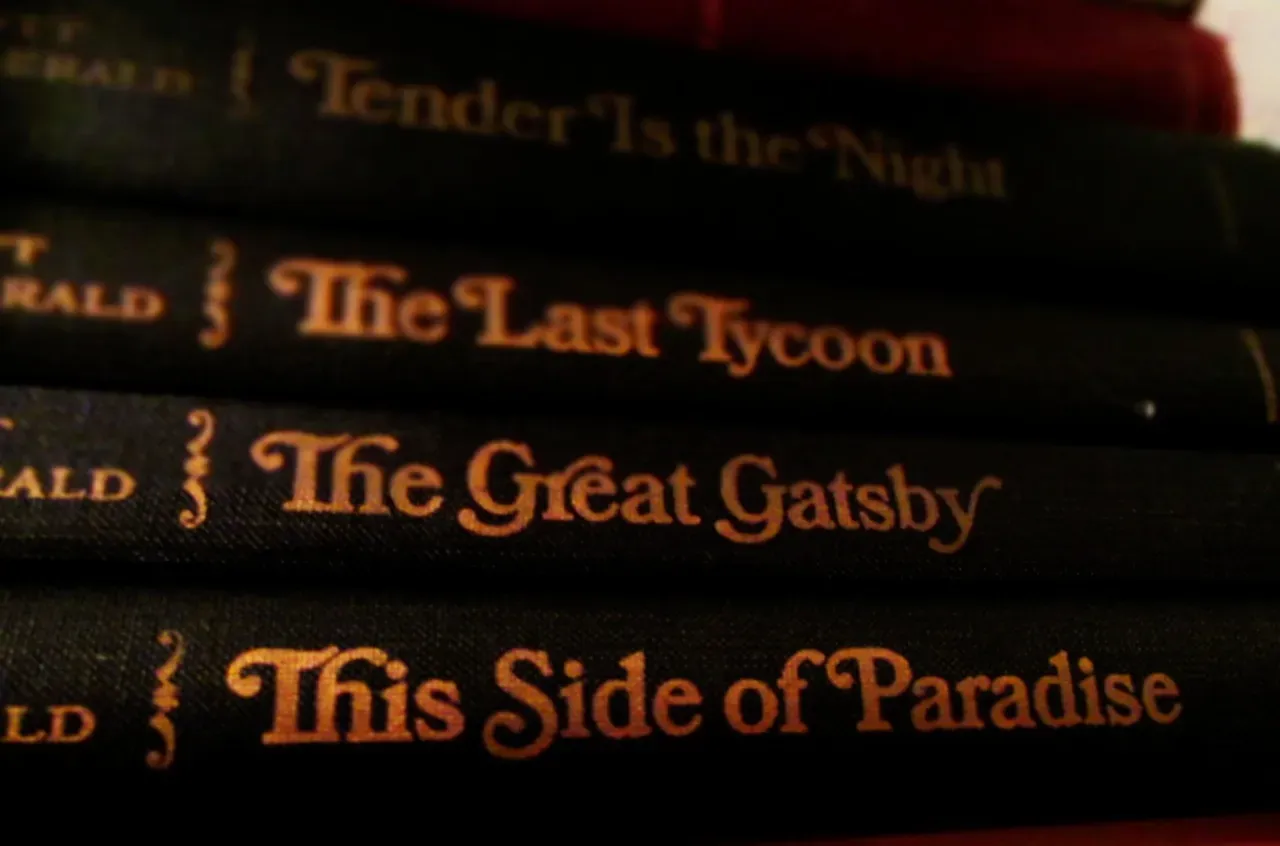
F. Scott Fitzgerald didn’t have to look far for inspiration when crafting Jay Gatsby’s obsessive pursuit of Daisy Buchanan. He was living it. Fitzgerald fell hard for Zelda Sayre, a Southern belle who initially rejected him because he wasn’t wealthy enough.
Sound familiar? Gatsby’s entire identity crisis mirrors Fitzgerald’s own insecurities about money and status. The lavish parties, the desperate reinvention, the belief that wealth could win back lost love. That was Fitzgerald’s world.
The Plaza Hotel confrontation in the novel? Fitzgerald and Zelda had their own epic fights in that very building. The Long Island mansions, the bootleggers, the reckless excess, all of it came from the life Fitzgerald observed and participated in during the roaring twenties. He basically wrote a love letter to his own dysfunction.
Moby-Dick Came From an Actual Whale Attack
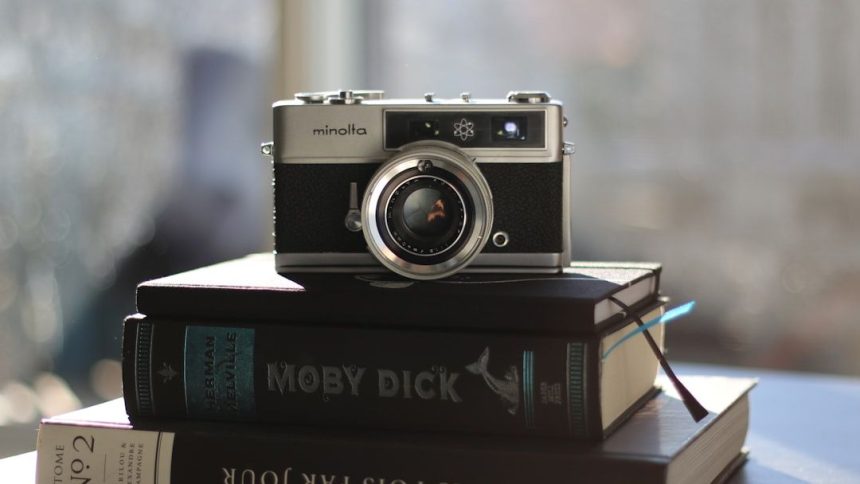
Herman Melville’s white whale wasn’t just a metaphor. In 1820, a sperm whale rammed and sank the whaling ship Essex in the Pacific Ocean. The crew spent months adrift in small boats, enduring starvation and, yes, resorting to cannibalism to survive.
Melville heard about this disaster and became obsessed. He also learned about Mocha Dick, a notorious albino sperm whale that had reportedly survived dozens of encounters with whalers. This real whale was famous for its aggression and white coloring.
Melville combined these stories with his own experiences working on whaling ships. The result was an epic tale of obsession that most of his contemporaries found boring. Little did they know it would become an American classic. Sometimes the author knows better than the audience.
Alice in Wonderland Started With a Real Girl Named Alice
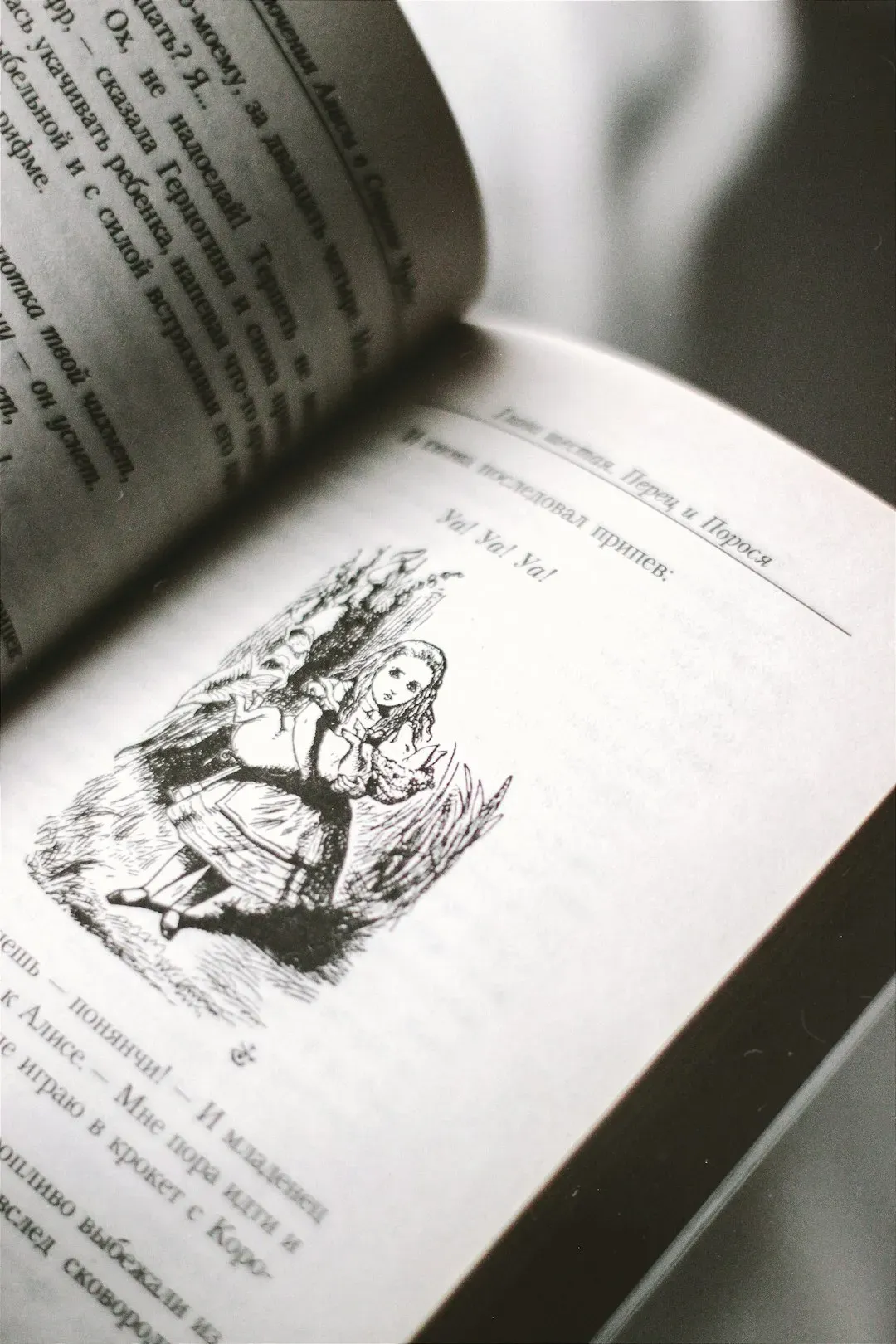
Lewis Carroll, whose real name was Charles Dodgson, made up the story of Alice during a boat trip with the Liddell sisters in 1862. The real Alice was Alice Liddell, daughter of the dean at Christ Church, Oxford, where Dodgson taught mathematics.
She was ten years old when he started telling her these nonsense stories. She loved them so much she begged him to write them down. He did, eventually publishing what became one of the most famous children’s books ever written.
Carroll’s friendship with the Liddell family later became strained for reasons that remain unclear. Some historians think the family disapproved of his close attachment to their daughters. Whatever happened, Alice Liddell grew up to become Mrs. Reginald Hargreaves, and she sold her original handwritten manuscript for a fortune in the 1920s.
1984 Was Shaped by Orwell’s Time at the BBC
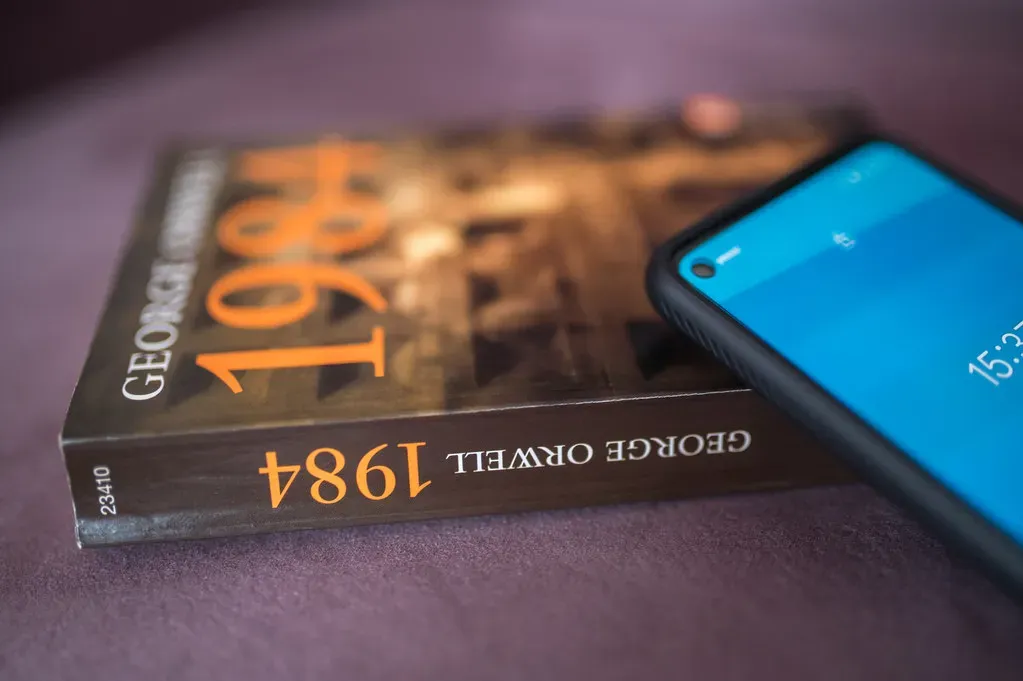
George Orwell worked at the BBC during World War II, churning out propaganda for the British government. The experience left him deeply cynical about how governments manipulate information and language. Room 101, the torture chamber in 1984, was named after an actual conference room at the BBC where Orwell endured countless tedious meetings.
The totalitarian nightmare he described wasn’t just about Stalin’s Russia or Hitler’s Germany. It was about what he saw happening in supposedly democratic countries too. The doublespeak, the constant surveillance, the rewriting of history to suit those in power. Orwell watched it happen in real time.
He wrote 1984 while dying of tuberculosis, racing against his own mortality to finish his warning to the world. The book was published in 1949, less than a year before his death. His dystopia felt uncomfortably real because it was built from experiences he’d lived through.
Conclusion
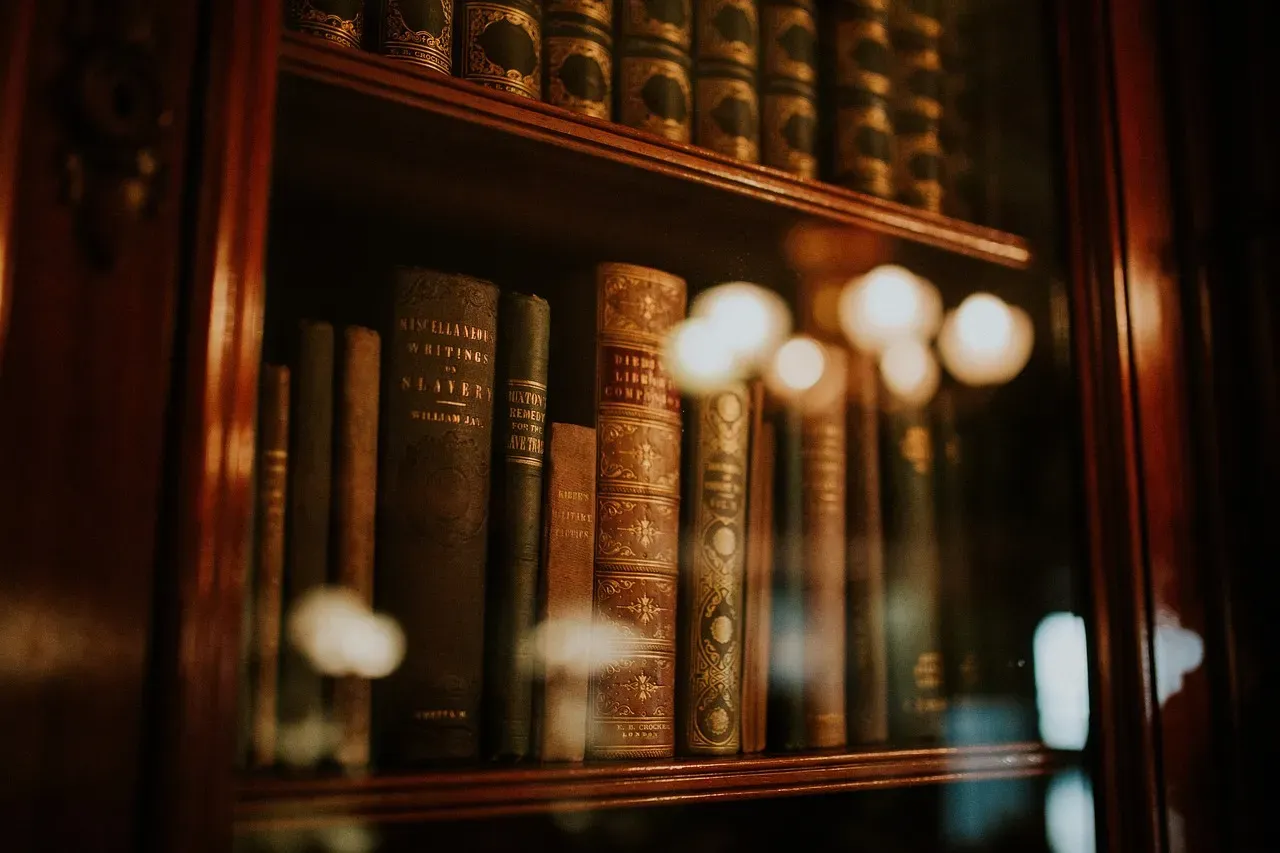
The truth behind these proves that great fiction doesn’t come from nowhere. It’s built from real pain, real people, and real experiences that authors transformed into something timeless. Sometimes the backstory is just as compelling as the published work.
What do you think? Does knowing the real-life inspiration change how you read these books? Tell us in the comments.