Hollywood remakes almost everything given enough time and the right financial incentive. Studios have rebooted horror franchises, reimagined animated classics, and revived adventure properties that most audiences assumed were permanently retired. A 2024 study from the National Research Group found that roughly three quarters of Gen Z audiences prefer watching original content over remakes or franchise fare, yet the industry keeps reaching backward. The machine rarely stops.
Still, there’s a short, quietly agreed-upon list of films that studios treat differently. Not because of rights issues or budget concerns, but because the creative and reputational risk is simply too enormous. These are the pictures that defined not just careers but entire eras of filmmaking, where one failed attempt could permanently taint a beloved legacy. Some call them untouchable. Others call them wise investments in staying away.
Casablanca (1942): The Accidental Masterpiece Nobody Dares Rewrite

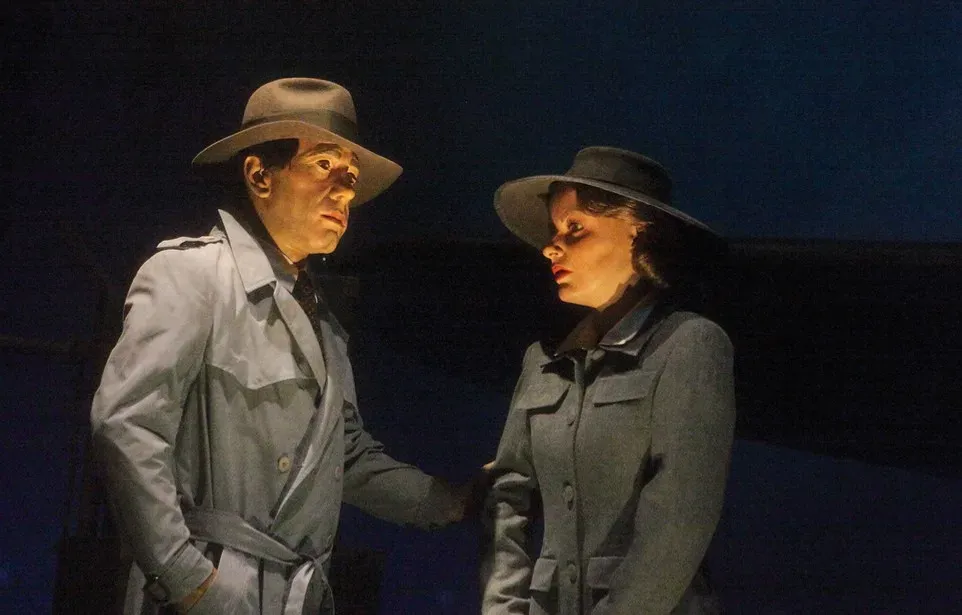
Casablanca is arguably the greatest accident in film history. Its production was chaotic and messy, particularly the writing process, which included multiple screenwriters and constant script edits during filming. Many involved with the movie thought it was going to be just another run-of-the-mill picture among the hundreds Hollywood produced every year. That spontaneous, almost reckless energy is baked into the final product in a way that no planned remake could replicate.
Released in 1943 by Warner Bros. and directed by Michael Curtiz, Casablanca was a critically acclaimed box office hit that earned the studio three Academy Awards, including one for Outstanding Motion Picture. The chemistry between Humphrey Bogart and Ingrid Bergman was truly unmatched, and as a World War II love story released while the war was still ongoing, it was truly a product of its time. Endlessly quotable and a marvel of the black-and-white era, Casablanca’s combination of love, sacrifice, duty, and political uncertainty needs no modernization.
Citizen Kane (1941): The Film That Taught Hollywood How to Make Films

Citizen Kane is to film what The Beatles are to music. Before Citizen Kane, movie production was executed in a certain way versus after, just as music production was accomplished in a certain way before The Beatles versus after. That kind of foundational cultural weight means any remake starts the conversation already buried under the original’s shadow.
It’s hard to imagine a Citizen Kane remake, as the original’s legacy as one of the most important and best movies of all time is simply too strong, at this point, over eight decades on from its release. Its structure was entirely novel at the time it was made. So would a remake copy the structure despite the fact that it no longer has any novelty value, or use a different and almost certainly less effective structure? Either choice is a losing proposition.
The Godfather (1972): Too Perfect to Survive a Second Opinion

Few would dare even consider a remake of Francis Ford Coppola’s unquestioned masterpiece The Godfather. As a film so perfect there’s little that can be improved upon, Marlon Brando and Al Pacino delivered career-best work as the mobster father-and-son Vito and Michael Corleone. These characters stand outside time in a way few others have, making recasting them feel almost sacrilegious.
The best course of action was the equally fantastic sequel The Godfather Part II, which expanded the saga across different timelines and expanded Vito’s backstory with a young Robert De Niro. Even this was dangerous territory, as The Godfather Part III lessened its legacy and proved that you can have too much of a good thing. That lesson seems to have stuck with studios, even if it took a third film to teach it.
Jaws (1975): Spielberg’s Personal Veto

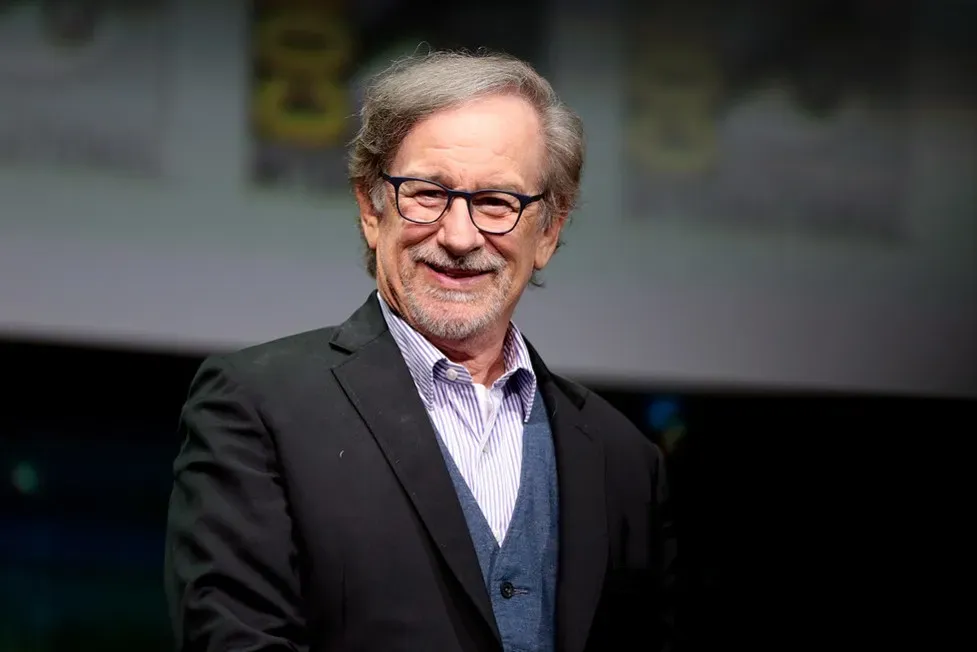
Steven Spielberg is incredibly protective of the original classic’s legacy, at many points over the years promising to never digitally touch it up and also to never allow for it to be remade. It seems he still feels just as strongly about that decision today as he ever did. Universal broached the subject to reboot Spielberg’s breakout classic, with Spielberg producing, and the answer was a firm no.
Creating Jaws was no easy feat, from schedule issues to going over budget, and Spielberg’s initial run as director was no less than a disaster. However, all his efforts bore fruit when the movie went on to become one of the best movies of all time, grossing over $483 million worldwide. Jaws is a film one might argue could be made better with modern technology, but it’s not the shark itself that makes the film what it is. Once again, it’s directorial brilliance.
Schindler’s List (1993): A Story That Demands Its Original Form

Some films carry a moral weight that makes remaking them feel like an act of disrespect rather than creative ambition. Schindler’s List sits at the very top of that category. Steven Spielberg’s black-and-white depiction of Oskar Schindler’s effort to save over a thousand Jewish refugees during the Holocaust won seven Academy Awards and remains one of the most awarded films in Oscar history. Its restraint, its visual choices, and its emotional precision are inseparable from the specific moment it was made.
There are a select few classics that are iconic, intrinsically tied to the time of their release, and already close enough to perfect that they’re likely safe from ever getting remade. Schindler’s List exemplifies this category more completely than almost any other film. The idea of a studio pitching a remake to market committees and test screening audiences feels genuinely unthinkable, and that instinct has kept every executive’s hand off the phone.
Goodfellas (1990): Style That Can’t Be Taught or Transferred

Martin Scorsese’s mob masterpiece Goodfellas stands above the rest as a defining achievement of the gangster genre, one that any attempt to recreate would almost certainly fall short of. As perhaps the only gangster film capable of rivaling the legacy of The Godfather, Goodfellas is a classic that should be left untouched.
Whether it’s the manic panic of Ray Liotta as Henry Hill or the chilling intimidation of Joe Pesci’s Tommy DeVito, Goodfellas is a movie bursting with both style and substance. Most of all, Goodfellas remains as thrilling today as it was back in 1990, so rather than remake it, viewers should just go back, rewatch, and enjoy. That Scorsese-era energy, that particular velocity, belongs to 1990 in a very specific way.
Psycho (1960): The Proof That You Shouldn’t Try

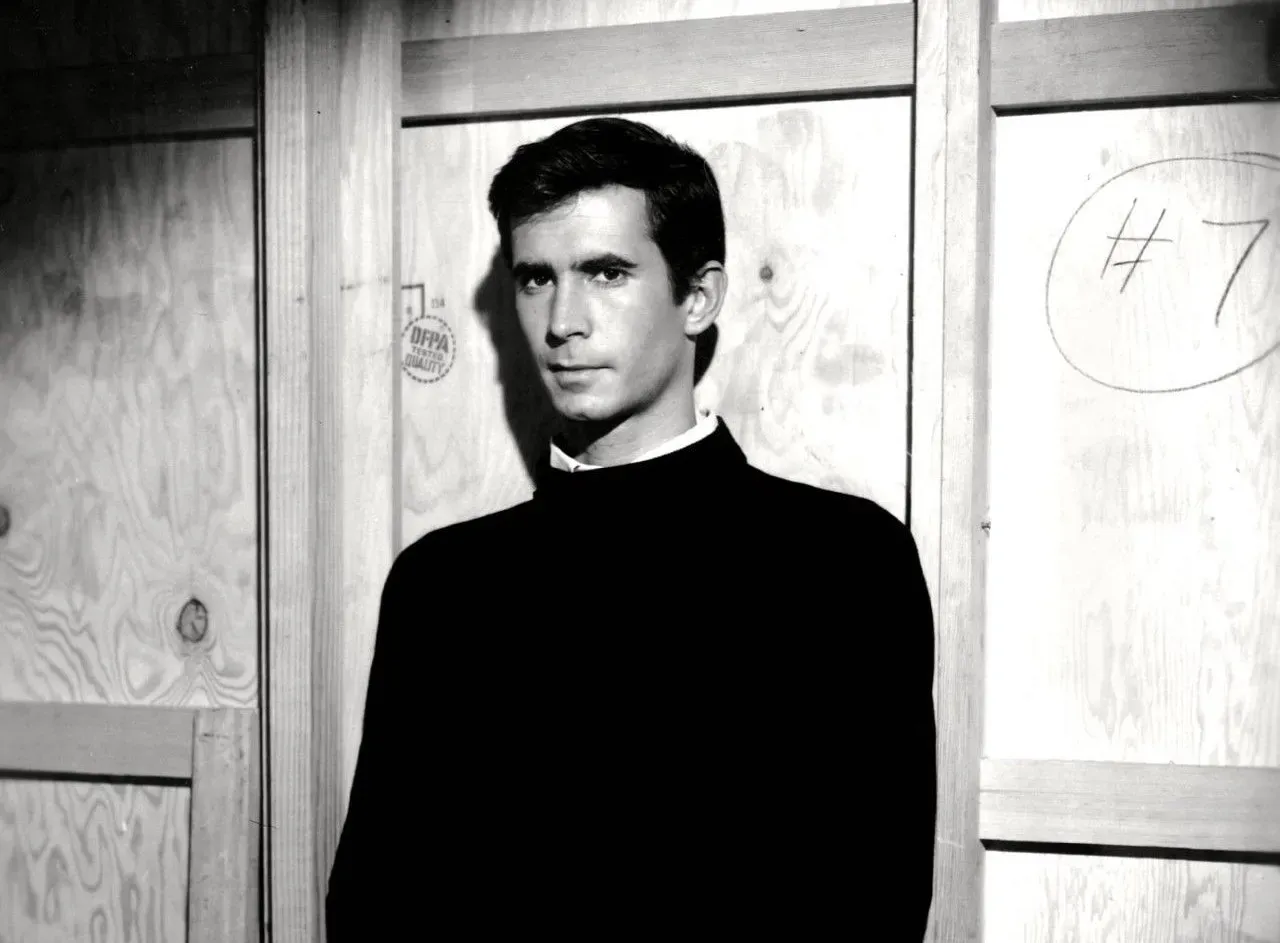
This one comes with a cautionary tale already attached. On Rotten Tomatoes, the 1998 Psycho remake earned an abysmal 40 percent. Critics generally agreed that the remake felt completely unnecessary because it simultaneously failed to do anything new or offer any trenchant insights into the earlier Hitchcock film. Director Gus Van Sant’s shot-for-shot recreation stands as perhaps the most famous example of a remake that proved its own pointlessness in real time.
It would be a brave person or a fool to take on a remake of Hitchcock’s iconic film, but Gus Van Sant did just that. He travelled the spectrum from bravery to foolishness with his 1998 version. While Hitchcock delivered spine-tingling moments, Van Sant’s was spine-numbing. The industry took note. No major studio has seriously mounted another attempt since, and the original’s reputation has only grown stronger in the decades following that failed experiment.
One Flew Over the Cuckoo’s Nest (1975): Jack Nicholson and the Role That Can’t Be Recast

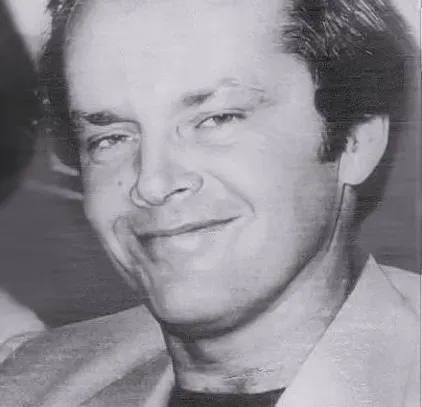
There are performances so completely fused to a character that casting anyone else in the role reads as a category error. Jack Nicholson as Randle Patrick McMurphy in Milos Forman’s adaptation is that kind of performance. The film won all five major Academy Awards, one of only three films in history to achieve that sweep, and Nicholson’s restless, combustible energy defined not just the movie but an entire approach to screen acting in the 1970s.
With the success of Netflix’s Ratched, the idea of a One Flew Over The Cuckoo’s Nest remake has never been more likely. Remaking the iconic movie may be an eager move from studios after seeing a modern appeal for the show, but this is one film that should never be remade. The story remains relevant. The problem is that relevance isn’t enough when a performance already set the absolute ceiling for what the material can achieve.
Blazing Saddles (1974): Satire That Can Only Exist Once

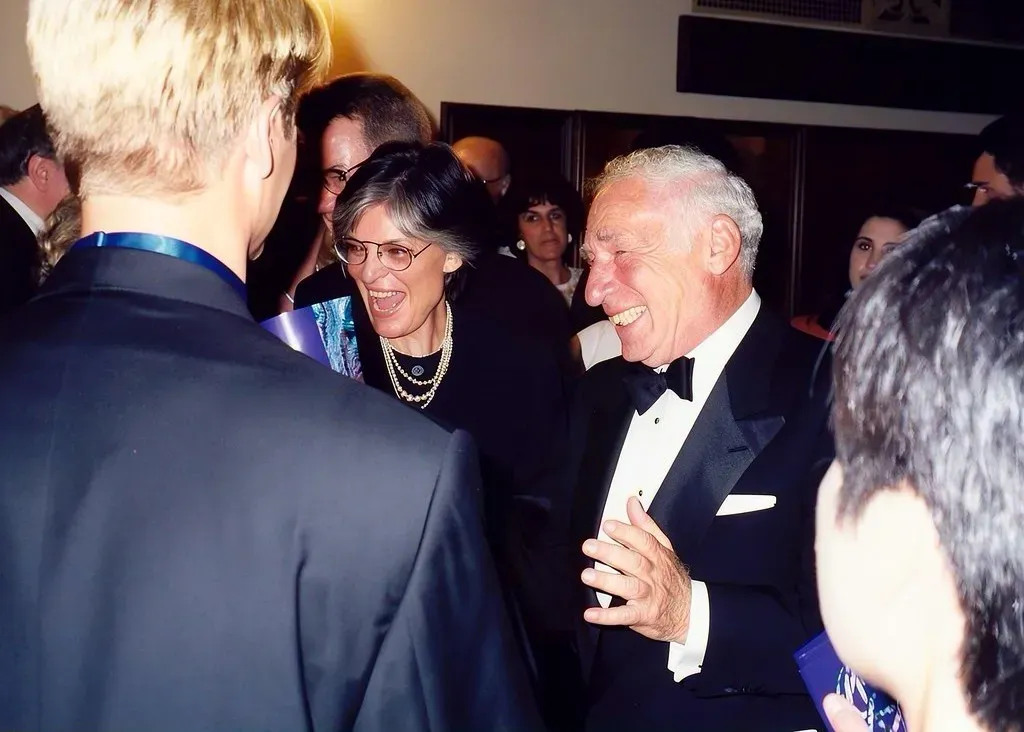
Blazing Saddles never makes jokes at the expense of its main character, instead poking fun at the townspeople and their racist attitudes, but the humor might still seem inappropriate for some modern viewers. It’s gotten to the point where it’s even part of a meme, with people making fun of the idea that it couldn’t be remade. For that reason, Blazing Saddles might be the go-to example for “un-remakeable” movies.
Mel Brooks’ western comedy works precisely because it was made during a specific window of American cultural history, one where the targets of its satire were still actively shaping the culture. A contemporary version would either sanitize the content into something toothless or overexplain every joke into irrelevance. As audiences grow wary of Hollywood’s tendency to revisit and recycle, words like “sequel” and “reboot” have become taboo, and Blazing Saddles represents the extreme logical end of that wariness. Some satire is too tightly wound around its moment to survive transplantation.