
There is something almost mythological about the way certain universities seem to keep appearing at the center of every world-changing breakthrough. A new programming language, a biotech revolution, an AI model that shakes the industry to its core – trace the roots far enough and you often land on a handful of campuses that most people could name in their sleep. It is tempting to write this off as prestige and money. Honestly, though, it runs much deeper than that.
The story of how universities became engines of modern innovation is one of deliberate culture-building, surprisingly personal decisions, geographic luck, and policy shifts that most people have never heard of. Some of these institutions earned their place through sheer research output. Others did it by fundamentally reinventing what a university was even supposed to be. Let’s get into it.
MIT: Where Research Becomes Reality
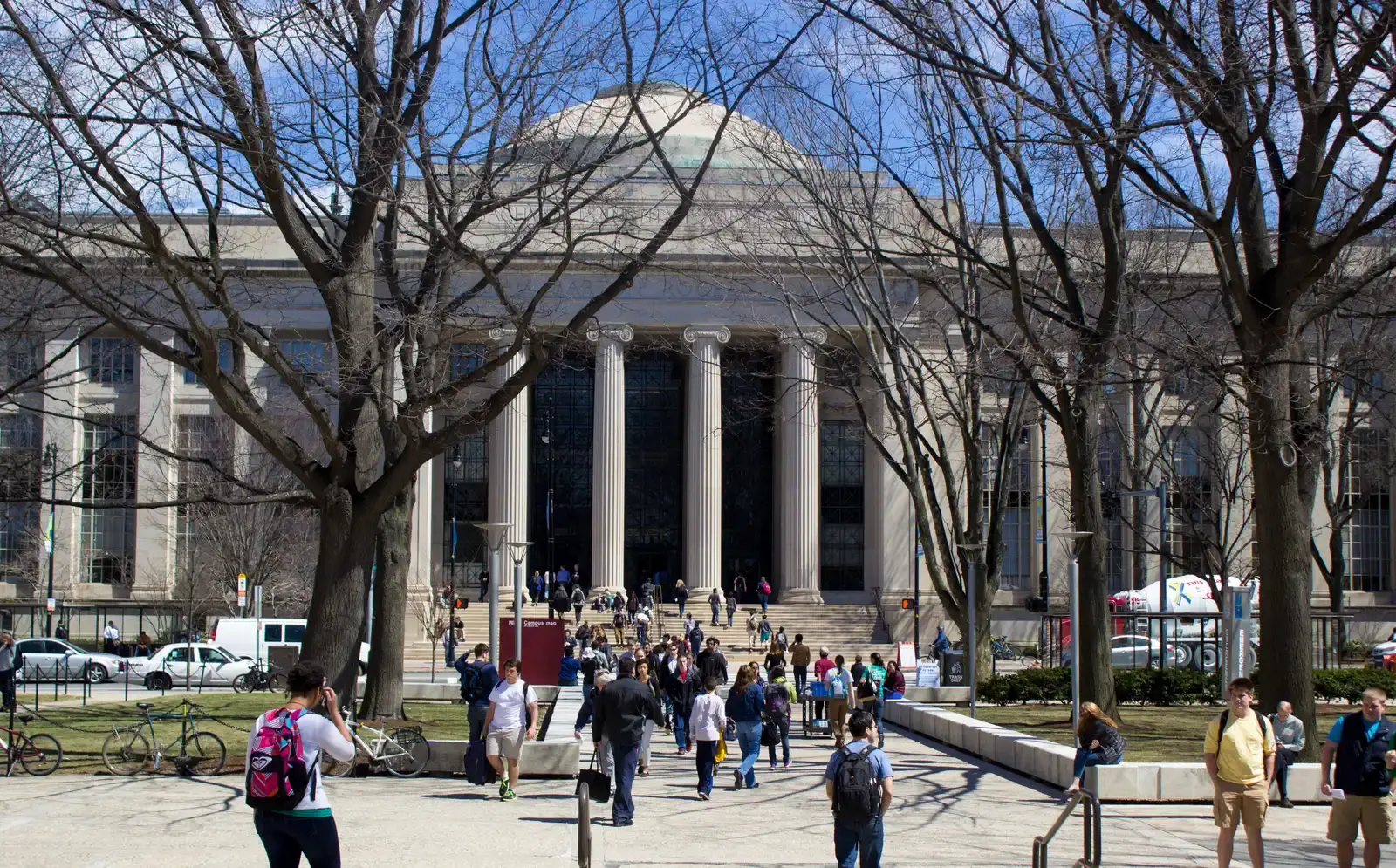
MIT ranks among the very top institutions in global innovation, and its smaller yet highly impactful publication record highlights an exceptional ability to translate research into groundbreaking inventions. That phrase “translate research” is the key. MIT has always been relentlessly focused on the gap between a lab discovery and an actual working product in the world.
MIT’s technology licensing office recorded 323 US patents and 24 new startups launched from the commercialization of MIT research in 2024 alone. That is a rate of productivity that most entire countries would envy. The QS World University Rankings by Subject 2026 for Data Science and Artificial Intelligence place MIT at the top with a near-perfect score. It is hard to argue with numbers like that.
Stanford University: The Architect of Silicon Valley
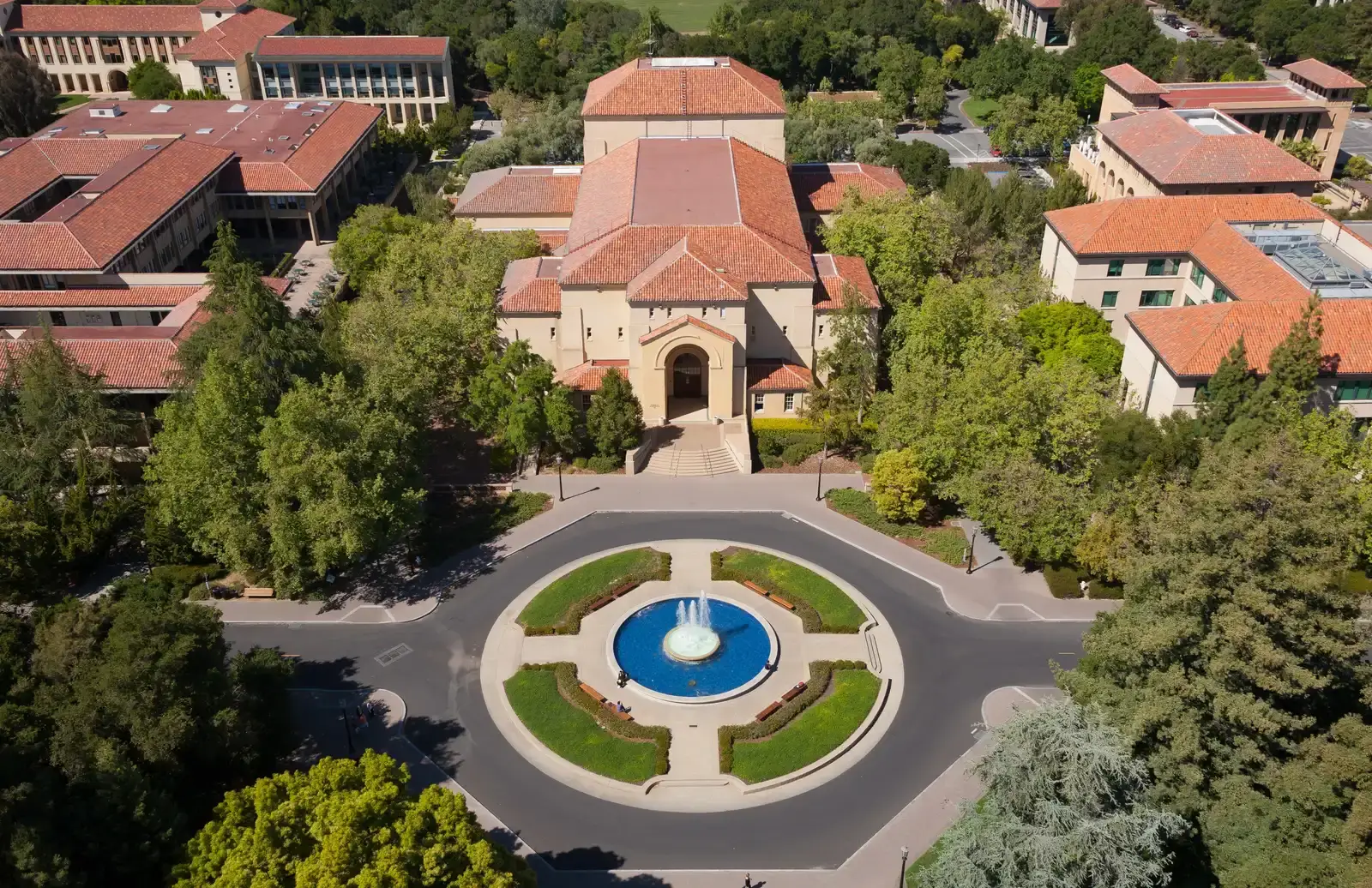
Frederick Terman, the former dean of engineering at Stanford, often called the father of Silicon Valley, played an outsized role in shaping the local innovation ecosystem. In 1939, he gave advice and personal funds to help his students Bill Hewlett and David Packard establish Hewlett-Packard. That single act of mentorship helped plant the seed of an entire economic region. It is almost absurdly consequential when you think about it.
Located in the heart of Silicon Valley, Stanford boasts an extraordinary track record of producing startup founders over the past ten years. It ranks first in the graduate category, with over 4,000 founders having attended one of its graduate programs – the highest number across all categories. Notable founders from Stanford include OpenAI’s Sam Altman and Robinhood co-founder Vladimir Tenev. Stanford’s programs, such as the Stanford Technology Ventures Program and the Stanford d.school, have become models for entrepreneurial education worldwide.
Harvard University: The Research Citation Powerhouse
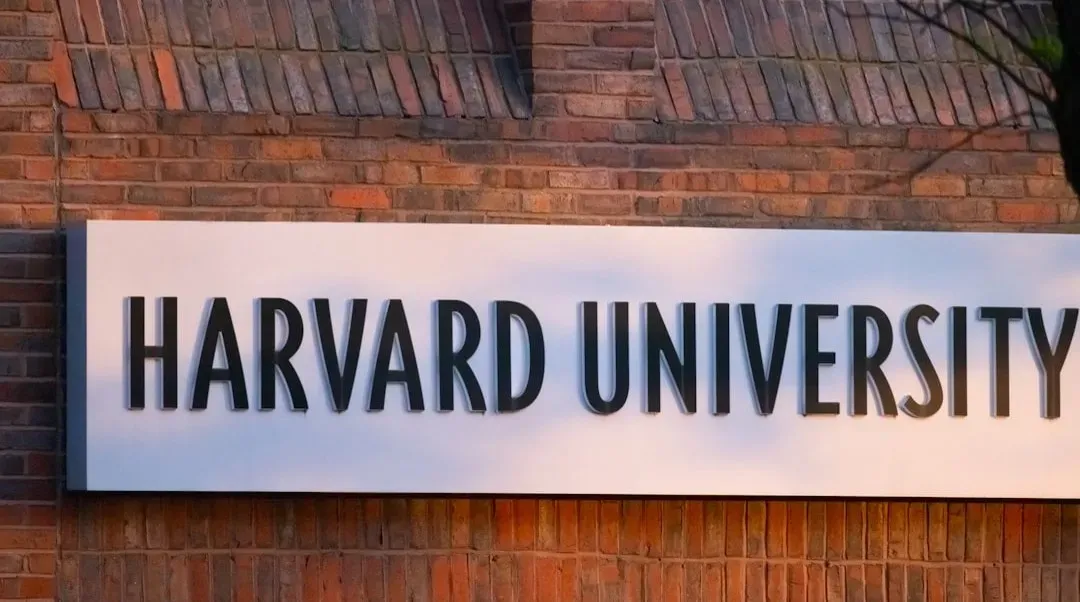
Harvard University, with the highest number of patent citations in Clarivate’s 2025 study, ranks first among institutions whose research has had the most profound impact on the world’s top global innovators. Let’s be real – that is a different kind of influence than simply building startups. Harvard’s research acts more like a deep current that flows into the innovations of other companies and institutions globally.
Harvard offers a wide range of institutional support for entrepreneurs, with its primary resource being the Innovation Labs, which houses everything from accelerator programs to classes and below-market rate access to lab benches and scientific equipment. Among business schools specifically, Harvard Business School leads by a long margin in graduating founders of funded companies, followed by Stanford Graduate School of Business. The breadth of Harvard’s footprint across both pure research and applied entrepreneurship is genuinely remarkable.
Carnegie Mellon: The Quiet Giant of AI and Robotics
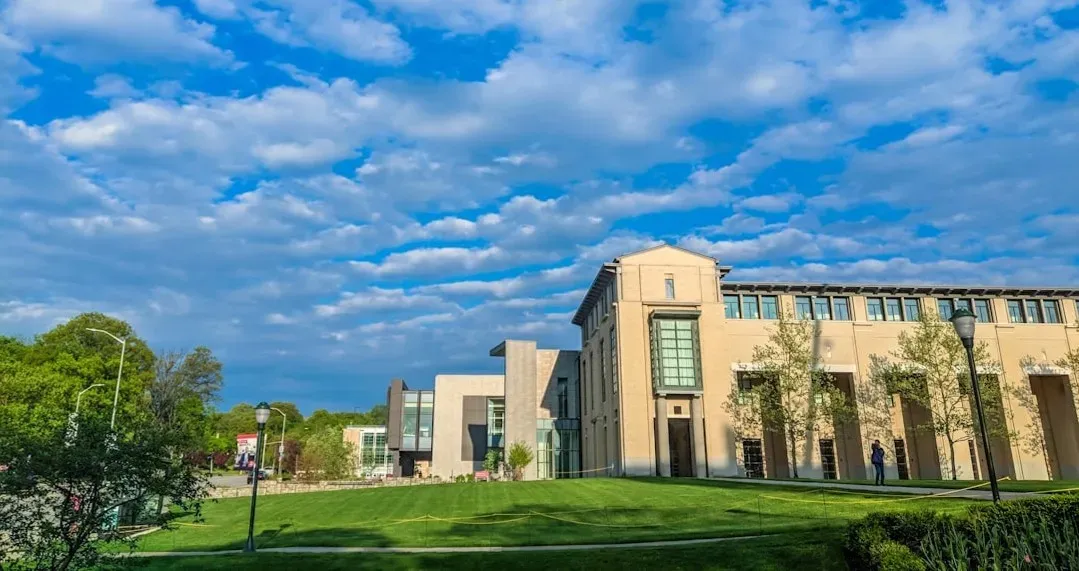
Carnegie Mellon University is a historic leader in AI, with its dedicated School of Computer Science and Robotics Institute. CMU excels in autonomous systems, human-AI interaction, and machine learning theory. Here’s the thing about CMU that often gets overlooked: it is not as loudly celebrated as MIT or Stanford, yet it has been woven into the fabric of AI development for decades in ways that are hard to overstate.
The Swartz Center for Entrepreneurship at Carnegie Mellon helps students conduct research that can lead to products and startups, with demand for people with those skills consistently exceeding supply. The university also leads the ARM Institute, a nonprofit advanced robotics manufacturing organization, whose Department of Defense agreement was extended through 2028 with a five-year renewal option. CMU is one of those places where the future of physical technology – robots, autonomous systems, smart manufacturing – quietly takes shape.
Georgia Tech: Innovation at Scale, and on a Budget

Georgia Institute of Technology ranks second among the most innovative universities in the U.S. according to the U.S. News 2025 Best Colleges rankings, sitting just behind Arizona State and ahead of MIT. That ranking surprises people who still think of Georgia Tech purely as a strong regional engineering school. The institution has worked hard to build something larger than that reputation.
The impact of Georgia Tech’s research extends beyond academia into both the public and private sectors, establishing the institution as a leader in AI and technology education. Georgia Tech’s AI initiatives and extensive collaborations have garnered recognition in major national outlets, and the institution’s contributions are shaping both the future of the AI workforce and broader technological innovation. It is, I think, one of the most underrated players in the modern innovation conversation.
Arizona State University: Reinventing What a University Can Be

For the tenth year in a row, Arizona State University claimed the number one spot in innovation in the U.S. News & World Report “Best Colleges” 2025 rankings. Ten consecutive years. That is not a fluke or a favorable algorithm. ASU has placed first in the peer-nominated category every single year since the “most innovative” category was created by U.S. News, ranking ahead of MIT and Stanford each time.
In early 2024, ASU became the first higher education institution to formally collaborate with OpenAI, launching an AI Innovation Challenge in which more than 500 project proposals were submitted across the university. Over 200 of those projects are now underway, including tools to improve healthcare workers’ interviewing skills and applications to enhance student writing. What ASU has done is essentially prove that scale and access do not have to come at the expense of innovation – a genuinely important lesson for higher education globally.
UC Berkeley: The Public University That Punches Far Above Its Weight
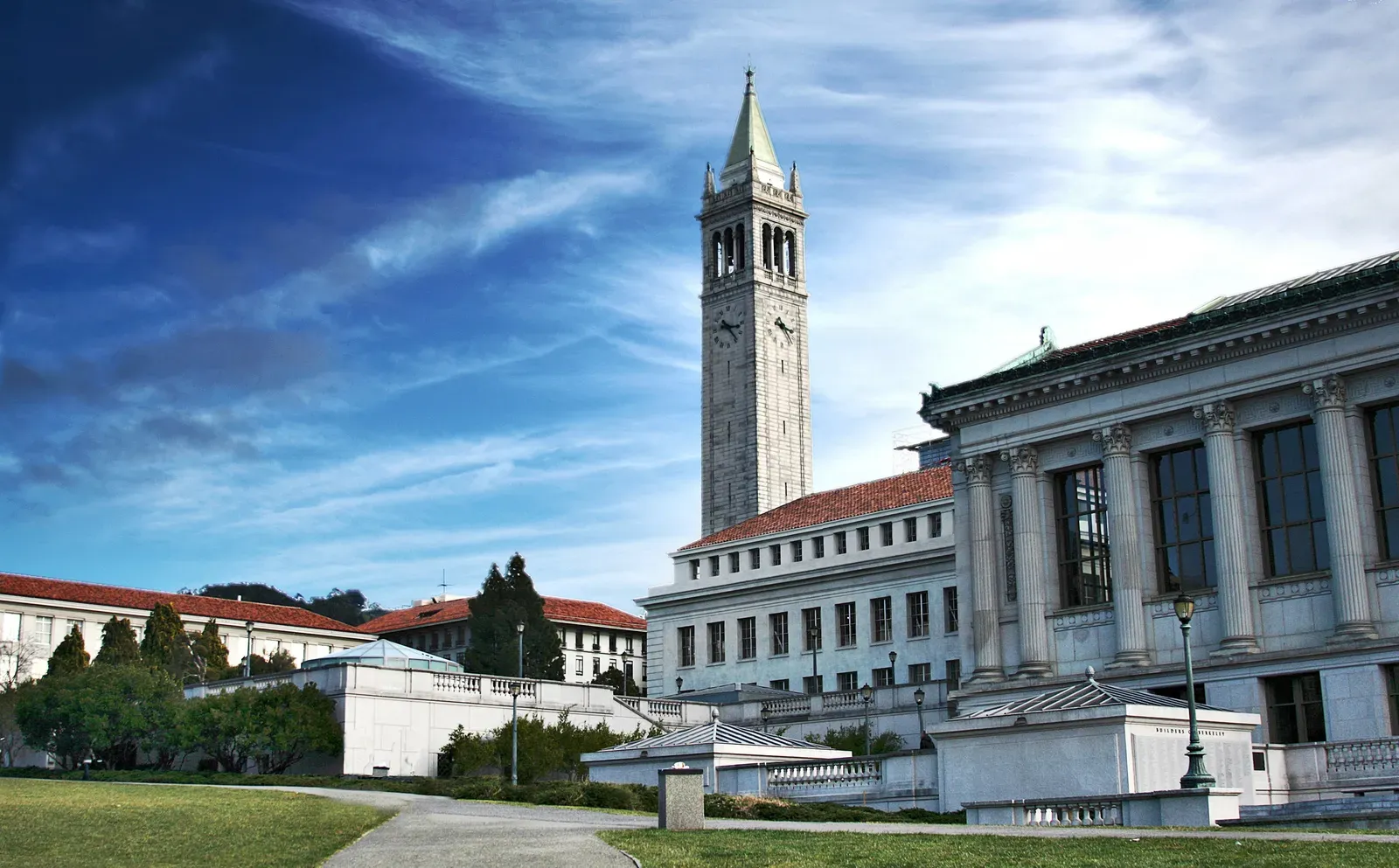
Research analyzing the leading universities in Silicon Valley identifies UC Berkeley, Stanford, and UC San Francisco as institutions that have evolved in tandem with the ecosystem, adapting to new demands and, in turn, shaping Silicon Valley’s very development. Berkeley’s position is interesting because it achieved this as a public institution, without the same endowment advantages that private peers enjoy.
Among public universities, UC Berkeley has been the strongest performer by far in producing founders of venture-backed companies. The seamless integration of universities and industry enables the rapid commercialization of cutting-edge research, and institutions like UC Berkeley serve as critical talent pipelines supplying Silicon Valley with a steady influx of highly skilled professionals. There is something genuinely inspiring about a publicly funded university sitting right at the center of one of the most commercially productive ecosystems ever assembled.
ETH Zurich: Europe’s Best Answer to the American Giants

Times Higher Education’s 2026 Computer Science rankings, which heavily weigh AI and machine learning components, crown the University of Oxford as the global leader, with strong showings from Cambridge, ETH Zurich, and U.S. powerhouses. ETH Zurich is Europe’s most consistent challenger to American dominance in technology and engineering research. It has a reputation for deep scientific rigor that is almost Swiss in its precision – which, fittingly, it is.
U.S. institutions continue to dominate innovation rankings due to funding, industry proximity, and historical leadership, but Asian and European universities are closing the gap rapidly through targeted investments and talent attraction. ETH Zurich is perhaps the clearest example of this trend. It regularly produces research with major commercial applications, particularly in materials science, quantum computing, and robotics, and its alumni network extends across the world’s most consequential tech companies.
The University of California System: Innovation at Systemic Scale

In 2024, the University of California system led all academic institutions in U.S. patent filings, securing 1,441 patents, and has maintained its position as the largest user of the Patent Cooperation Treaty system since 1993, publishing 519 PCT applications in 2024 alone. Think of the UC system less like a single university and more like a distributed innovation machine with campuses acting as specialized nodes. It is probably the most productive public research infrastructure on earth.
Clarivate’s 2025 report, which analyzes the critical role of research in shaping global industrial innovation using data from academic research and patent citations, highlights how knowledge flows between academia and industry – underscoring the global nature of innovation. The study identifies top universities based on citations from patents granted to the world’s leading global innovators in 2024. The UC system performs exceptionally well under that methodology, reflecting the sheer volume and commercial relevance of its research output across medicine, engineering, computer science, and environmental technology.
What Actually Sets These Universities Apart

Here is the honest answer, and it is probably not what you expect: it is not just the smartest students or the biggest budgets. Universities play a unique role in ecosystems of innovation by interacting with other agents – industry, government, investors – developing their functions in relation to each other rather than in isolation. The universities that shaped modern innovation are the ones that understood this interdependence early and built structures around it deliberately.
A close examination of how leading innovation universities evolved reveals an increased attention to entrepreneurship education, an intensified activity of technology transfer offices, and critically, increased interactions between universities and investors including venture capital funds and corporate partners. With AI projected to add trillions to the global economy, graduates from top innovation universities command strong career prospects, and these institutions often partner directly with companies such as Google, OpenAI, NVIDIA, Microsoft, and DeepMind. It is a self-reinforcing loop – and the universities that built that loop first are the ones that still sit at the center of the world’s most important technological breakthroughs today.
What is most striking is that the gap between these institutions and everyone else is not really about prestige anymore. It is about ecosystems, culture, and the willingness to build structures that turn academic ideas into real-world impact. Which of these universities surprised you most? Drop your thoughts in the comments.