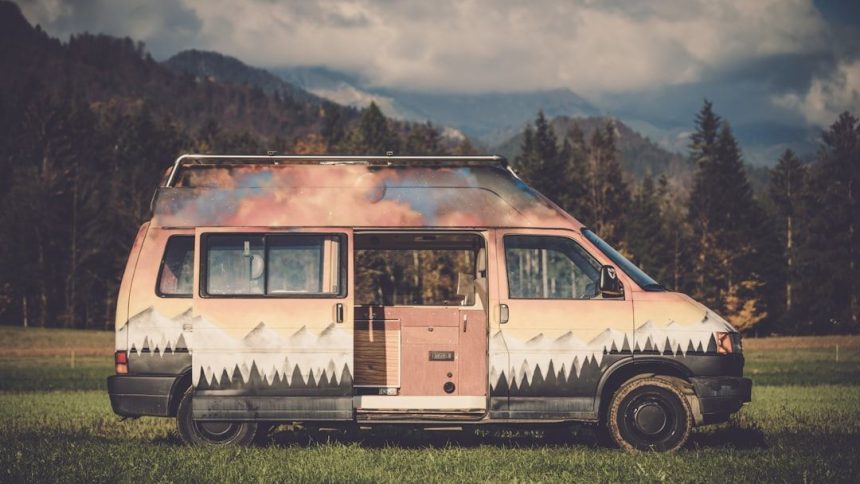
It started with a single hashtag. A handful of free-spirited wanderers parked their converted Sprinter vans beside mountain streams, shot golden-hour photos, and posted them to Instagram. Within a few years, #vanlife had ballooned into a full-blown cultural phenomenon – millions of followers, thousands of YouTube channels, and a generation convinced that swapping their apartment keys for a steering wheel was the ultimate path to freedom. Honestly, it was intoxicating to watch.
But something shifted. The sunsets started looking the same. The Wi-Fi cut out at the worst moments. The van broke down somewhere outside of nowhere, and the repair bill was more painful than any rent check. So what actually happens when the dream collides with reality? Let’s dive in.
The Pandemic-Fueled Boom That Planted the Seeds of Its Own Decline


Though vacationing in mobile dwellings has been around since the Victorian era, living in a van soared in popularity during the COVID-19 pandemic with the viral #vanlife trend on social media. People were untethered from offices, rents were crushing young budgets, and the road seemed to offer everything the locked-down world could not. The VanLife trend, which saw its community swell to 3.1 million participants by 2022, originally gained momentum during the pandemic.
The numbers climbed fast. New research conducted by Motointegrator and the data experts at DataPulse Research suggests that many people who signed on to vanlife at the height of the pandemic are now putting it in their rearview mirror. Sales of RVs, a good proxy for all kinds of camping vehicles including custom retrofitted vans, have not only cooled off but have fallen below pre-pandemic levels, based on an analysis of sales data.
The mad rush to join the vanlife community was over, new blood was not coming into the vanlife community as quickly, and there was attrition among the vanlifers who had given it a shot. By 2024, the share of relatively new campers had dropped to just 16%, levels that were typical before the pandemic hit. In other words, the wave crested. Now it is receding.
The Instagram Illusion: What Algorithms Sold You That Life Couldn’t Deliver


Here’s the thing about #vanlife content – it is almost entirely fictional. Not literally made up, but curated to a degree that might as well be. Perfection-driven vanlife content creates largely unrealistic expectations for new travelers, with algorithms favoring highlight reels over authentic daily struggles. In reality, vanlife can be peppered with daily challenges that require intense problem-solving and frustration.
Scrolling through Instagram, it’s easy to romanticize the #VanLife movement. Curated photos of boho-chic vans parked in front of mountain vistas or oceanside cliffs make it seem like the ultimate dream lifestyle: freedom, nature, minimalism, and escape from the 9-to-5 grind. But behind every picture-perfect sunset shot lies a reality that rarely makes it into your feed.
Think of it like a travel brochure taken to the extreme. Nobody photographs the gas station parking lot at 1am because they couldn’t find a safe place to sleep. Nobody posts the condensation-soaked sleeping bag, the backed-up portable toilet, or the engine light blinking on a deserted highway.
The Return-to-Office Wave Killed Remote Van Life Logistics


One of the biggest structural pillars holding van life together was the promise of permanent remote work. When employers began demanding people return to physical offices, that pillar crumbled. As workplaces reopened and employers implemented return-to-office mandates, workers increasingly were required to be in-person, making the logistics of van life unsustainable. As of 2025, roughly seven in ten employers have formal return-to-office policies, and only about one in fourteen companies allow fully remote roles.
The causes of this decline are due to negative press about the safety of van life, restrictions on parking, and the end of remote work for many in the U.S. For a lifestyle built on the assumption of location independence, the collapse of widespread remote work was essentially a structural earthquake.
As of 2024, roughly one in five Americans works remotely, and the rise of remote work gives individuals more flexibility in where they choose to live. That’s still a significant number, but it represents a dramatic narrowing from the peak pandemic era when office buildings sat completely empty. For those who lost remote work options, the van parked outside a city they can no longer legally work from became nothing more than an expensive storage unit on wheels.
The True Cost of Van Life Will Genuinely Shock You

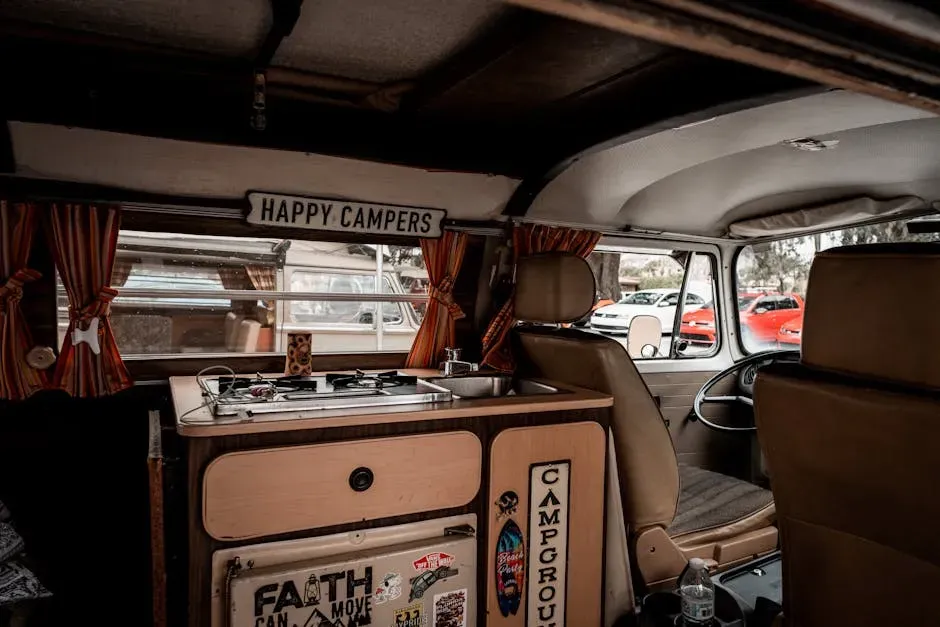
Let’s be real about the money side of this. Van life was sold as a budget revolution. A way to dodge punishing rents and live for almost nothing. The allure of van life – freedom on the open road, picturesque views, and a minimalist lifestyle – has captivated many. Social media often paints it as a cost-saving alternative to traditional living. However, beneath the surface, van life can harbor unexpected expenses that rival or even exceed conventional living costs.
A used van might cost between $10,000 to $50,000, depending on make, model, and condition. Converting it into a livable space adds to the expense, with DIY conversions ranging from $5,000 to $20,000, while professional conversions can soar to $100,000 or more. That’s your apartment deposit times ten, before you’ve moved an inch.
Van life costs can range from $800 to $2,000 per month, depending on your lifestyle choices and travel habits. Add fuel – the average cost of fuel for a gasoline Ford Transit van, averaging around 14.5 miles per gallon, works out to roughly $459 per month or over $5,500 per year – and you quickly realize this lifestyle is not as cheap as the Instagram accounts implied.
Burnout Is Real, and It Hits Faster Than Anyone Warns You

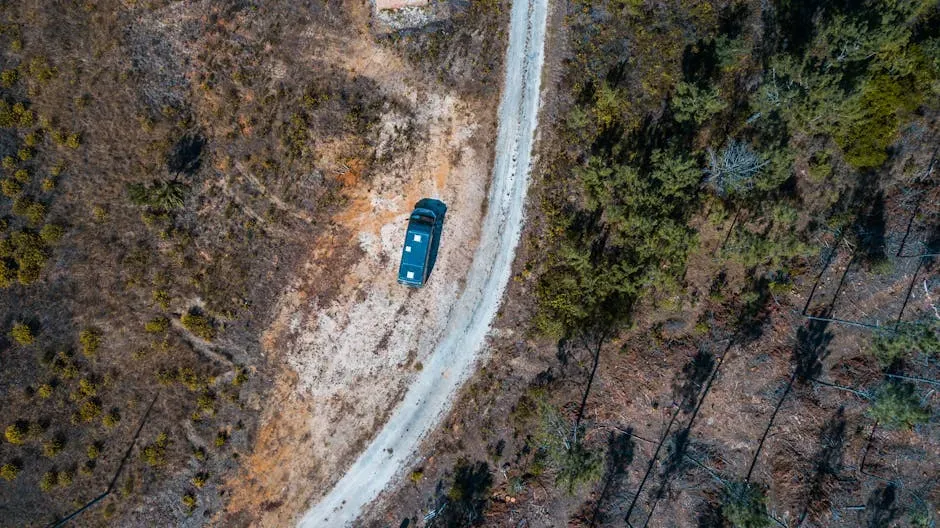
Constant travel sounds exciting, but it can also be exhausting. Planning where to go next, finding places to park, and dealing with unexpected detours can become a grind. Over time, the allure of the open road can start to feel like a never-ending to-do list. Constant moving and the lack of routine can lead to decision fatigue and burnout.
Think of it this way. Imagine having to consciously decide where to sleep every single night of your life. No default. No autopilot. No familiar pillow. That mental overhead compounds over weeks and months until a seemingly simple task like finding a parking spot feels like navigating a geopolitical conflict.
Vanlife burnout is real. If you feel overwhelmed and consistently frustrated with the logistical challenges, it’s simply the reality of vanlife and its incongruence with what you’ve seen posted on Instagram. Acknowledging that is not failure. It’s just honesty.
Partner offer

Loneliness and Isolation: The Hidden Emotional Tax
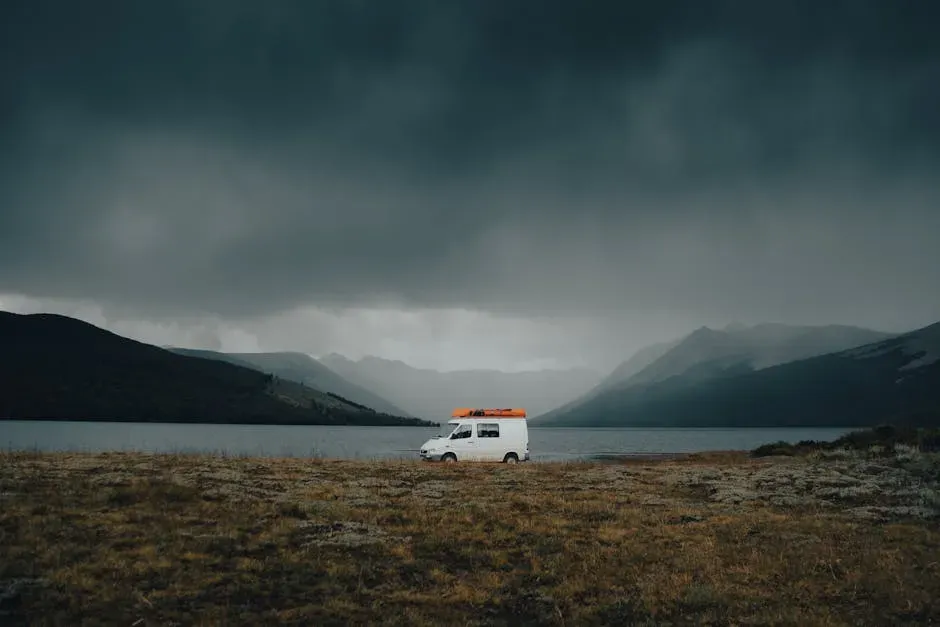
Van life can get lonely, especially if you’re traveling solo or as a couple without a larger community. While the idea of solitude sounds appealing, the reality of long stretches without face-to-face interaction can wear on you. The nature of van life means you’re often on the move, making it hard to build and maintain friendships.
Even socializing at campgrounds can feel fleeting. For some, the constant goodbyes and lack of deeper connections become a significant downside and a reason why vanlifers quit this lifestyle. Human beings are wired for belonging, for repeated interactions with the same people in the same places. Nomadic life, by design, strips that away.
It’s hard to say for sure how much loneliness contributed to the overall exit rate from van life, but the anecdotal evidence across Reddit forums and YouTube comment sections is overwhelming. “I thought I needed to be alone with nature,” one common refrain goes. “Turns out I needed my friends.”
Cities Are Cracking Down: Parking Laws Are Getting Tighter


Cities have tightened restrictions on overnight parking to discourage camping. St. Petersburg, Florida, for example, passed an ordinance in 2024 that only allows camper vans to park for four hours on weekdays. That kind of legislation is spreading fast, squeezing the practical viability of urban van life almost out of existence.
Roughly seven in ten van lifers say finding free and legal parking is their biggest challenge. Apps like Park4Night have made this easier, however with the rise in popularity of van life, quality spots are becoming harder to find. Cities that once tolerated overnight dwellers in vans are now actively writing ordinances to push them out, partly due to housing policy tensions and partly due to complaints from residents and businesses.
For someone who chose van life specifically to live in or near urban areas – for work, for access to culture, for proximity to a social network – a four-hour parking restriction essentially makes the entire lifestyle untenable overnight.
Safety Concerns That Nobody Wanted to Talk About


The darker side of van life received mainstream attention in 2021 following the disappearance of travel influencer Gabby Petito. Perceptions of an idyllic van life were shattered by reporting on the death of Gabby Petito, a 22-year-old travel influencer who was documenting a cross-country trip in a converted van when she was murdered by her fiancé, Brian Laundrie. Her disappearance in 2021 and the subsequent discovery of her remains in Wyoming sparked widespread media coverage and spurred scrutiny of van life, particularly emphasizing the dangers of long-term remote travel for women.
There’s also a layer of privilege and safety rarely addressed. Van life feels freeing when you’re able-bodied, white, and male – but not everyone can park in remote areas without fear. Women, people of color, and LGBTQ+ van-lifers face very different realities on the road, especially when sleeping in unfamiliar or unsafe locations.
I think this is the conversation the van life community was reluctant to have for years. The aesthetics of freedom don’t apply equally to everyone, and the risks are not distributed equally either.
The Rise of Co-Living and Affordable Apartments as the Real Alternative


Here’s something fascinating that quietly happened while everyone was romanticizing van conversions. A new, more sustainable model of flexible living was gaining serious momentum. The co-living market was sized at roughly $8 billion in 2024 and is expected to double by 2030, with some estimates projecting even faster growth.
In the UK alone, the co-living sector saw 9,000 units submitted for planning in 2024, up nearly nine in ten compared to 2023. That’s not a niche. That’s a structural shift in how young people want to live. Co-living offers something van life promised but struggled to deliver: community, flexibility, and reduced cost, without the engine light anxiety.
Younger generations are holding off from buying homes in popular suburbs. Instead, they are choosing to rent condos and apartments in mid-sized, walkable cities like Charlotte and Boise, which offer a high quality of life similar to San Diego and Seattle, for a fraction of the cost. The nomadic itch is being scratched. Just from a fixed address this time.
What Van Life Actually Taught Us About the Way We Want to Live

Whatever you think about the decline of van life, it would be a mistake to dismiss the whole movement as simply a failed fad. Roughly nine in ten van lifers say they chose this lifestyle for the freedom to travel, and around two-thirds said they were tired of paying high rent or mortgages. Those are real, legitimate grievances that did not disappear when people moved back to apartments.
Nomadic life isn’t a fix for any of this, but it manages to promise two things at once: a way to keep costs down for people facing grim economic prospects and a sense of total control in the face of an increasingly chaotic present. The appeal was never irrational. The execution was just harder than a well-lit Instagram Reel could convey.
In 2025, the digital nomad lifestyle continues to diversify and mature, with two standout trends shaping the community: the rise of “Slowmads” and the enduring popularity of the VanLife movement. These approaches gained significant traction in 2023 and 2024 and show no signs of completely disappearing. The movement is not dead. It has just grown up, shed its most naive assumptions, and made room for the messy truth.
The real legacy of van life may not be the vans at all. It may be the collective realization that conventional life deserved to be questioned – just perhaps not dismantled and replaced with a 70-square-foot vehicle without a working shower. What would you trade your apartment keys for, knowing everything you know now?
Partner offer
Planning a trip to Vegas?
Compare hotel rates and show tickets on VEGAS.com.