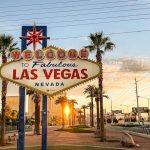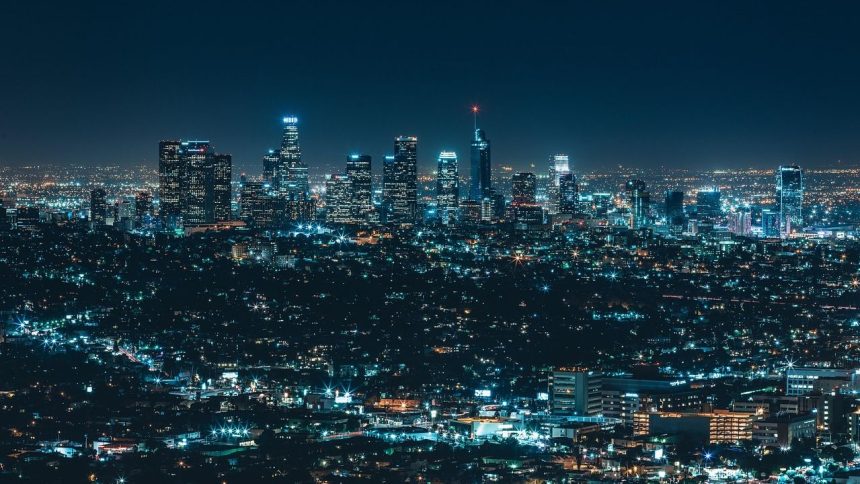
Most people hear “Las Vegas” and picture the Strip: the casinos, the stadium concerts, the endless neon. That version of the city is very much still alive. However, a separate identity has been taking shape a few miles north, and it’s been building momentum with the kind of slow, organic energy that tends to produce something real. Downtown Las Vegas has spent years accumulating creative institutions, residential density, independent venues, and public art. In 2025 and 2026, that accumulation has started to look less like a trend and more like a genuine urban shift.
The 18b Arts District: A 18-Block Idea That Kept Growing

The 18b Arts District was created in 1998 as an 18-block zone set aside to encourage art and artists, and it has since expanded well beyond those original boundaries. The idea started quietly, driven by local creatives who believed downtown Las Vegas could hold something more than tourist infrastructure.
Known today for its eclectic mix of art galleries, vintage shops, breweries, restaurants, and performance spaces, the district is a thriving destination for locals and visitors alike. It’s home to First Friday, a monthly arts festival that showcases local artists, musicians, and food vendors. That monthly gathering has become a reliable barometer of the neighborhood’s health.
The Arts District has undergone a significant renaissance, transforming from a niche creative enclave into a sprawling cultural and commercial hub that attracts artists, entrepreneurs, and visitors from around the world. Over the past decade, dozens of galleries, studios, and artisan shops have sprung up in the area.
First Friday: The Heartbeat of the Scene

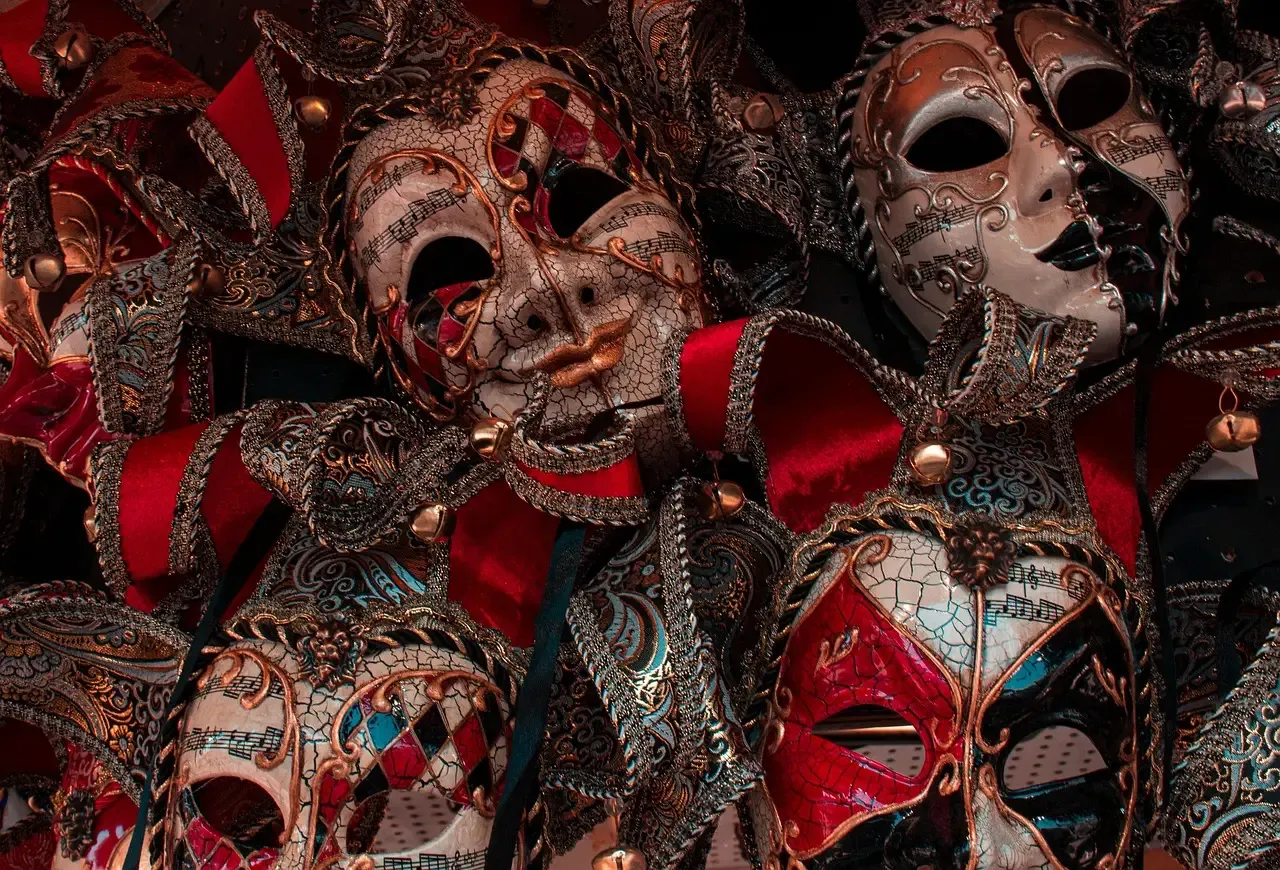
A First Friday event was launched in 2002 to promote the new district, and the event proved to be a success, eventually helping to transform the area. What started as a modest arts walk has grown into a monthly cultural institution that draws a genuinely diverse crowd.
The Arts District hosts First Friday on the first Friday of every month from 5pm to 11pm. It features an eclectic group of artists as well as entertainers of all types, including local bands, theatrical and performance artists, food trucks, and food vendors.
This long-standing monthly festival invites around 15,000 visitors to one big district-wide block party, revolving around food, drink, live music, visual performances, and artists showing off their creations. For a city that once measured cultural output in showroom headliners, that number carries real weight.
A Museum That Changes the Whole Equation

In December 2025, the Las Vegas Museum of Art released new details of its 60,000-square-foot building, to be designed by Pritzker Prize-winning architect Francis Kéré and built in downtown Symphony Park. Designed as a gathering place for community, LVMA will be the city’s first freestanding art museum, serving more than 2.4 million year-round Las Vegas residents and tens of millions of visitors.
In fall 2024, the City of Las Vegas granted LVMA two acres of land in Symphony Park, in the heart of downtown, as part of a public-private partnership. Land grants of that kind signal official, long-term commitment from the city itself.
It is estimated that construction of LVMA will generate $191 million in economic activity for Las Vegas, including $80 million in wages, and the estimated economic impact of the museum once it is open will be $181.5 million annually. Those numbers matter, but so does the symbolic weight of Las Vegas finally having a standalone art museum.
Symphony Park: The Cultural Anchor Getting Bigger

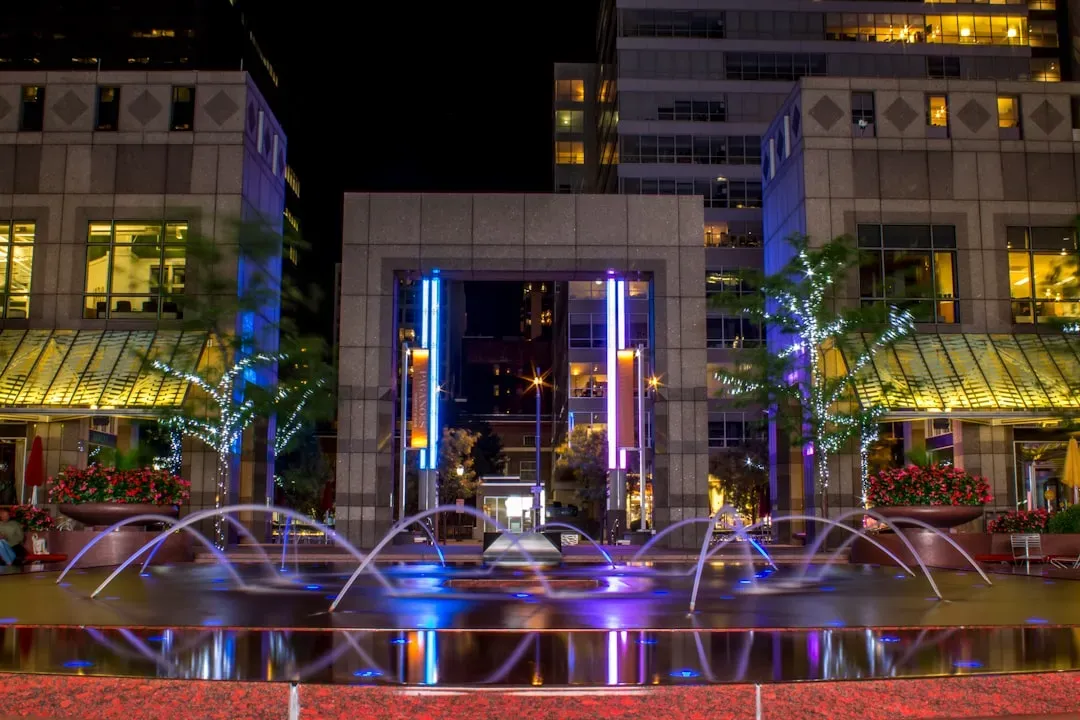
Symphony Park is a 61-acre site located in downtown Las Vegas. Once housing a Union Pacific rail yard, it is being master-developed for mixed-use by the city of Las Vegas. It is already home to the Cleveland Clinic Lou Ruvo Center for Brain Health, the Smith Center for the Performing Arts, and the Discovery Children’s Museum.
The Smith Center for the Performing Arts offers a blend of performances including dance, music, and Broadway shows. It is home to resident companies Nevada Ballet Theater and the Las Vegas Philharmonic Orchestra. These are not pop-up cultural programs. They’re permanent institutions.
Symphony Park is the only project in the state of Nevada to be accepted into a national pilot program for green neighborhood developments. It was awarded gold certification under stage 2 of the U.S. Green Building Council’s Leadership in Energy and Environmental Design for Neighborhood Development. That recognition places it alongside some of the most thoughtfully planned urban zones in the country.
Luxury Residential Growth Is Following the Culture

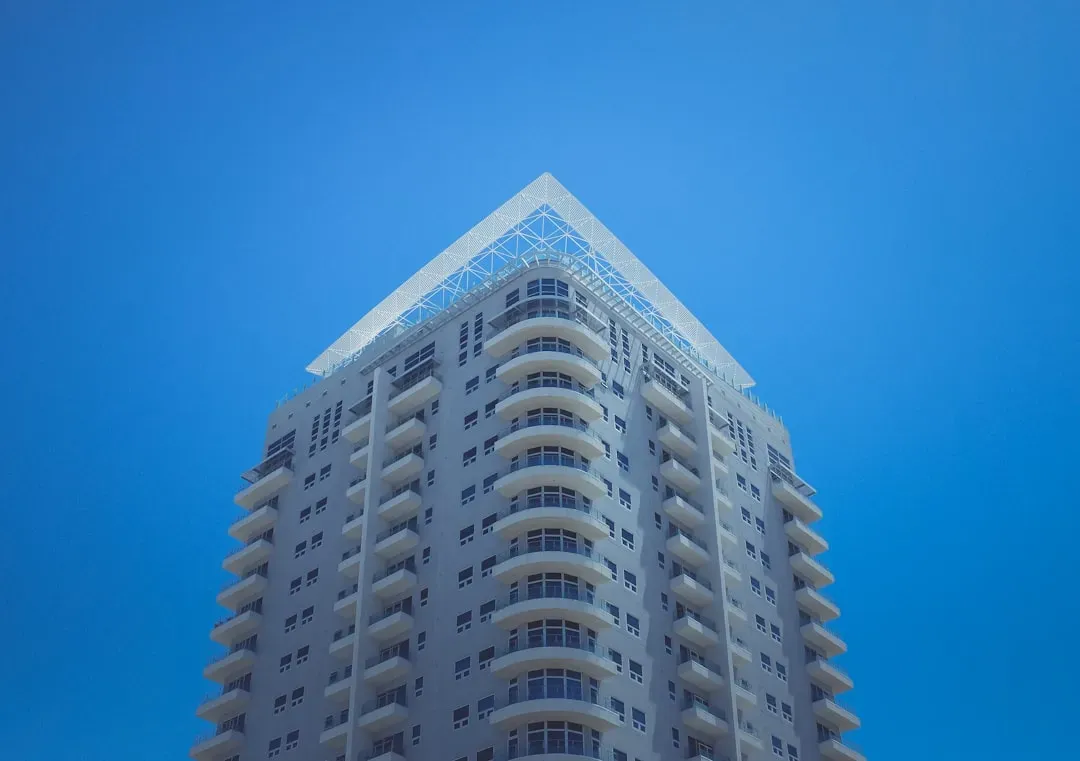
Origin at Symphony Park and Cello Tower, a six-acre development, will combine retail, offices, and the city’s first luxury residential high-rise condominium tower to be built in over 15 years. The fact that luxury residential development is arriving here is not a coincidence.
The mixed-use project known as Origin will occupy six acres and include a 32-story condo building known as Cello Tower, featuring 240 units. Developer Patrick Brennan has previously said the valley has long missed out on having neighborhoods with retail and cultural offerings “that you can actually walk to,” and that demand locally for this style of living is significant.
Symphony Park has seen significant investment in upscale residential projects, catering to professionals and retirees seeking urban living with cultural amenities. Developments such as the Auric Symphony Park apartments offer modern living spaces with easy access to the area’s attractions.
Partner offer

Fremont East: Nightlife That Actually Has a Point of View

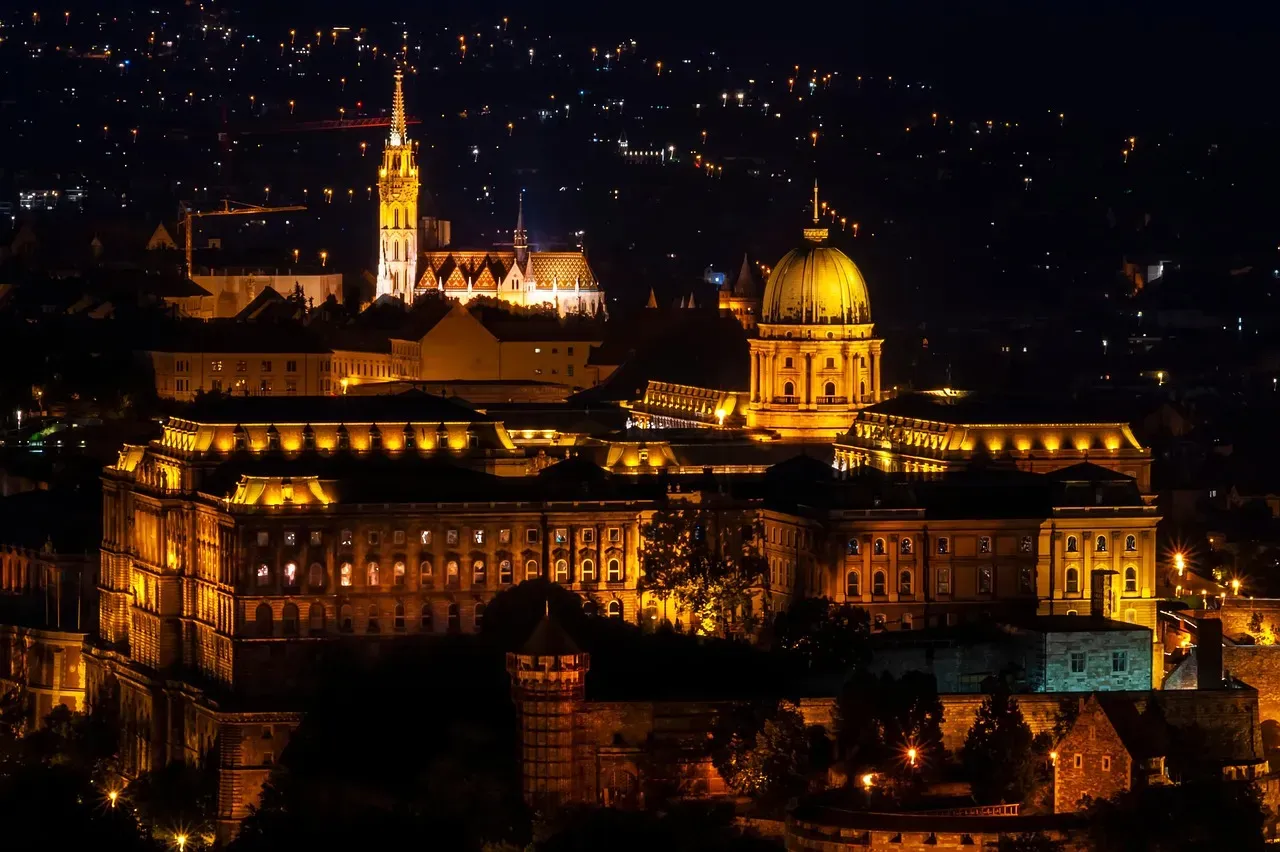
Ten years ago, Fremont East felt like a brief barhop with the same music and scene. It’s now a choose-your-own adventure, and that growth has led to new nightlife neighbors moving in. The area’s transformation is not just cosmetic.
Venues like Lucky Day feature programmable LED light shows, while Discopussy’s tentacled octopus chandelier is a statement piece in its own right. Electric Mushroom brought significant buzz to the block with its neon frontage and playground aesthetic, while Neonopolis’ dance club Substance has established itself with EDC-level bookings and jam-packed reggaeton parties.
The part of town considered downtown Las Vegas, encompassing Fremont Street and Fremont East, the 18b Arts District, Symphony Park, the Gateway District, and surrounding neighborhoods, is experiencing growth so widespread and rapid you can practically see it happening in real time.
The Walls Are the Gallery: Murals and Public Art

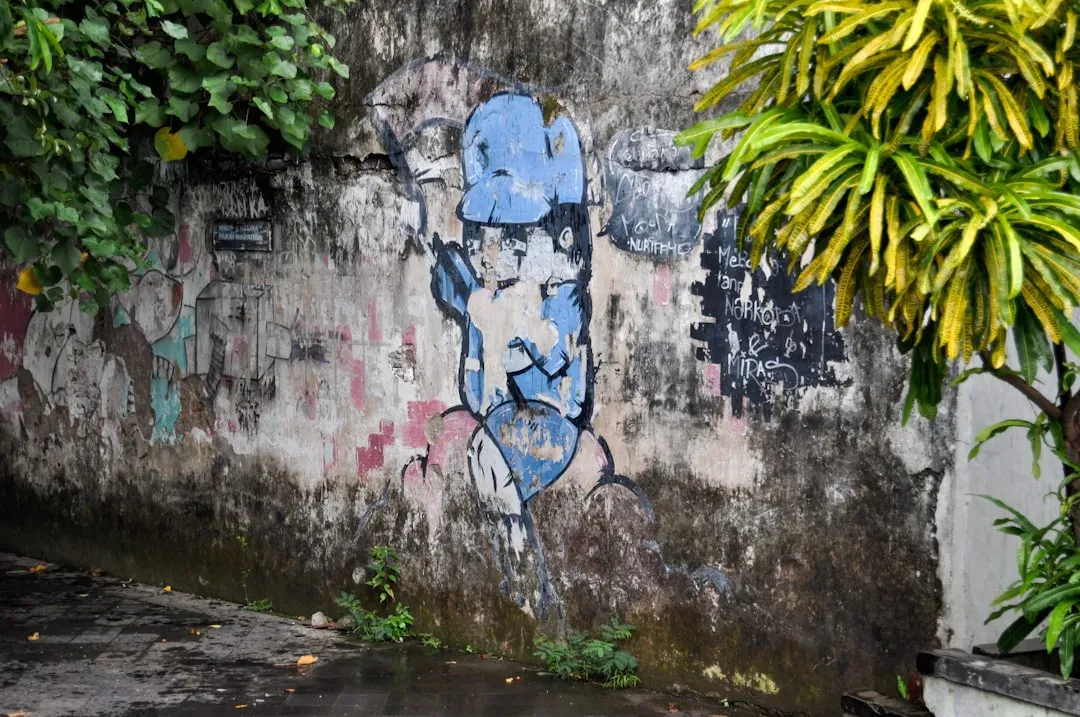
One of the best aspects of the 18b neighborhood is its murals. You don’t need to set foot in a gallery to experience great art, since almost every structure is a living canvas for some kind of painting, from radical graffiti to more elegant illustrative works.
Murals by Shepard Fairey, D*Face, and Faile cover sides of the Plaza, the kind of names that appear in major metropolitan art conversations, not just in tourist brochures. The streets are alive with vibrant murals, creating a dynamic and colorful outdoor gallery that draws art lovers and visitors alike.
Bold murals, towering sculptures, and assertive street art turn just about every block into a revelation, making it essentially an open-air art gallery year-round. That consistency of visual culture across entire city blocks is what separates a genuine arts district from a managed attraction.
Independent Food and Drink: The Unsung Creative Layer

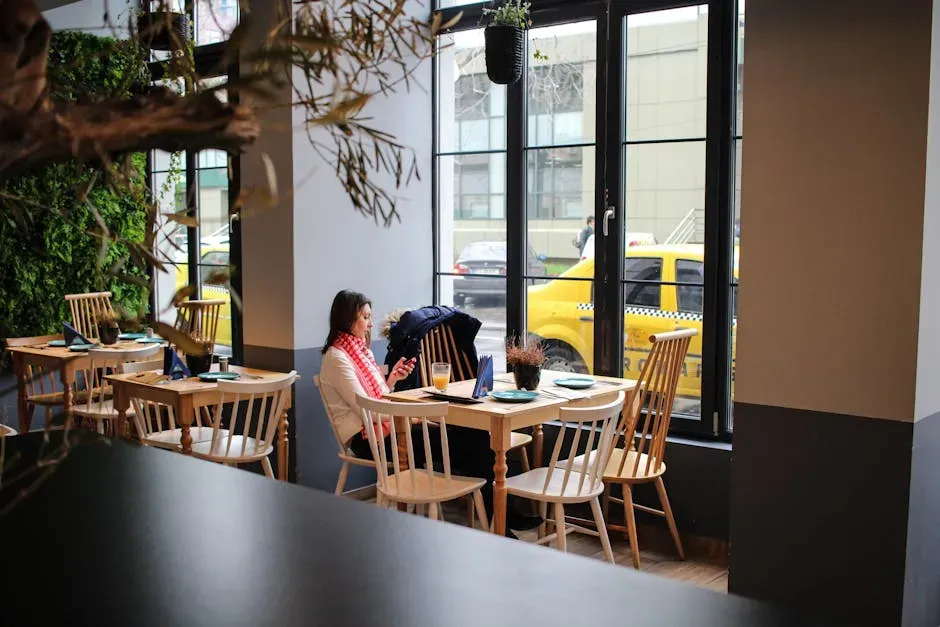
Main Street has become a hotspot for unique dining experiences, featuring everything from craft breweries and food halls to upscale restaurants and cocktail lounges. These aren’t franchise outposts. They tend to be owner-operated, which gives the area a texture that’s hard to replicate artificially.
Esther’s Kitchen, a popular Italian restaurant by chef James Trees, opened in 2018 and six years later moved to a larger location within the district. Chef Wolfgang Puck is also a co-owner of 1228 Main, another restaurant which opened in 2023. The presence of names like Puck is notable, though the real story is the density of independent operators around them.
With endless choices, from street tacos to haute cuisine, artisanal cocktails to siphon coffee, the cuisine scene here is as dynamic as the art. Food culture and arts culture tend to reinforce each other, and downtown Las Vegas is showing exactly how that works in practice.
A New Arts Incubator Signals Institutional Depth

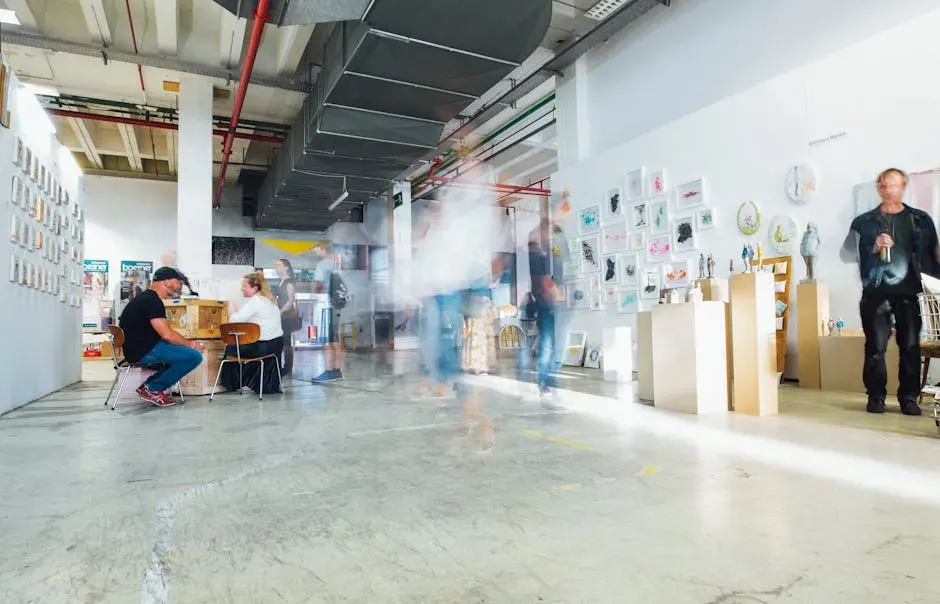
The former Downtown Cinemas space is set to be revitalized over the next three years into a creative campus providing a cultural and economic catalyst for the area. That kind of infrastructure investment, turning a vacant cinema into a working creative campus, is exactly the type of development that sustains an arts district long-term rather than just decorating it.
The 18b neighborhood has blossomed since the early 2000s, emerging as a beloved destination known for its vibrant First Friday block party, an event that transforms the streets into a lively celebration of art, food, and culture on the first Friday of every month. The institutional layer now being added only deepens what community members built from scratch over two decades.
As artists’ studios, galleries, and unique shops pop up alongside existing businesses, the Arts District is evolving into a dynamic hub where creativity and community come together. The incubator model amplifies that further by giving emerging artists and small creative businesses a structured place to develop.
What the ‘Cool Factor’ Shift Actually Means

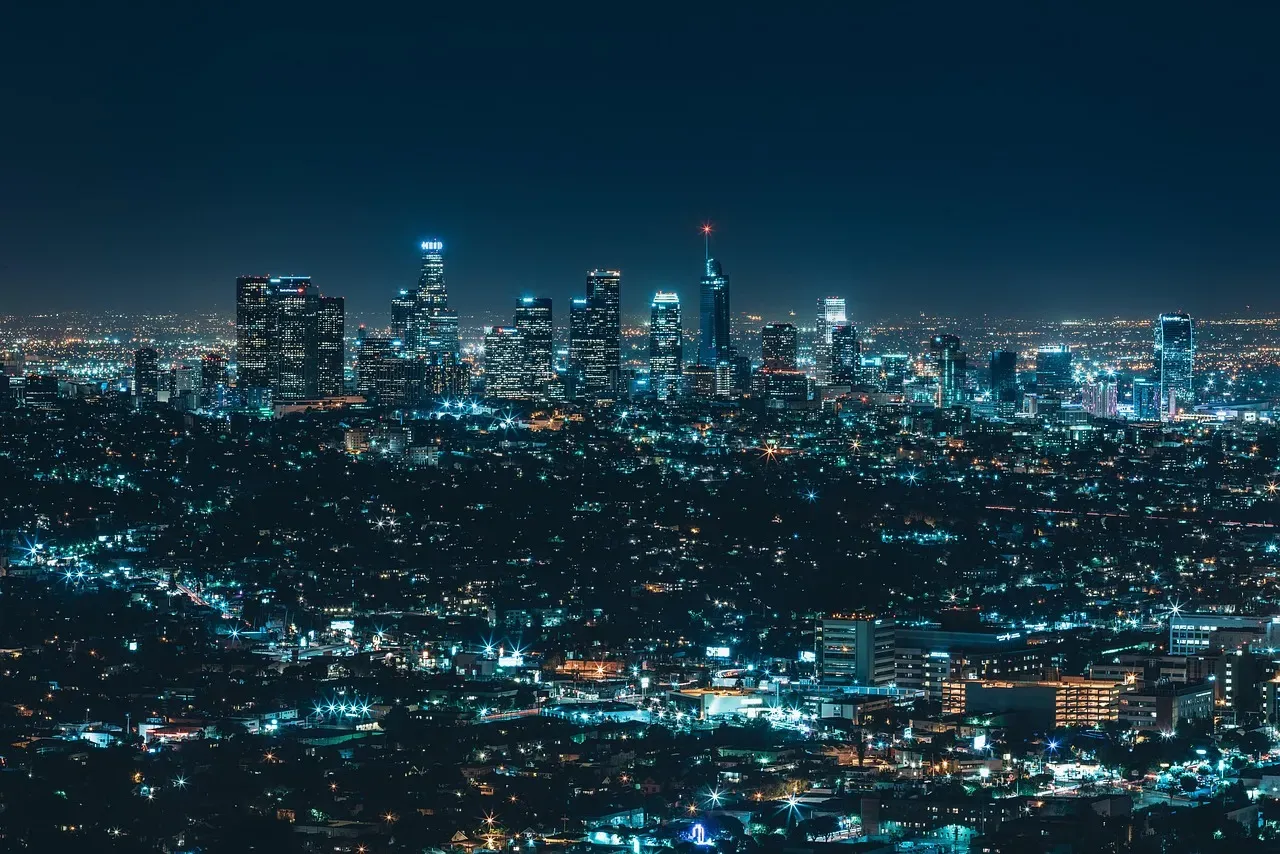
Nightlife, dining, entertainment, and cultural districts are solidifying while downtown’s streets buzz with activity, including driverless vehicles, electric bikes and scooters, and pedestrians. For a city historically defined by car culture and casino floors, pedestrian streets are not a small detail.
The Arts District’s revival demonstrates how thoughtful investments in culture and community can reshape an area. The shift hasn’t happened because of a single development or a single headline. It’s the result of stacking small decisions over time: a gallery here, a mural there, a monthly street party, and then a museum, a high-rise, a creative campus.
With tens of thousands of new residents estimated to be moving to the Las Vegas Valley annually, developments like Midtown in the Arts District are leading the way in creating walkable, urban living spaces. The people moving in aren’t just looking for cheaper rent than Los Angeles. Many of them are drawn specifically to what downtown Las Vegas has become.
The Strip will always be the Strip. It’s a genuinely world-class entertainment machine and it isn’t going anywhere. What’s changed is the existence of a real alternative, one that didn’t have to compete with the Strip so much as quietly build something the Strip was never designed to offer: a neighborhood you can actually belong to.Partner offer
Planning a trip to Vegas?
Compare hotel rates and show tickets on VEGAS.com.