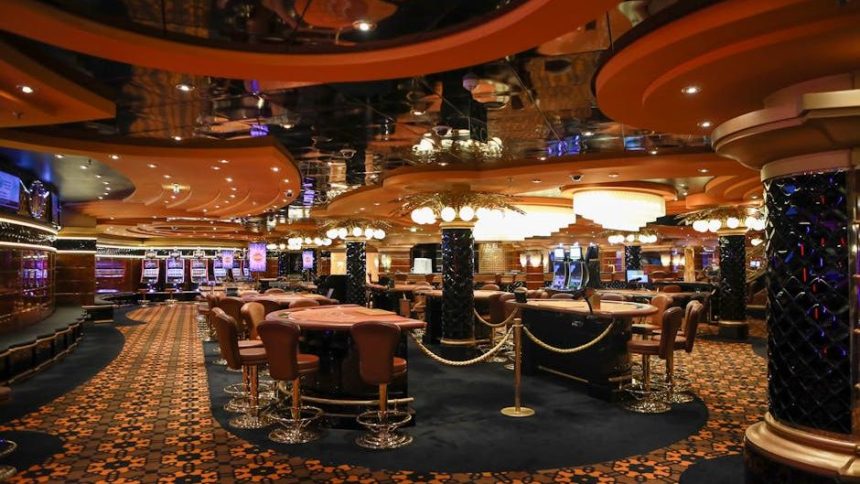
Walk into any casino in the world and you’ll notice something almost immediately, even if you can’t quite name it. There’s no sense of what time it is. No sunlight creeping through curtains, no clock ticking on the wall. The place just exists in a kind of suspended present. That’s not an accident. It’s one of the most studied and deliberately engineered environments in modern behavioral design, and its influence stretches far beyond the casino floor.
What Is Temporal Distortion and Why Does It Matter?

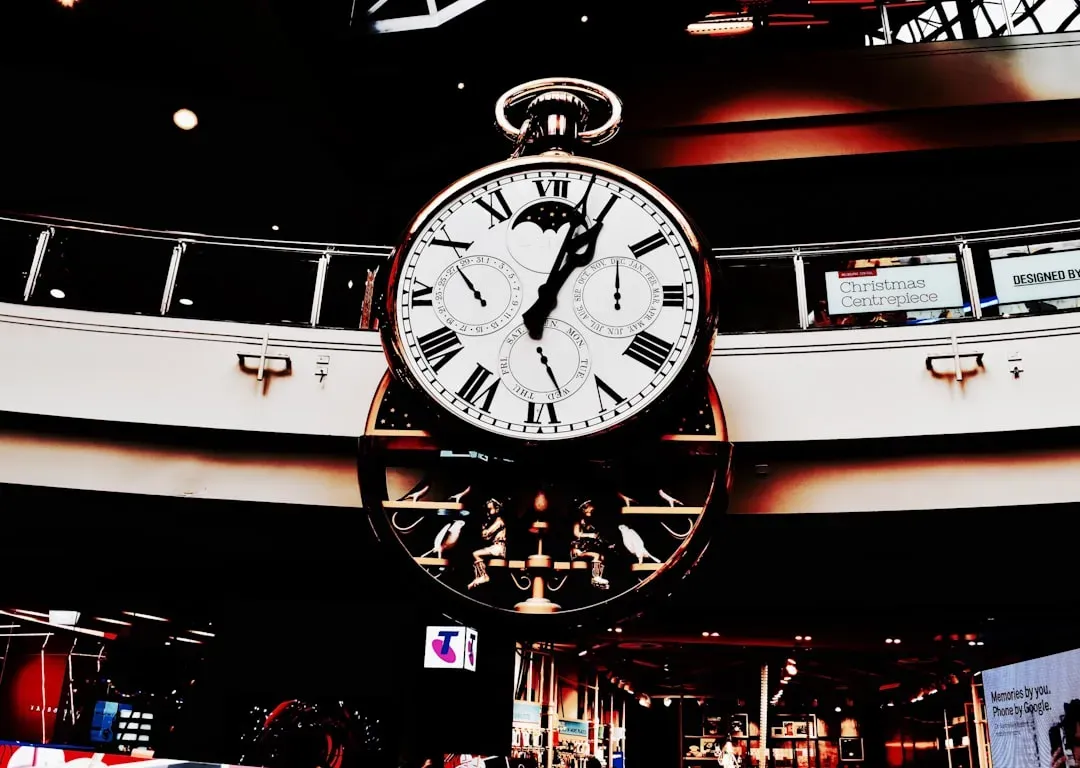
This method leverages a psychological effect known as temporal distortion, where a person’s perception of time is altered due to the absence of natural light and time cues. At its core, temporal distortion is a psychological state where individuals lose track of time, often because of environmental factors.
Casinos use this concept by removing clocks and windows to block all visual indicators of day or night. Without cues like sunlight or ticking clocks, players may sit at a table or slot machine for hours without realizing it. This manipulation of time perception keeps guests engaged longer, which increases the chances they’ll spend more money.
The absence of time cues like clocks or windows leads players to lose track of time – a phenomenon researchers have described and studied in behavioral psychology for decades. What makes it remarkable is that it works even on people who are already aware of it. Even when people know the casino is trying to manipulate their behavior, the immersive environment often works subconsciously.
The Architecture of Engagement: How Casino Design Controls Behavior

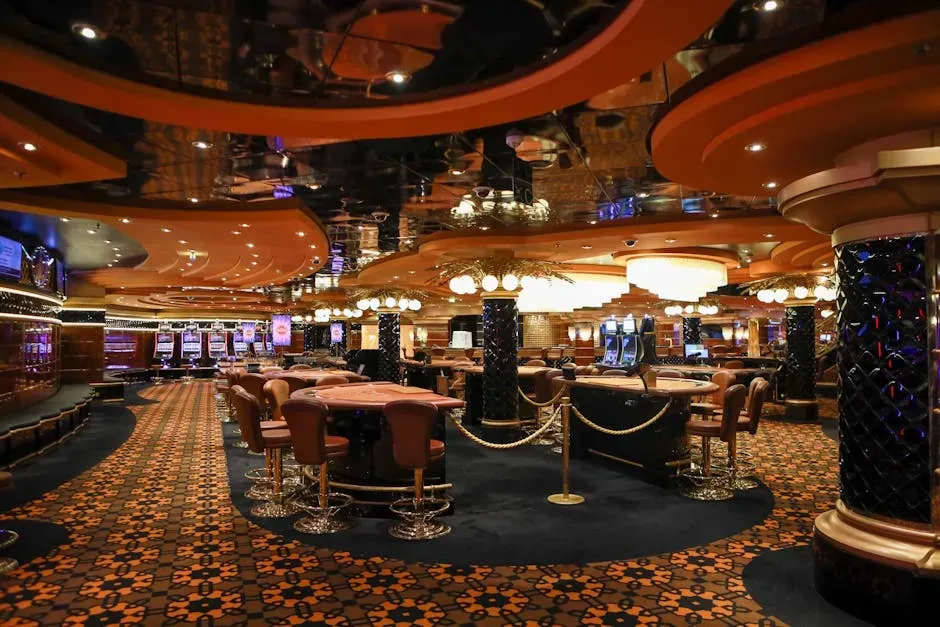
Casinos are masterfully crafted environments that employ a range of psychological strategies and spatial design techniques to influence customer behavior, encouraging them to spend more time and money. Every element, from the carpet pattern to the ceiling height to the placement of restrooms, is considered.
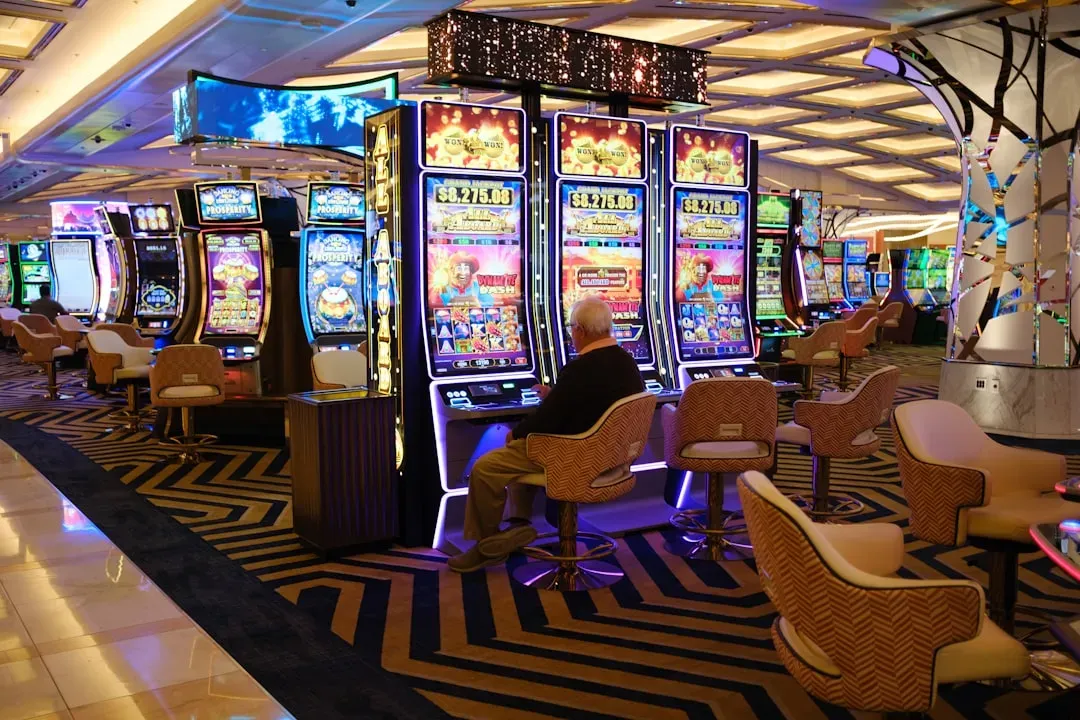
The absence of clocks and natural light creates a timeless environment, allowing players to lose track of time. This temporal distortion keeps customers engaged for longer periods, as they are less likely to leave due to time constraints. Pair that with low lighting that creates intimacy and the absence of clocks that disorients players, while strategic sound design amplifies excitement and the layout encourages exploration and prolonged play.
The layout often starts with simpler, more accessible games near the entrance and gradually transitions to more complex and high-stakes games deeper inside. This progression encourages patrons to spend more time exploring and gradually increase their bets. The physical journey through the space mirrors a psychological one.
The Billion-Dollar Industry Built on Time Blindness

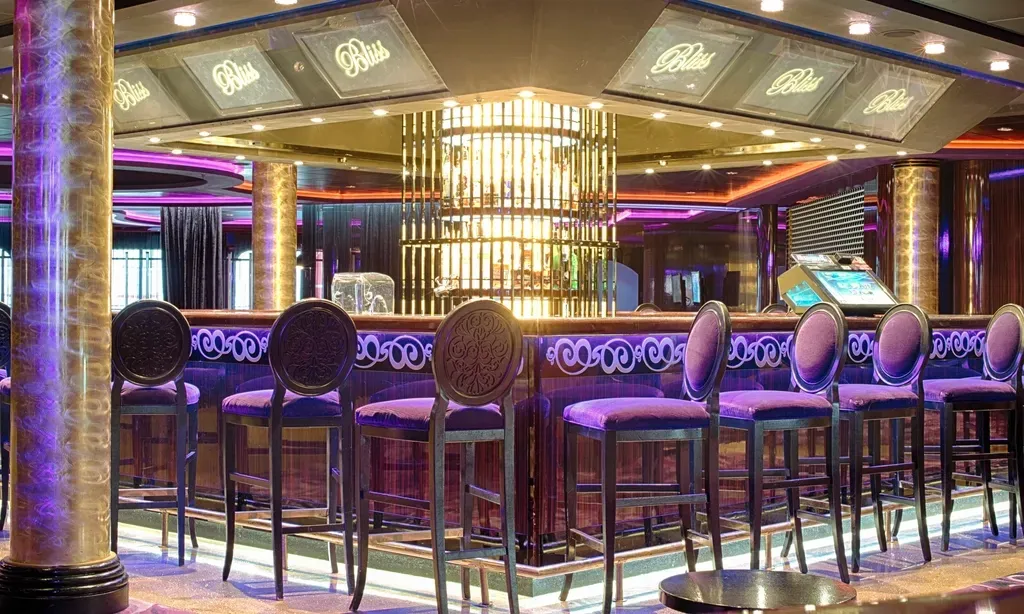
The casino industry is enormous, and its design strategy is a significant part of what keeps it that way. The global gaming market generates over $300 billion annually, and the psychological architecture behind each venue plays a direct role in sustaining those revenues. This isn’t incidental – it’s foundational.
The absence of clocks and windows is a deliberate strategy to ensure players remain unaware of the passage of time. This design choice is part of a broader psychological approach aimed at maximizing player engagement. Research consistently shows that when people cannot track time easily, they’re more likely to make impulsive financial decisions, including increased gambling or spending.
Studies show that when players lose time awareness, they tend to play longer and spend more, often without realizing it. Researchers found that even subtle design choices like autoplay in online gambling can measurably increase how much players spend, without them necessarily noticing. The physical and digital worlds are converging around the same basic principle: remove the clock, extend the session.
How Light Deprivation Disrupts the Brain


Light is a crucial environmental factor that influences various aspects of life, including physiological and psychological processes. While light is well-known for its role in enabling humans and other animals to perceive their surroundings, its influence extends beyond vision. Importantly, light affects our internal timekeeping system, the circadian clock, which regulates daily rhythms of biochemical and physiological processes, ultimately impacting mood and behaviour.
Ample research has shown that light influences our emotions, cognition, and sleep quality. However, little work has examined whether different light exposure-related behaviors, such as daytime exposure to electric light and nighttime usage of gadgets, especially before sleep, influence sleep quality and cognition. What we do know is that in daily life, light exposure influences cognitive performance, with brighter, more stable days linked to better vigilance, memory, and visual search, while recent bright light reduces sleepiness and reaction times.
Minimizing exposure to sensory stimulation like light, particularly during the day, can have negative consequences for both physical and mental health. Daytime bright light exposure is associated with lower odds of several psychiatric conditions, and better self-reported mood and wellbeing. In other words, removing light doesn’t just make you lose track of time – it changes how you feel and how clearly you think.
Malls Borrowed the Playbook


If you’ve visited an IKEA warehouse, you might’ve noticed that there are no working clocks or windows once you’re inside the store. Most malls have limited skylights and few windows. This exclusion of daylight is an old trick borrowed from casino design. The retail world recognized early on that the principles driving casino revenue could be applied just as effectively to shopping environments.
Windows, if any, are darkened to significantly reduce daylight and the possibility of contact with the outside environment. These tactics are often used in shopping malls so that customers stay as long as possible, completely ignoring the period spent shopping. The result is a retail environment that feels almost frictionless – and exits feel surprisingly far away.
Traditional malls rely heavily on artificial lighting and air conditioning, even though they often have a central open space that lets in some natural light. That central atrium is often as much about creating an illusion of openness as it is about bringing in actual daylight. The surrounding retail corridors, by contrast, are carefully controlled. Interestingly, natural light and fresh air can create a more inviting atmosphere, improve mood, and make people feel more relaxed while they browse the shops – which is why some newer mall redesigns are now moving toward biophilic elements as a different kind of retention strategy.
Impulsive Spending and the Time-Awareness Connection


When people can’t track time, their financial decision-making changes in predictable ways. Research in behavioral psychology consistently shows that people in environments without visible time cues tend to underestimate how long they’ve been engaged by significant margins, sometimes by nearly half the actual time elapsed. That gap between perceived and actual duration has real financial consequences.
One theory, known as the “mind after midnight” hypothesis, suggests that neurological and physiological changes late at night can foster impulsivity, negative mood, impaired judgment and more risk-taking. Casinos have long known that tired, disoriented guests make worse decisions. Casinos are aware that alcohol clouds judgment, so they take advantage of it by serving free alcohol around the clock. Time disorientation and alcohol work in the same direction: they lower the cognitive friction that normally protects people from poor financial choices.
One of the more deceptive psychological traps is the sunk cost fallacy, the idea that you should keep investing in something because you’ve already spent time, money, or effort on it. In gambling, this shows up as the urge to “win it back” or keep playing because you’re already “deep in it.” Without a clock on the wall, there’s nothing to remind you how long you’ve been sitting there, which makes that trap significantly easier to fall into.
The Digital Casino: Apps and Platforms Without Time Cues

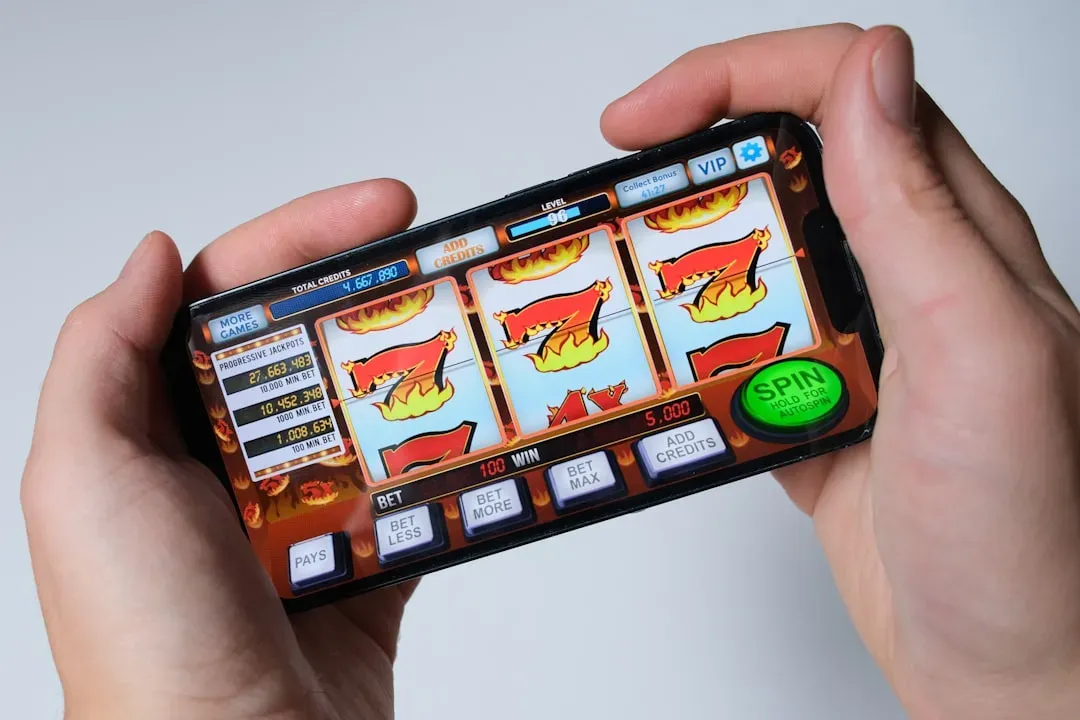
The Vegas Effect didn’t stay in Vegas. Digital platforms have quietly adopted many of the same design principles – removing obvious timestamps, burying indicators of elapsed session time, and building infinite scroll feeds that make pausing feel unnatural. The parallels between a casino floor and a social media platform are closer than most people realize.
Features like autoplay, personalized offers, and near-miss animations aren’t just added flair – they’re tested tools that make logging off feel unnatural. These mechanisms borrow directly from the behavioral principles refined in physical gambling environments. Society’s reliance on smartphones is a growing phenomenon, and misuse or overuse of smartphones has been associated with negative effects on physical health and psychological functioning, including reduced quality of sleep when used before bedtime.
Increasingly, digital users are becoming more aware of how smartphone use impacts their productivity and well-being. Consequently, several digital detox interventions incorporating digital nudges have been introduced to help users reduce their smartphone usage. Digital nudges are freedom-preserving behavior-altering mechanisms that utilize user-interface design. The fact that we now need interventions to help people exit digital spaces says something significant about how effectively those spaces were designed in the first place.
Intermittent Rewards and the Dopamine Loop

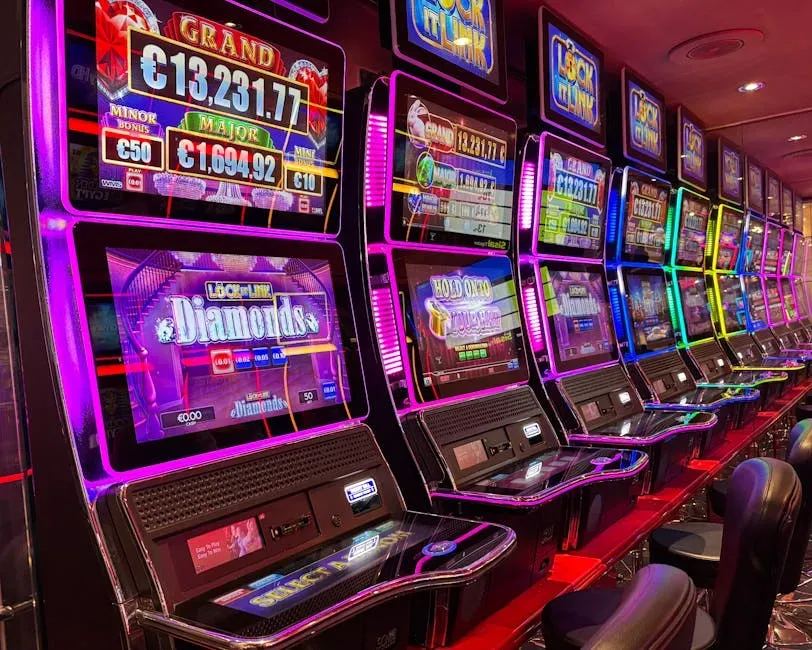
A 2024 study published in Current Opinion in Behavioral Sciences confirmed that intermittent rewards trigger stronger dopamine responses than predictable ones. The brain stays on edge, craving the next hit, especially because you never know when it’s coming. It’s this uncertainty, not the reward itself, that keeps players hooked.
Slot machines and other games often use a variable ratio reward system, where wins are unpredictable. This is one of the most powerful reinforcement schedules, keeping players engaged as they anticipate the next win. What makes this design particularly effective in clockless, windowless environments is that there’s no external reference point to snap a person back to rational thinking. The reward loop runs uninterrupted.
Studies published in Nature Human Behaviour and The Journal of Gambling Studies have explored how mechanisms like intermittent rewards, personalized incentives, and loss aversion create a psychological storm that keeps people clicking long after the fun stops. These aren’t just bells and whistles – they’re subtle, precision-engineered nudges designed to override logic and encourage compulsion. Remove the clock, add the dopamine loop, and the math becomes clear.
Who Else Uses These Tactics?

It’s not just casinos, malls, and social media apps. Hospitals often control lighting in waiting areas to calm anxiety. Airports use design to extend dwell time near retailers. Gyms sometimes remove mirrors strategically to make workouts feel shorter. The core principle – that environmental design shapes perception and behavior – is applied across industries, though rarely as systematically or as profitably as in gambling.
Interior design is a creative activity based in the field of environmental psychology. Psychologists are responsible for analyzing the link between the various kinds of environments and how they can influence the behavior and sensations of a person within them. What started as a casino trick is now a recognized field of applied science. Different industry sectors and new casino buildings use environmental psychology as a commercial hook. Through design, you can reach the subconscious of the consumer.
Many jurisdictions now require casinos to include responsible gambling messages, self-exclusion options, and access to time through mobile apps or wristbands. That regulatory trend signals a growing public awareness – and a broader conversation about how much control over human attention and decision-making should be handed over to architects and product designers.
Can Awareness Actually Protect You?

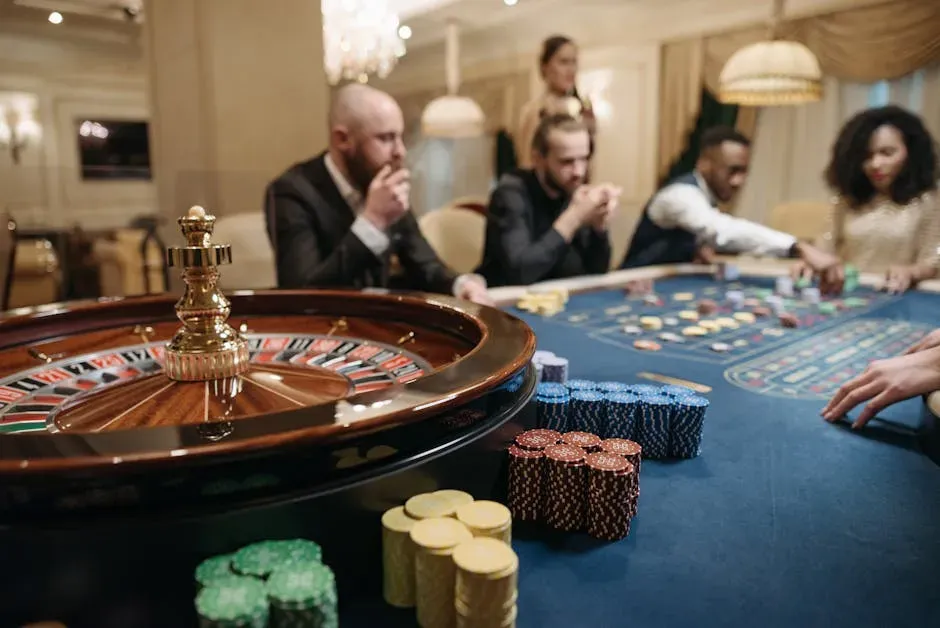
Most people who walk into a casino already know the deal. They know there are no clocks. They know the drinks are free for a reason. They’ve read the articles. Yet the environment still works on them. Yes, many experienced gamblers know this trick. But awareness doesn’t necessarily negate its effect. Even when people know the casino is trying to manipulate their behavior, the immersive environment often works subconsciously.
The same is true online. Most people who open a social media app at 9 p.m. know they should put it down by 10. People are usually willing to reduce their screen use but typically fail to accomplish their goal. Knowing about a design mechanism and successfully resisting it are two very different things, and the gap between them is exactly where behavioral design operates.
Design friction interventions have led to immediate, significant reductions of objectively measured screen time compared with control conditions. Conversely, goal-setting interventions led to smaller and more gradual reductions. The takeaway is almost paradoxical: the best defense against manipulative design is often another layer of design. Changing your environment may be more effective than trying to out-think it.
Conclusion: The Environment You’re In Is Making Decisions for You
The Vegas Effect isn’t really about Vegas. It’s about how the spaces we inhabit shape the choices we make, quietly and continuously. Whether it’s a casino floor in Las Vegas, a big-box retail store, or an app you’ve been scrolling through for two hours, the design of that environment is doing psychological work you’re probably not fully accounting for.
The decision to remove clocks and windows in casinos is a powerful example of how architecture, psychology, and business strategy converge. That convergence is now spreading into virtually every designed space we occupy. The casino pioneered it, but the lesson it teaches is universal: the architecture of a space communicates rules about time, urgency, and value that bypass our rational minds entirely.
The most grounded thing anyone can do is simply pause and ask: how long have I actually been here? Often, just asking the question is enough to reveal how much the answer surprises you.