
You can always tell who lives in Las Vegas and who’s just visiting. It doesn’t take a detective. There’s a certain quiet confidence in the way locals dress, a kind of practical ease that tourists, arriving with their sequined club dresses and fresh sneakers, simply don’t have. And honestly, it makes total sense once you understand the city.
Las Vegas hosted nearly 41 million visitors in recent years, marking a significant rebound from the pandemic era, though it still hasn’t fully reclaimed its pre-pandemic peak of over 42 million annual visitors. With that kind of volume flowing through the city every single year, locals have quietly carved out their own visual identity, a kind of unofficial dress code that separates the residents from the weekend crowd. Think of it like a secret handshake, but worn on the body.
So what exactly is the “Vegas uniform”? Let’s dive in.
1. Breathable Fabrics as a Daily Non-Negotiable


Here’s the thing: most tourists pack what they think Vegas feels like. Locals pack for what Vegas actually is, which is a relentless desert furnace for roughly half the year. Summer temperatures in Las Vegas average highs reaching as high as 105°F, and the climate is marked by very low humidity and little rainfall. That’s not a vacation-weather stat, that’s a survival stat.
When the sun is blazing, heavy fabrics like wool or denim can make you feel like you’re melting, so locals opt for breathable materials like linen, cotton, or moisture-wicking blends to stay cool. You’ll spot a true resident by their linen pants, lightweight cotton tees, or moisture-wicking athletic tops worn casually to the grocery store, not to the gym.
Nevada’s climate is classified as hot desert under the Köppen climate classification system, and locals have simply adapted to that reality in their wardrobes. It’s not about fashion, it’s about not passing out at the Whole Foods parking lot on a Tuesday afternoon. Experts consistently recommend light, breathable fabrics like linen for anyone spending time outdoors in Vegas.
2. Athleisure That’s Actually Used for Activity

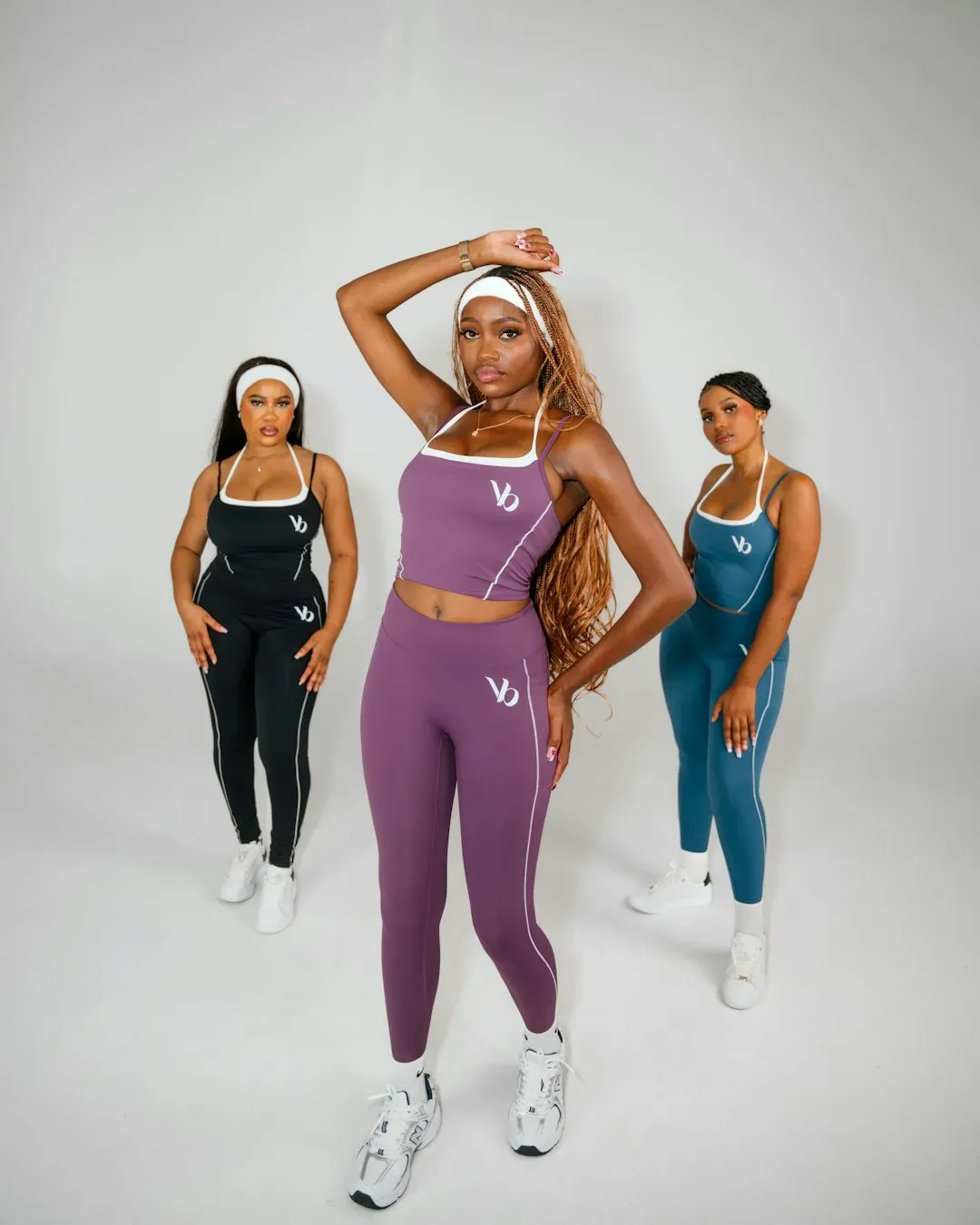
I know it sounds crazy, but in a city most people associate with stilettos and sequins, activewear is practically a local religion. Walk into any Target or coffee shop in Summerlin or Henderson, and you’ll see it: Lululemon leggings, Nike Dri-FIT shirts, trail running shoes. The difference is, locals aren’t wearing this as a fashion statement. They’re actually heading to the gym, the trail, or picking up the kids.
For visits to Red Rock, Grand Canyon, or Hoover Dam, comfortable athletic clothing like leggings, a tank top with a jacket, and sneakers are the practical choice. Locals who live near these outdoor destinations make weekend hikes a regular routine, which means their activewear gets genuinely tested by the terrain and heat.
The hospitality and leisure sector in Southern Nevada employs more than 300,000 workers, according to the Nevada Department of Employment, Training and Rehabilitation. Many of these people work odd hours and move seamlessly between work and daily errands, making versatile, comfortable clothing a practical necessity, not a style choice. That’s a massive slice of the population dressing for function first.
3. Sunglasses and Hats, Worn Without Irony


Tourists wear oversized designer sunglasses on the Strip as a fashion accessory. Locals wear sunglasses everywhere because Nevada gets over 300 sunny days per year, according to National Weather Service climate data. That number is not a selling point for locals, it’s just reality. The sun is intense, consistent, and unforgiving.
When spending hours outside, locals know that protecting your skin from the sun is most important, and long sleeves or a hat become essential, not just stylish accessories. A baseball cap is not ironic or touristy in a local’s daily routine. It’s practical sun armor worn on the way to Costco.
Exploring local attractions calls for comfortable and casual clothing like shorts, t-shirts, and walking shoes, with light layers to handle varying temperatures. Residents often layer a light hat and polarized sunglasses into every casual outfit the same way someone in Seattle grabs an umbrella without thinking. It’s automatic.
4. Casual Streetwear, Miles Away from the Strip


Downtown Las Vegas is a totally different scene from the Strip, with fashion that is trendy yet eclectic and bohemian, ranging from vintage styles and streetwear to quirky designs from local designers. Residents who live in neighborhoods like the Arts District or North Las Vegas aren’t dressing for tourism, they’re dressing for actual city life.
Las Vegas is one of the fastest-growing metropolitan areas in the United States, with continued migration through 2024 contributing to a blended style influenced by California streetwear, desert practicality, and hospitality industry culture, according to U.S. Census population growth reports. Think oversized graphic tees, cargo pants, vintage denim jackets, clean sneakers. Downtown fashion tends toward comfortable yet stylish dressing, with relaxed-fit rompers or denim jackets and fresh sneakers being popular choices.
There’s a certain California-meets-Mojave aesthetic happening here that is genuinely interesting. Streetwear flows in from Los Angeles. Desert practicality shapes what fabrics get chosen. Hospitality workers who work graveyard shifts need clothes that go from the casino floor exit at 7 AM straight to a breakfast spot. The result is a city streetwear sensibility that’s casual, layered, and deeply uninterested in looking like a tourist.
5. The Art of Dressing Down Near the Strip on Purpose


Here’s something that separates a local from a visitor almost instantly: the deliberate refusal to dress up near the Strip. Tourists arrive in club-ready outfits at noon. The Strip is synonymous with luxury, glamour, and high-end entertainment, with fashion tending toward the more formal and extravagant, catering to tourists attending upscale events, clubs, and restaurants. Locals, by contrast, see the Strip as a work zone, not a personal style opportunity.
The Las Vegas Strip is only about 4.2 miles long, and locals rarely visit it for daily activities, according to Clark County tourism data. When they do go, they tend to dress casually by contrast, usually in clean dark jeans, a simple fitted top, or a plain button-down, nothing that announces “I’m here to impress.” Think of it this way: New Yorkers don’t dress up to visit Times Square. Same energy.
There is no strict dress code for most of Las Vegas, but following a few simple fashion principles means you’ll never look out of place. Locals have absorbed this instinctively. A well-fitted dark tee, clean sneakers or loafers, and dark jeans is the Vegas local’s stealth outfit near tourist zones. Not flashy, not underdressed, just quietly at ease in a city that never stops performing around them.
The Bigger Picture: Fashion as a Form of Belonging


It’s worth stepping back for a second. Fashion in Las Vegas is not just about heat management or casual comfort. It’s about identity. The Las Vegas metropolitan population surpassed 2.3 million residents, according to U.S. Census Bureau estimates, and these are people with routines, neighborhoods, and everyday lives that have nothing to do with casino floors or nightclub queues. Their clothing reflects that quiet reality.
Locals have developed a style that’s essentially anti-performance. In a city where everything is designed to be seen, where architecture screams and advertisements glow twenty-four hours a day, dressing simply and practically is almost a radical act. It says: I live here, this is not a spectacle for me, this is Tuesday.
The “Vegas uniform” isn’t flashy. Honestly, that’s the entire point. Lightweight fabrics, functional activewear, sun-protective accessories, grounded streetwear, and effortless casual dressing near tourist hotspots. Together, these five choices create a look that no amount of Strip-ready glam can replicate. You earn it by actually calling this desert city home.
So next time you’re in Las Vegas, take a closer look at the person in linen pants and a baseball cap heading purposefully toward the parking garage. That’s a local. And they’ve been here long enough to stop trying to look like they just arrived. What do you think – does the city you live in shape your fashion choices too? Tell us in the comments.