
There’s a reason some athletes seem almost untouchable during a hot run of form, and it isn’t just talent. Something shifts beneath the surface, in the hormones, the neural circuits, the way the body holds itself. Scientists have been studying this shift for decades, and what they’ve found is striking. The biology of a winning streak is real, measurable, and surprisingly powerful. It touches everything from the reward pathways in your brain to the way you walk into a room. Understanding it doesn’t just satisfy curiosity. It might change how you think about building momentum in your own life.
What the ‘Winner Effect’ Actually Is

The “winner effect” is a term used in biology to describe how an animal that has won a few fights against weak opponents is much more likely to win later bouts against stronger contenders. As neuroscientist Ian Robertson reveals, it applies to humans too, with success changing the chemistry of the brain, making you more focused, smarter, more confident, and more aggressive.
This phenomenon describes how winning once can actually make you more likely to win again, not just through improved skill or better odds, but because confidence reshapes the brain. Studies have observed this in tennis players, cyclists, financial traders, and even animals: male mice that win a series of staged fights against weaker opponents become more likely to defeat stronger rivals later on.
The Winner Effect explores this puzzle by showing that winning is not only psychological or social. It is deeply biological. Success actually changes the brain, shaping motivation, confidence, and behavior in powerful ways.
The Dopamine Surge: Your Brain’s Reward Fuel

With each success, the brain releases a chemical called dopamine. When dopamine flows into the reward pathway, the part of the brain responsible for focus, pleasure, and motivation, it enables neurons to process information more effectively.
Robertson explores how winning stimulates the brain’s reward systems, particularly the release of dopamine, which reinforces the desire for more victories. The winner effect is an accumulation of previous wins that increase future winning. Dopamine has been implicated because phosphorylated tyrosine hydroxylase, the rate-limiting enzyme for dopamine biosynthesis, is elevated following multiple winning experiences.
With each failure, the brain becomes drained of dopamine, making it more difficult to learn from what went wrong and more difficult to focus on the next attempt. The contrast between these two states is sharp, and the gap widens the longer a streak goes on in either direction.
Testosterone and the Hormonal Cascade of Winning

What is intriguing is the observation that testosterone secretion varies with the outcome of competition. Specifically, in many species testosterone levels fluctuate as a function of whether the competition was won or lost, such that the winner experiences a surge of testosterone levels.
A wealth of studies in both nonhuman animals and humans have shown that a rise in testosterone levels before and after winning a competition enhances the motivation to compete. Intriguingly, a substantial testosterone surge following a win also appears to improve an individual’s performance in later contests, resulting in a higher probability of winning again.
As Robertson explains, winning increases testosterone, which in turn increases the chemical messenger dopamine, and that dopamine hits the reward network in the brain, which makes people feel better. These two chemicals amplify each other’s effects, creating a compounding biological advantage for the person on a roll.
How the Brain Physically Rewires Itself After Wins
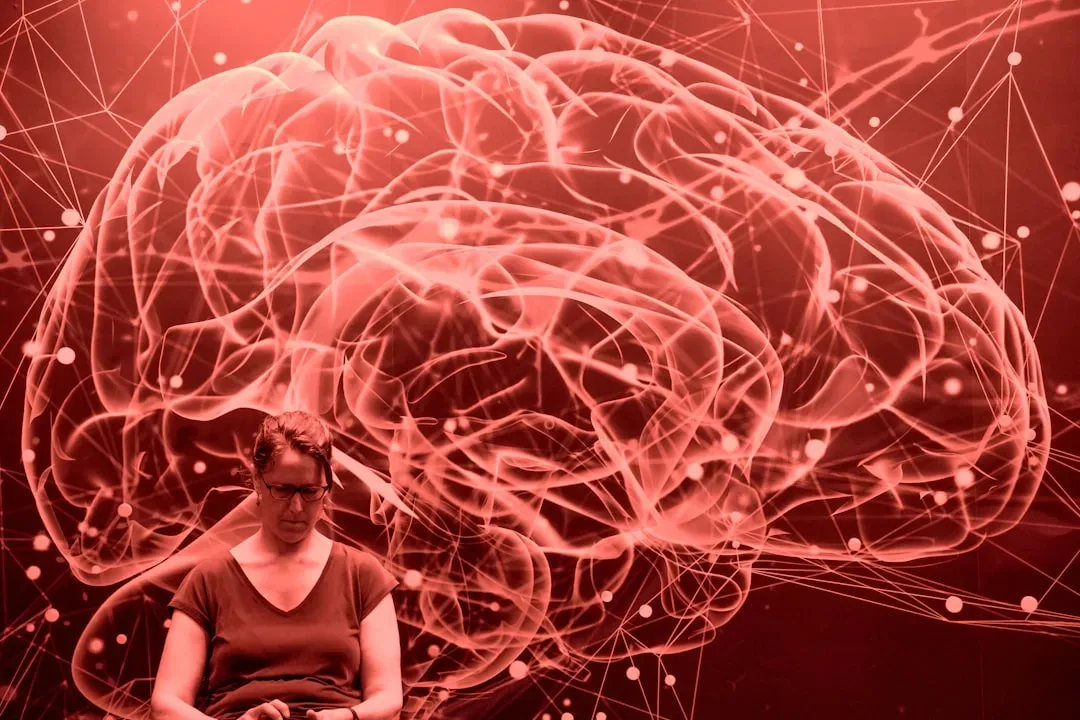
Research published in Science found that the winner effect in mice is mediated by neuronal projections from the thalamus to a brain region called the dorsomedial prefrontal cortex. Selective manipulation of synapses driven by this input revealed a causal relationship between circuit activity and mental effort-based dominance behavior. Thus, synapses in this pathway store the memory of previous winning or losing history.
The crazy thing is that science demonstrates the more one wins or loses, the more winning and losing actually affects them. Physiological changes in the brain after winning stimulate the production of more receptors for the hormones of winning, which means the effects of those hormones are increased, making the winner more sensitive to the win.
When an animal, be it fish or human, wins a contest, there is a large release of testosterone and dopamine into their brain. Over time this changes their brain’s structure and chemical makeup, making them smarter, more confident, and able to take on larger challenges than before.
The Role of Cortisol: Stress Hormones Under a Winning Streak

Winning doesn’t just fuel future performance. It can also shape how the brain handles stress. Each competitive interaction causes the body to generate some cortisol, the stress hormone, says Robertson. Winners tend to process that cortisol more efficiently over time, converting pressure into focus rather than anxiety.
Often referred to as the “stress hormone,” cortisol is released in response to stress or perceived threats. Chronic stress, marked by elevated cortisol levels, can negatively affect confidence, particularly in high-pressure situations. A winning streak appears to act as a partial buffer against this, recalibrating the nervous system’s threat response.
Gaining power or status changes brain function, enhancing focus, reducing stress, and increasing assertiveness. However, unchecked power can lead to arrogance, reduced empathy, and poor decision-making. It’s a biological double edge that researchers continue to examine closely.
Serotonin’s Quiet Role in Confidence

Serotonin helps regulate mood and emotional stability. A deficiency in serotonin is often linked to depression, anxiety, and low self-esteem, all of which can hinder confidence. Conversely, higher serotonin levels are associated with feelings of contentment and self-assurance, leading to increased resilience in the face of setbacks.
Serotonin has been shown to increase confidence and motivation. There is also empirical research to suggest serotonin plays a role in agreeability and resiliency in the face of negative feedback. During a winning streak, when stress is lower and mood is more stable, these serotonin-related effects seem to reinforce the cycle naturally.
Conversely, repeated failures or losses can lower testosterone and serotonin levels, leading to decreased confidence, passivity, and a higher likelihood of future failures. The loser effect, in this sense, is the same mechanism running in reverse, making each new loss slightly easier to arrive at.
Body Language: The Physical Signature of a Winner

Many people assume confidence starts in the mind, through thoughts, affirmations, and motivational pep talks. Growing psychological and neuroscientific research suggests the opposite is equally true: how we position our body has profound effects on our emotional state, self-assurance, and even how others perceive us.
From a neuroscience perspective, confident body language helps engage the prefrontal cortex, the part of the brain responsible for decision-making and focus. This brain region is critical in high-performance scenarios, where calm and clear thinking can make the difference between success and failure.
We often figure out how we feel by watching what we do. When you stand tall with your shoulders back, your brain notices and thinks, “I must be feeling confident right now,” creating a feedback loop where posture actually shapes emotional state. Winners tend to inhabit this loop without even trying.
How Posture Feeds Back Into Brain Chemistry
Embodied cognition posits that our bodily states influence our emotions and thoughts, not just vice versa. Striking a confident pose can shift internal chemistry, affecting cortisol and testosterone levels, and feed back into how self-assured one feels.
Meta-analyses found consistent support for self-reported effects. People who held expansive postures genuinely felt more powerful and confident afterward. By 2024, the scientific consensus had settled into a clear position: the hormonal claims from earlier power pose studies did not fully hold up, but the psychological effects are real.
Your brain is constantly reading cues from your body to determine how you should feel. When you give it confident cues, it often responds with confident feelings. For someone mid-streak, that feedback loop is already running hot, which is part of why winners can look so unmistakably different from everyone else in the room.
Small Wins, Big Biology: Building Momentum Deliberately

Collecting wins, no matter how small, can help build the confidence and optimism needed to activate the brain’s reward pathway and launch you towards your goals. Just visualizing your success can be enough, according to psychiatrist and neuro-economics expert Richard Peterson, who explains that whether you imagine it or experience it, the brain treats it in much the same way.
Setting and achieving small, incremental goals boosts dopamine levels and reinforces positive feedback loops in the brain, further enhancing confidence. Celebrating successes, no matter how small, helps build momentum and self-belief.
Small early wins activate brain systems that boost confidence and aggression. Home field advantage, posture, age, and subtle biases all shape success. One striking insight is that winning changes the brain’s dopamine network, making individuals more likely to take risks and pursue opportunities.
The Dark Side of the Glow: When Winning Becomes a Trap

The more you win, the more you will go on to win. The downside is that winning can become physically addictive. The same neurochemical cycle that sharpens performance can, taken too far, distort judgment and risk assessment in ways that are difficult to self-correct.
The winner effect can make one’s power go to their head. High testosterone and dopamine are a predictor of success, but if the winner effect in the brain becomes too strong, poor decisions follow, since failure normally grounds us to reality.
Success changes the chemistry of the brain, making you more focused, smarter, more confident, and more aggressive. The effect is as strong as any drug. The more you win, the more you will go on to win. Knowing this, the challenge for any sustained high performer isn’t just maintaining the streak. It’s maintaining the self-awareness to go with it.
What This Means for Everyday Life

Both researchers and practitioners deliver the same message: winning will change your biology, making you more likely to overcome increasingly harder challenges in the future. This isn’t a metaphor about motivation. It’s a measurable shift in brain chemistry, hormonal output, and posture.
Neuroscientist Dr. Stacie Grossman Bloom puts it plainly: confidence is a skill, not a fixed trait. Start small. Set goals that are realistic, achieve them, and take the time to consciously celebrate your wins. The glow of winning, it turns out, isn’t something reserved for elite athletes or Fortune 500 CEOs. It’s a biological state that anyone can begin to cultivate.
The science here is genuinely encouraging. You don’t need a championship or a boardroom to prime the same neural machinery. A series of small, consistent, and real victories, taken seriously rather than brushed off, is enough to begin tilting the chemistry. That’s not optimism. That’s neuroscience.