Music history has a strange habit of getting the credits wrong. The artists on the radio, the ones filling arenas and landing on year-end lists, they’re rarely the ones who started the fire. Somewhere beneath the surface, in smoky clubs and cramped bedroom studios, other musicians were laying the actual groundwork. They just never got the ticket to the party they helped plan.
Honestly, it’s one of the most fascinating and quietly heartbreaking stories in all of popular music. Think of it like architecture. The people who designed the foundations of a building almost never get their name on the front door. These ten artists are exactly that. Pioneers who handed their blueprints to the world, then watched someone else take a bow. Let’s dive in.
Big Star – Memphis’ Best-Kept Secret

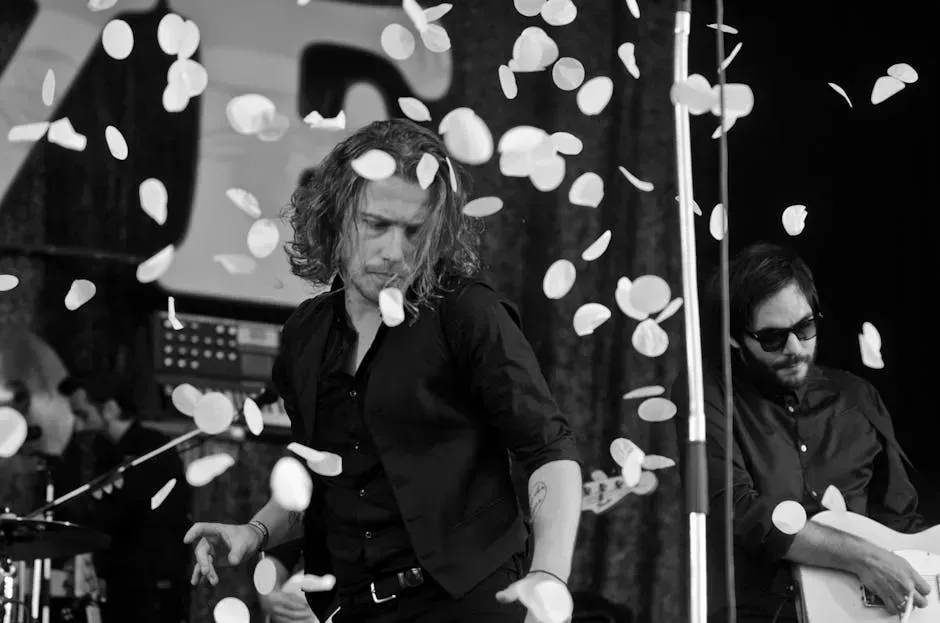
Big Star has been identified as “one of the most mythic and influential cult acts in all of rock and roll,” described by critics as “the quintessential American power pop band.” Formed in Memphis in 1971, they crafted brilliant, harmonically rich albums that sounded like a love letter to the Beatles and the Byrds. Their debut, 1972’s #1 Record, was met with enthusiastic reviews, but ineffective marketing by Stax Records and limited distribution stunted its commercial success.
Big Star has been cited as an influence by R.E.M., The Replacements, Belle and Sebastian, Elliott Smith, Wilco, Beck, Jeff Buckley and The Flaming Lips, to name just a few. The cruel irony? All three of their original albums appear on Rolling Stone’s list of the 500 Greatest Albums of All Time. They never played Madison Square Garden. Yet they changed lives.
Nick Drake – The Ghost Who Haunts Modern Folk


Nick Drake, the English singer-songwriter, died in 1974 at the age of just 26. He had released three albums which didn’t make much of a splash during his lifetime, but which gradually gathered a cult following after his death. His music was so painfully intimate, so raw and unadorned, that the world simply wasn’t ready for it. His three albums had together sold fewer than 4,000 copies. That number is almost impossible to believe in hindsight.
Few heard Pink Moon when it was released, but its stark beauty has touched the intimate bedroom folk of Cat Power, Elliott Smith, and many others. Drake has since gone from relative obscurity during his lifetime to appearing on the cover of music magazines, being the subject of a Radio 2 documentary presented by Brad Pitt, and having his music appear in mainstream Hollywood movies and hit TV shows. A legacy built entirely in reverse.
The Velvet Underground – Loud Silence That Changed Everything

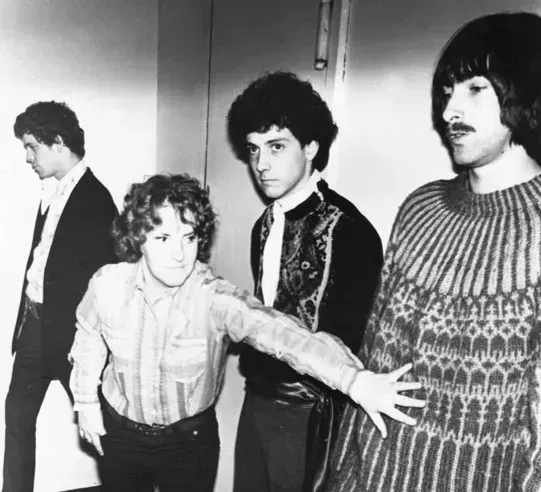
With the possible exception of the Velvet Underground, which enjoyed considerably more notoriety in its heyday, no other underground pop band has left such a lasting and indelible legacy as Big Star, according to music historians. That’s saying a lot, because the Velvet Underground themselves were never a commercial force. Led by Lou Reed and John Cale in New York’s late-1960s art scene, their albums barely sold during their active years.
Underground styles lack the commercial success of popular music movements, and may involve the use of avant-garde or abrasive approaches. Underground music may be perceived as expressing sincerity and creative freedom in opposition to those practices deemed formulaic or market-driven. The Velvet Underground embodied that philosophy before it even had a name. Punk, post-punk, indie rock, alternative – virtually every genre that rose after them owes something to what they built in obscurity.
Suicide – The Band That Invented Punk Before Punk Existed

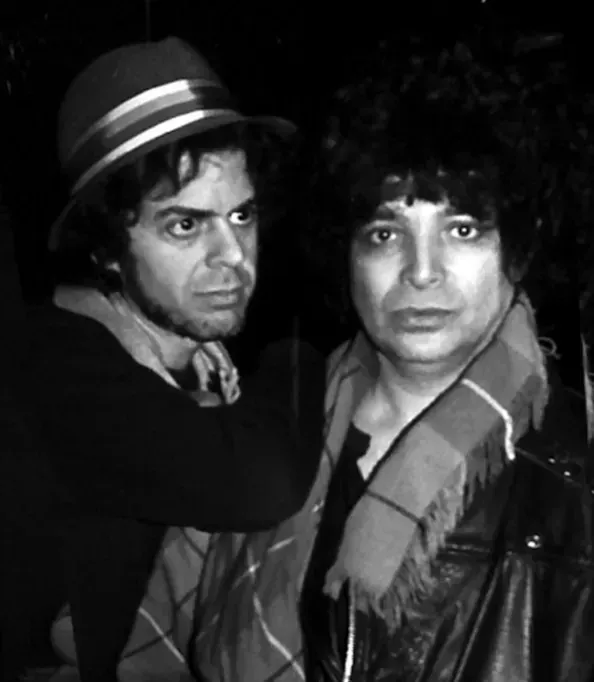
As the frontier of rock and pop music started to expand with use of Moog synthesizers, and as the seeds of punk rock started to be planted, Suicide put a unique spin on both genres that was profoundly influential to bands like Bauhaus, Joy Division, Radiohead, Depeche Mode, Sonic Youth and R.E.M. That is an extraordinary list of influenced artists for a duo that most casual music fans have never heard of. They were abrasive, confrontational, electronic, and absolutely fearless.
When they were tapped as an opener for Elvis Costello’s 1978 tour, the crowd reacted to Suicide’s abrasive electronic sound with the same hostility that New York crowds had shown earlier in their career. This tour was accented by an infamous stop in Brussels, where the crowd hated the band so much that it provoked a riot. Bruce Springsteen is also a self-professed fan of the band, having covered “Dream Baby Dream” at numerous live shows. Some revolutions don’t announce themselves gently.
Daniel Johnston – The Outsider Who Moved Insiders

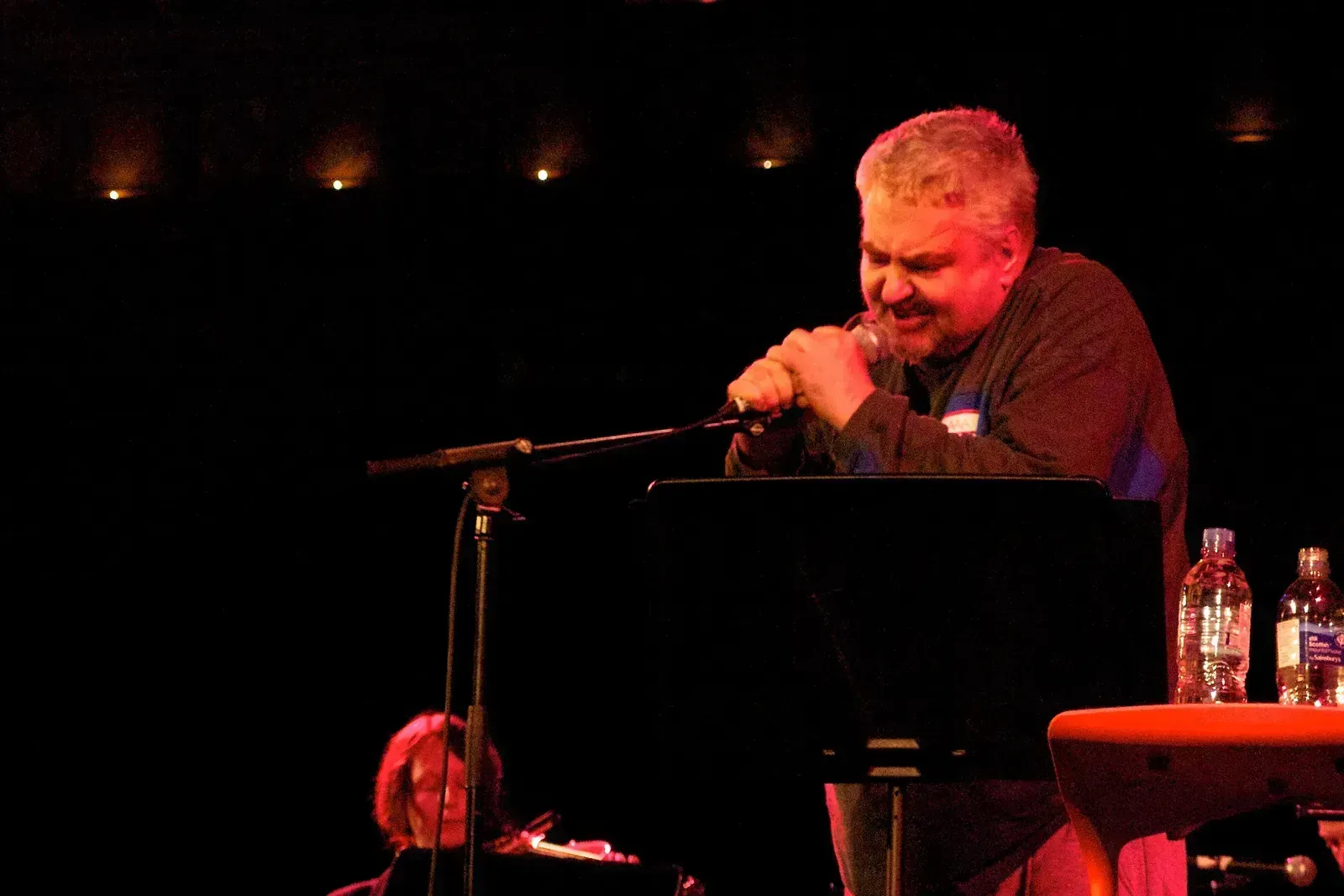
Here’s the thing about Daniel Johnston: he recorded albums on a simple cassette player and handed them out to strangers. No label, no budget, no plan. Just songs. Searingly personal, melodically odd, emotionally devastating little songs that went on to rattle the cage of virtually everyone who heard them. When Kurt Cobain signaled his affinity for then-obscure artists such as Daniel Johnston, Shonen Knife and the Melvins, major labels went out of their way to wine-and-dine the artists in hopes of inking a deal.
Atlantic Records signed Johnston while he was in the care of a mental hospital. That single fact tells you everything about the industry’s belated scramble to catch up with what was already there. Johnston battled mental illness for most of his adult life, and his story is equal parts inspiring and heartbreaking. He passed away in 2019, having spent decades as a cult hero to musicians who made far more money doing something he started first.
Bad Brains – The Fastest Band Nobody Crowned


Formed during the 1970s, Bad Brains started out as a D.C. jazz fusion band under the name Mind Power. Inspired by the Sex Pistols, the Clash and Bob Marley, they changed their name to Bad Brains and started playing reggae and punk. Along with Black Flag and the Dead Kennedys, they put the “hardcore” into the late 1970s and 1980s punk scene.
While the band recorded songs like “Pay to Cum,” “Big Takeover” and “Sailing On” on ROIR cassettes, their greatest legacy was their live performances. The band played with a jackhammer speed and precision that floored fans and fellow punk rockers. Every hardcore band that came after them, from Fugazi to the Red Hot Chili Peppers, owes a debt to Bad Brains’ ferocious live energy. They never cracked the mainstream. They cracked open a whole genre instead.
Roky Erickson – The Psychedelic Pioneer Swallowed by the System

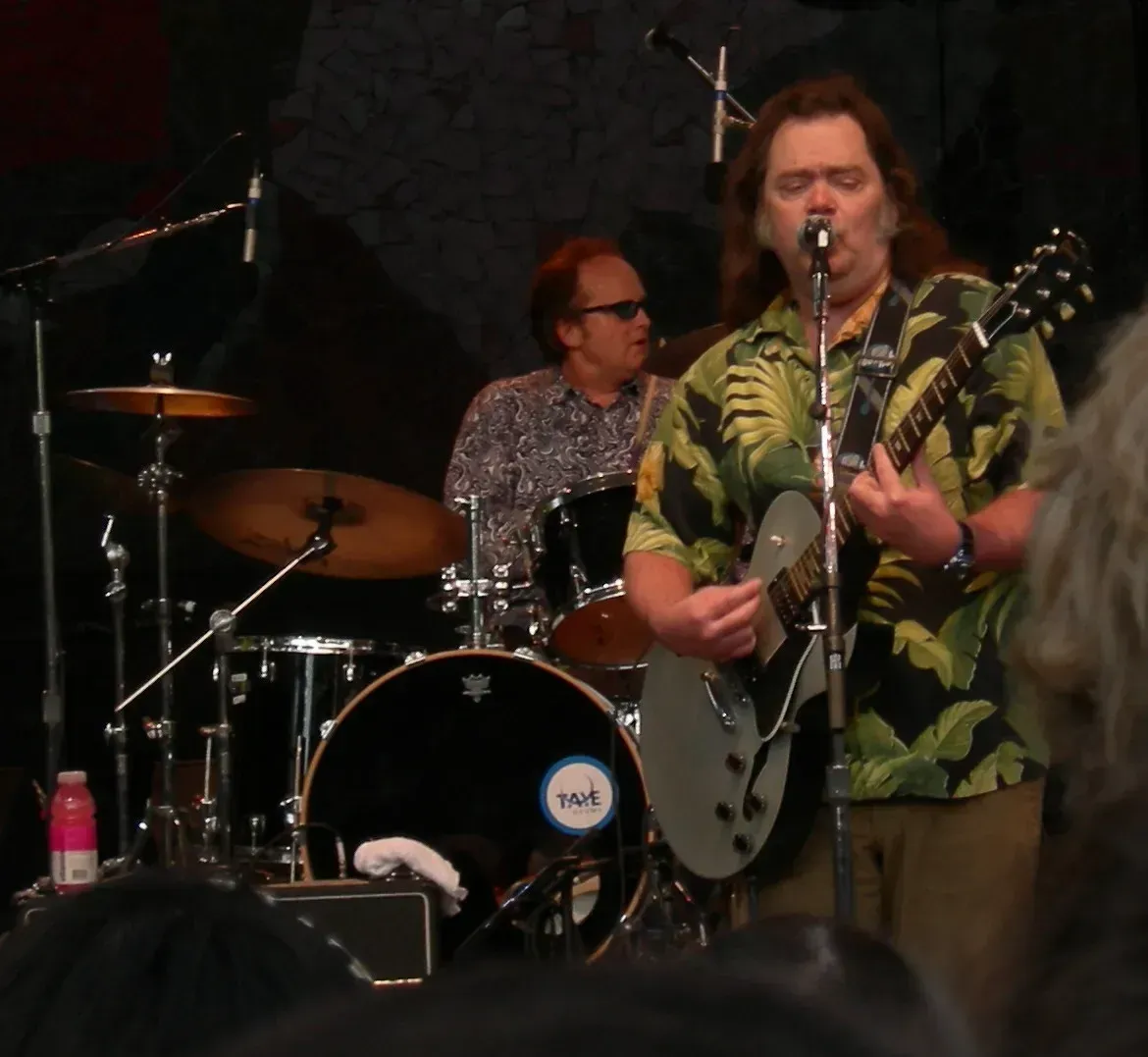
As the lead singer and songwriter for the 1960s band 13th Floor Elevators, Erickson scored a 1966 US hit with his song “You’re Gonna Miss Me.” With its swirling psychedelic riffs and Erickson’s unearthly howls, it pioneered psychedelic rock. Then everything fell apart. He was arrested on marijuana charges, and what followed was decades of suffering, institutional trauma, and poverty.
Erickson was eventually released, but he was never the same. He spent decades in poverty, trying to survive on only monthly $200 Social Security checks, and surrounding himself with white noise to drown out the voices in his head. Yet his music continued to inspire and influence countless musicians like R.E.M., ZZ Top, Jesus and Mary Chain, and Dave Grohl of the Foo Fighters. The gulf between his suffering and his influence is almost too painful to sit with. Erickson passed away in 2019.
Rodriguez – Famous Everywhere He’d Never Been


Rodriguez, a Detroit-based folk musician, released a couple of albums in the early 1970s that failed to gain traction in the United States. Unknown to him, his music resonated deeply in South Africa, where he became a symbol of resistance against the apartheid regime. For years, Rodriguez remained unaware of his international fame. I know it sounds crazy, but he had effectively become a legend on another continent while working construction jobs at home.
It wasn’t until the late 1990s that he discovered his legendary status, thanks to the documentary “Searching for Sugar Man,” which highlighted his journey and illustrated how music can transcend borders and reach unexpected audiences. His story is perhaps the most surreal in this entire list. A man who inspired a generation of listeners on one side of the world, completely invisible on his own doorstep. It’s the kind of tale that makes you wonder how many similar stories we’ll simply never know.
Lee “Scratch” Perry – The Architect Behind the Throne

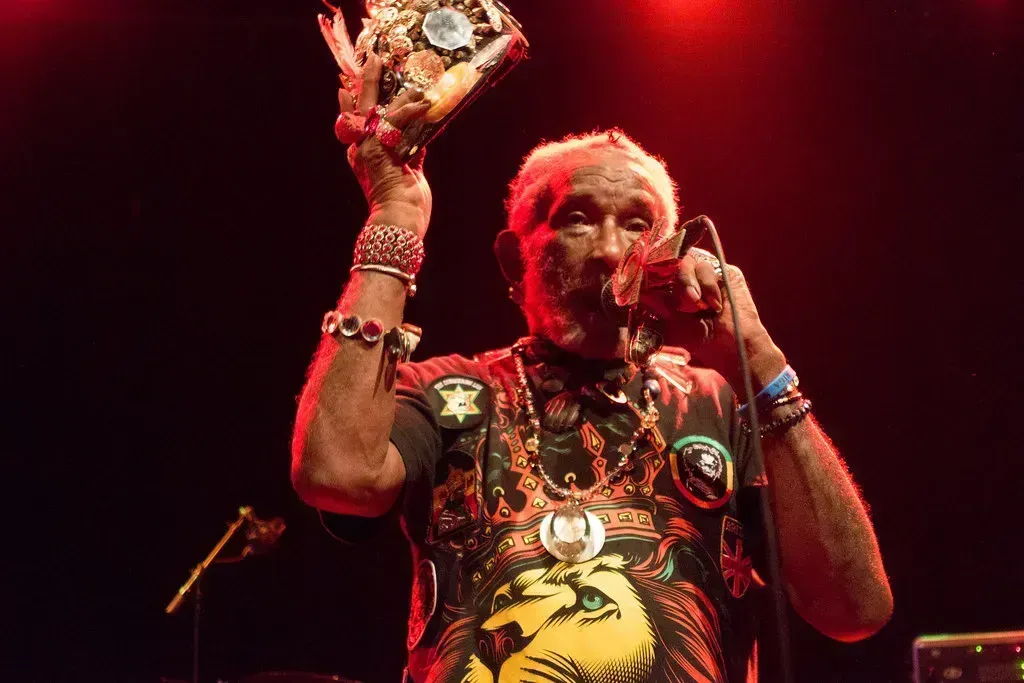
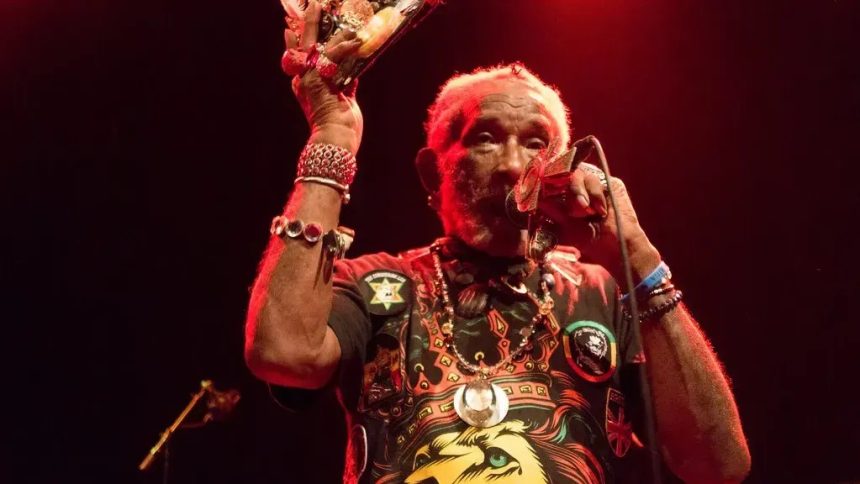
Known as Lee Perry, the Upsetter, or Scratch Perry, he is the don of Jamaican music, whether it be reggae, dub, or dancehall. As a producer and recording artist, Perry influenced countless musical acts in Jamaica, helped develop Bob Marley and the Wailers’ signature reggae sound, and invented the new sound of dub through his inventive use of technology such as drum machines and phase shifters.
Think about what that means for a moment. Bob Marley, one of the most globally recognized musicians who ever lived, owes a foundational debt to Lee “Scratch” Perry. In fact, some of the most influential music acts either never charted at all or rarely made it to the Top 40. Only a few artists eventually became successful in their own right decades later, but they all either influenced other musicians or charted new paths in musical genres without becoming major chart toppers. Perry is perhaps the best example of that dynamic in all of music history.
Judee Sill – The Spiritual Visionary Forgotten Too Soon


Judee Sill, a folk musician with a troubled past, crafted songs that were both ethereal and deeply spiritual. Despite her talent, her albums received limited attention during her lifetime. However, as time passed, Sill’s work gained recognition for its intricate melodies and profound lyrics. Her music became a touchstone for artists seeking to explore themes of redemption and transcendence.
Judee Sill’s story highlights the enduring power of art to inspire reflection and connection, even when the artist themselves may not fully grasp the extent of their influence. She died in 1979 from a drug overdose, largely unknown to the general public. Today, artists across folk, ambient, and indie pop continue to name her as a quiet but profound influence. She built a cathedral most people only noticed after she was gone. What would you have guessed – that it sometimes takes decades for the world to catch up with the truly great ones?