There’s a moment in almost every great recording where the song lifts just slightly above what one voice can carry alone. A second voice slides in, fills the space, and suddenly the whole thing soars. Most listeners never notice it. They certainly never google it. The person behind that lift goes home, cashes a session check, and watches someone else collect the Grammy.
The backup singer is one of music’s most undervalued figures. Backing vocals add depth and texture to songs, enhancing the overall sound and supporting the lead singer, creating harmony and richness that makes recordings more immersive. What’s remarkable is how often the voice doing that work belonged to someone who would later become a star in their own right, or a legend who simply wanted to help a friend. Here are ten of those singers, and the songs they quietly transformed.
Luther Vandross on David Bowie’s “Young Americans” (1975)

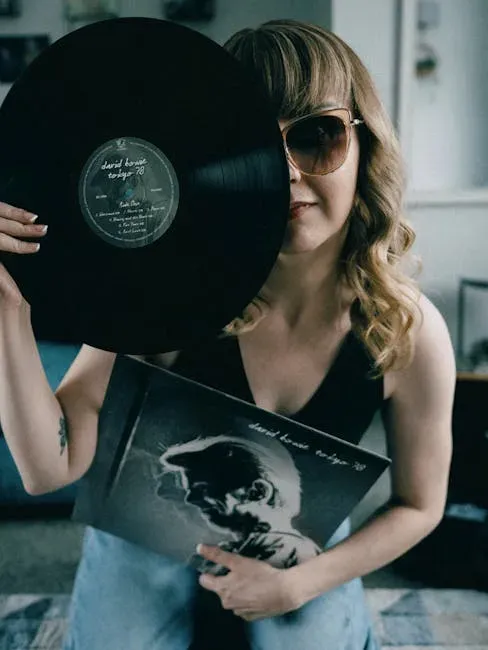
In 1975, deep into his soul music obsession, David Bowie was smart enough to ask a backup singer from his Diamond Dogs tour to come into the studio with him to help arrange vocal parts on his new album. That singer was future R&B superstar Luther Vandross, and it’s his voice singing backup on the album’s hit title track. At the time, Vandross was a relative unknown, just a gifted young singer doing session work to get by.
He sang backup vocals for the album’s title track, and would again later team up with Bowie on “Underground” for the Labyrinth soundtrack, years after the rock icon helped Vandross get his start in the music industry. By that time, though, he was a bonafide star on his own. The arc from uncredited backing vocalist to one of soul music’s defining voices is one of the more extraordinary careers in pop history.
Mick Jagger on Carly Simon’s “You’re So Vain” (1972)

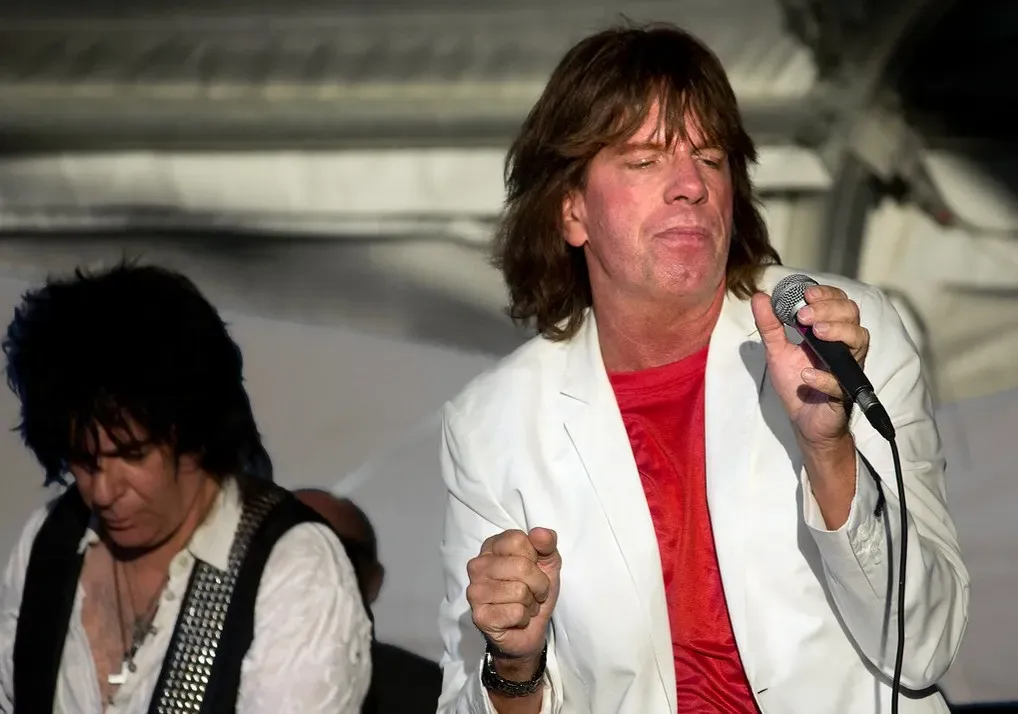
Already an international superstar, Rolling Stones frontman Jagger provided some of his signature warbling on the 1972 song’s chorus that was completely uncredited in the liner notes. The story of how he ended up in the studio is almost casual in its randomness. Simon later said it was just happenstance that Jagger was there. He apparently called the studio and she invited him down to join in, and he came and sang, though he is uncredited on the album.
What we are sure of is that Mick Jagger is one of the backup singers, and his voice becomes more and more prominent as the song goes on. For a song already famous for its mystery, the presence of Jagger hidden in plain vocal sight has only added to its legend over the decades. Most casual listeners have sung along to that chorus hundreds of times without realizing whose voice was in the mix.
Cher on The Righteous Brothers’ “You’ve Lost That Lovin’ Feeling” (1964)

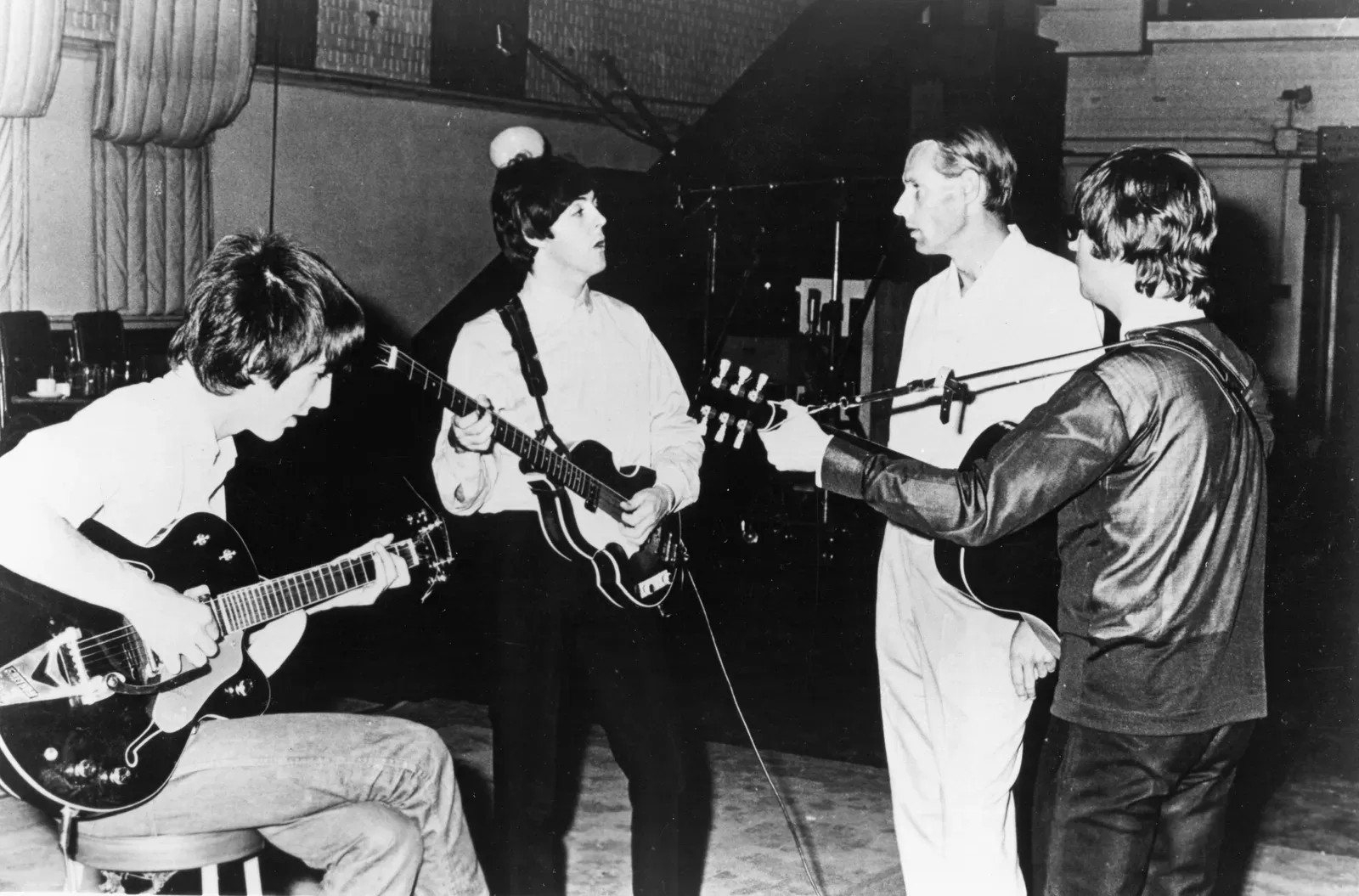
photo front
photo back, Public domain)
Produced in 1964 by the legendary Phil Spector, “You’ve Lost That Lovin’ Feeling” was fleshed out by the Wrecking Crew, the legendary collection of stellar studio musicians behind countless early pop classics. The song swims in Spector’s signature strings and a bursting crescendo that features several backup singers. One of them is future pop diva Cher, then just a teenager.
Spector used Cher on several hit songs including The Ronettes’ “Be My Baby” and The Crystals’ “Da Doo Ron Ron.” In a 2014 interview, Cher recalled that she got the recurring gig by happenstance. She was barely out of high school at the time, taking any session work she could find. Few people who consider Cher a pop icon realize that her earliest professional recordings were behind someone else’s name entirely.
Sting on Dire Straits’ “Money for Nothing” (1985)

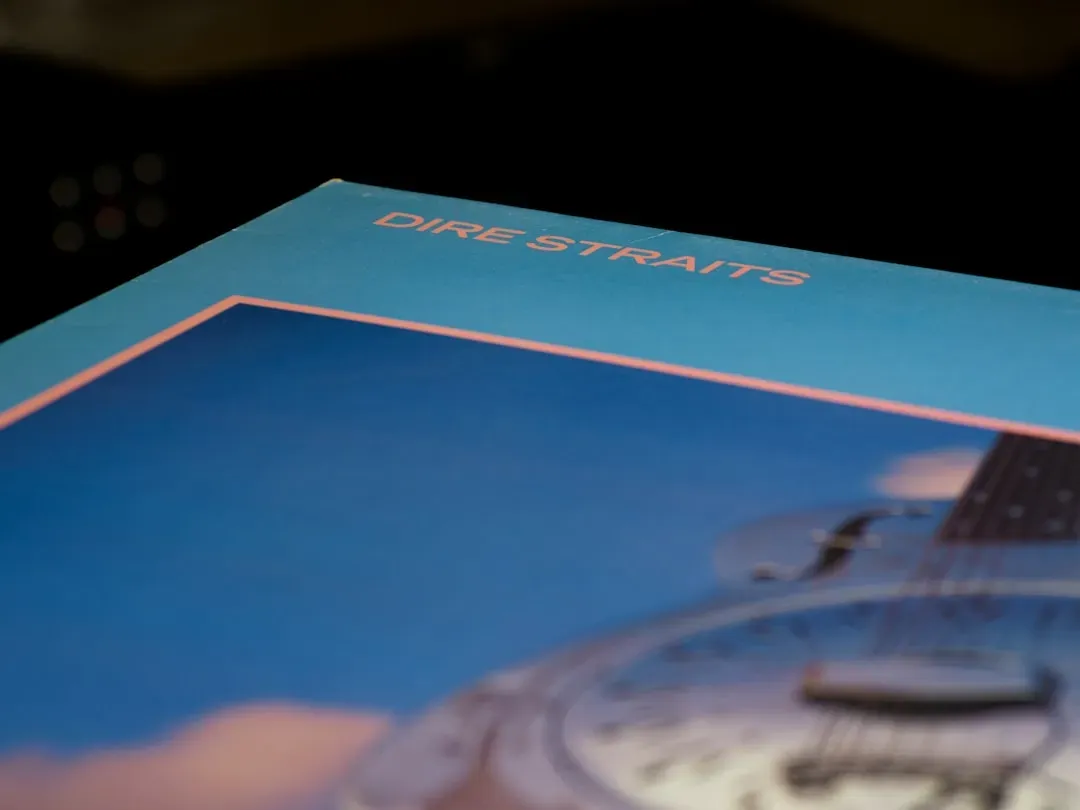
The song features a guest appearance by Sting, who sings the signature falsetto introduction, background vocals, and a backing chorus of “I want my MTV” set to the same notes as the chorus of the Police’s hit “Don’t Stand So Close to Me.” The circumstances that put him in the studio were almost accidental. Sting wasn’t a planned part of the song. Dire Straits had brought in another singer for background vocals, but they didn’t like him and sent him home. Mark Knopfler had the idea to have the melody for “I want my MTV” sung in the same melody as “Don’t Stand So Close to Me,” and after the initial singer was sent home, Mark said “I wish Sting was here.” A crew member replied that Sting was already there, and Sting came into the studio and sang his parts in one take.
It was Dire Straits’ most commercially successful single, peaking at number one for three weeks on both the US Billboard Hot 100 and Top Rock Tracks chart. The songwriting credits are shared between Mark Knopfler and Sting, though the Police frontman’s name was far from the front of anyone’s mind when the song became a cultural touchstone of the MTV era. His contribution was indispensable, even if most listeners never quite registered it as his.
Whitney Houston on Chaka Khan’s Album (1978)

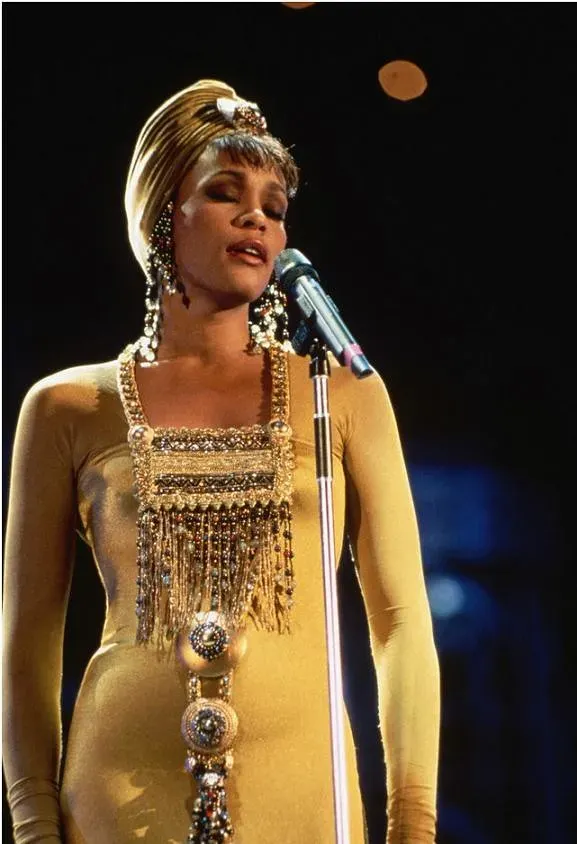
In 1978, at the age of 15, Whitney Houston was invited to sing background for the R&B singer Yvette Marie Stevens, better known as Chaka Khan. The connection came through family. Whitney’s mother Cissy made a name for herself as a gospel, R&B, and soul singer, and working as a backup singer herself, talked up her immensely talented daughter to Chaka Khan. Khan brought the teenager into the studio, and the rest is one of pop music’s great origin stories.
Houston did contribute background vocals to two Khan songs off her album Naughty during her early career as a session vocalist. Khan, who had been a musical inspiration to Whitney Houston, went on to become her mentor and a lifelong friend. Years later, Houston would cover Khan’s “I’m Every Woman” for the Bodyguard soundtrack, turning the tribute into one of the biggest hits of her career. The circle between those two voices, one mentoring, one learning, is one of the warmest stories in R&B history.
Michael McDonald on Steely Dan’s “Peg” (1977)

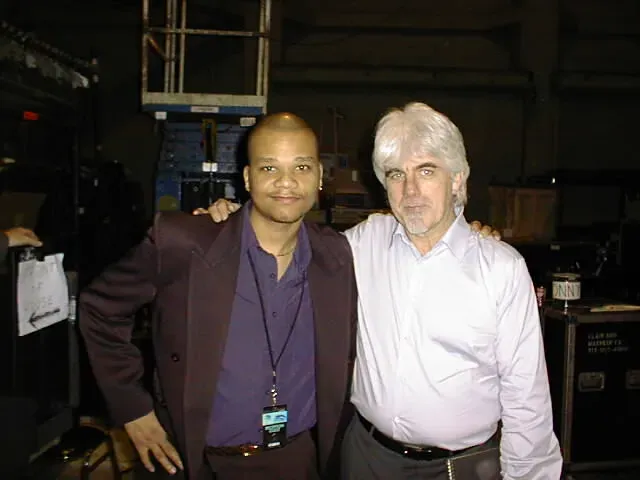
Across Steely Dan’s masterpiece Aja, the various musicians deliver a clinic on making a blend between rock and jazz fusion. Setting the song “Peg” to a blues feel, the massive backing vocals on the final product come from Michael McDonald, who was just starting to make inroads with The Doobie Brothers. While Fagen’s voice typically holds most Steely Dan songs together, McDonald might steal the show on this tune.
Michael McDonald is a former Doobie Brother who possesses a voice smooth as molasses and almost as thick. He assisted songwriter Christopher Cross on his debut album too, singing backup vocals on the hit single “Ride Like the Wind.” His voice is so distinctive that it’s almost unfair to describe it as a backup instrument. On “Peg,” it’s less a supporting role and more a shared lead that most listeners attributed entirely to Steely Dan.
Darlene Love on “He’s a Rebel” (1962)

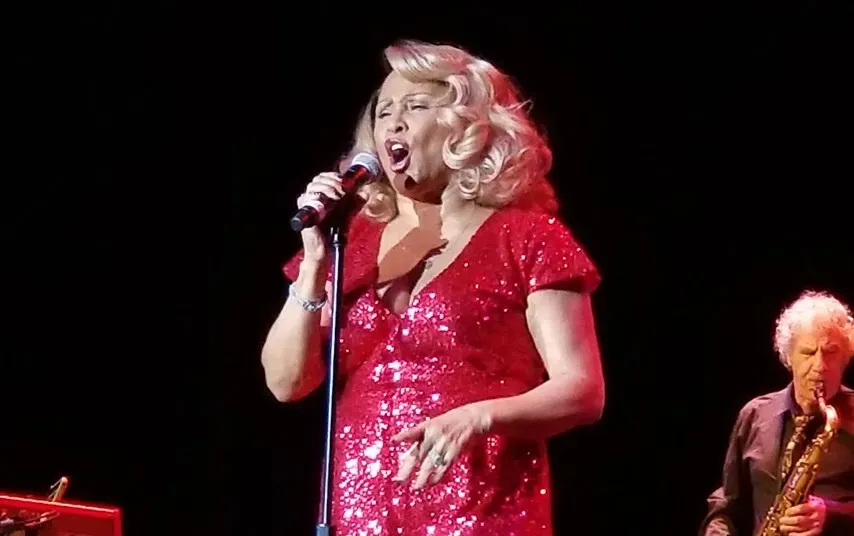
Darlene Love’s name did not appear on her first hit, 1962’s “He’s a Rebel.” It was credited to the Crystals instead of Love’s own group of session singers, the Blossoms, but there was nothing anonymous about her voice. Phil Spector essentially used Love and her group as studio workhorses, then slapped another act’s name on the finished product for commercial reasons. The practice was technically legal, commercially calculated, and personally devastating for Love.
On Phil Spector-produced songs such as “He’s Sure the Boy I Love” and “Wait Til’ My Bobby Gets Home,” her husky, church-trained alto, infused with an unusual mix of strength and abject longing, was a rare instrument sturdy enough to vault over the Wall of Sound. Love eventually fought for recognition and won it, earning a place in the Rock and Roll Hall of Fame. Her story remains one of the starkest examples of how the industry could strip a singer’s name from her own voice.
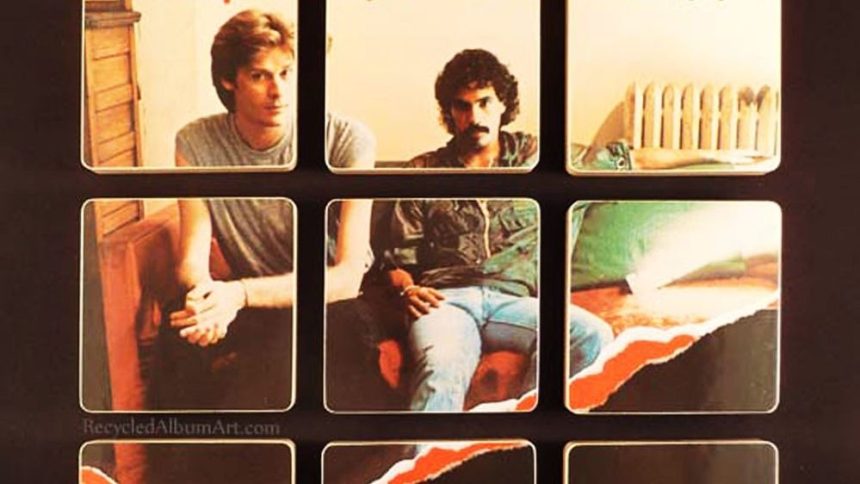
Daryl Hall on INXS’ “Original Sin” (1983)

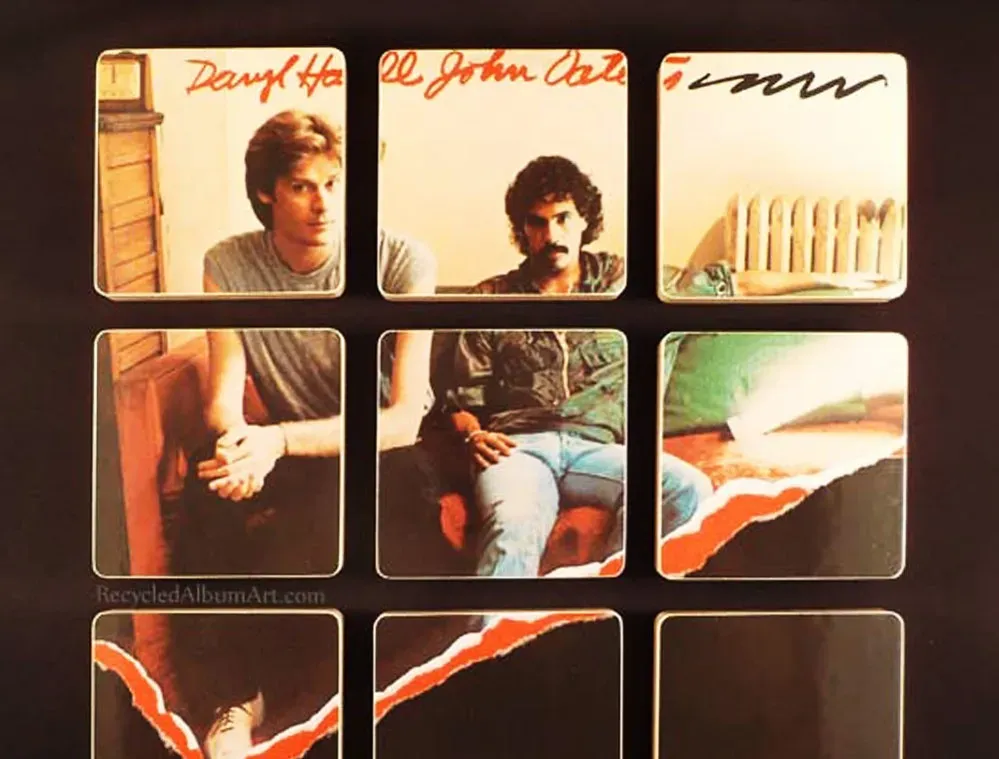
At the request of producer Nile Rodgers, the legendary Hall and Oates singer came to the studio to drop some blue-eyed soul on the choruses of this 1983 hit. INXS keyboardist and songwriter Andrew Farriss recalls, “We were doing vocals and I remember Nile thinking that he wanted a punchiness on one of the higher vocals. So he makes a call and Daryl Hall walks through the door.”
For a band still relatively unknown outside Australia at the time, having one of America’s biggest vocal acts slide quietly into the session was no small thing. Hall and Oates were massive as an international act at the time, and Farriss recalled just sitting there pinching himself because there was a huge rock star in America singing their song. The collaboration went unannounced and largely unnoticed, which is exactly how Nile Rodgers preferred to work: quietly, ruthlessly effective.
Michael Jackson on Rockwell’s “Somebody’s Watching Me” (1984)

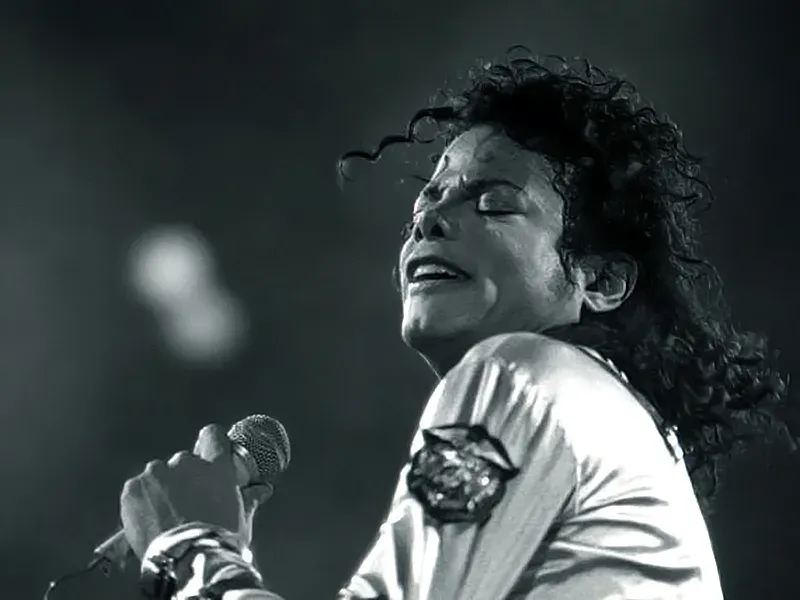
Rockwell was a childhood friend of Michael Jackson’s, so the King of Pop kindly donated backing vocals to his perennial Halloween hit. In the years since its release, “Somebody’s Watching Me” has caused confusion amongst listeners with many believing that the track is one of MJ’s own. That confusion is understandable. Jackson’s voice is so iconic that even a few seconds of it in the background can recolor an entire recording.
There were more connections between Rockwell and Jackson than simply being long-time friends. Rockwell, whose real name is Kennedy Gordy, is the son of Motown founder Berry Gordy, and Jermaine Jackson was married to Rockwell’s sister Hazel at the time of recording. The song was essentially a family affair dressed up as a pop single. Without those backing vocals, it’s doubtful it would have reached the top ten. With them, it became a cultural fixture.
Chappell Roan on Olivia Rodrigo’s “get him back!,” “lacy,” and “Can’t Catch Me Now”

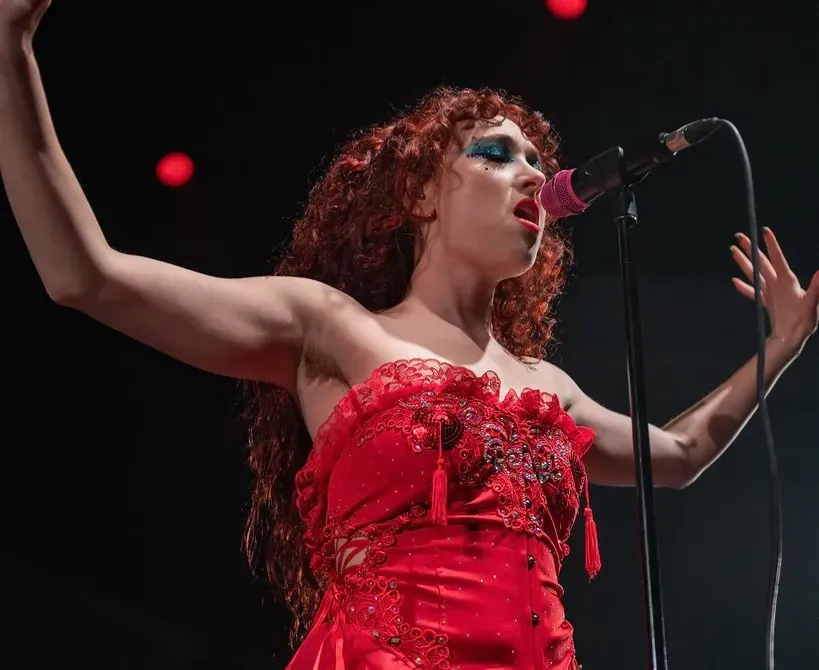
Chappell Roan did just that on several songs for Olivia Rodrigo prior to achieving chart success of her own. The “HOT TO GO!” singer assisted Rodrigo on “get him back!,” “lacy,” and “Can’t Catch Me Now” before joining Rodrigo’s tour. At the time those recordings were made, Roan was largely unknown outside of industry circles. The vocal contributions were real and present in the mix, though her name meant nothing to most listeners.
It’s worth pausing on this one, because the dynamic is the same as it’s always been. A talented singer lends their voice to someone else’s project, receives little credit, and watches the finished song reach millions of ears. Many successful artists began their careers as background singers. Artists such as Whitney Houston, Luther Vandross, Sting, Elton John, Mariah Carey, and Sheryl Crow all got their start as background singers for other artists before launching their solo careers. Roan’s trajectory followed a well-worn path, and her subsequent rise to stardom only highlighted how much unacknowledged talent has always lived just behind the lead vocal.