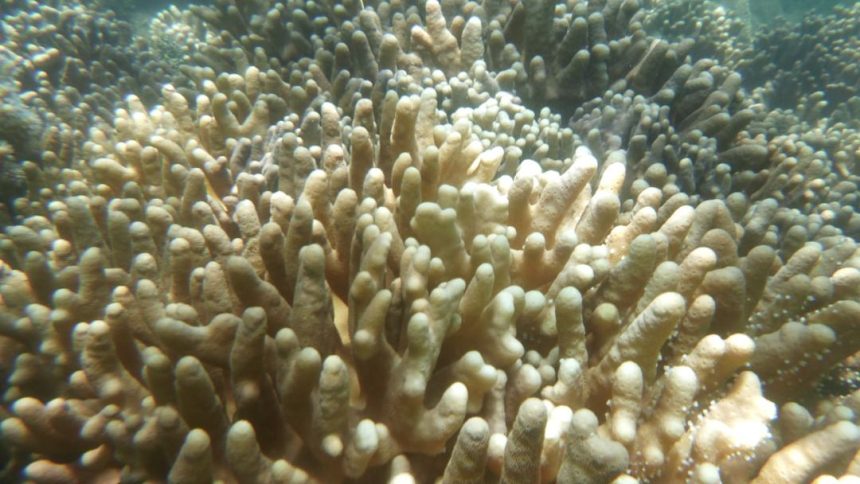
There’s something unsettling about watching paradise slowly slip away. Think about the travel dreams you’ve carried for years – crystal beaches, snow-capped mountains, vibrant coral reefs teeming with life. Now imagine them fading, shifting, or disappearing entirely within your lifetime.
It’s happening right now, not in some distant future.
The global surface temperature in 2024 ranked highest in the 145-year record at 1.54°C above the early industrial baseline average. Honestly, it’s not just about numbers on a chart anymore. The past three years have been the three hottest on record, and the ripple effects on travel destinations are accelerating in ways that should make us all pay attention.
Coral Reefs Are Dying in Real Time

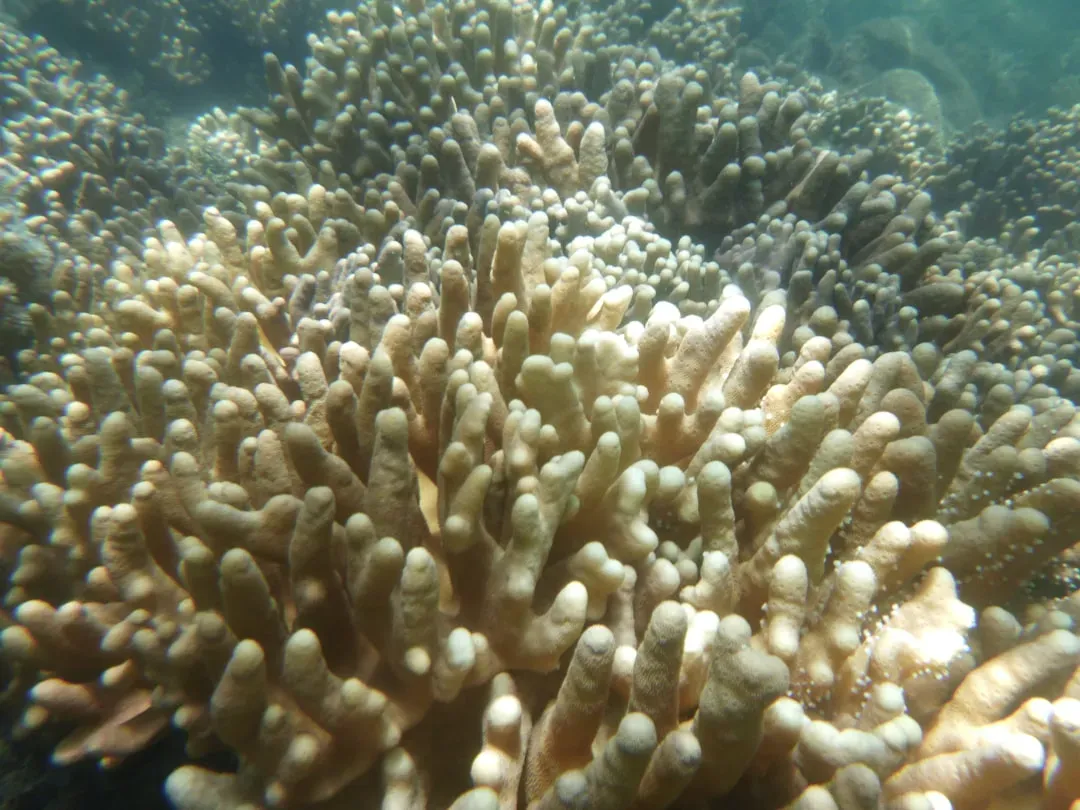
Let’s be real. The Great Barrier Reef was experiencing a widespread mass coral bleaching event in March 2024, marking the fifth mass coral bleaching event the reef has suffered in the last decade. This isn’t a slow decline anymore. By February 2024, 66 percent of coral colonies were bleached, and by April that figure reached 80 percent, with 44 percent of bleached colonies dying by July.
Some coral genera experienced mortality rates that are frankly catastrophic. The speed at which these ecosystems are collapsing is staggering. What took millions of years to build is unraveling within months during a single summer heat event. Coral reef systems across 53 countries experienced widespread coral bleaching in the last 12 months, prompting authorities to announce a fourth global bleaching event.
I know it sounds dramatic. Yet marine tourism hotspots that families have visited for generations are transforming into ghostly white graveyards underwater.
Rising Seas Are Swallowing Caribbean Beaches


An estimated 29 percent of Caribbean resort properties would be partially or fully inundated by one-metre sea level rise, with between 49 and 60 percent at risk of beach erosion damage. We’re talking about the Caribbean, one of the most tourism-dependent regions on Earth. Under a low emissions pathway, predictions suggest an average 53 percent loss in sandy beaches, resulting in a 30 percent hotel room loss and a 38 percent tourism revenue decrease by 2100, while higher emissions could cause a 47 percent reduction in direct tourism revenue.
These aren’t just beaches vanishing. They’re livelihoods, entire economies, and cultural identities tied to the sand and surf. Most Caribbean nations have been seeing their beaches disappear due to rising sea levels and recurring storms, with some areas of St. Vincent losing an estimated 18 to 30 meters of beach over nine years.
Think about that next time you plan a tropical getaway.
Tourism Itself Is Part of the Problem
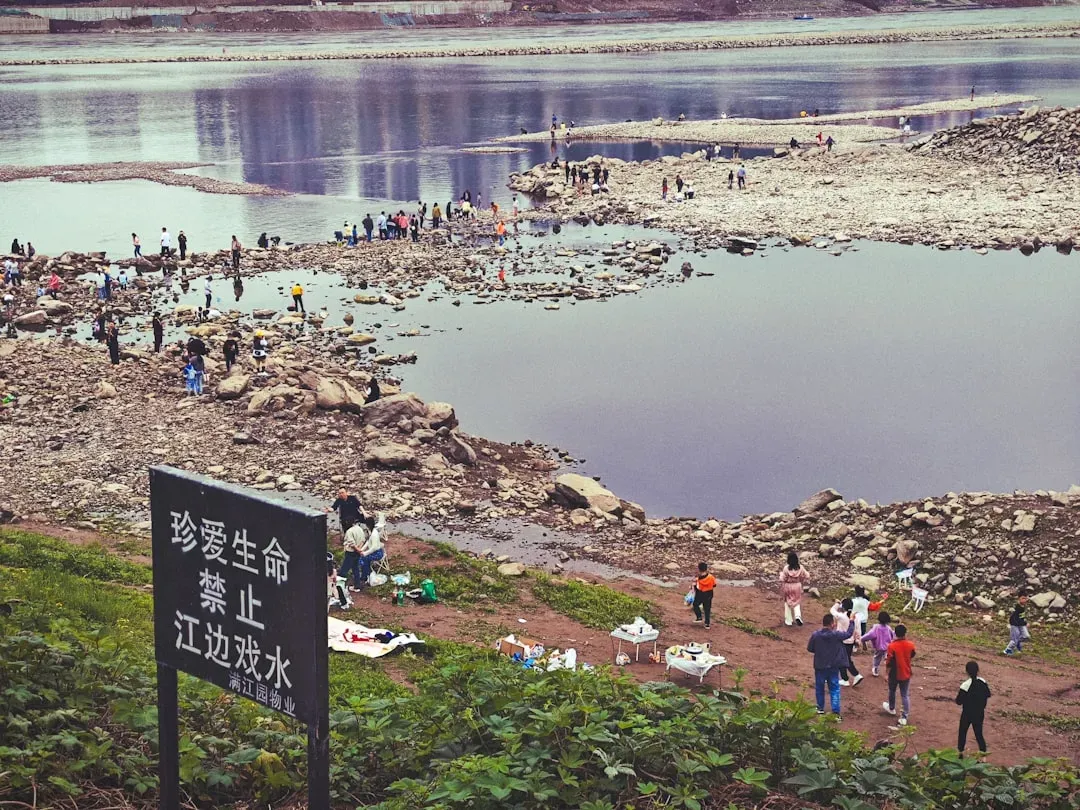
Here’s the uncomfortable truth we often ignore. Tourism’s global carbon footprint has increased from 3.9 to 4.5 billion metric tons of CO2 equivalent between 2009 and 2013, accounting for about 8 percent of global greenhouse gas emissions. With rapid expansion in travel demand, the growth rate of tourism carbon emissions has been twice that of the global economy, and the sector now accounts for 8.8 percent of the world’s greenhouse gas emissions.
The vacation we take to escape becomes part of the very crisis destroying the destinations we love. It’s a vicious cycle where tourism both drives climate change and suffers from it. Transport, shopping, food – all of it adds up faster than most travelers realize.
Extreme Weather Is Wrecking Infrastructure

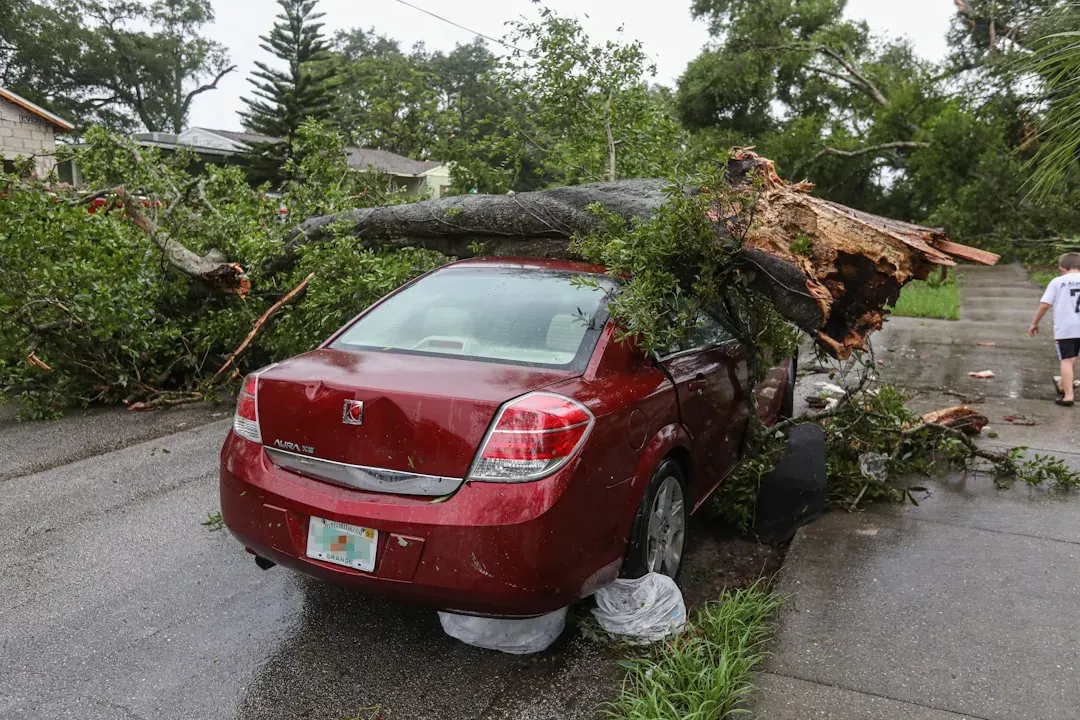
The number of billion-dollar disasters in 2024, 2023, and 2022 were all far above the long-term average, with rapidly-intensifying Hurricanes Milton and Helene causing over $113 billion combined in damage. More frequent hurricanes, storms, and flooding are damaging tourism infrastructure and forcing closures in destinations that depend on stable weather patterns.
Flash floods batter Greek islands just ahead of peak tourist seasons. Wildfires sweep across Mediterranean landscapes. Cyclones devastate resort properties in the Caribbean. The infrastructure that took decades to build can be wiped out in a matter of hours or days, setting communities back years in their recovery efforts. Tourism businesses can’t plan, visitors cancel trips, and local economies spiral.
Record Heat Is Changing Where We Travel
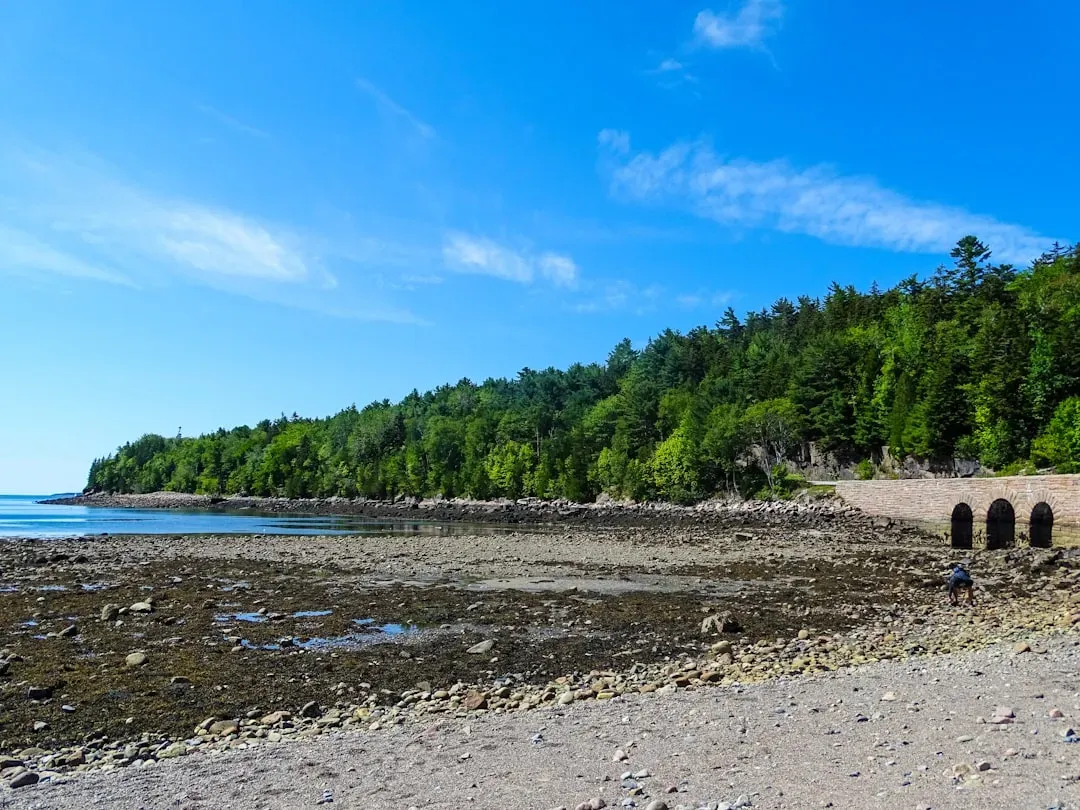
Extreme heat in traditional summer destinations like southern Europe is genuinely altering visitor behavior. People are reconsidering trips to places where temperatures regularly soar above 40 degrees Celsius during peak holiday months. More than half of older Millennial, Gen X, and Baby Boomer American and Canadian travelers said extreme summer heat was influencing their international travel plans, with leading cooler destinations favored including the Rocky Mountains, Denmark, Sweden, Norway, Finland, Australia, and New Zealand.
Countries in Northern Europe, such as Norway and Denmark, have seen an increase in tourist numbers, with Norwegian Air adding 10 new routes between northern Norway and European cities in July, while international arrivals to Norway, Ireland and Sweden were all up by more than 10 percent. Some call this trend “coolcations,” though whether it’s a genuine shift or clever marketing remains debatable.
Ski Resorts Are Running Out of Snow


Climate change is shortening ski seasons and reducing reliable snowfall in alpine regions. Mountain tourism destinations that once guaranteed powder from December through March are now facing winters where natural snow is scarce or nonzero. Ski towns built entirely around winter tourism are experiencing economic strain as their seasons shrink and snow reliability becomes unpredictable.
Resorts pump in artificial snow at enormous cost and energy expense, but there’s only so much technology can do when base temperatures keep climbing. Some lower-elevation ski areas have already closed permanently. Others are desperately pivoting to summer activities, hoping hikers and mountain bikers can replace the revenue lost from dwindling ski seasons.
Historic Sites Face Accelerating Decay

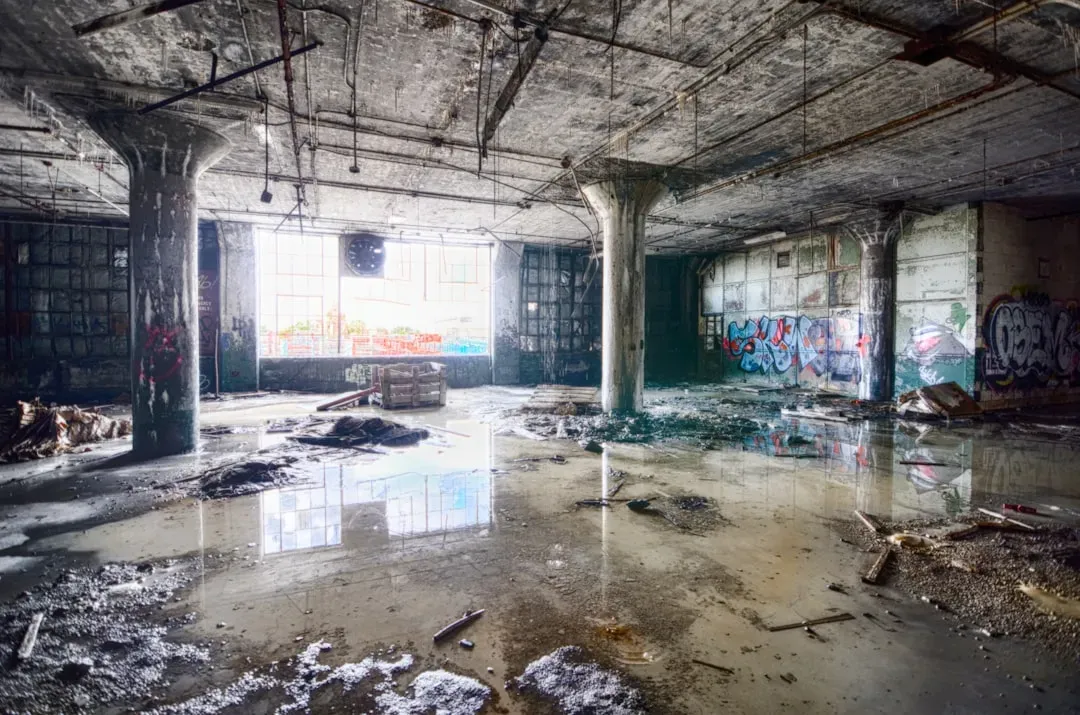
Rising temperatures, increased rainfall intensity, and more frequent freeze-thaw cycles are accelerating the decay of cultural heritage sites worldwide. Ancient structures that survived centuries are crumbling faster under climate stress. Coastal archaeological sites face erosion and flooding from sea level rise.
Preservation becomes exponentially more difficult and expensive. Some sites may become inaccessible or entirely lost within decades. These aren’t just tourist attractions. They’re irreplaceable windows into human history, and climate change is slamming them shut faster than conservation efforts can respond.
Water Scarcity Is Hitting Tourist Towns

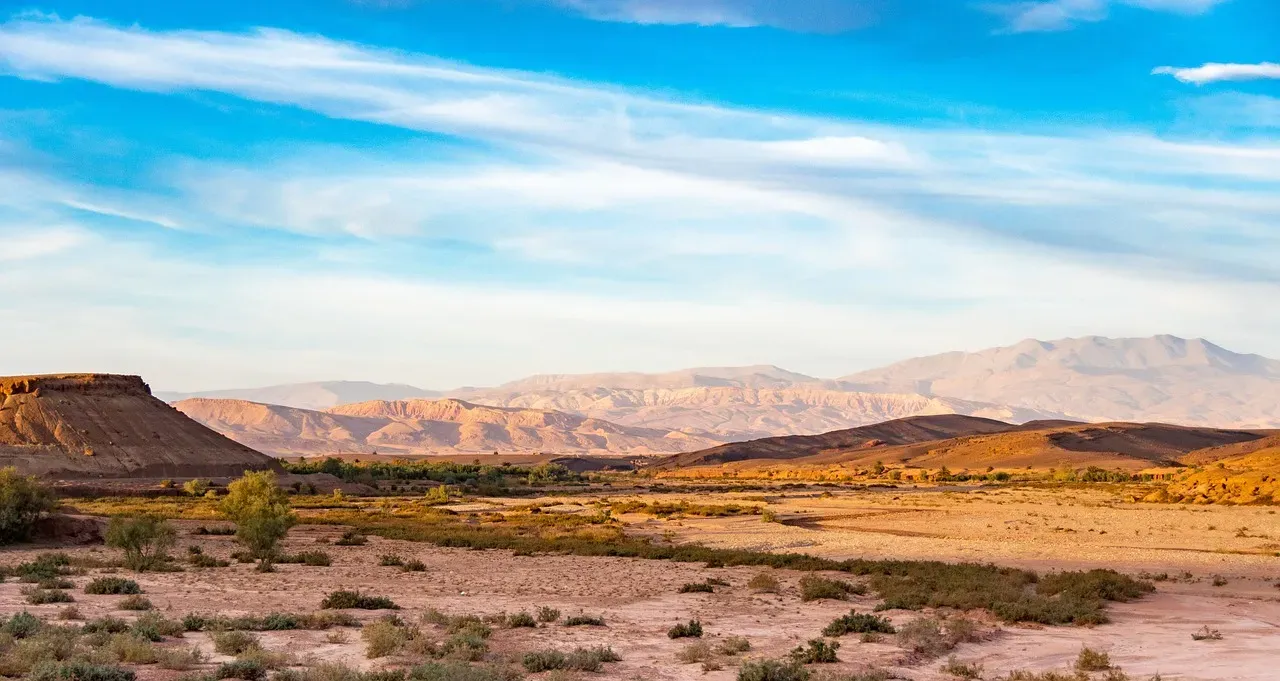
Tourism demands massive amounts of freshwater for hotels, golf courses, pools, and landscaping. Yet many popular destinations already struggle with water scarcity, and climate change is making it worse. Prolonged droughts, reduced snowpack, and altered rainfall patterns are depleting water reserves in regions heavily dependent on tourism.
Islands and coastal areas face saltwater intrusion into freshwater aquifers as sea levels rise. Mountain communities that relied on snowmelt find their sources drying up earlier each year. When water runs short, conflicts emerge between residents’ needs and tourism demands. Some destinations may simply become unsustainable for mass tourism as water becomes too scarce or expensive.
Wildlife Tourism Is Losing Its Stars

Species that draw tourists are migrating, declining, or disappearing as habitats shift. Polar bears in the Arctic, penguins in Antarctica, and countless other species face shrinking territories and food sources. National parks and wildlife reserves see altered migration patterns and breeding cycles that no longer align with traditional viewing seasons.
Coral reef tourism suffers not just from bleaching but from the collapse of entire ecosystems that supported colorful fish and diverse marine life. Safari destinations face changing vegetation and water availability that force animals into new ranges. Honestly, if we can’t stabilize the climate, wildlife tourism as we know it will become a memory of what once was.
Local Communities Bear the Greatest Burden

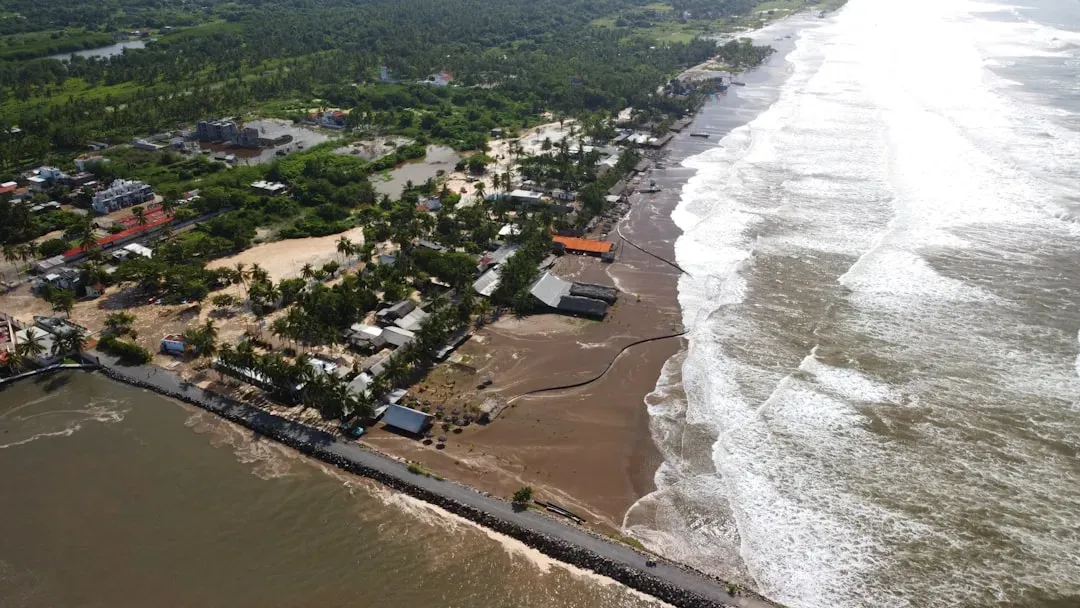
Climate change impacts on tourism destinations translate directly into lost revenue, job insecurity, and health risks for communities reliant on tourism for their livelihoods. Small island nations and coastal towns have the least responsibility for global emissions yet face the harshest consequences. Their economic survival depends on tourism, but their ability to adapt is constrained by limited resources.
When hurricanes destroy infrastructure, when beaches erode, when heat drives visitors away, local workers lose income immediately. Recovery takes years while debts mount. Entire generations face uncertain futures as the industries that sustained their communities for decades become increasingly fragile. The social fabric frays as young people migrate away seeking stability elsewhere.
The Future Depends on Action Now

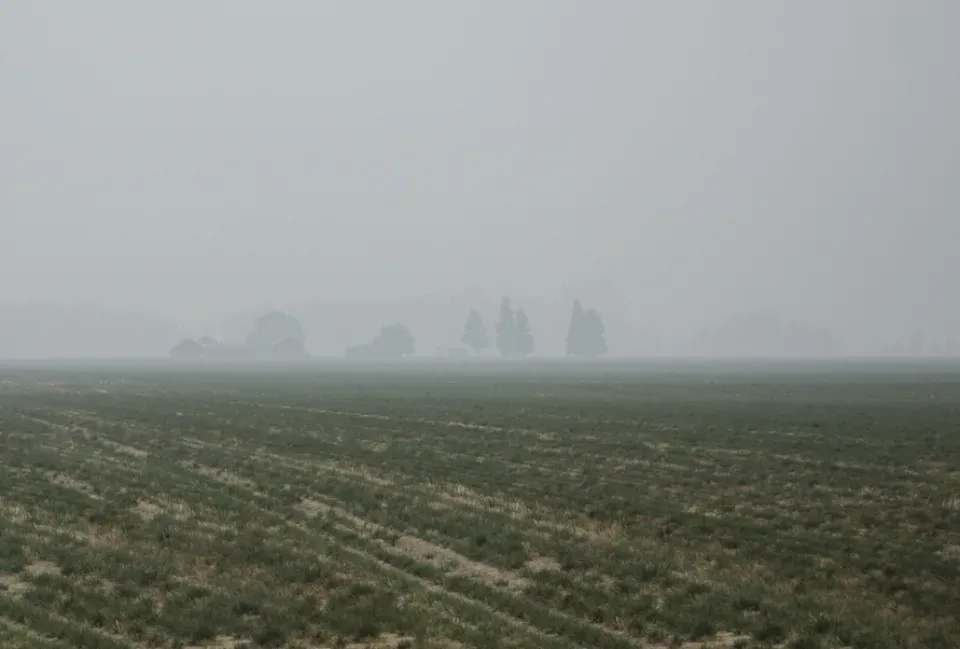
The past three years are indicative of an acceleration in warming, not consistent with the linear trend observed for the 50 years before that. Scientists warn that without immediate, substantial emissions reductions, the situation will worsen rapidly. The swift resurgence in global tourism demand signals a return to high emissions levels, with anticipated annual increases of 3 to 4 percent following current trends, presenting an insurmountable challenge for the tourism sector in aligning with the target of limiting global warming to 1.5 degrees Celsius.
Destinations worldwide are attempting adaptation strategies – restoring beaches, building seawalls, developing heat mitigation infrastructure. Yet adaptation has limits. Some changes are already irreversible. The coral that died this summer won’t regrow in our lifetimes. The beaches that washed away won’t naturally reform.
What happens next depends on choices made today. Travelers can opt for lower-carbon transportation, support sustainable tourism practices, and demand climate action from governments and industries. Destinations can invest in resilience and transition toward more sustainable models. Yet ultimately, will continue to alter – and potentially vanish – unless global emissions drop dramatically and quickly. The clock isn’t just ticking anymore. It’s screaming.