There’s a particular kind of silence that settles in the moments after a great film ends. Not emptiness, but something heavier. The credits roll, the lights come up, and yet you sit there, unable to move, still inside the world that just closed itself around you. Most films earn a quiet nod. Only a rare few earn that stillness.
What separates a strong ending from an unforgettable one isn’t surprise alone, or emotion, or spectacle. It’s the feeling that everything before those final five minutes was quietly leading somewhere inevitable. The movies below each nail that landing in a way that has lodged them permanently in the conversation about what cinema, at its very best, can actually do.
1. Casablanca (1942)
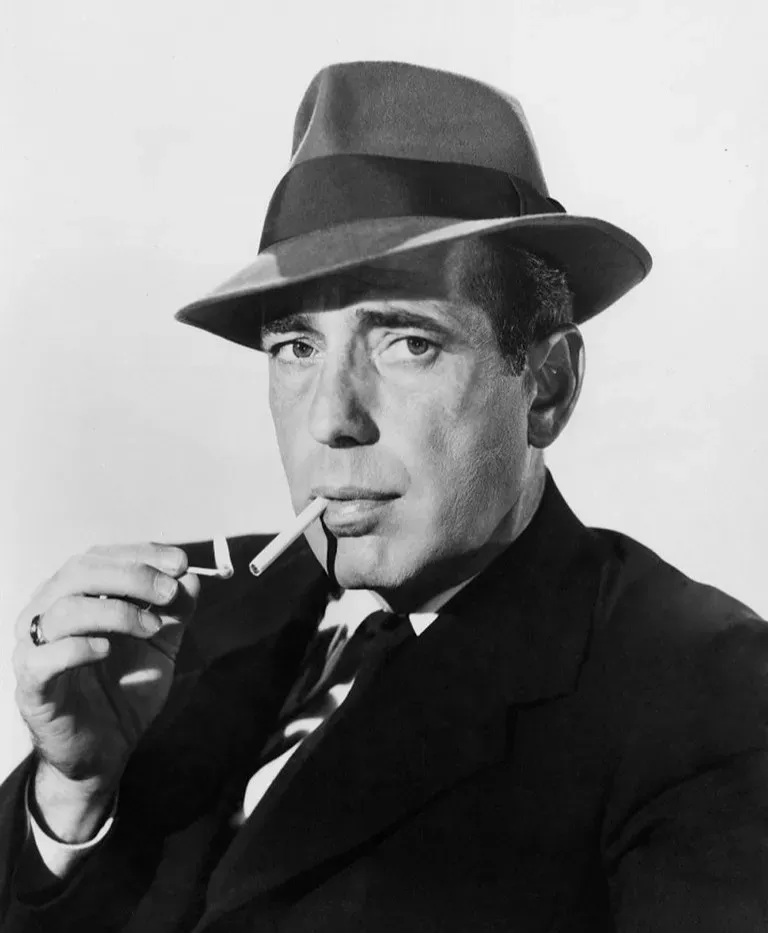
Though Casablanca received consistently strong reviews upon release, no one involved in its production could have expected it to become the transcendental classic it is today. Thanks to one of the most quotable scripts of Golden Age Hollywood and stunning performances from Humphrey Bogart and Ingrid Bergman, it’s widely regarded as one of the best war films made during World War II. The genius of its closing minutes is the pivot from heartbreak to something almost noble.
The film has its share of minor flaws, but none of that matters once you see the ending. In its last few moments, Rick makes the difficult choice, says goodbye to the love of his life, and after dispatching a Nazi officer, moves on alongside Captain Louis Renault, ending the film with the immortal line: “Louis, I think this is the beginning of a beautiful friendship.” Melancholy becomes nobility, romance becomes legend. These final minutes are why Casablanca is eternal: it ends not with heartbreak, but with meaning.
2. The Godfather (1972)
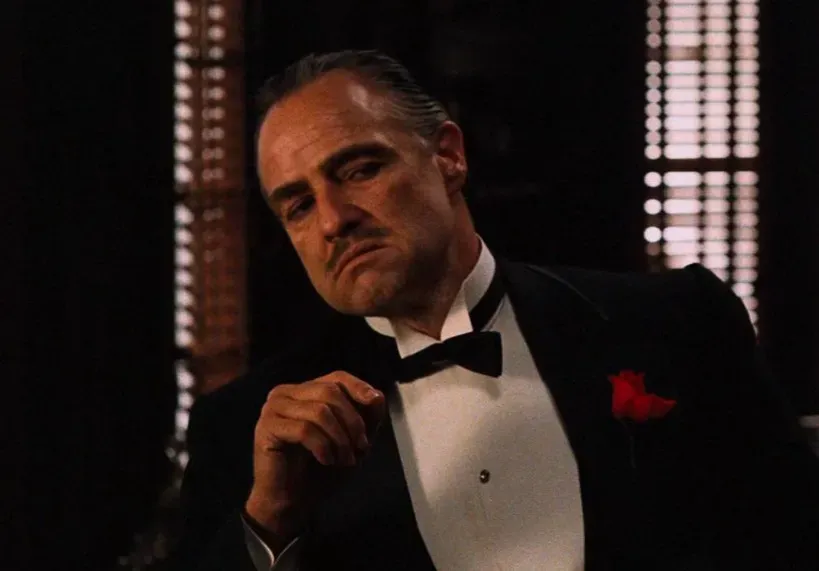
There are very few films as legendary as The Godfather, and as such, there are very few movie endings as legendary as that of Francis Ford Coppola’s magnum opus. This tale of family, betrayal, and crime is one of the best character-driven stories ever told on the big screen, and its conclusion admirably brings all of the epic story’s threads to a satisfying close. The final moments don’t announce themselves loudly. They whisper.
The doorway is one of the most important and memorable in cinema history. It’s two shots that people remember: Kay seeing who Michael has become as someone closes a door between her and him, and then the final shot showing her as the closing door also works as a fade to the end credits. It’s probably the simplest final few seconds of a movie ever discussed, yet certainly still one of the most striking in movie history.
3. Chinatown (1974)
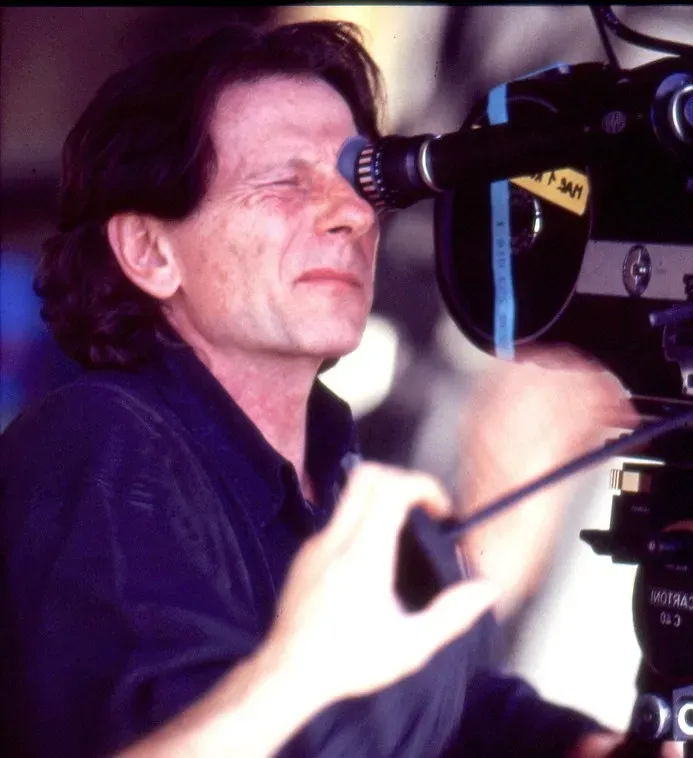
Private detective Jake Gittes watches helplessly as Evelyn Mulwray is shot by police while fleeing with her daughter. A colleague pulls Jake away, delivering the famous line “Forget it, Jake. It’s Chinatown.” Bleak, haunting, and uncompromising, this ending epitomizes the fatalism of noir. Roman Polanski’s choice to reject a happy resolution reinforced the film’s themes of corruption and powerlessness.
Rather than simply ending, Chinatown collapses, as if the moral weight of its story is too much for the screen to hold. Jake Gittes thinks he can outsmart the corruption. He believes he can save Evelyn Mulwray. He’s wrong. Tragic femme fatale Evelyn gets killed, Cross takes her daughter with him, and audiences are treated to one of the most riveting tragedies in the history of movies.
4. Citizen Kane (1941)
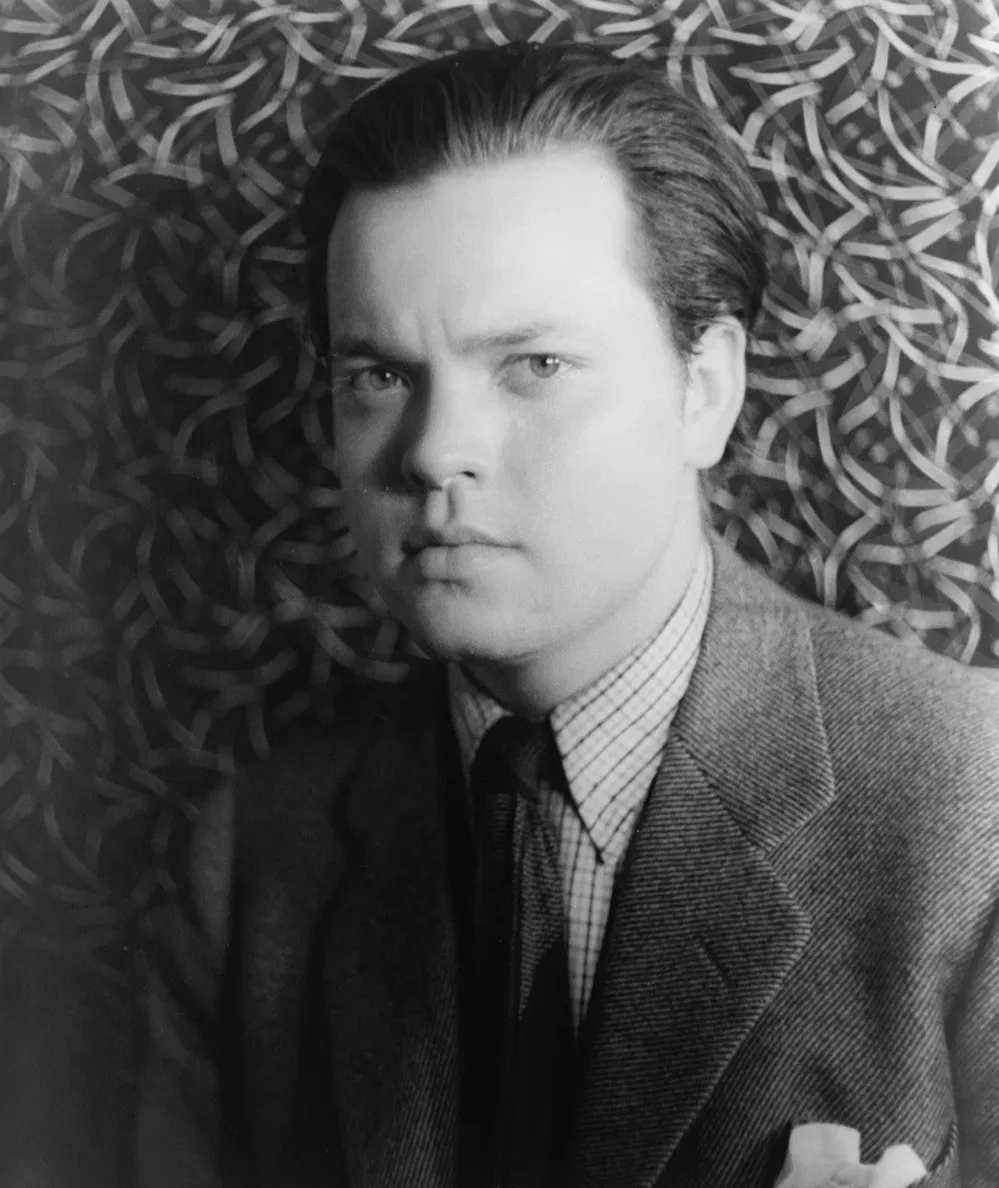
Almost unanimously agreed to be one of the greatest films of Hollywood’s Golden Age, Citizen Kane made Orson Welles a cinematic legend and revolutionized the craft in ways that are easy to take for granted nowadays. Everything about it, from its narrative structure to its cinematography, was groundbreaking at the time, and today it remains every bit as fascinating. Another big factor making Citizen Kane such an iconic masterpiece is that it has one of the most perfect endings in film history.
The camera reveals the mystery of Rosebud: Charles Foster Kane’s old childhood sled, which gets burned along with the rest of the deceased’s possessions. It’s one of the most layered, nuanced, and subtext-charged endings in movie history, and audiences, critics, and scholars alike have been endlessly analyzing it for decades. The sled says nothing and everything at once.
5. Blade Runner (1982)
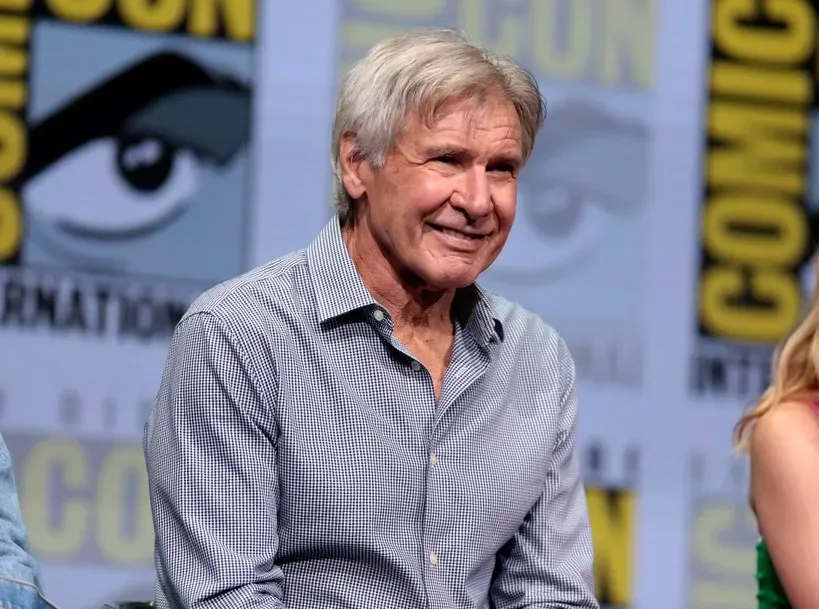
The “tears in rain” monologue is a 42-word speech consisting of the last words of Roy Batty, portrayed by Rutger Hauer, in Ridley Scott’s 1982 film Blade Runner, as he dies during a thunderstorm. Written by David Peoples and altered by Hauer himself, the monologue is frequently quoted. Critic Mark Rowlands described it as “perhaps the most moving death soliloquy in cinematic history.”
Despite being in a position of power in Blade Runner’s final moments, Roy chooses to save Deckard in an act of pity, as he can see himself in the other, even if Deckard himself is incapable of the same. Interestingly, the final lines had been enhanced by Hauer himself, who rewrote them into a shorter, emotionally impactful version and added the “tears in rain” phrase. The moment is both aesthetically and thematically stunning: Roy, rain-drenched and battered, captures the essence of being both man and machine, and the eternal tussle between life and death.
6. Se7en (1995)
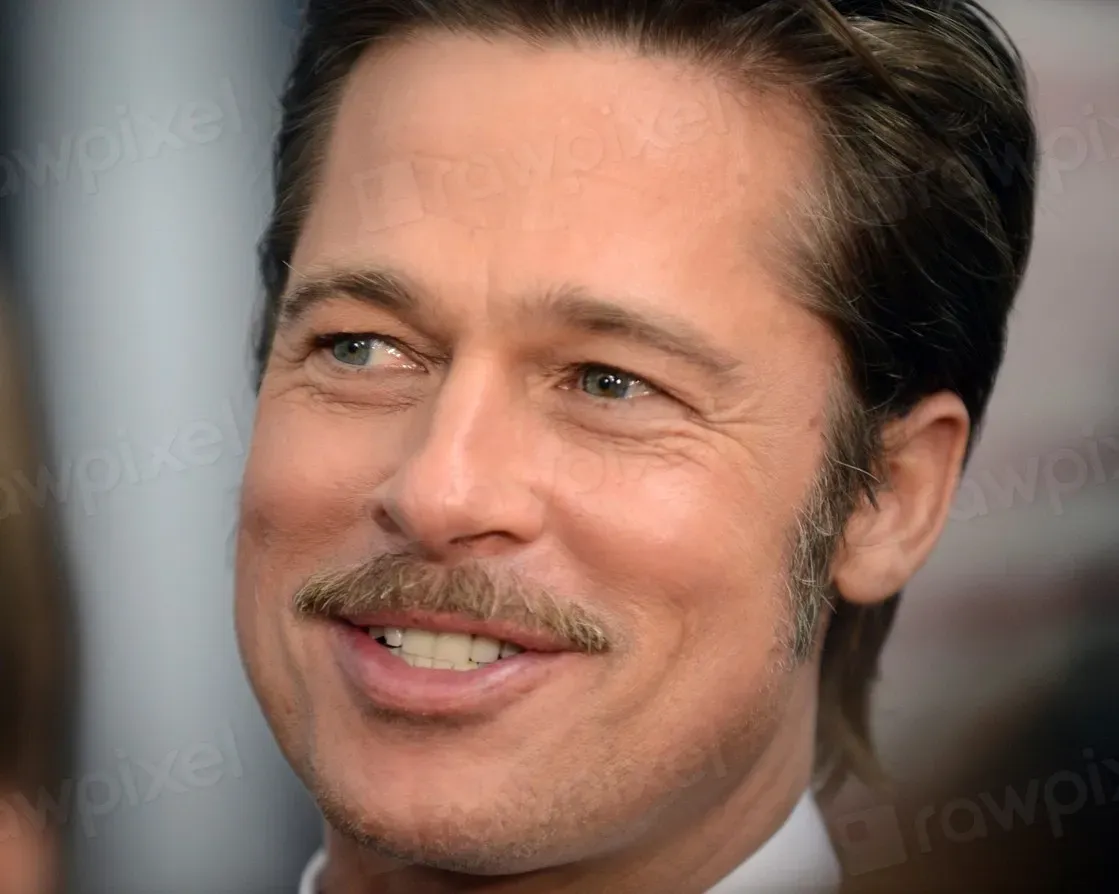
Detective Mills learns the final sin, envy, when John Doe reveals he has murdered Mills’s wife, Tracy. Her head is delivered in a box, driving Mills to shoot Doe and complete his plan. Few endings have shocked audiences so viscerally. David Fincher’s clinical direction, Darius Khondji’s bleak cinematography, and Howard Shore’s score turn the desert setting into a stage for pure despair.
Se7en’s ending refuses closure, instead leaving audiences with a moral paradox: Doe wins by losing. Restraint can make horror more powerful. The box is never shown, and that choice makes the scene infinitely more horrifying. Se7en reaches its gut-wrenching finale when Mills learns Doe has murdered his pregnant wife in an act of envy, leaving only the detective’s wrath.
7. The Usual Suspects (1995)
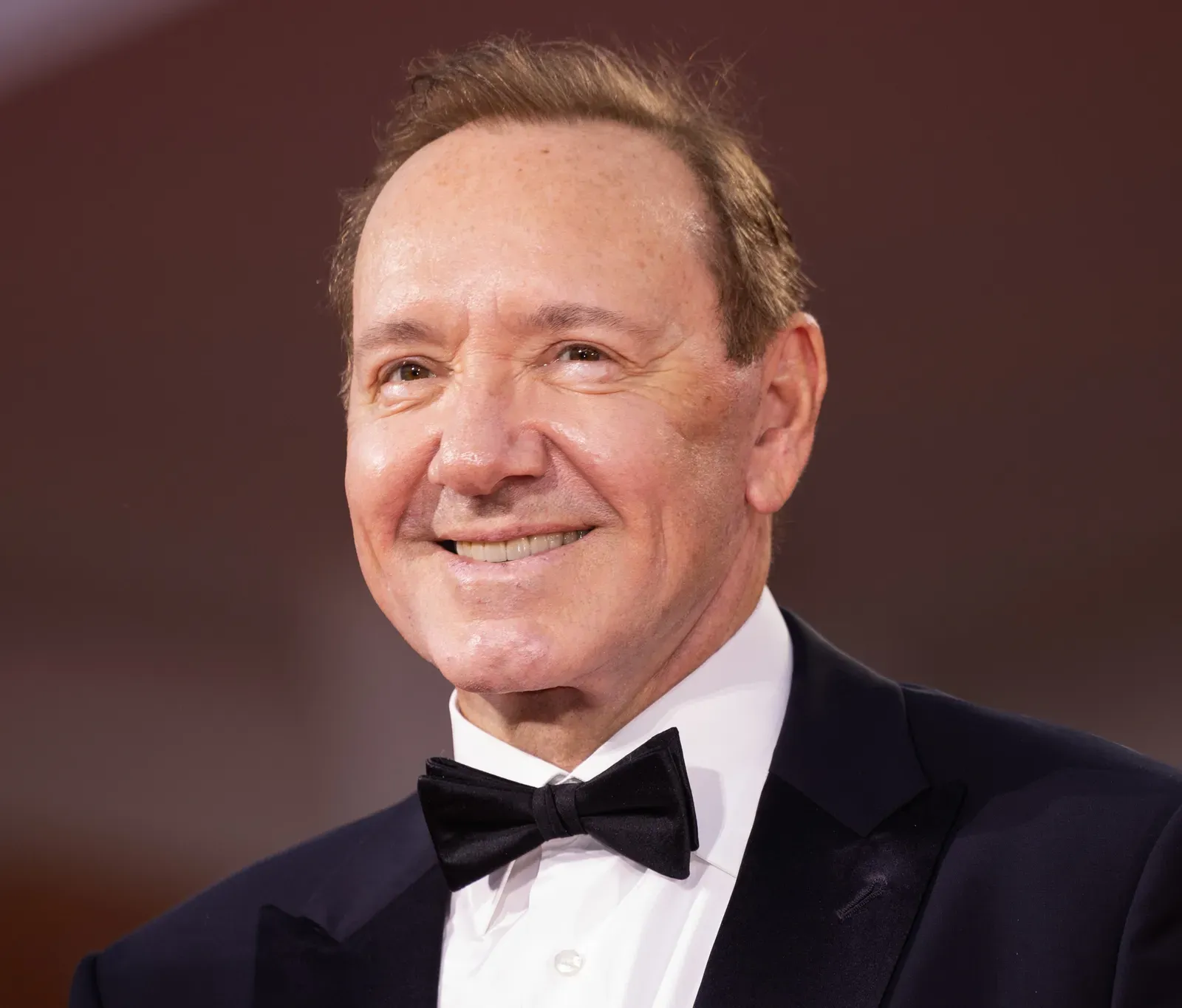
One of the greatest cinematic tricks ever pulled is the twist ending of The Usual Suspects. The question at the heart of the 1995 film was deceptively simple: Who is Keyser Söze? The answer, however, was anything but. Writer Christopher McQuarrie won the Academy Award for Best Original Screenplay, and the Writer’s Guild of America later named it one of the 101 best screenplays ever written.
The ending reveals that Verbal is Keyser Söze through a tight chain of reveals. Agent Kujan notices that key names in Verbal’s story match words sitting around his office, including “Kobayashi” on his coffee mug. The movie follows Verbal out the door before Kujan can act. In the last scene, Verbal strides without a limp to a getaway car and lights a triumphant cigarette, revealed to be Keyser Söze. The ground shifts beneath the viewer’s feet in real time.
8. Schindler’s List (1993)
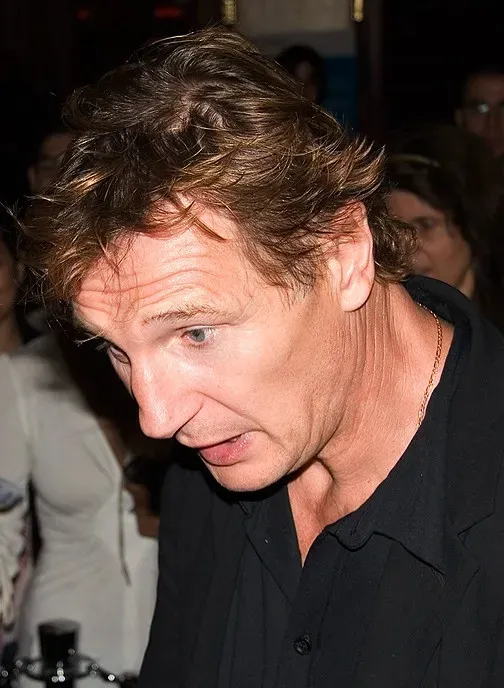
The thousands Schindler saved rally around him and comfort him before the film cuts back to color and the real people he saved lay flowers on the real Schindler’s grave. That shift from black and white to color is one of the most powerful tonal transitions in cinema history, a crossing from the documented past into the living present. The weight of what you’ve witnessed for over three hours lands all at once.
It is a devastating ending, but there’s also a glimmer of hope and humanity that leaves you feeling all kinds of emotional. It is just the perfect ending to a horrific but beautiful film. Spielberg understands that the most devastating statements are sometimes the quietest ones. The final minutes of Schindler’s List are proof of that.
9. Before Sunset (2004)
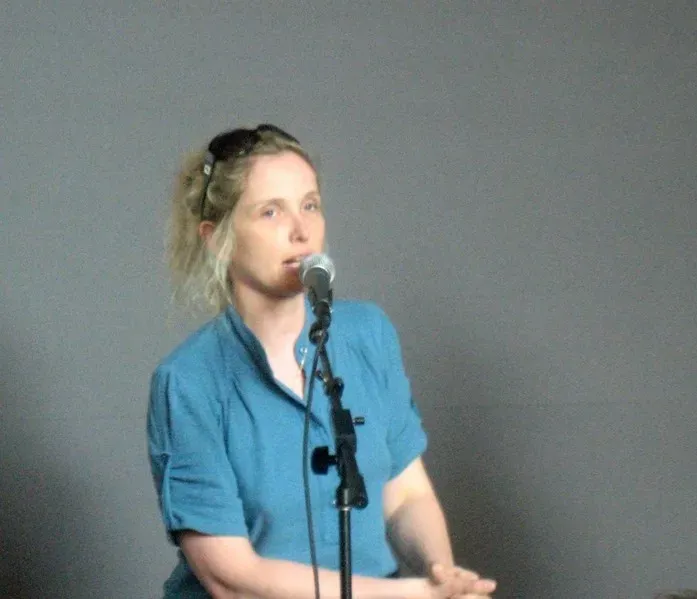
There’s an almost magical softness to the way Before Sunset ends, two people quietly circling the edge of something permanent. Jesse lingers in Paris with Celine. As they walk and talk, years of repression dissolve into flirtation, regret, and longing. They reach her apartment, she plays Nina Simone and dances; she smiles. Nothing is resolved. Everything is understood.
It’s a moment suspended between choice and consequence. These last five minutes carry the weight of the whole trilogy: how life slips by, how love can return when you least expect it, and how sometimes the bravest thing is to stay a little longer. You don’t need a kiss; that smile is everything. It’s just one of many reasons why this is one of the greatest trilogies in all of cinema.
10. Inception (2010)
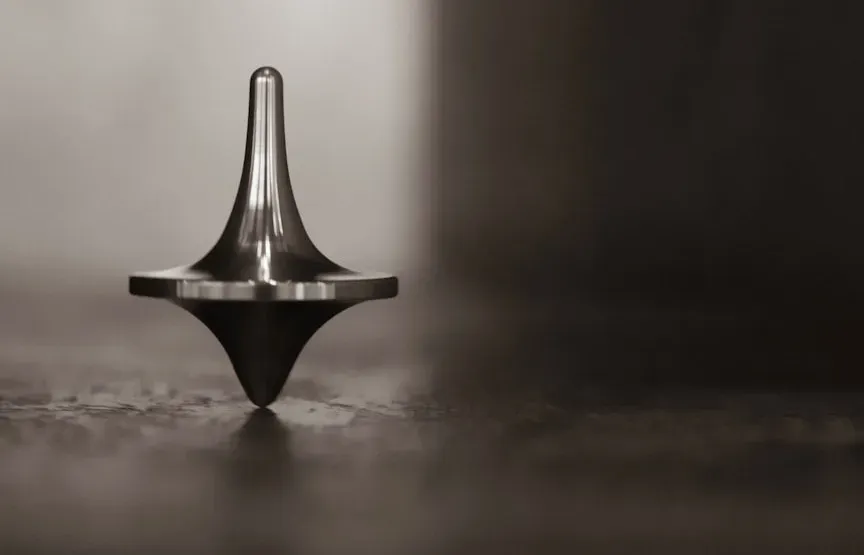
The 21st century has had some utterly flawless movie ending scenes, but legendary? Inception’s final scene, where Cobb returns home and spins his totem, a top that spins permanently when in a dream, only for Christopher Nolan to cut to black before the audience finds out whether the totem stopped spinning or not, is arguably the most legendary final scene in all of 21st-century cinema. Ambiguous endings don’t get much more popular with mainstream audiences than this.
Inception is widely regarded as the ultimate ambiguous ending. Cobb’s totem is the spinning top; if he’s in reality, the top will fall, but if he’s dreaming, it will spin forever. After returning to his family and seeing his kids, Cobb spins the top and walks away. The film cuts to credits before we see whether it falls or not, leaving the audience with one of the most debated questions in cinematic history: was Cobb dreaming, or did he actually reunite with his kids?
What links all ten of these films is a kind of earned ambition. Their endings work not because they trick you or overwhelm you, but because they complete something. Every one of these final five minutes has continued to generate discussion, analysis, and debate long after the films themselves left theaters, which is perhaps the most honest measure of their power.