You know that feeling when a song comes on and everyone, regardless of age, knows every single word? Those tracks didn’t just become popular by accident. They fundamentally shifted how we think about music, how artists approach their craft, and what’s possible within three to four minutes of sound.
Some of these songs broke technical barriers. Others shattered cultural ones. A few did both simultaneously, leaving the music industry scrambling to catch up. The wild part? Most of them faced initial resistance or confusion before becoming the iconic anthems we can’t imagine life without. Let’s dive into the tracks that didn’t just top charts but rewrote the rulebook entirely.
1. “Like a Rolling Stone” by Bob Dylan (1965)

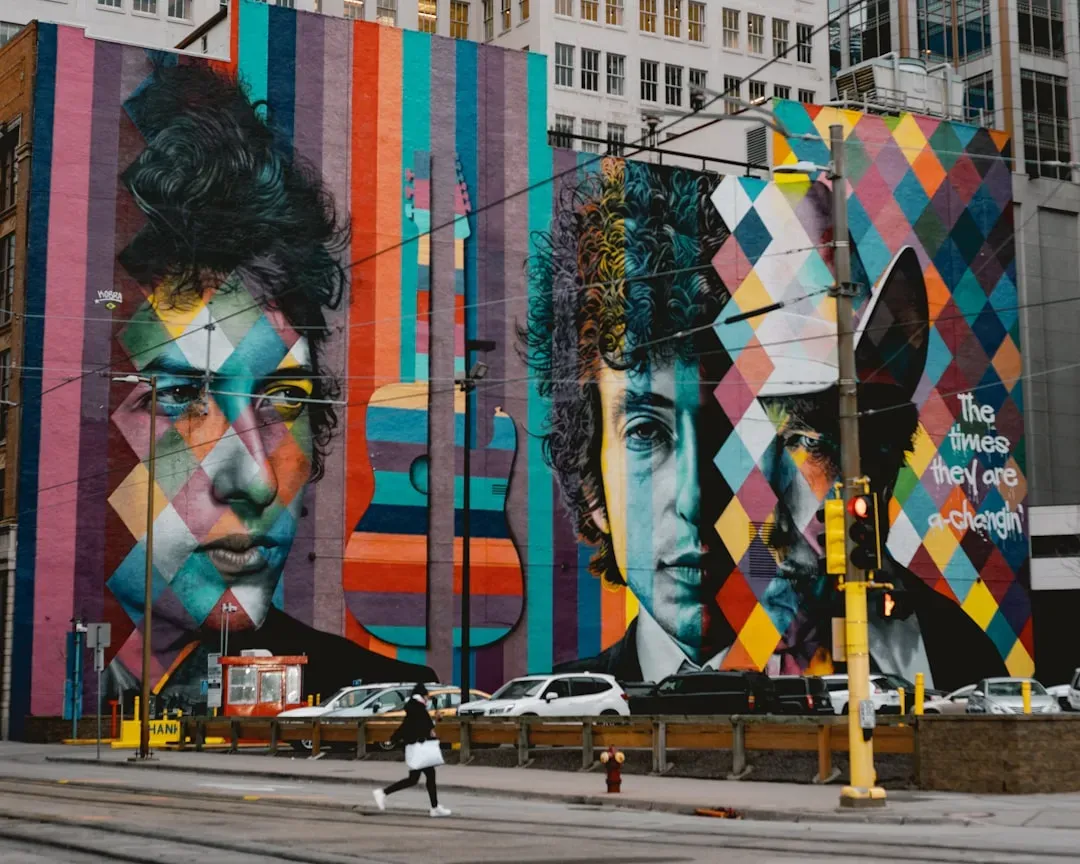
Before this track dropped, radio stations had an unwritten rule: keep songs under three minutes or risk losing listeners. Dylan walked into the studio and recorded a six-minute epic that radio programmers initially refused to play. The song’s length wasn’t its only rebellion, though.
Dylan plugged in an electric guitar at the Newport Folk Festival and faced actual boos from purists who thought he’d betrayed folk music’s acoustic traditions. His snarling vocals and stream-of-consciousness lyrics about a fallen socialite created a template for rock music that valued raw emotion over polished perfection. The organ riff alone became one of the most recognizable sounds in rock history.
This wasn’t just a song. It was a declaration that popular music could be literary, confrontational, and unapologetically long. Every artist who’s since broken the three-minute barrier owes something to Dylan’s stubborn vision.
2. “Good Vibrations” by The Beach Boys (1966)


Brian Wilson spent roughly six months and a small fortune creating what he called a “pocket symphony.” The recording sessions involved four different studios and cost over $50,000, an astronomical sum for a single track back then. Wilson assembled the song in sections, treating the recording studio itself as an instrument rather than just a place to capture performances.
The theremin’s eerie wail gave the track an otherworldly quality that radio audiences had never encountered in a pop song. Wilson layered harmonies with obsessive precision, creating walls of sound that seemed to shimmer and shift. The song’s structure defied conventional verse-chorus patterns, instead flowing through distinct musical movements.
This track proved that pop music could be as complex and artistically ambitious as classical composition. It opened the door for progressive rock, art pop, and basically every genre that treats the studio as a creative tool rather than just a recording device.
3. “Respect” by Aretha Franklin (1967)

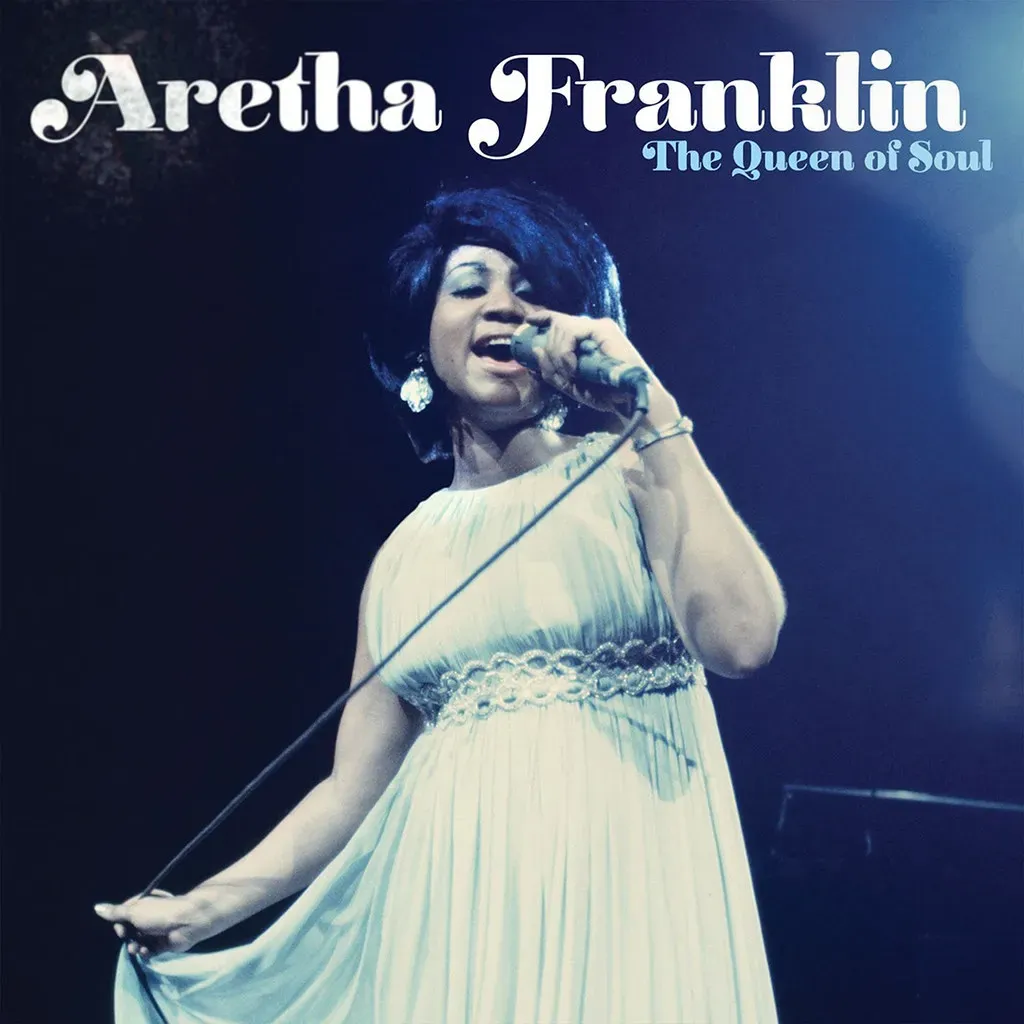
Otis Redding wrote and recorded this song first, framing it as a man asking his woman for respect when he comes home. Franklin flipped the entire narrative, transforming it into a powerful demand for dignity that resonated far beyond romantic relationships. Her arrangement added the iconic “R-E-S-P-E-C-T” spelling and the “sock it to me” backing vocals that made the song impossible to forget.
The track became an anthem for both the civil rights movement and the emerging feminist movement, proving music could be politically powerful without being preachy. Franklin’s vocal performance redefined what soul singing could be, her voice moving from controlled power to explosive emotion in seconds. She took a good song and turned it into a cultural earthquake.
Every female artist who’s since used music to assert independence and demand equality is walking a path Franklin paved with this recording.
4. “I Want to Hold Your Hand” by The Beatles (1963)

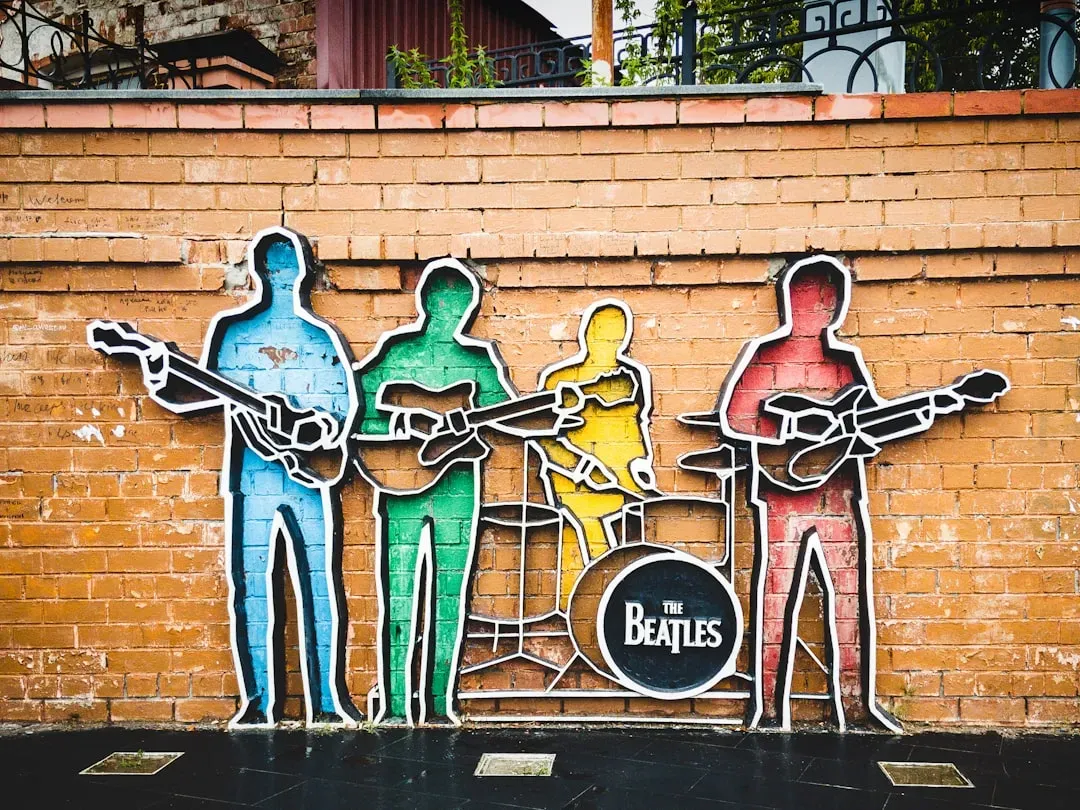
The Beatles’ American breakthrough didn’t just introduce four lads from Liverpool to a new audience. It fundamentally altered the music industry’s power structure, proving British acts could dominate American charts and shifting the cultural center of popular music across the Atlantic. The song’s energy felt electric, immediate, and somehow both innocent and rebellious.
What made the track revolutionary wasn’t just its catchiness but its production clarity and the chemistry between John Lennon and Paul McCartney’s voices. The “oh yeah, I’ll tell you something” opening grabbed listeners instantly, refusing to waste a single second. Radio stations that initially dismissed British acts suddenly scrambled to find the next big thing from across the pond.
This single track launched what became known as the British Invasion and proved that rock and roll wasn’t just an American phenomenon anymore. The global music market we take for granted today started here.
5. “Smells Like Teen Spirit” by Nirvana (1991)


Hair metal dominated MTV when this grunge anthem crashed through like a wrecking ball covered in flannel. Kurt Cobain’s raw vocals and the song’s quiet-loud-quiet dynamic became the blueprint for alternative rock throughout the nineties. The track’s success felt almost accidental, as if Nirvana stumbled into changing music history while just trying to make noise.
Record labels immediately pivoted from glam rock to signing any band from Seattle they could find. The song’s video, shot for roughly $30,000, showed that you didn’t need elaborate production or costume changes to connect with audiences. Cobain’s mumbled, almost incomprehensible lyrics somehow felt more authentic than the polished rock anthems that came before.
This track killed off an entire era of rock music overnight and ushered in a new one that valued authenticity over spectacle. Every indie and alternative artist since has benefited from the doors Nirvana kicked open.
6. “What’s Going On” by Marvin Gaye (1971)

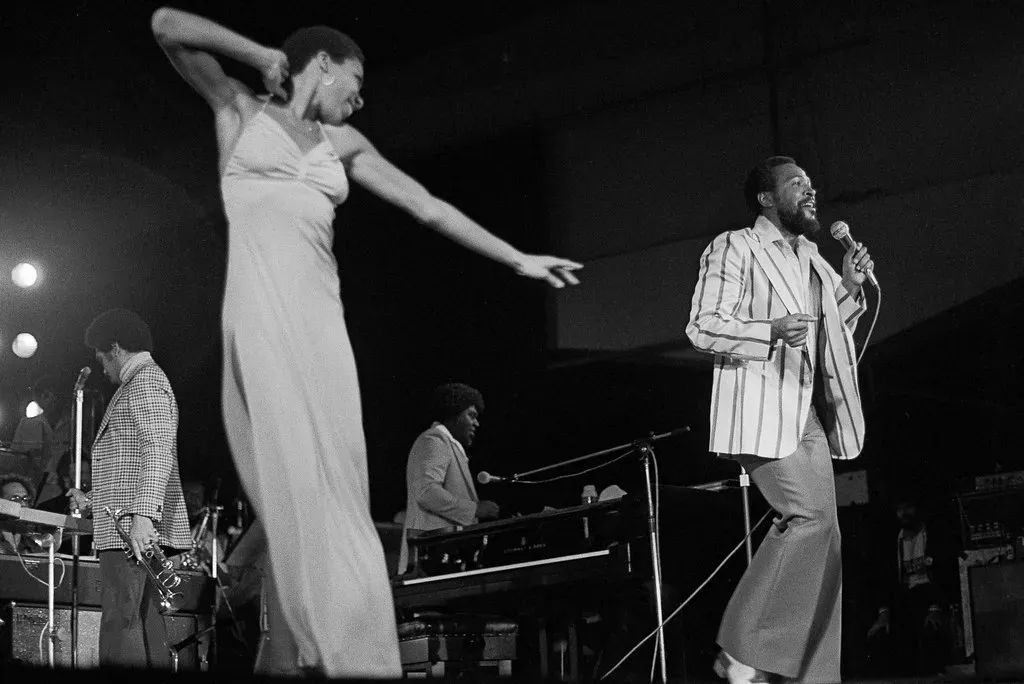
Motown’s Berry Gordy initially hated this song, thinking it was too political and too jazz-influenced for the label’s pop-soul formula. Gaye fought to release it anyway, creating a soundscape that layered multiple vocal tracks and added party chatter in the background to create an intimate, conversational feel. The song addressed war, police brutality, and environmental destruction without sounding preachy or didactic.
Gaye’s smooth vocals floated over the instrumentation rather than pushing through it, creating a sense of melancholy reflection that soul music hadn’t quite captured before. The song’s success proved that audiences wanted substance alongside style, that dance music could also make you think. It transformed Gaye from a romantic crooner into a socially conscious artist and gave other Motown acts permission to tackle serious subjects.
This track showed that Black artists could speak directly about social issues and still achieve commercial success, paving the way for conscious hip-hop and R&B that followed decades later.
7. “Bohemian Rhapsody” by Queen (1975)


Radio programmers thought Freddie Mercury had lost his mind when he delivered a nearly six-minute operatic rock song with no chorus and multiple distinct sections. The track moves from a cappella harmonies through a piano ballad into a mock-Italian opera section before exploding into a hard rock climax. Mercury refused to explain what the lyrics meant, adding to the song’s mystique.
The accompanying music video essentially invented the modern music video format, showing that visual presentation could be as important as the song itself. Queen’s willingness to blend rock with opera and theatrical elements proved that genre boundaries were meant to be demolished rather than respected. The multi-tracked harmonies required such precise studio work that the band struggled to recreate the sound live.
This song demonstrated that popular music could be genuinely weird and still become a massive hit. It gave permission to progressive rock, art rock, and any artist who wanted to take creative risks without worrying about radio-friendly formats.
8. “Rapper’s Delight” by The Sugarhill Gang (1979)

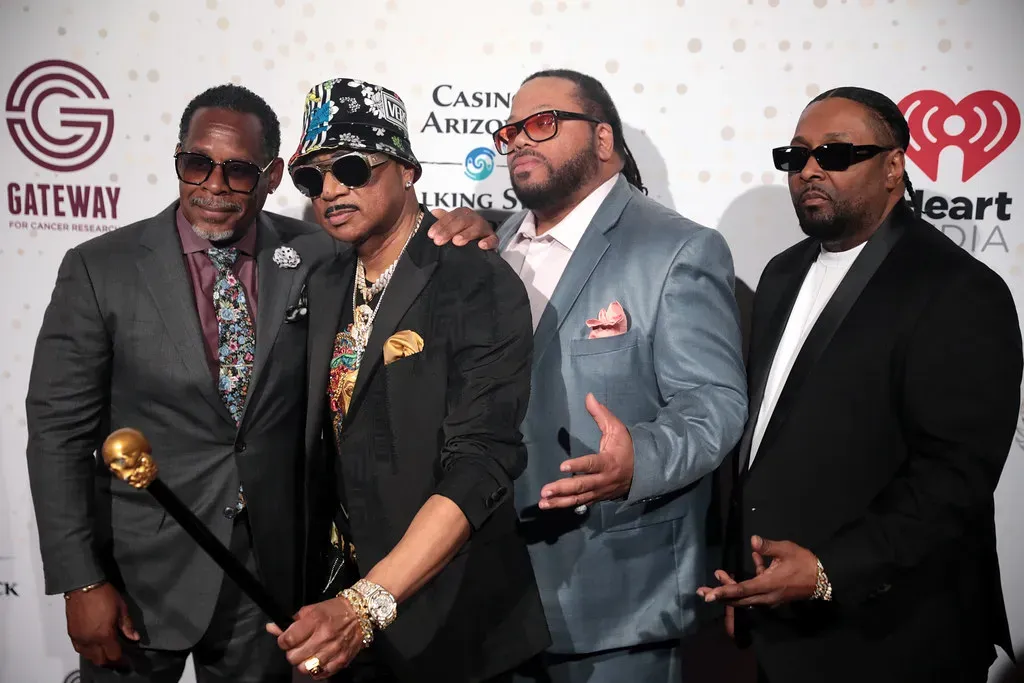
Hip-hop existed in New York block parties and underground clubs for years before this track brought it to mainstream radio. The song’s nearly 15-minute original version proved that hip-hop could work as a commercial format, not just a live performance art. The Sugarhill Gang rapped over Chic’s “Good Times” bassline, creating a template for sampling that would define hip-hop production for decades.
Radio stations didn’t have a category for this music at first, unsure whether it was disco, funk, or something entirely new. The track’s success forced the music industry to acknowledge hip-hop as a legitimate genre rather than a passing fad. The playful, party-focused lyrics made hip-hop accessible to audiences who might have been intimidated by more aggressive street rap.
Partner offer

This single track launched a genre that would eventually dominate global popular music. Every rap song you’ve ever heard exists because this track proved hip-hop could sell millions of records.
9. “Stairway to Heaven” by Led Zeppelin (1971)


Led Zeppelin refused to release this as a single, yet it became one of the most-played songs in radio history. The track builds from a gentle acoustic opening through electric passages into a full rock crescendo, taking listeners on an eight-minute journey that redefined what rock songs could achieve structurally. Jimmy Page’s guitar solo remains one of the most iconic in rock history, studied and imitated by countless guitarists.
The song’s mystical lyrics about a lady who’s sure all that glitters is gold sparked endless debates and interpretations. Its success proved that FM radio could support longer, more complex songs than Top 40 AM stations would touch. Rock bands suddenly realized they didn’t need to compromise their artistic vision to achieve commercial success.
This track established the epic rock ballad as a format and showed that audiences had the attention span for longer, more sophisticated compositions. It remains a rite of passage for anyone learning guitar.
10. “Thriller” by Michael Jackson (1982)

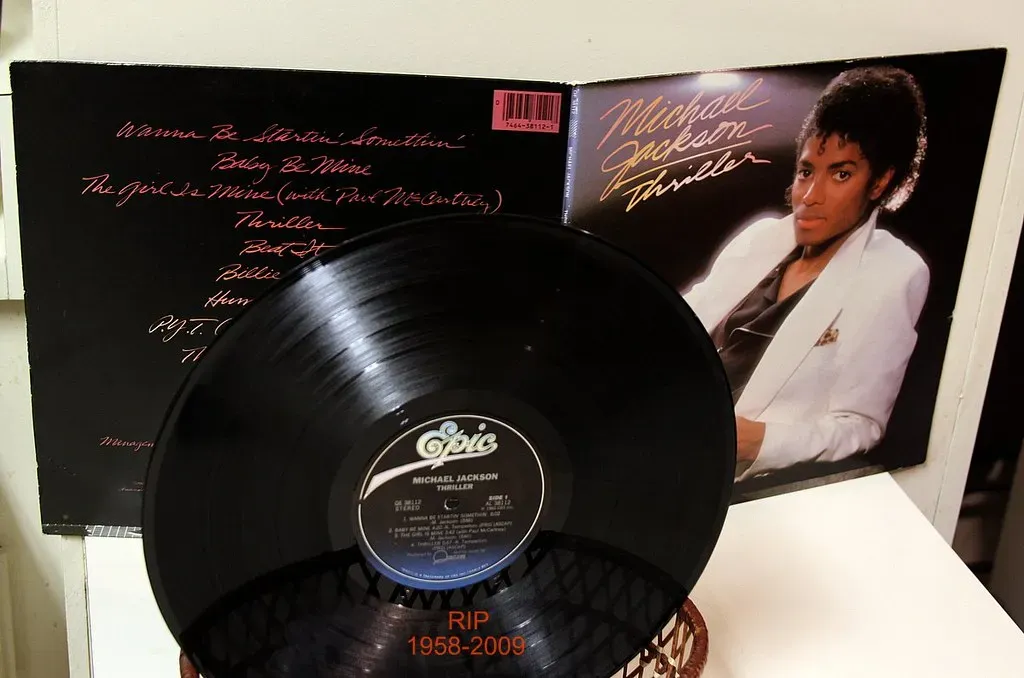
The 14-minute music video for this song essentially created MTV as a cultural force. Jackson hired film director John Landis and spent over half a million dollars creating what was essentially a short horror film set to music. The video featured actual choreography, makeup effects, and a narrative structure that made previous music videos look like amateur footage.
Vincent Price’s spoken-word section added theatrical flair that pushed the song beyond typical pop formats. The track’s production, handled by Quincy Jones, layered synthesizers with traditional instruments in ways that defined eighties pop music’s sound. Jackson’s vocal performance moved effortlessly from singing to talking to those distinctive vocal hiccups that became his signature.
This wasn’t just a song but a multimedia event that proved music videos could be art forms themselves. It broke down racial barriers at MTV, which had previously barely featured Black artists, and set new standards for what pop stardom could look like.
11. “Johnny B. Goode” by Chuck Berry (1958)

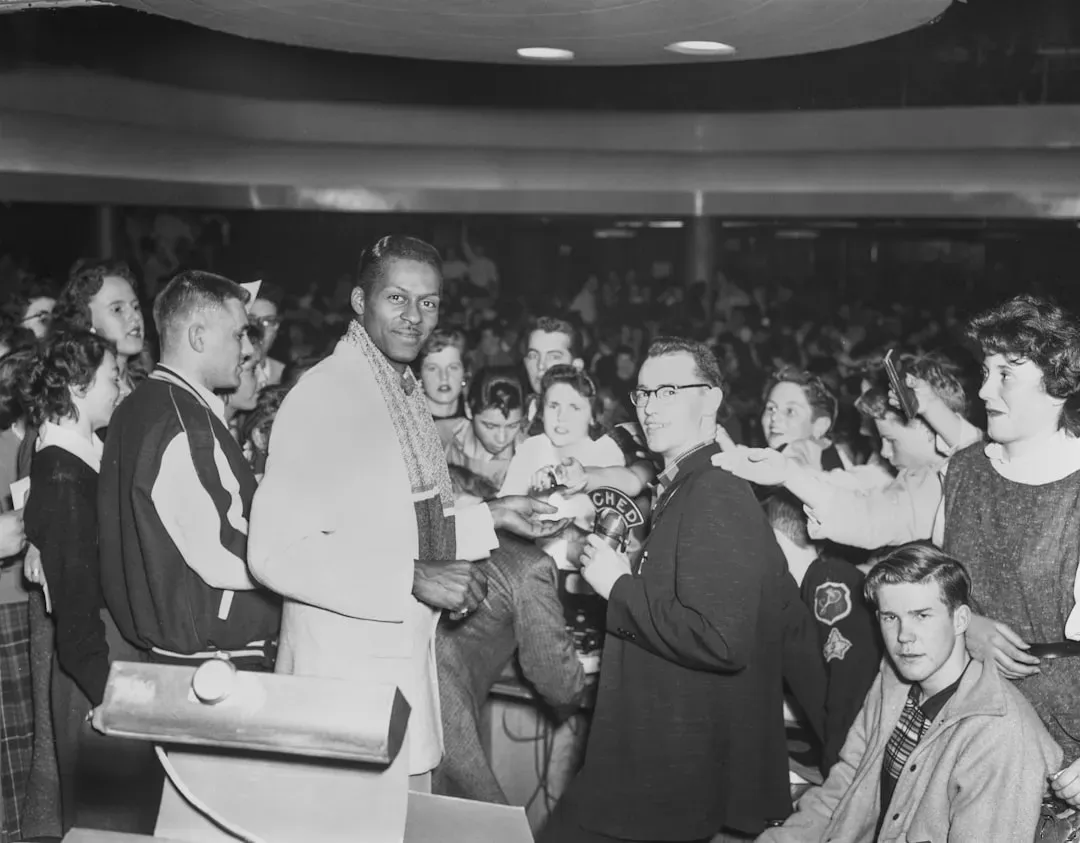
Chuck Berry’s guitar intro remains one of the most recognizable riffs in rock history, establishing the blueprint for rock and roll guitar playing. The song told a story about a country boy who could play guitar just like ringing a bell, creating a narrative template for countless rock songs about musical dreams and small-town origins. Berry’s duck walk performance style became as influential as the song itself.
The track proved that rock and roll wasn’t just noise but a legitimate musical form with its own techniques and artistry. Berry’s clear diction and clever wordplay showed that rock lyrics could be literate and meaningful. The song’s energy felt dangerous and exciting to parents while remaining catchy enough to dominate jukeboxes across America.
Every rock guitarist who’s ever played a power chord owes something to Berry’s innovations here. This song essentially wrote the instruction manual for rock and roll as we know it.
12. “I Will Always Love You” by Whitney Houston (1992)

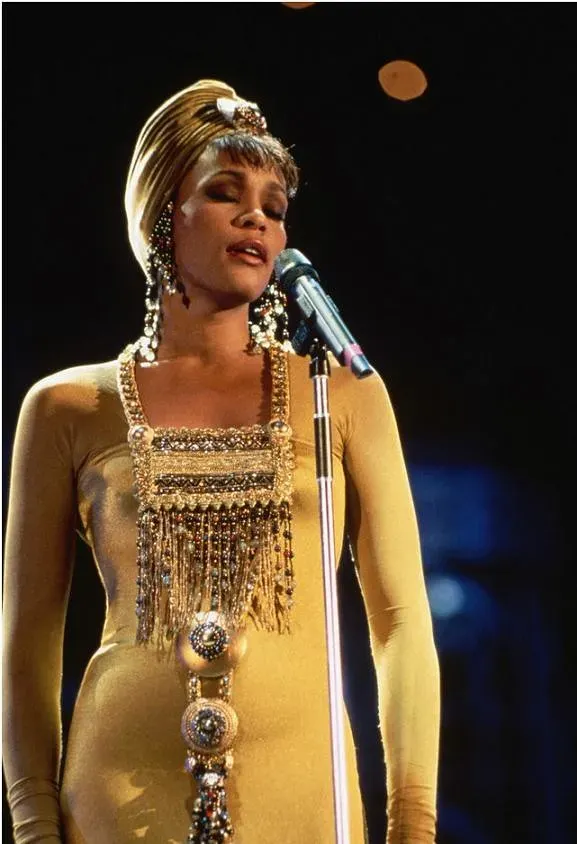
Dolly Parton wrote this as a bittersweet country ballad, delivering it with gentle restraint. Houston transformed it into a powerhouse vocal showcase that redefined what pop ballads could achieve technically. That sustained note before the final chorus became one of pop music’s most iconic moments, a demonstration of pure vocal ability that seemed almost superhuman.
The song’s success proved that genuine vocal talent could still dominate in an era increasingly focused on production and image. Houston’s version spent a stunning 14 weeks at number one, showing that audiences craved emotional authenticity alongside technical perfection. Her performance influenced a generation of singers who tried to match her power, often pushing their voices beyond healthy limits.
This track established the modern power ballad format and showed that a song could be both a commercial juggernaut and a showcase for artistic excellence. It remains the standard against which all other pop vocal performances are measured.
13. “Billie Jean” by Michael Jackson (1983)

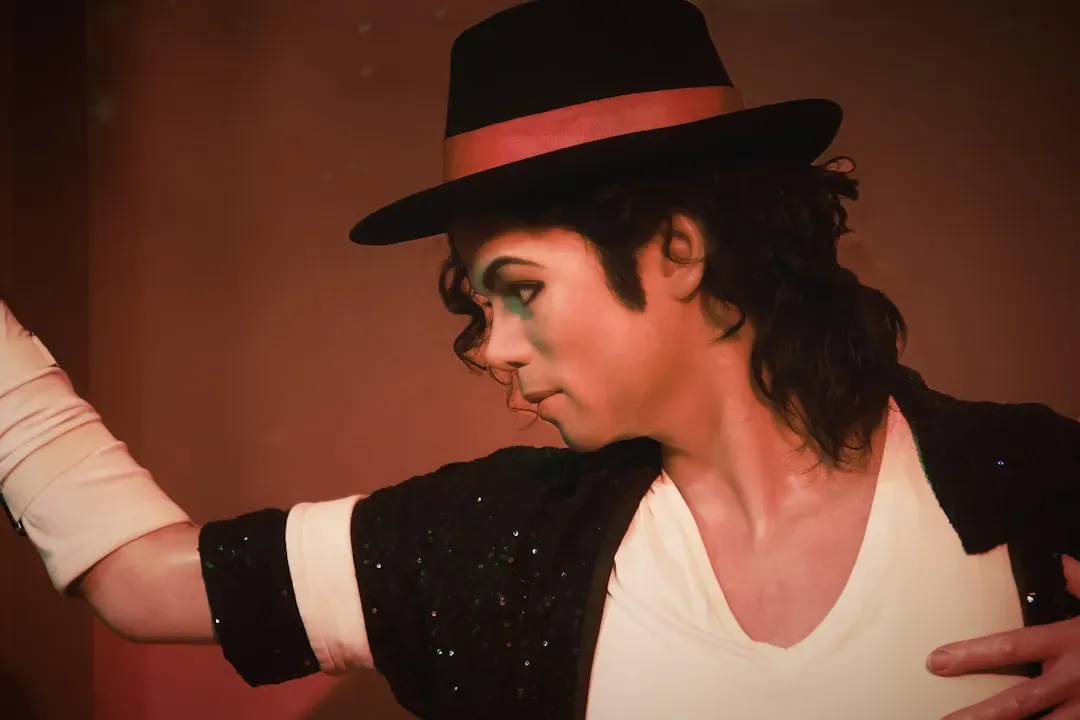
That bassline hits, and you know exactly what song is playing within two notes. Jackson created a track that was simultaneously funky, mysterious, and irresistibly danceable. The song’s production sounded crisp and futuristic, with Jackson’s vocal hiccups and rhythmic precision creating a template for pop-R&B fusion.
The track’s themes about paternity accusations and tabloid fame felt darker and more complex than typical pop fare. Jackson’s moonwalk debut during a performance of this song created another pop culture moment that transcended music. The video’s light-up sidewalk tiles became iconic imagery that defined eighties aesthetics.
This song broke through racial barriers at MTV and radio, proving that Black artists could dominate pop music without compromise. It established Jackson as a solo superstar independent from his Jackson 5 legacy and showed that dance music could be sophisticated and meaningful.
14. “Strawberry Fields Forever” by The Beatles (1967)

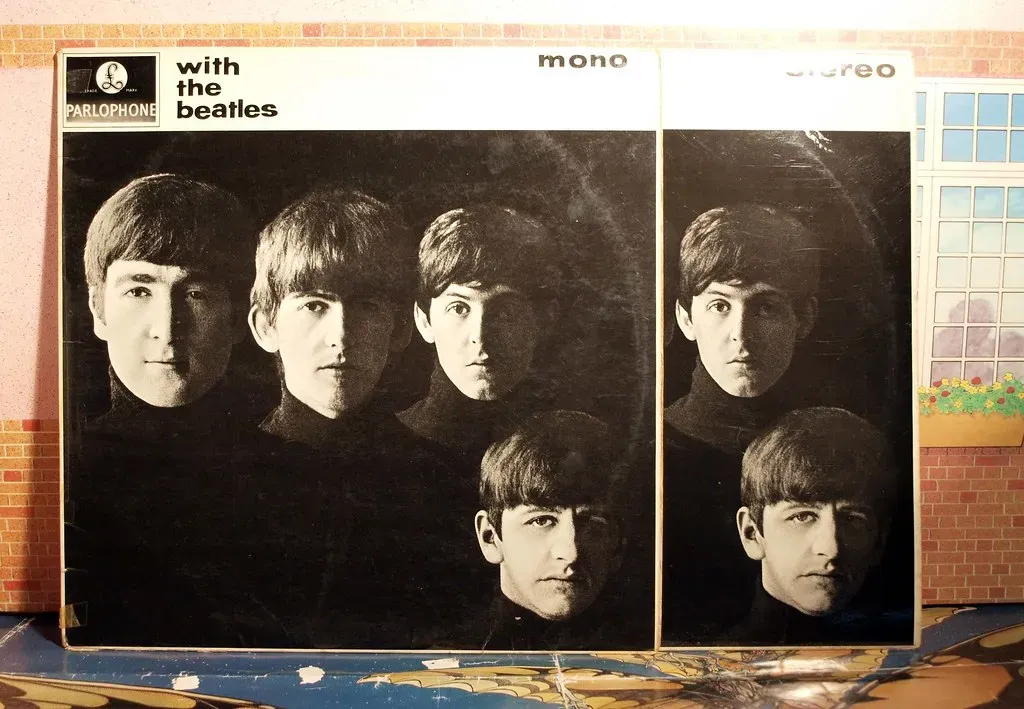
The Beatles recorded this in two different keys and tempos, then asked producer George Martin to somehow combine them. Martin’s solution involved manipulating tape speed, creating a dreamy, psychedelic sound that perfectly matched John Lennon’s nostalgic, drug-influenced lyrics about a Liverpool Salvation Army home where he played as a child. The track’s production techniques were so advanced that other artists spent years trying to figure out how they achieved those sounds.
The song opens with a reversed Mellotron, immediately signaling that this wasn’t typical pop music. Lennon’s vocals drift in and out of clarity, sometimes sounding confident, sometimes uncertain, matching the song’s themes about memory and perception. The track fades out, comes back, then fades again, breaking conventional song structure rules.
This recording proved that pop music could be experimental and still emotionally resonant. It essentially launched psychedelic rock as a genre and showed that studio experimentation could enhance rather than overshadow songwriting.
15. “Fight the Power” by Public Enemy (1989)

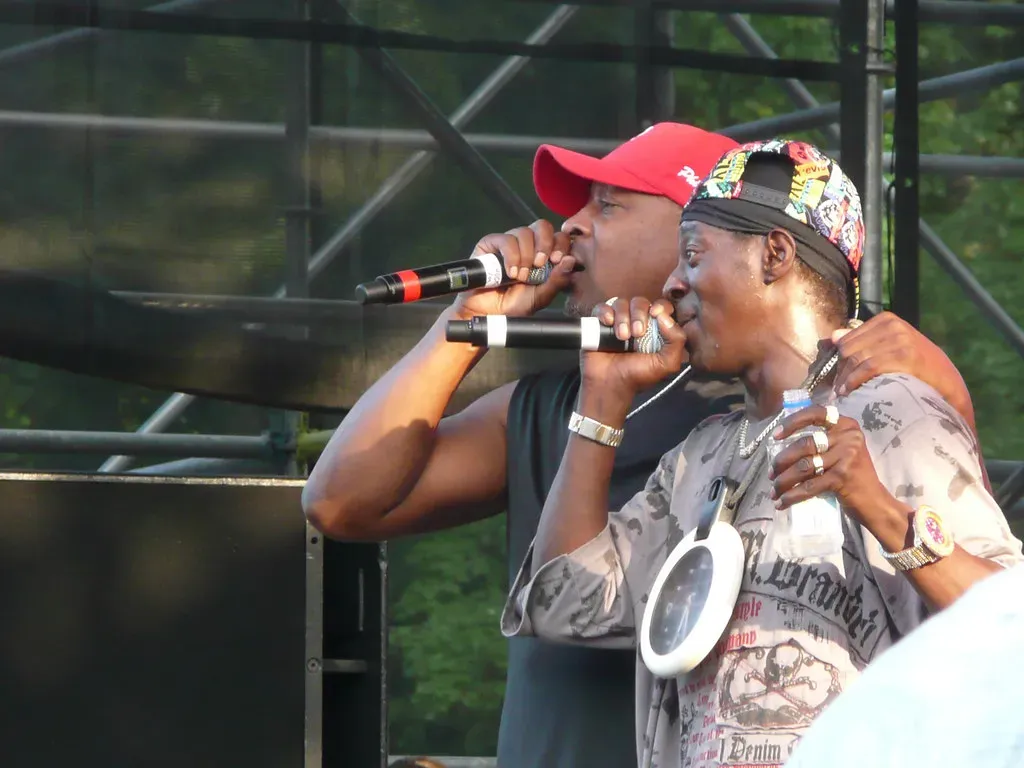
Spike Lee commissioned this track for his film “Do the Right Thing,” and Public Enemy delivered a furious rallying cry against systemic racism and cultural oppression. Chuck D’s booming voice declared “Elvis was a hero to most, but he never meant nothing to me,” directly challenging rock and roll’s racial mythology. The production layered samples upon samples, creating a dense sonic assault that matched the lyrics’ intensity.
The song rejected crossover appeal or mainstream palatability, instead speaking directly to Black audiences about their lived experiences. Its aggressive stance and uncompromising message proved that hip-hop could be overtly political and still connect with listeners. The track became an anthem for resistance movements and established hip-hop as a vehicle for social commentary.
This song showed that rap music could be powerful, intellectual, and revolutionary. It influenced conscious hip-hop, political rap, and any artist who’s used music as a weapon against injustice. Public Enemy didn’t just make a song; they made a statement that still resonates decades later.
Conclusion

These fifteen tracks didn’t just dominate charts or win awards. They fundamentally altered what music could be, who could make it, and how audiences experienced it. Some broke technical barriers, others shattered cultural ones, and a few managed both simultaneously. The artists behind these songs took risks that seemed crazy at the time, facing resistance from record labels, radio stations, and sometimes even their own fans.
What makes these songs truly special isn’t just their innovation but their staying power. Decades after their release, they still sound fresh, still move us, and still influence new generations of musicians trying to figure out their own sound. They remind us that the best music doesn’t follow trends; it creates them. So next time one of these tracks comes on, maybe listen a bit closer and appreciate just how revolutionary it really was. What’s your take on which song had the biggest impact? Let us know in the comments.
Partner offer
Planning a trip to Vegas?
Compare hotel rates and show tickets on VEGAS.com.