Online book reviews carry a quiet kind of power. A string of five-star ratings on Amazon or Goodreads can tip a curious browser into a buyer faster than almost any other marketing tool. That trust, it turns out, has been exploited more than most readers realize. Research analyzing Amazon bestsellers found that almost two in five book ratings are fraudulent, making books the most review-manipulated product category on the platform.
What makes the following cases genuinely striking is not just that fake reviews were used. It is that the books took off anyway, for reasons that were complicated, unexpected, and in some cases entirely unintended. Each story reveals something different about how attention, algorithms, and human curiosity actually work.
1. John Locke’s Donovan Creed Series – The Million-Copy Milestone Built on Bought Reviews
By all appearances, John Locke and his Donovan Creed suspense novels were the quintessential self-publishing success story. Locke was a successful businessman from Louisville, Kentucky, who owned an insurance agency and was a real estate investor before he started writing fiction in 2009. In 2011, Locke had four titles on Amazon’s Top 10 Best Sellers list, including the number one and number two spots, and that same year he sold more than a million eBook copies of his nine Donovan Creed novels, becoming the first self-published author to achieve that milestone.
The public story, however, had a significant gap in it. Locke purchased 300 reviews from GettingBookReviews.com, then placed them on his Amazon page under the guise that they were real, and that is what marked the turning point in his literary career. In addition to buying reviews, Locke also paid the reviewers to download his 99-cent ebooks so that the reviews would show up on Amazon as verified purchases. He had written a book called “How I Sold One Million eBooks in Five Months” that credited his pricing and personal outreach strategies, but the purchased reviews never got a mention. Amazon reacted by updating their review policies, but the damage had been done. Readers did not know who they could trust, and writers felt angry because what Locke had done damaged indie-author credibility more broadly.
2. Handbook for Mortals by Lani Sarem – Gaming the New York Times, One Bulk Order at a Time
Handbook for Mortals is a 2017 young adult fantasy romance novel by Lani Sarem, first published by Geeknation Press. The title received media attention for its placement on The New York Times Best Seller list, despite the book being relatively unknown to most readers, not readily available in brick-and-mortar stores, and its author having never published any other works before. With little pre-publication buzz and none of the fan base that often propels YA books to the top of the list, Handbook for Mortals somehow managed to surpass sales of Angie Thomas’s The Hate U Give, which had been sitting at number one on the Times’s YA best-seller list for 25 weeks.
An investigation by author Phil Stamper showed evidence that the book’s placement was achieved through manipulation, including unusual bulk ordering of sales, and the New York Times subsequently removed the book from its rankings. Sarem or someone connected to the project appears to have gamed the numbers by arranging large buys only from verified NYT-reporting bookstores, keeping orders just under the threshold that would trigger the paper’s bulk-purchase warning notation, which meant 30 copies at a Barnes and Noble and 80 at an indie store. Sarem later admitted in an interview that she and actor Thomas Ian Nicholas had hired a company, likely ResultSource, to bulk buy copies of the book. Despite being stripped from the list almost immediately, the scandal generated enormous publicity and the book remained in circulation, widely discussed if not widely loved.
Partner offer
3. The Diamond Club by “Patricia Harkins-Bradley” – A Podcast Prank That Actually Worked

The Diamond Club was born out of a podcast joke and quickly became an unexpected hit. Created by podcasters under a fake name, the book was a crowdsourced erotica project packed with listener-submitted content. Its rise up the iTunes bestseller list, reaching number four, was fueled by a flurry of fake and funny reviews that fans left en masse. The entire exercise was designed less as a serious publishing play and more as a satirical experiment, poking fun at how easily online systems could be gamed.
The project poked fun at the publishing industry while gaming the system in a way that was both clever and questionable. Many readers were in on the joke, but the stunt highlighted how easily online reviews can be manipulated for publicity. The Diamond Club’s success forced platforms to rethink how they verify both books and reviews. What set this case apart from the others was intent. The deception was largely transparent, more performance than fraud. Readers who bought it knew exactly what they were getting, which may explain why the backlash was minimal compared to the genuine outrage that followed scandals where readers felt truly misled.
4. The Executive Ability Series – A Made-Up Harvard Expert and a Fabricated Wall Street Journal Review
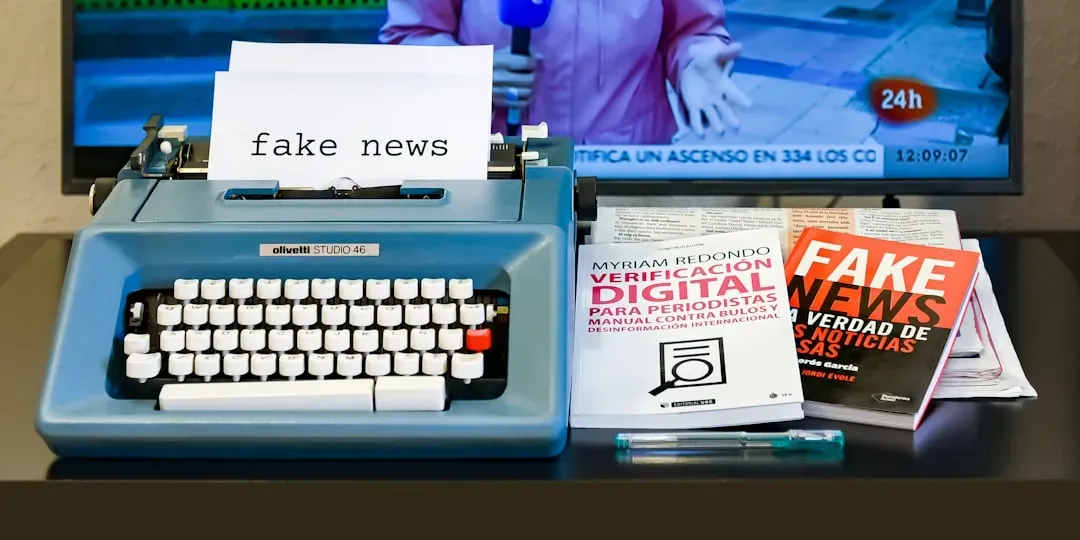
The Executive Ability Series might sound like the kind of business wisdom you would expect from a top Ivy League professor. In reality, these five books, widely sold in China, were credited to a made-up Harvard expert named Paul Thomas. Even the glowing Wall Street Journal review on the cover was a complete fabrication. The books leaned heavily on manufactured prestige signals, the kind of author biography and endorsement blurbs that readers in the business self-help genre tend to trust most.
The fake credentialing went well beyond inflated reviews. The author did not exist. The institutional affiliation was invented. The endorsement blurb from a respected financial publication was conjured from nothing. Fake book reviews are a major problem in the publishing industry, and according to various reports, paid professional review writers have been used to push certain books to the top of bestseller lists. This case took that playbook further than most, constructing an entire fictional identity around a product designed to look authoritative. The books sold in significant volume before the deception was exposed, illustrating how powerful manufactured authority can be, particularly when the subject matter itself is about professional success and expertise.
What connects these four cases is not simply dishonesty. It is the uncomfortable reality that online review systems remain structurally easy to manipulate, and that positive reviews can help propel a book to the top of bestseller lists while negative reviews can sink it without a trace. Research from 2008 suggested that roughly one third of all online consumer reviews are fake, and little has changed in the years since to meaningfully reverse that trend. The books in this article all found audiences of varying sizes, through controversy, curiosity, or community buy-in. That those audiences showed up at all is perhaps the most interesting part of each story.
Partner offer
Planning a trip to Vegas?
Compare hotel rates and show tickets on VEGAS.com.