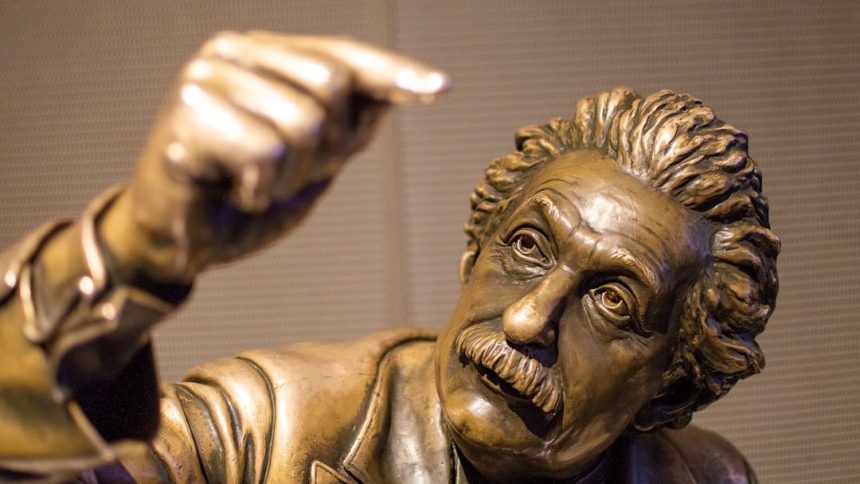
Most people picture history’s greatest figures through a single, well-worn lens: the fearless composer, the cold-eyed president, the detached genius. That image can feel almost carved in stone. Then a forgotten letter surfaces, tucked inside a desk drawer or buried in a private archive, and the stone cracks. Letters are strange that way. For centuries, they were the sole means of conveying information across great distances, giving them an incredible amount of power. The contents of a letter, in the right pair of hands, could start or end wars, inform political movements, and stir or suppress uprisings. The four letters collected here did something slightly different: they quietly rewrote what we thought we already knew about the people who wrote them.
Beethoven’s “Immortal Beloved” Letter: The Composer Behind the Legend

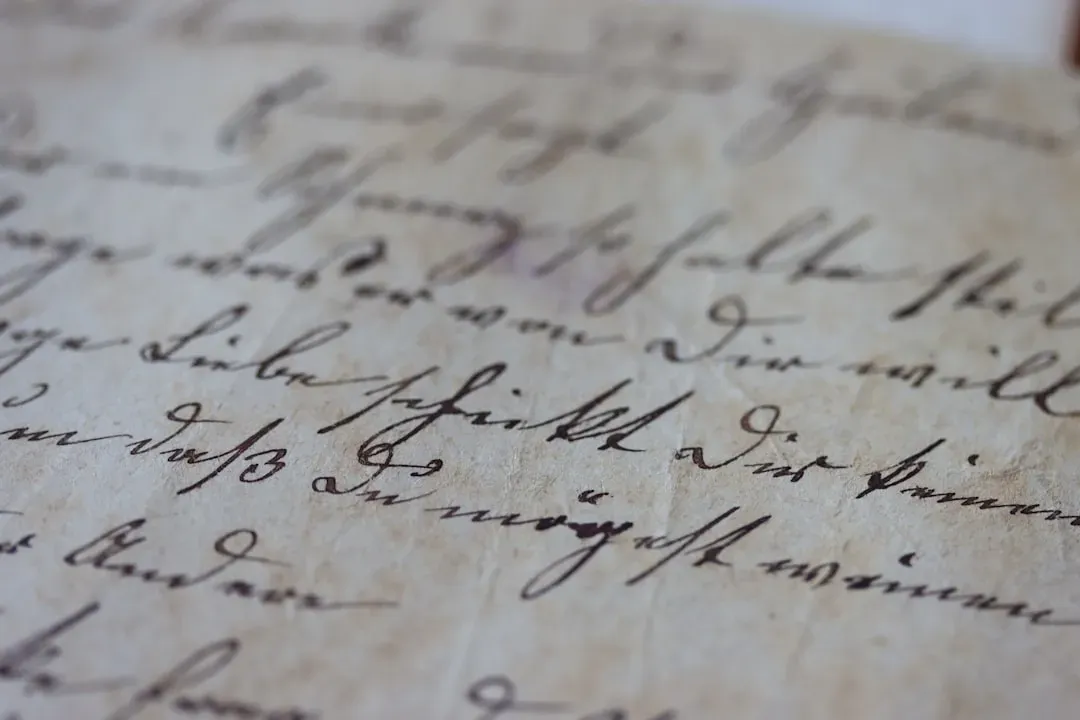
Ludwig van Beethoven spent his life being perceived as a near-mythic figure. Formidable. Remote. Consumed entirely by his art. That picture started unraveling the moment his secretary, Anton Schindler, went through his late employer’s desk after Beethoven died in March 1827. Inside the desk was a yearning, passionate, and lyrical love letter that Beethoven seemed to have never sent. Beethoven did not name his intended recipient.
The “Immortal Beloved” is the addressee of a love letter which composer Ludwig van Beethoven wrote on 6 or 7 July 1812. The unsent letter is written in pencil on 10 small pages. It was found in the composer’s estate following his death and is now in the Berlin State Library. The discovery mattered not just as a romantic mystery but as a fundamental revision of who Beethoven was as a man. It peeled back the curtain on Beethoven’s emotional world, showing how his longing and loneliness shaped his music. Despite his fame, Beethoven was a man tormented by deafness and personal loss, and this letter is a rare window into his private torment.
Ever since the initial publication of the letter in Anton Schindler’s Beethoven biography of 1840, numerous candidates have been and continue to be suggested, so that the hunt for the “Immortal Beloved” has now in itself become a separate field of Beethoven biographical research. Two names dominate the modern debate. Two people favored by most contemporary scholars are Antonie Brentano and Josephine Brunsvik. The uncertainty itself is part of the revelation: here was a man who loved deeply, privately, and apparently without resolution. The truth remains eternally elusive, and the letter is considered by many to be Beethoven’s most tender ode, whoever the intended receiver.
Abraham Lincoln’s Letter to Karl Marx: A President More Complex Than His Monument
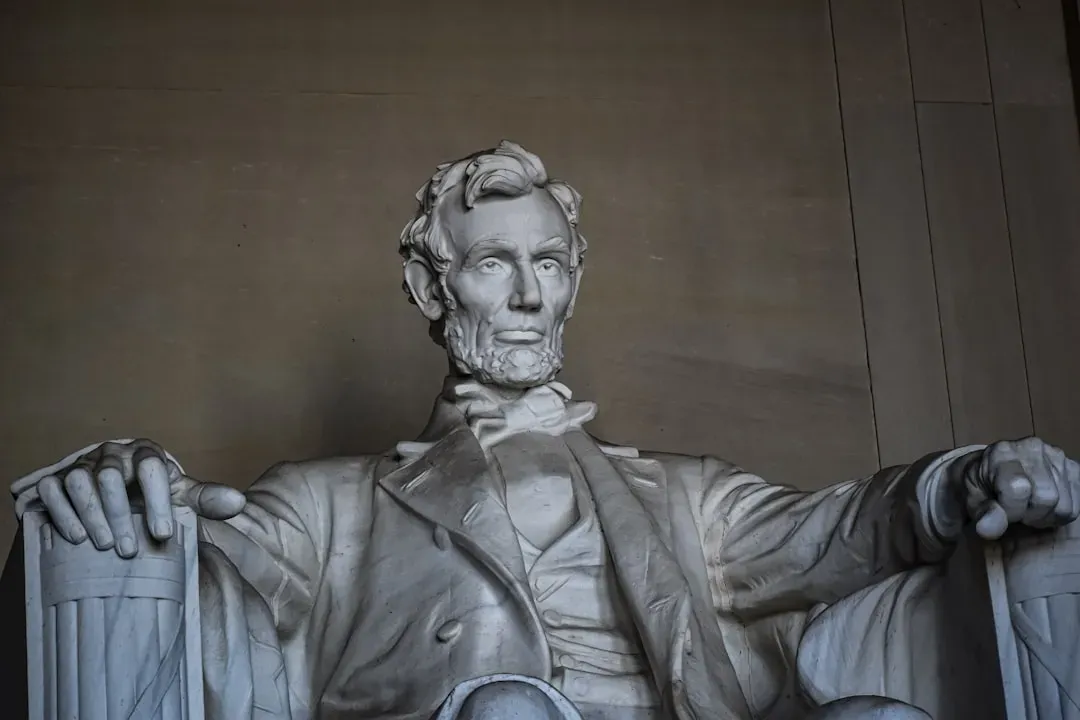
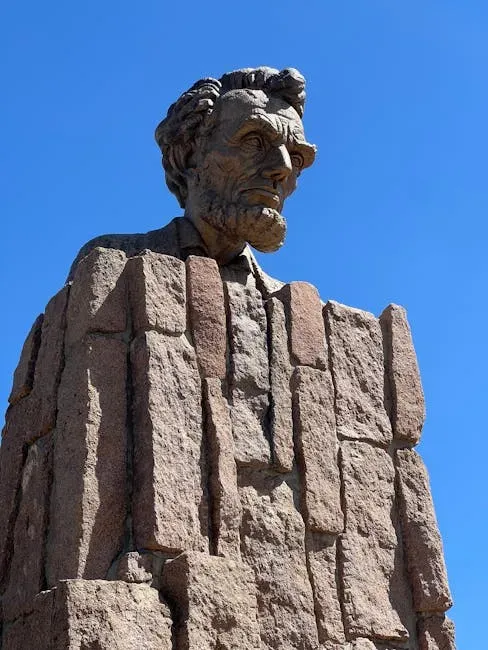
The marble Lincoln of popular imagination is a figure of unity, careful language, and studied pragmatism. What that image rarely includes is a president who read the works of Karl Marx and exchanged correspondence with him. Lincoln was not a socialist or communist, but he read the works of and even corresponded with Karl Marx. The two were actually only born nine years apart and shared a friend called Charles Dana. As managing editor of the New York Tribune, Dana hired Marx as the paper’s British correspondent. Dana later left the Tribune to become an adviser to Lincoln during the U.S. Civil War.
Marx wrote to Lincoln in 1865 to congratulate him on being reelected and for fighting to end slavery. Lincoln responded via the U.S. ambassador to Britain, expressing that he considered Marx and his followers “friends.” The exchange was published in newspapers on both sides of the Atlantic at the time, yet it somehow slipped out of popular memory almost entirely. It complicates the familiar portrait of Lincoln in useful ways, suggesting an intellectual openness that the monument version of him rarely conveys. The letters don’t make Lincoln a radical. They make him human, curious, and harder to reduce to a single idea.
Albert Einstein and Sigmund Freud’s “Why War?” Letters: Two Giants, One Overlooked Exchange

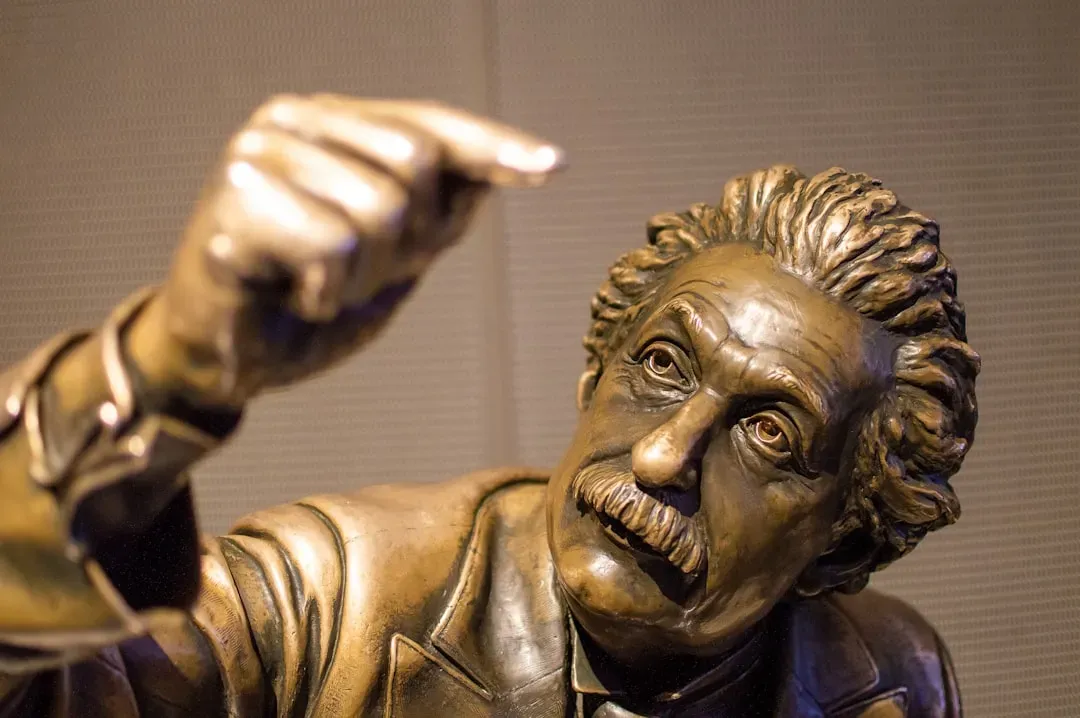
Most people know Einstein as the physicist who reshaped our understanding of the universe. Freud is remembered as the father of psychoanalysis. Fewer people know that the two men once exchanged a series of letters about something far more urgent: whether humanity could ever free itself from its appetite for war. In 1932, Albert Einstein was invited by the League of Nations to address a letter on any subject to any individual. He chose to correspond with Sigmund Freud on avoiding war. Einstein maintained the importance of establishing an independent judiciary body to mediate conflicts.
Partner offer

A few months before Adolf Hitler began his reign of terror in Germany, Albert Einstein wrote a letter to Sigmund Freud asking the revered psychoanalyst for a prescription against “man’s lust for hatred and destruction.” Freud penned a lengthy reply, explaining that the instinct to war was inherent in individuals, and that the collective wisdom of a group was needed to temper it. The timing of their disappearance from public awareness is almost cruelly ironic. In a twist of irony, the correspondence was only published in 1933, after Hitler, who would eventually banish both Einstein and Freud into exile, rose to power, in a slim limited-edition pamphlet titled “Why War?” Only 2,000 copies of the English translation were printed, most of which were lost during the war. The letters reframe both men as not just intellectual titans but as genuinely anxious human beings, grappling with the same fears that haunt every generation.
Packed with insights pertinent today, the historic correspondence called “Why War?” is surprisingly not well known. That obscurity is itself revealing. Einstein, the icon of pure reason, turns out to have been deeply troubled by the moral weight of his era. Freud, often dismissed as the man obsessed with the unconscious, wrote with political clarity about collective violence. The letters show us two people who were more morally engaged, and more worried, than their reputations suggest.
Abraham Lincoln’s Letter to Mrs. Bixby: A Symbol Built on Uncertain Ground

Few presidential letters have achieved the kind of cultural weight that Lincoln’s 1864 letter to Lydia Bixby has. During the American Civil War, President Abraham Lincoln wrote to Mrs. Lydia Bixby, a widow believed to have lost five sons in battle. The letter was published in the Boston Evening Telegraph almost immediately and provided comfort to not only Mrs. Bixby, but the entire war-torn nation. It was celebrated as one of the finest examples of presidential compassion ever committed to paper, and it was later referenced in the preface to Steven Spielberg’s film Saving Private Ryan.
What the letter’s fame quietly obscures is its complicated factual foundation. Bixby actually lost two sons, had one desert, one honorably discharged, and one missing in action. The information Lincoln was given was simply wrong. The letter took on a symbolic meaning greater than the circumstances under which it was written. It is widely considered one of the best English letters ever written. That tension, between the letter’s soaring prose and its shaky premise, fundamentally changes how we read Lincoln. It reveals a president who could produce a document of genuine moral beauty from imperfect, secondhand information in a time of national grief. The letter doesn’t shrink Lincoln’s legacy; it makes it stranger and more honest.
Taken together, these four letters tell a similar story. The icons we inherit are real people first, shaped by love they kept private, curiosity that defied expectation, fear they couldn’t publish, and grief they had to express with incomplete facts. The letters that survived them are not footnotes. They’re often the clearest windows we have into who these figures actually were when the world wasn’t watching.
Partner offer
Planning a trip to Vegas?
Compare hotel rates and show tickets on VEGAS.com.