There’s something uniquely unsettling about a sculpture going missing. Unlike a stolen painting, which can be rolled up and tucked under an arm, sculptures are heavy, awkward, and almost impossible to hide. They require cranes, trucks, and teams of people. They leave traces. Yet history is full of them vanishing anyway, sometimes in broad daylight, sometimes through sheer institutional neglect, and occasionally without any clear explanation at all.
For more than a century, major art thefts have exposed startling weaknesses in the institutions meant to protect the world’s cultural treasures. Stolen sculptures and other works have vanished from national museums, churches, and private collections, sometimes for decades and sometimes forever. What follows is a gallery of ten sculptures whose disappearances range from the brazen to the baffling.
Henry Moore’s Reclining Figure (1969–70): Stolen for Scrap
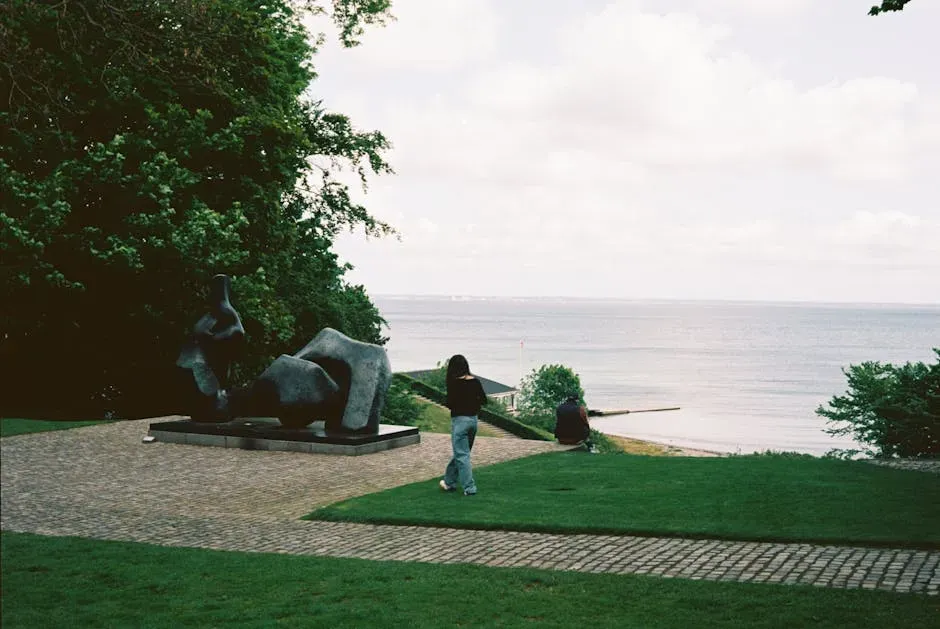
The artist’s cast was stolen from the Henry Moore Foundation at Perry Green, Hertfordshire, on 15 December 2005. In the middle of a chilly December night, three men drove onto the foundation’s property, lifted the substantial piece into the back of their stolen truck using a crane, and drove off into the dark. What made the crime especially grim was how mundane it turned out to be.
Some people feared that the bronze sculpture, worth £3 million at the time, might have been taken for its scrap value, which was less than £3,000. Scrap metal prices had been soaring, fuelled by the building boom in the Far East, and it was suspected this had triggered a recent spate of thefts of large-scale bronze sculptures. By May 2009, after a thorough investigation, British officials said they believed the work was probably sold for scrap metal, fetching about £5,000. One of the twentieth century’s most celebrated sculptors reduced to raw material.
Richard Serra’s Equal-Parallel/Guernica-Bengasi: A 38-Ton Vanishing Act
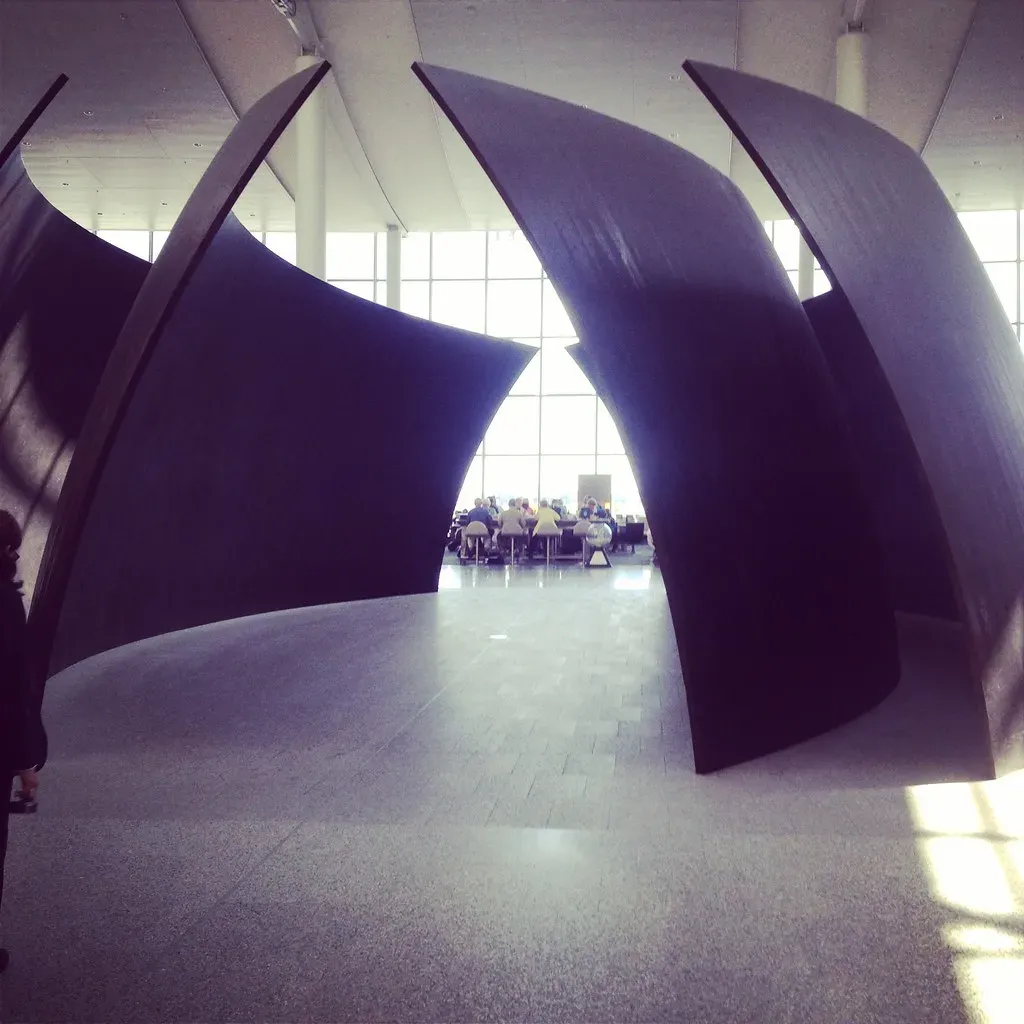
Equal-Parallel: Guernica-Bengasi was specifically created for the Museo Reina Sofía as part of the exhibition that opened the Centro de Arte Reina Sofía in 1986. For $220,000, Serra made a piece that was a steel sculpture on the grand scale his works had begun to take, a scale that required special teams and logistical planning in order to install. After the exhibition closed, the museum placed the sculpture in off-site storage, and that is where the trail went cold.
In October 2005, the museum director wanted to display the sculpture and found that it could not be located. The company it had been stored with had gone into receivership in 1998 and the sculpture could not be accounted for. The Spanish newspaper ABC speculated that the sculpture may have been sold for scrap metal. In 2006 the museum made a deal with Serra to create a replica of the original. Despite the unknown whereabouts of the original, both the artist and the museum agreed that only one version of “Equal-Parallel/Guernica-Bengasi” will ever exist at a time.
Michelangelo’s Mask of a Faun: Lost to War
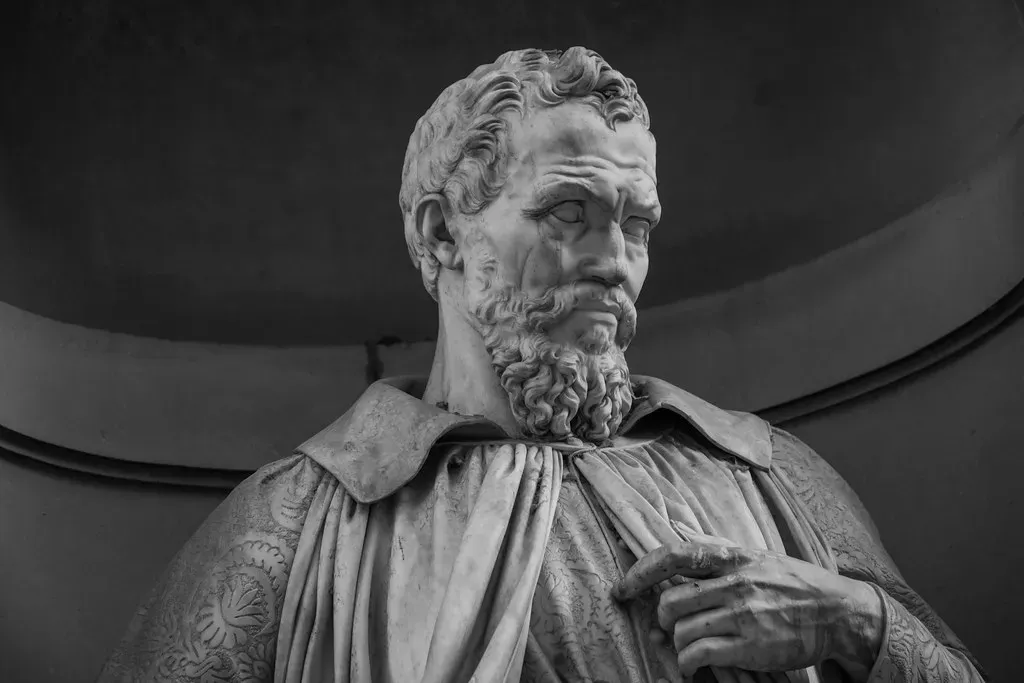
Also known as the Head of a Faun, the sculpture was a marble representation of a bearded and laughing faun. It underwent a few edits before Michelangelo declared it finished, a detail that drew the attention of his famed patron, Lorenzo de Medici. The piece was displayed in the Bargello Museum in Florence, Italy, until World War II, when it was taken to Poppi Castle for safekeeping.
In August 1944, German soldiers stole the artworks hidden in the castle. They loaded the mask onto one of several trucks, which briefly stopped in Forli, Italy. The truck left there a week or so later. After that, the trail goes cold, and no trace of the mask has ever been found. A work connected directly to the young Michelangelo simply ceased to exist for the historical record, swallowed up by the chaos of the final months of the war.
The Saliera by Benvenuto Cellini: Hidden in a Forest
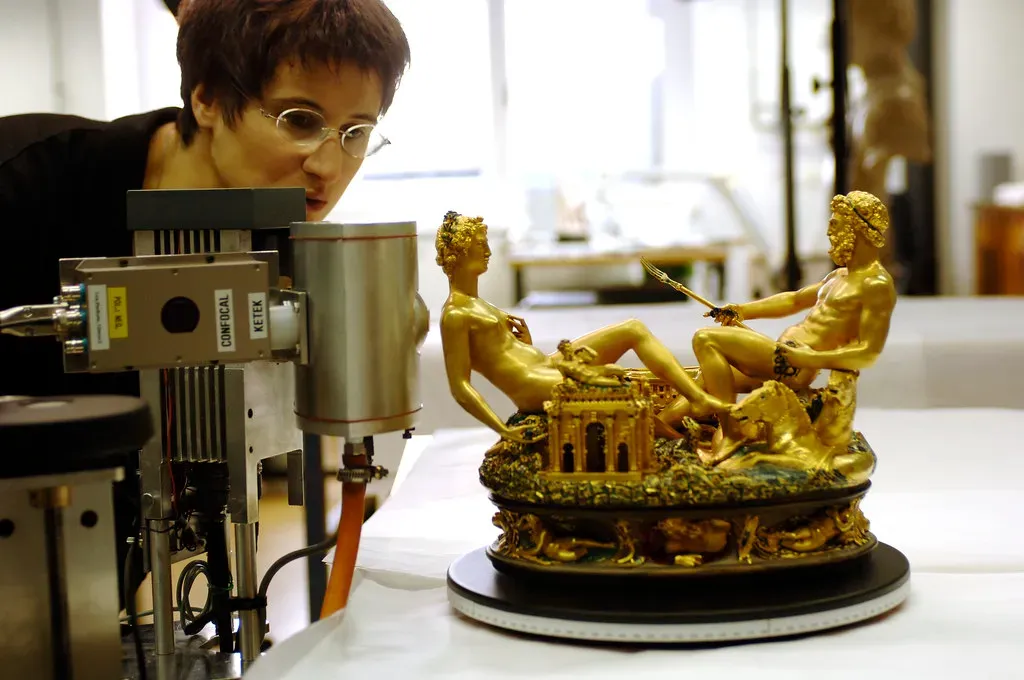
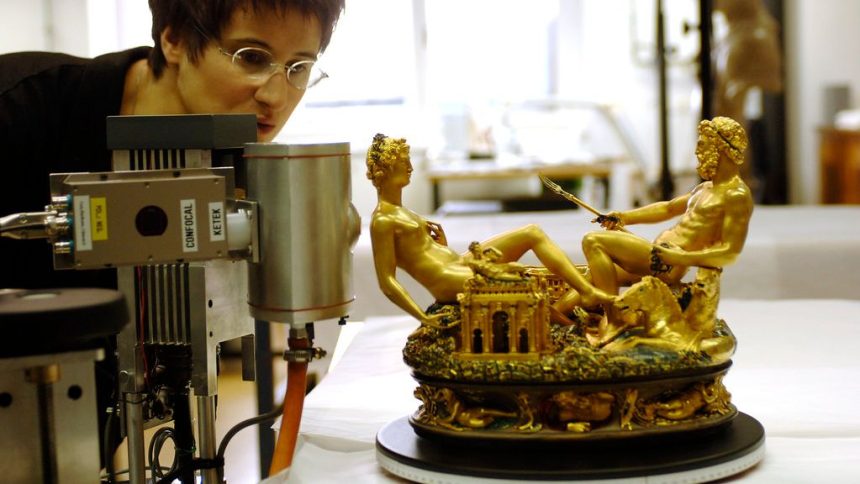
The Saliera, a 1543 golden salt cellar sculpture featuring Land and Sea presiding over their riches, is the sole work attributed to Renaissance master Benvenuto Cellini. That made it all the more saddening when, in 2003, a thief removed it from its case at the Kunsthistorisches Museum in Vienna, setting off an alarm that a guard misconstrued as an accident. The theft was breathtakingly simple for such a priceless object.
The museum’s director at the time called the theft of the $60 million artwork a “catastrophe.” In 2006, after two attempts to receive a $12 million ransom for the work, Robert Mang, a security expert who specialized in alarm systems, was found to be the thief. He then led investigators to a forest outside Vienna, where he had buried the Saliera in a lead box, and was sentenced to four years in prison. The sculpture was recovered, but the episode exposed how a single guard’s miscalculation could cost a museum its most irreplaceable object.
The Youth of Magdalensberg: A Bronze That Simply Stopped Existing
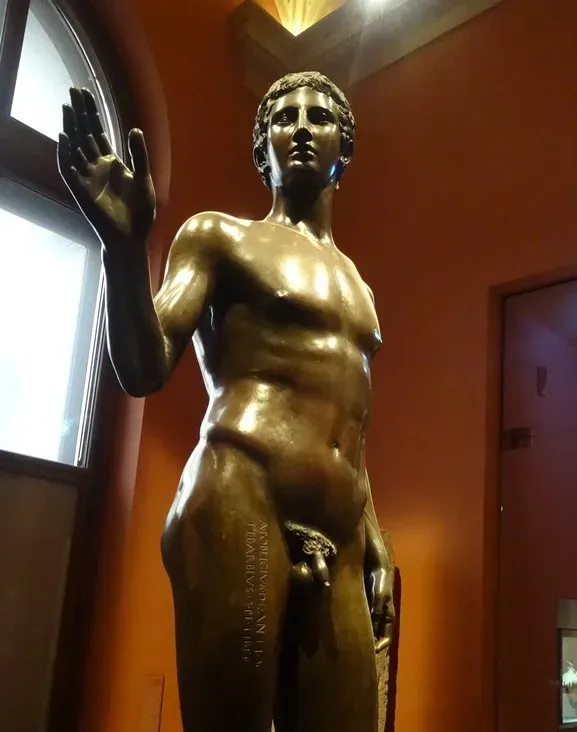
The Youth of Magdalensberg, an ancient Roman bronze statue discovered in 1502, managed to survive centuries until it simply disappeared around 1810. What makes its loss even more haunting is that a 16th-century cast still exists in Vienna’s Kunsthistorisches Museum. The original was one of the finest examples of Roman bronze casting ever found, remarkable for its size and state of preservation.
No one knows if it was stolen, destroyed, or just lost in the shuffle of history. Its absence raises tough questions about how well we can truly protect priceless artifacts over hundreds of years. The cast in Vienna serves as a strange kind of ghost, an echo of something that once existed in full. Scholars can study the shape and proportions, but the original has never surfaced in any collection, archive, or account anywhere in the world.
Partner offer
The Amber Room Sculptures: Swallowed by WWII

Adolf Hitler directed the Nazis to plunder storied museums, including the Louvre in Paris and the Uffizi in Florence, as well as galleries, churches, and the homes of private collectors. Among the countless treasures seized by German soldiers were the sculptures and other decorations that adorned the Amber Room, a lavish chamber in the Catherine Palace near Saint Petersburg. The decorative sculptures that lined the room were considered among the finest examples of Baroque craftsmanship in Europe.
Its fabled contents never resurfaced, and over the years it has been speculated that they were destroyed by bombing, lost in a sunken submarine, hidden in a bunker, or buried in a lagoon. Decades of searching by Russian, German, and international investigators have produced theories but no definitive answers. The sculptures remain among the most sought-after missing works of art in the world.
The British Museum’s 2,000 Missing Items: A Scandal of Quiet Disappearance
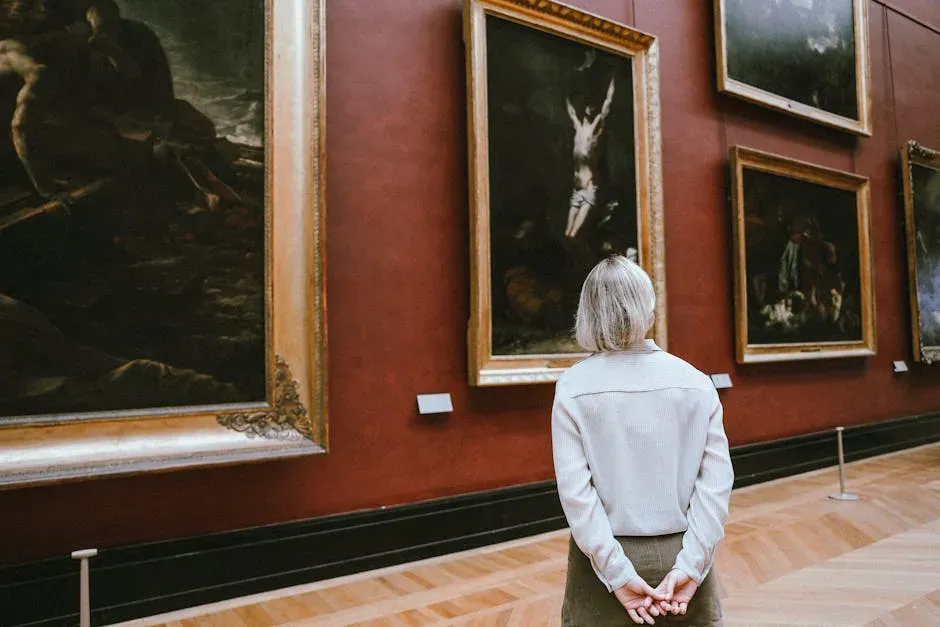
The British Museum has been rocked by controversy after revelations that over 2,000 items, including sculptures, have gone missing or been stolen. The 2023 news set off a media firestorm and led to demands for overhauling security and inventory procedures. The sheer scale of the losses pointed to a problem that had been building quietly over many years.
The scandal reignited debates over the ethics of large museums holding vast collections from around the world. For the public, the idea that so many treasures could disappear from such a prestigious institution was deeply unsettling. The British Museum announced sweeping reforms, but critics argued that the damage to its reputation may take years to repair. The missing artifacts remain at the center of an ongoing investigation, their fate unknown.
The Benin Bronzes: Scattered Across the Globe After Looting
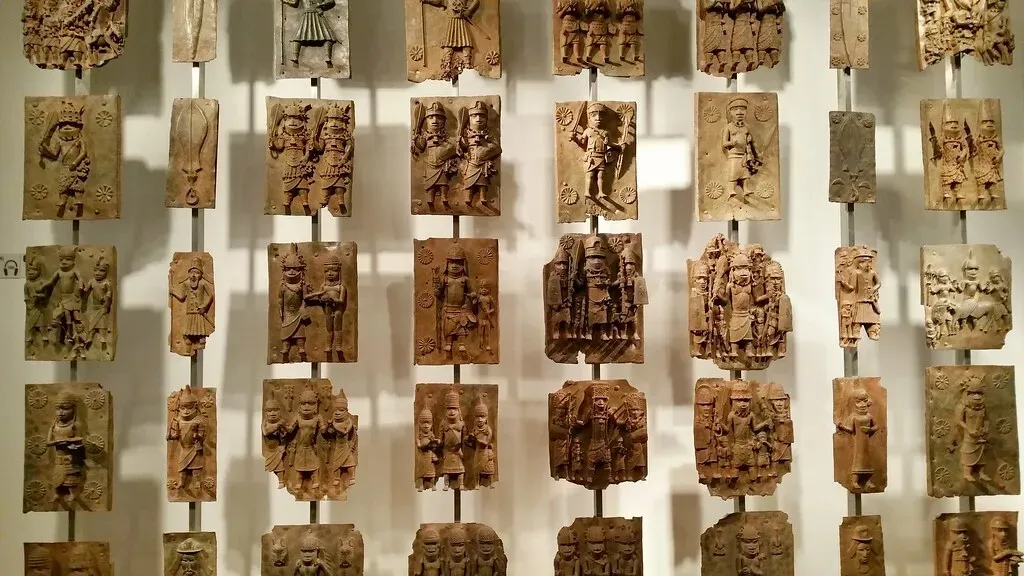
Made of brass and bronze, this group of sculptures dates back to the 16th century. Known as the Benin Bronzes, they were looted from the Kingdom of Benin when the British overran and toppled Benin City in 1897. Five thousand of the historical artifacts are still on display in museums around the world, including the British Museum. Many more vanished into private collections and have never been publicly documented.
Thousands of objects from the royal treasury were stolen during the attack. Some were gifted to British colonial officers and others were auctioned back in England. In 2022, the Smithsonian’s National Museum of African Art repatriated all of its 29 Benin Bronzes to Nigeria, but not all museums feel compelled to return the looted goods. Countless individual pieces remain unaccounted for, with no public record of where they went after leaving Benin City.
Anish Kapoor’s Hole and Vessel: Lost in Storage
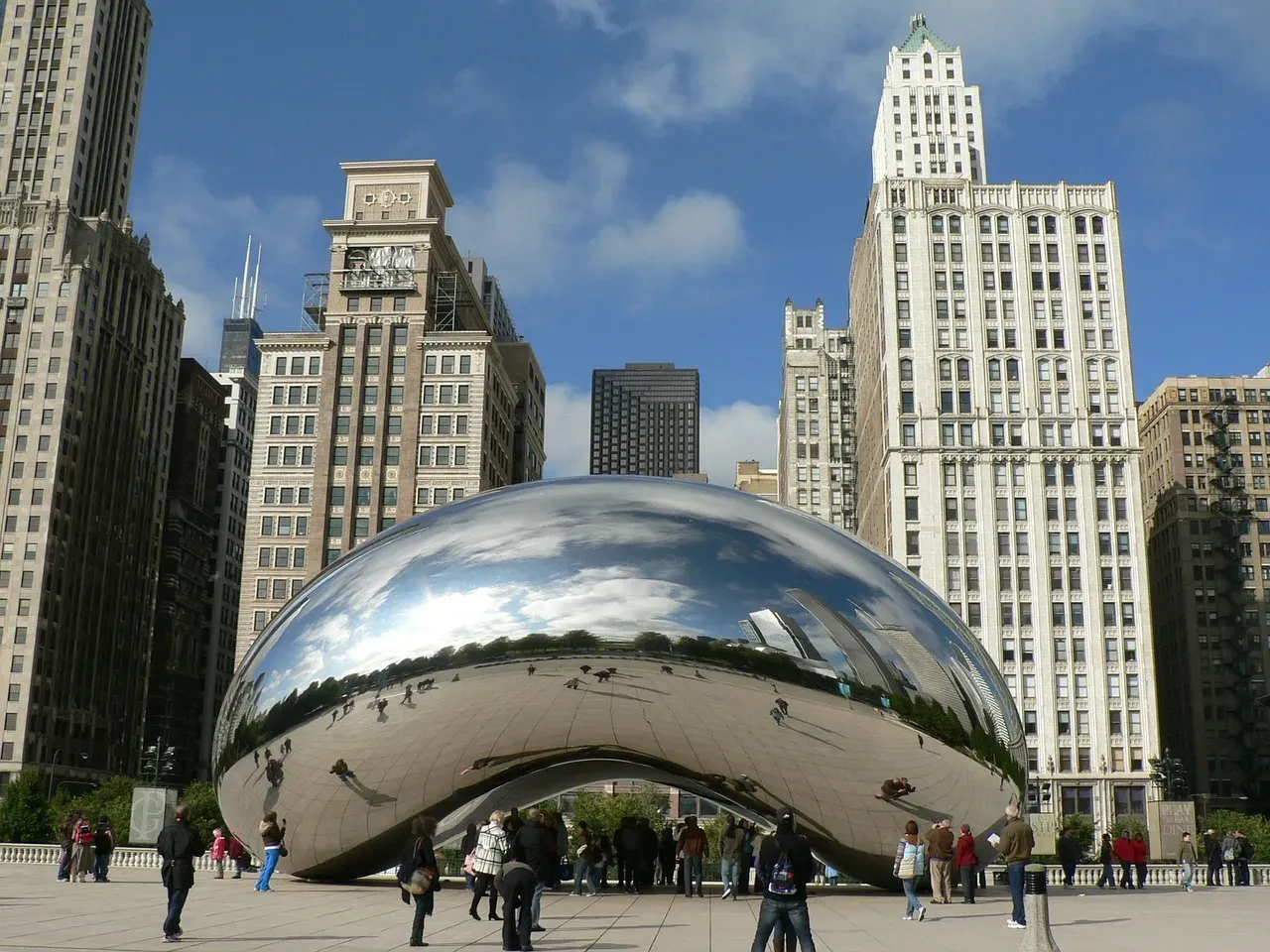
The 2004 disappearance of Anish Kapoor’s “Hole and Vessel” from a London storage unit sent shockwaves through the art world. Created in 1984, this wood and cement sculpture is considered a milestone in Kapoor’s groundbreaking career. Yet when the piece was needed for an exhibition, it was nowhere to be found. No signs of forced entry were ever confirmed, and no ransom demand was ever made.
The incident has been discussed as a textbook example of the risks that come with off-site storage and poor documentation. Kapoor’s fans felt the sting of loss, lamenting how easily innovative works can slip away in the bureaucratic maze of museum management. The mystery remains unsolved: was it stolen, misplaced, or accidentally destroyed? For a piece that helped define a major artist’s trajectory, the absence of any answer remains its own kind of wound.
The Zodiac Bronzes from Beijing’s Old Summer Palace: Scattered by War
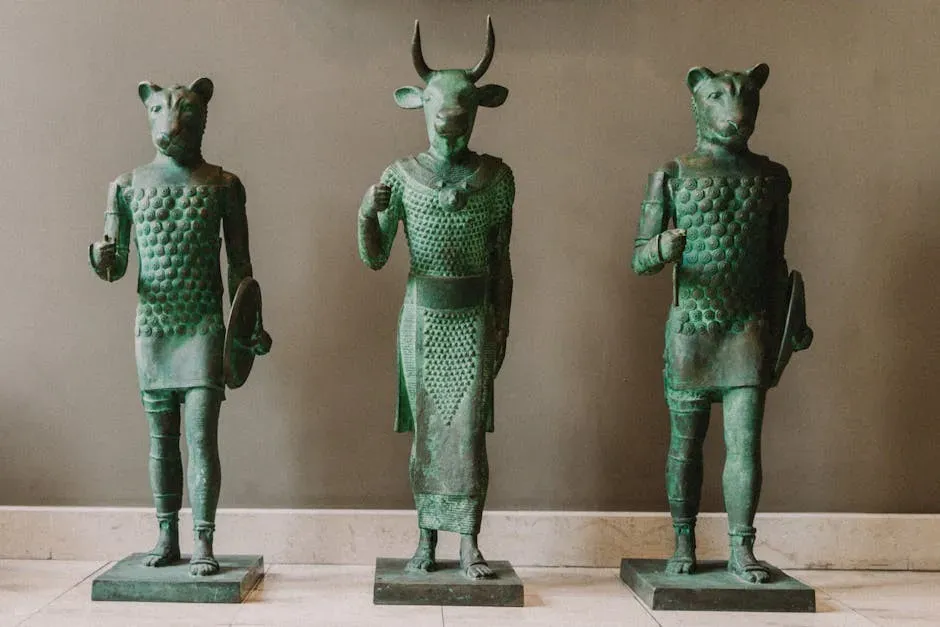
Twelve bronze animal heads representing the Chinese zodiac were looted by British and French troops in 1860 during the Second Opium War. Originally the 12 sculptures were placed on a water clock in the Old Summer Palace in Beijing. Their removal during the burning of the palace was part of one of the most destructive acts of cultural vandalism in modern history.
Over the years, seven of the sculptures have been recovered and returned to China, the most recent being the horse head, which was bequeathed to the Chinese government by Macau tycoon Stanley Ho in 2019. He had purchased the sculpture in 2007 for $8.9 million. The rat, rabbit, ox, tiger, monkey, and pig are currently in Chinese museums. The dragon, snake, goat, rooster, and dog have still not been found. Decades of diplomatic effort and private acquisition have returned only a portion of what was lost that night in 1860.
Sculptures Looted from the National Museum of Iraq: Chaos as Cover
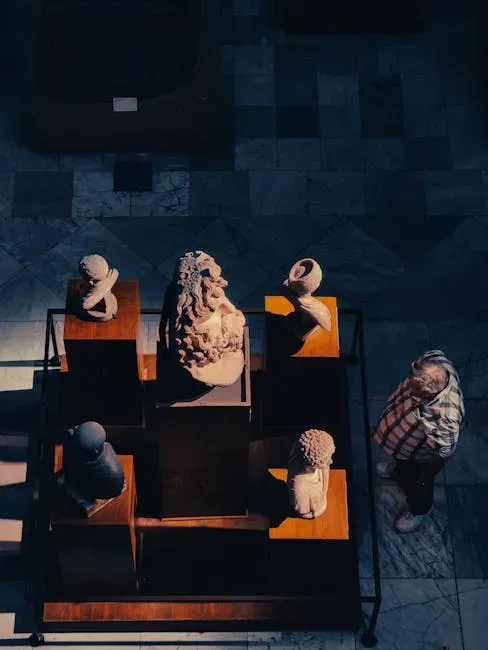
As U.S. troops advanced in Baghdad in 2003 while Saddam Hussein’s rule was coming to an end, thousands of objects were stolen from the National Museum of Iraq, which contains several millennia of art history in its holdings. In a matter of days, thieves walked away with countless artifacts, including highly valuable cylindrical artifacts such as The Lioness Attacking a Nubian, which dates back to the 8th century B.C.E. and is inlaid with lapis.
Initially, experts estimated that at least 170,000 objects were taken from the National Museum, though that number has shrunk significantly and artifacts have been found under occasionally bizarre circumstances. As of 2021, the FBI estimates that as many as 10,000 items are still missing. Among those unaccounted for are ancient Mesopotamian sculptures that predate recorded civilization as most people understand it. They remain missing, their locations unknown, their chances of return shrinking with every passing year.
Partner offer
Planning a trip to Vegas?
Compare hotel rates and show tickets on VEGAS.com.