Sometimes a single book lands in your lap at exactly the right moment and flips your entire worldview upside down. It’s wild how words on a page can do that. You think you’ve got life figured out, then boom – some author you’ve never heard of shows you a completely different angle you never considered.
We’ve all had that experience where we finish a book and immediately want to talk about it with anyone who’ll listen. The kind that makes you question assumptions you didn’t even know you had. These ten books? They’re exactly that type. Each one has the power to shake up how you see the world, yourself, or the stories we tell about both. Let’s dive in.
1. “Sapiens: A Brief History of Humankind” by Yuval Noah Harari


This book takes you on a journey through the entire history of our species, and honestly, it’s kind of mind-blowing. Harari explains how Homo sapiens went from just another animal species to dominating the planet. The real kicker is his argument about stories and myths – how our ability to believe in things that don’t physically exist (like money, nations, or human rights) is what sets us apart.
Reading this, you start questioning everything you thought was “natural” or inevitable about human society. Money isn’t real, borders are imaginary lines, and most of what we build our lives around exists only because we collectively agree it does. It’s the kind of perspective shift that makes you see morning coffee runs and political debates in a completely different light.
What really gets me is how Harari doesn’t just talk about the past. He connects these historical patterns to our present and future, making you wonder where we’re headed as a species. By the time you finish, you’ll never look at human civilization the same way again.
2. “Thinking, Fast and Slow” by Daniel Kahneman

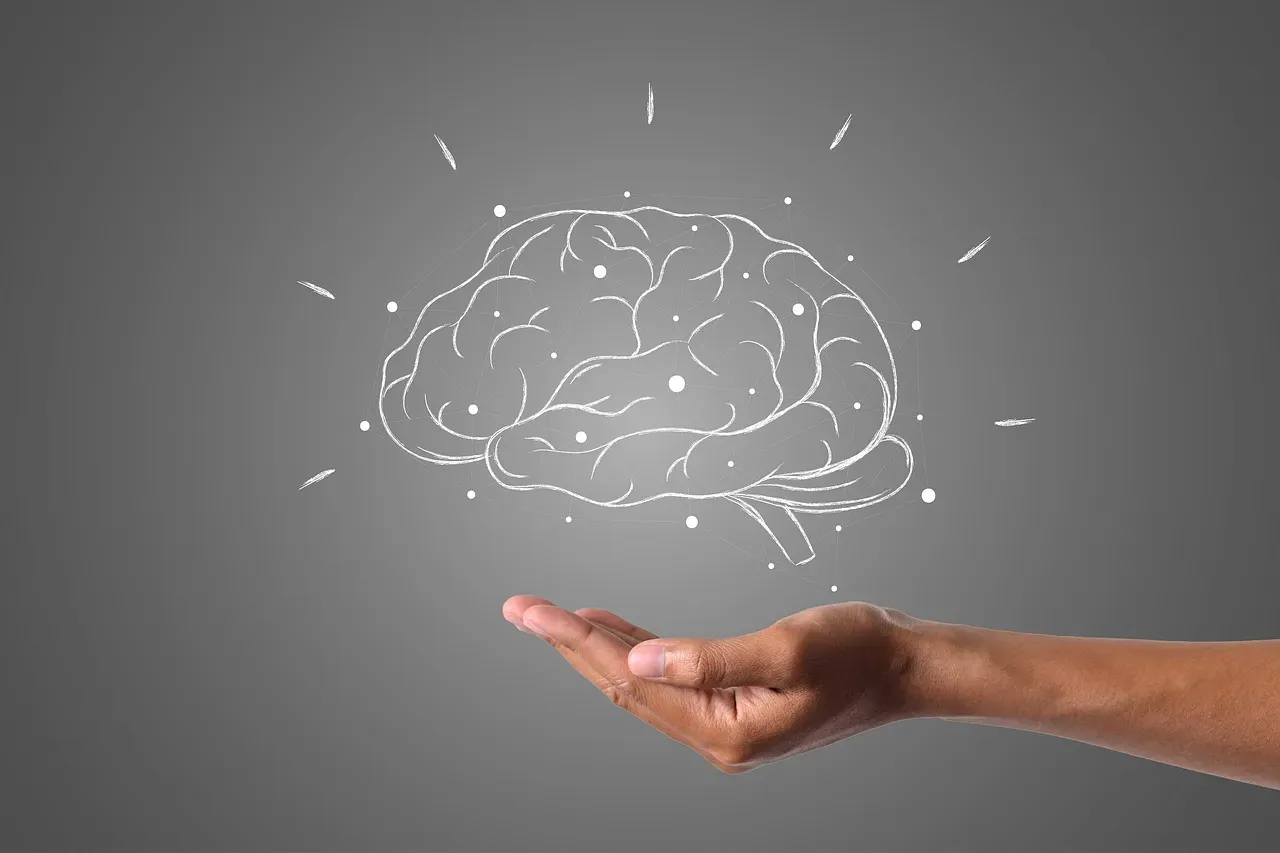
Nobel Prize winner Daniel Kahneman breaks down how our brains actually work, and spoiler alert: we’re not nearly as rational as we like to think. He describes two systems of thinking – one fast and intuitive, the other slow and deliberate. Most of the time, we’re running on autopilot with the fast system, making snap judgments based on mental shortcuts.
The book is packed with examples of cognitive biases that trip us up daily. You’ll recognize yourself in almost every chapter, realizing how often you’ve been fooled by your own brain. It’s humbling but also incredibly useful once you understand these patterns.
After reading this, you’ll catch yourself second-guessing decisions you would’ve made instantly before. Should you really trust that gut feeling? Maybe, maybe not. Kahneman gives you the tools to know when to trust your intuition and when to slow down and think harder.
3. “The Power of Now” by Eckhart Tolle


Tolle’s book is all about living in the present moment, which sounds simple until you realize how rarely we actually do it. Most of us spend our time either replaying the past or worrying about the future, missing what’s happening right in front of us.
The central idea is that the only moment that truly exists is now. Everything else is just thought. This sounds almost too obvious when you say it out loud, but Tolle shows how profound this realization can be for dealing with anxiety, stress, and general unhappiness.
Let’s be real – it can feel a bit repetitive at times, and not everyone vibes with the spiritual angle. But even skeptics often find something valuable in Tolle’s emphasis on awareness and presence. It’s one of those books that either clicks with you immediately or takes a few years to appreciate. Either way, it plants seeds that often grow into significant shifts in perspective.
4. “Man’s Search for Meaning” by Viktor Frankl


Viktor Frankl survived Nazi concentration camps and used that horrific experience to develop a entire philosophy about finding meaning in life. The book is split between his personal account of the camps and his explanation of logotherapy, his approach to psychotherapy.
What hits hard is Frankl’s observation that those who survived the camps weren’t necessarily the strongest or healthiest. They were the ones who had something to live for, a reason to keep going. This idea – that meaning and purpose are fundamental to human survival – changes how you think about your own struggles and challenges.
Reading about someone who endured unimaginable suffering and still found reasons for hope makes your own problems feel different. Not smaller, necessarily, but more manageable when you’re clear about what matters to you. Frankl’s message is timeless: we can’t always control what happens to us, but we can control how we respond and what meaning we give those experiences.
5. “The Selfish Gene” by Richard Dawkins

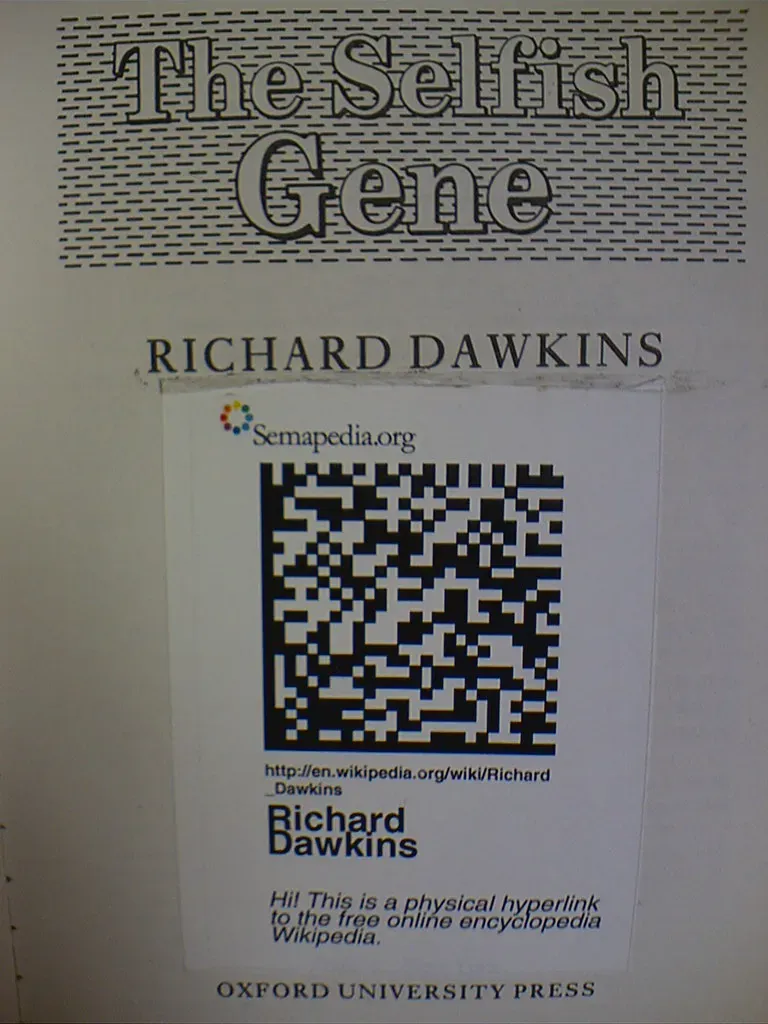
Dawkins flips biology on its head with this one. Instead of thinking about evolution from the perspective of individual organisms, he argues we should think about it from the gene’s point of view. We’re basically just vehicles genes use to replicate themselves.
This sounds cold and mechanical at first, but it actually explains so much about human behavior, from altruism to competition. Dawkins shows how seemingly selfless acts can make sense when you look at genetic interests. Your genes “want” to survive, even if that means you sacrifice for relatives who share those genes.
The book sparked massive debates when it came out, and people still argue about it today. Some worry it makes life seem meaningless or justifies selfish behavior. But Dawkins isn’t making moral claims – he’s describing mechanisms. Understanding those mechanisms gives you a clearer picture of why we do what we do, even if we don’t always like the answers.
6. “Atomic Habits” by James Clear
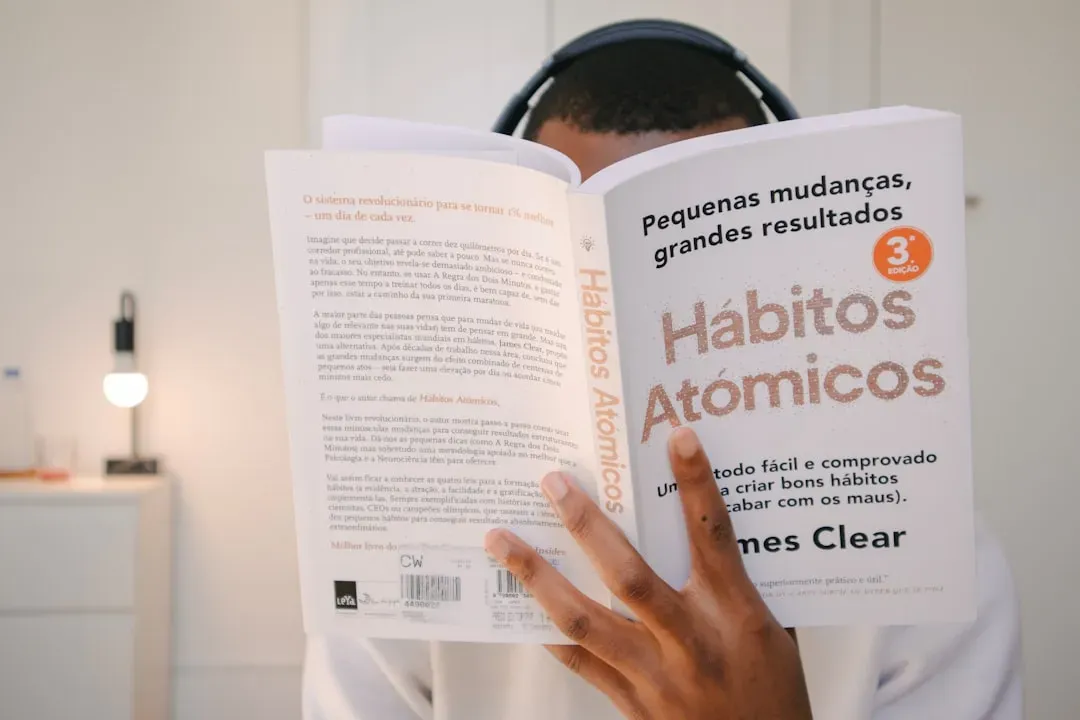
If you’ve ever wondered why changing your behavior feels so damn hard, James Clear breaks it down in ways that actually make sense. He argues that tiny changes, repeated consistently, compound into remarkable results over time. It’s not about massive willpower or dramatic transformations.
Clear provides a framework for building good habits and breaking bad ones. The key insight is that we should focus on systems rather than goals. Everyone wants to lose weight or write a book, but winners and losers often have the same goals. What separates them is having effective systems.
What I love about this book is how practical it is. Clear doesn’t just theorize – he gives specific strategies you can implement immediately. Stack new habits onto existing ones. Make good choices easier and bad choices harder. Focus on identity (becoming the type of person who does X) rather than outcomes. These ideas sound simple, but they work when you actually apply them.
7. “Guns, Germs, and Steel” by Jared Diamond

Diamond tackles one of history’s biggest questions: why did some civilizations conquer others? Why did Europeans colonize the Americas rather than the other way around? His answer challenges racist explanations that dominated thinking for centuries.
The book argues that geography, available crops, and domesticable animals made all the difference. Societies that developed agriculture early got a head start on technology, immune systems (from living near livestock), and complex social organizations. It wasn’t about intelligence or moral superiority – it was about environmental advantages.
This reframes basically everything you learned in history class. Suddenly, the rise and fall of civilizations looks less like destiny and more like the result of geographic lottery. It makes you reconsider all those “great men of history” narratives we love so much. Turns out, wheat and horses might have mattered more than individual brilliance.
8. “Meditations” by Marcus Aurelius

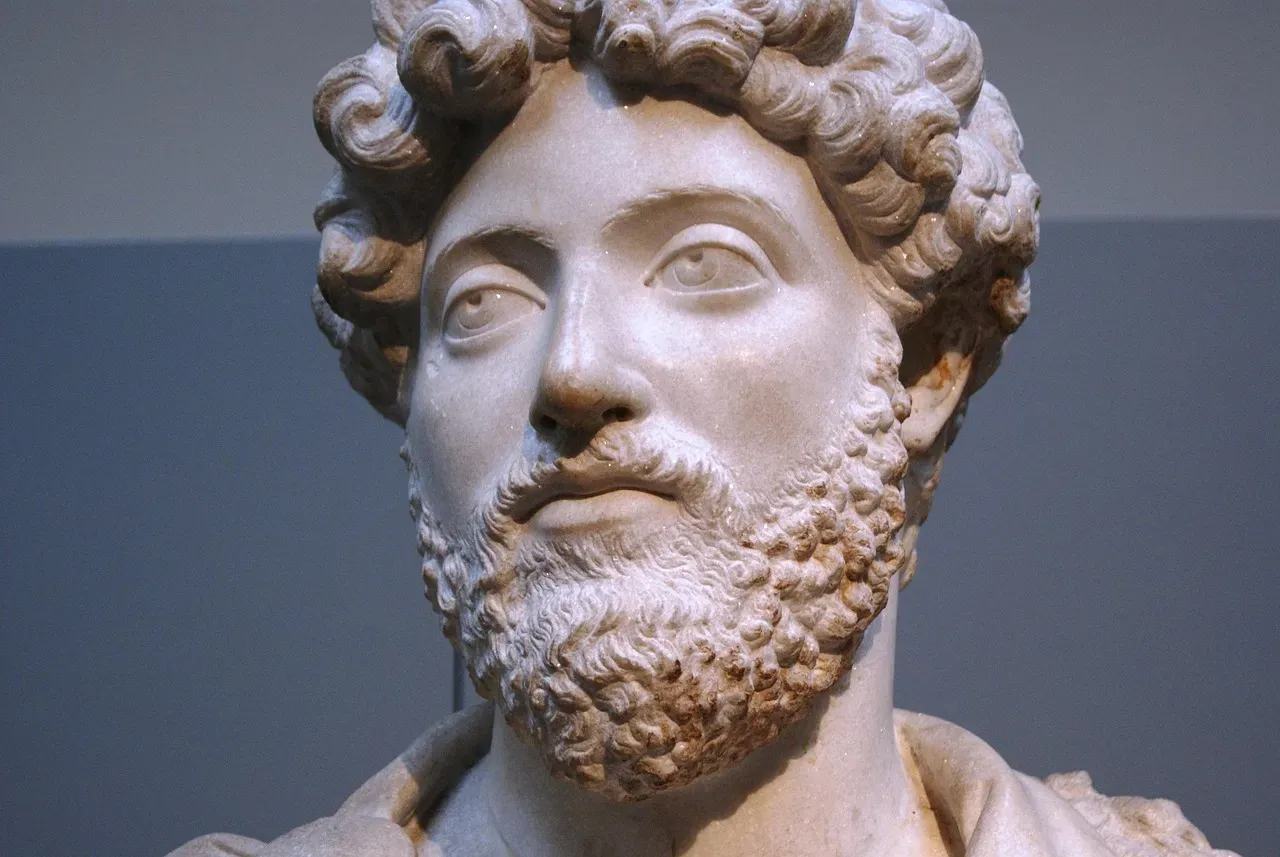
A Roman emperor wrote these personal notes to himself nearly two thousand years ago, never intending anyone else to read them. That’s what makes them so powerful – they’re brutally honest reflections on life, death, duty, and human nature without any performance or pretense.
Marcus Aurelius was a Stoic, which means he focused on what’s within our control and accepting what isn’t. He reminds himself (and now us) that we can’t control external events, only our responses to them. Death is natural, criticism is inevitable, and most of what we worry about doesn’t matter in the grand scheme.
What gets me is how relevant these ancient thoughts feel today. Marcus dealt with plagues, wars, political intrigue, and personal loss, yet his advice applies perfectly to modern anxiety and stress. The book is like having a wise friend who keeps you grounded when everything feels overwhelming. You’ll find yourself returning to certain passages again and again.
9. “The Immortal Life of Henrietta Lacks” by Rebecca Skloot

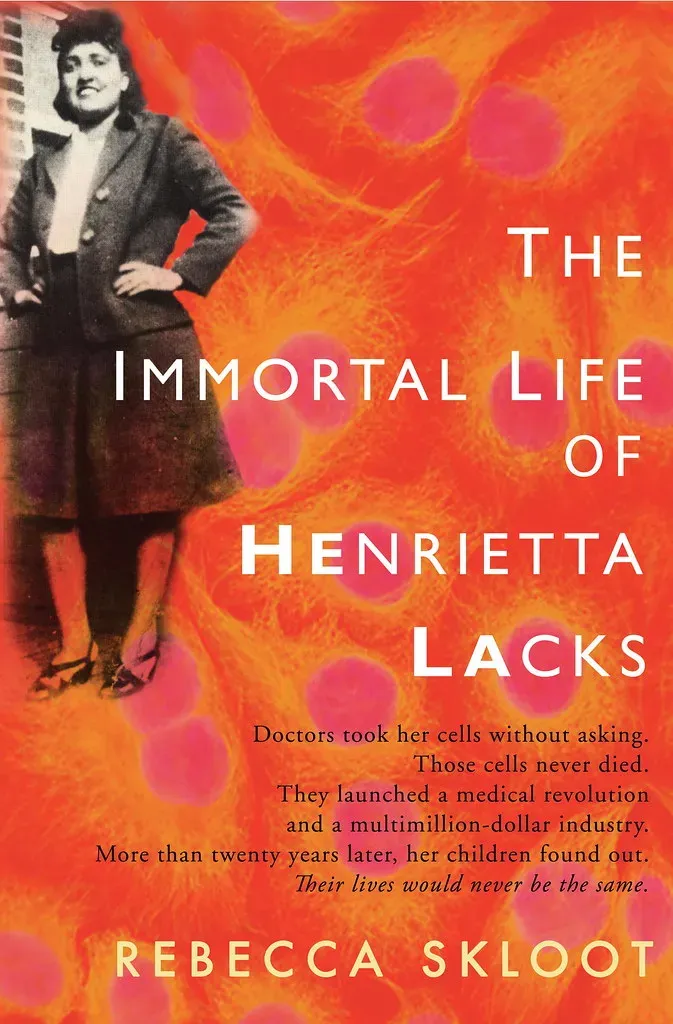
This book tells the true story of Henrietta Lacks, a poor Black woman whose cancer cells were taken without her knowledge in 1951. Those cells, called HeLa cells, became one of the most important tools in medicine, contributing to countless discoveries and billions in profits. Henrietta’s family, meanwhile, couldn’t even afford health insurance.
Skloot weaves together science, history, and ethics in a way that makes you angry, amazed, and deeply moved all at once. The scientific achievement is incredible – HeLa cells helped develop the polio vaccine and advanced cancer research. But the ethical violations and racial injustice make you question how medical progress happens and who benefits from it.
Reading about Henrietta’s descendants struggling to understand what happened to their mother while scientists worldwide used her cells without acknowledging her humanity hits different. It’s a powerful reminder that behind every medical breakthrough are real people with real stories, and we owe them recognition and respect.
10. “Freakonomics” by Steven D. Levitt and Stephen J. Dubner


This book takes economics and applies it to bizarre, unexpected questions. What do schoolteachers and sumo wrestlers have in common? How is the Ku Klux Klan like a group of real estate agents? The authors show that conventional wisdom is often wrong and hidden incentives drive behavior in surprising ways.
Levitt and Dubner are great storytellers who make data analysis genuinely entertaining. They’re not afraid to tackle controversial topics either. One infamous chapter argues that legalized abortion in the 1970s led to decreased crime rates in the 1990s because fewer unwanted children were born into difficult circumstances. People are still debating that one.
What the book really does is teach you to think like an economist – to look for hidden causes, question obvious explanations, and follow the incentives. Once you start seeing the world this way, you notice patterns everywhere. That annoying policy at work? Follow the incentives. That political controversy? Follow the incentives. It becomes a lens that reveals hidden structures everywhere you look.
Final Thoughts

Books have this unique ability to crawl inside your head and rearrange the furniture. These ten do exactly that, each in their own way. Some challenge your understanding of human nature, others make you rethink history or science, and a few just give you better tools for navigating daily life.
The beautiful thing is that different books will resonate at different times in your life. One might leave you cold today but blow your mind in five years when you’re ready for its message. That’s the magic of reading – it meets you where you are while showing you where you could go.
Which of these have you read? Or is there a book that completely changed how you see things that didn’t make this list? Tell us in the comments.