Picture this: you’ve poured your heart into something, sent it out into the world, and all you get back is “thanks, but no thanks.” Over and over again. Most of us would give up after a handful of rejections. But some of the most celebrated authors kept pushing through dozens, sometimes hundreds, of rejection letters before their work finally saw the light of day.
What’s wild is that many of these books went on to sell millions of copies and changed literature as we know it. The stories behind their rejections are almost as compelling as the books themselves. Let’s dive into some of the most shocking examples of literary persistence that paid off big time.
Harry Potter and the Philosopher’s Stone by J.K. Rowling
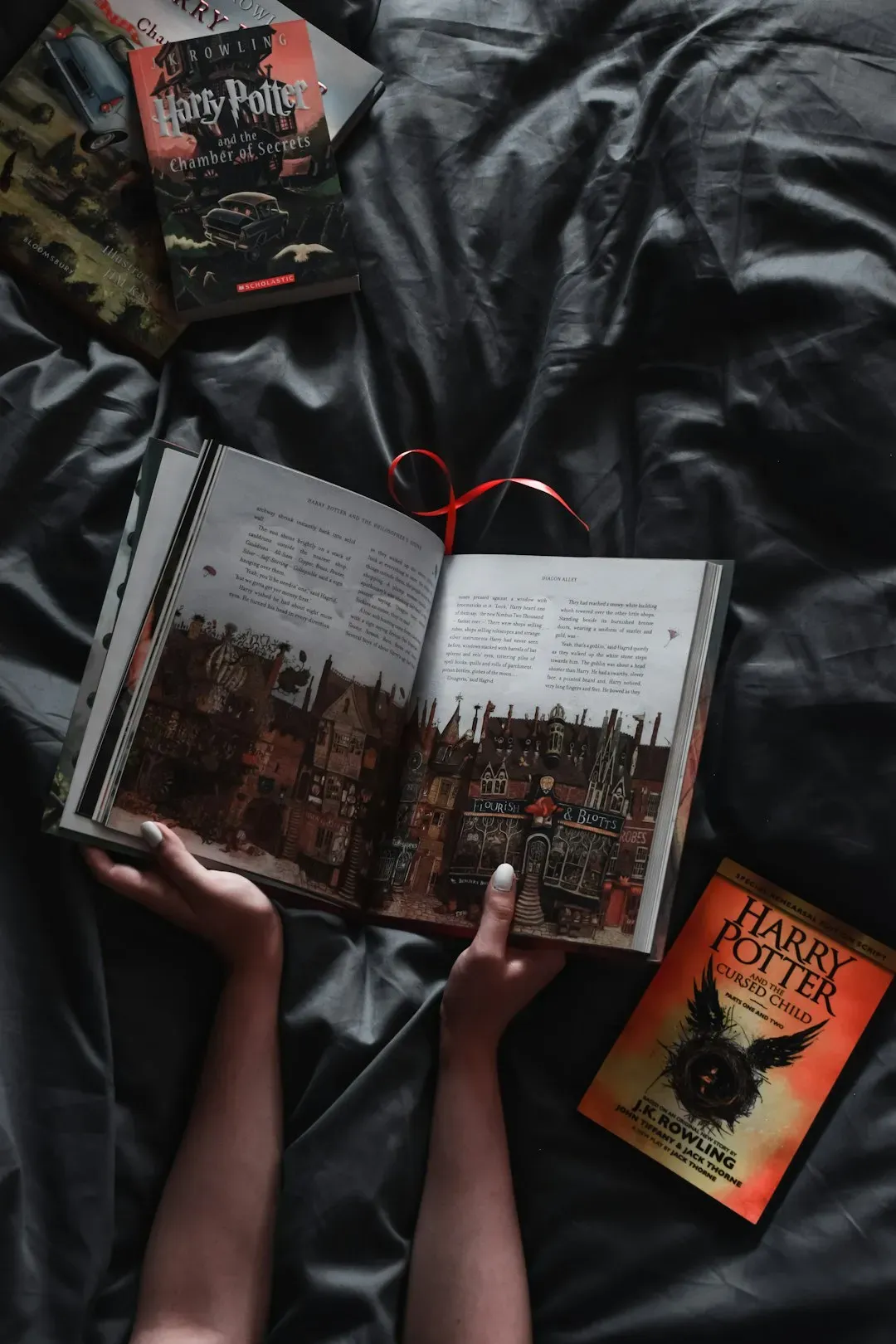
J.K. Rowling’s tale of a boy wizard living under the stairs was rejected by twelve different publishers before Bloomsbury finally took a chance on it. One publisher even told her that children’s books don’t make money. Yeah, about that. The Harry Potter series has now sold over 500 million copies worldwide and spawned a multi-billion dollar franchise.
Rowling was a single mother on welfare when she wrote the first book in Edinburgh cafés. The chairman of Bloomsbury only agreed to publish it after his eight-year-old daughter read the first chapter and demanded more. Sometimes it takes a kid to see what adults can’t. The advance was a modest £1,500.
Today, Rowling is one of the wealthiest authors in history. She became the first person to become a billionaire through writing alone, though she’s since dropped below that threshold due to charitable donations. Not bad for a manuscript that sat in rejection piles for a year.
The Diary of a Young Girl by Anne Frank
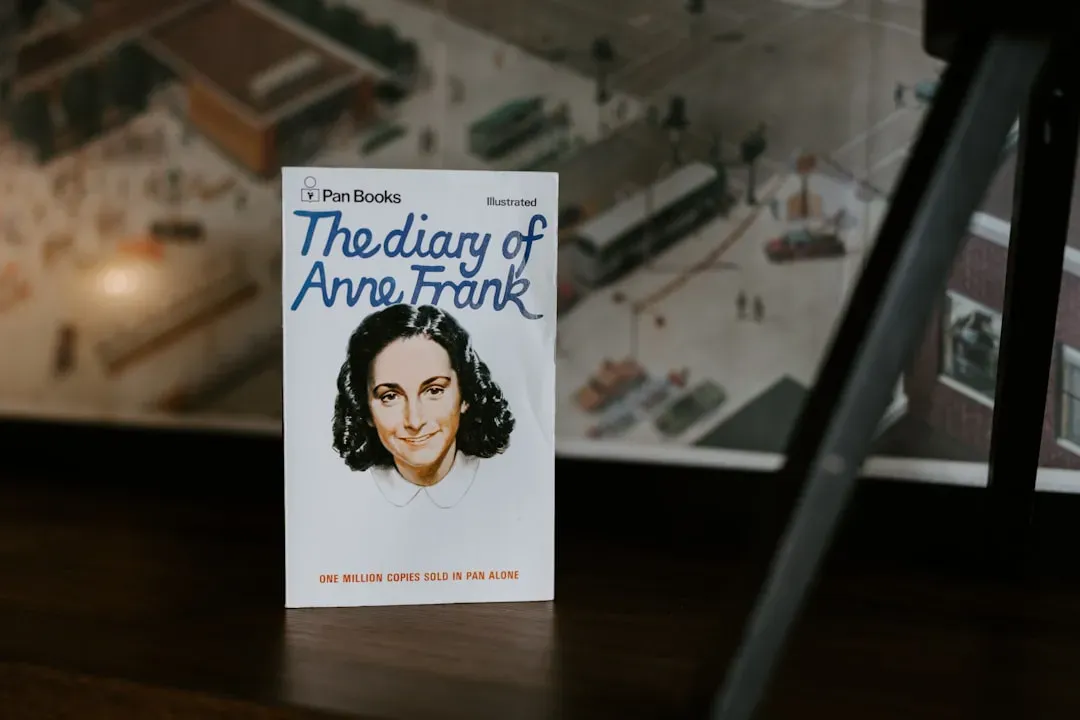
Anne Frank’s powerful diary, written while hiding from Nazi persecution during World War II, faced fifteen rejections before finally being published. Publishers worried that readers wouldn’t be interested in the perspective of a teenage girl. One editor dismissed it as too depressing and unmarketable.
Anne’s father, Otto Frank, the only member of the family to survive the Holocaust, worked tirelessly to get his daughter’s words published. The diary was first published in Dutch in 1947, and the English translation came in 1952. Since then, it has sold more than 30 million copies in over 70 languages.
The book has become one of the most important historical documents of the 20th century. It’s required reading in schools worldwide. Those publishers who passed must have felt pretty foolish when they saw what they missed.
Carrie by Stephen King
Stephen King’s first published novel was rejected thirty times. King actually threw the manuscript in the trash after yet another rejection. His wife, Tabitha, fished it out and convinced him to keep trying. Good thing she did, because Carrie launched one of the most successful writing careers in history.
Publishers thought the story about a telekinetic teenage girl was too niche. The horror genre wasn’t particularly hot at the time either. Doubleday eventually picked it up with a $2,500 advance. The paperback rights sold for $400,000 shortly after, with King and Doubleday splitting the money.
King has since published over 60 novels and 200 short stories, with total sales exceeding 350 million copies. He’s won countless awards and most of his work has been adapted for film or television. All because his wife believed in a story about a bullied girl with psychic powers.
Gone with the Wind by Margaret Mitchell
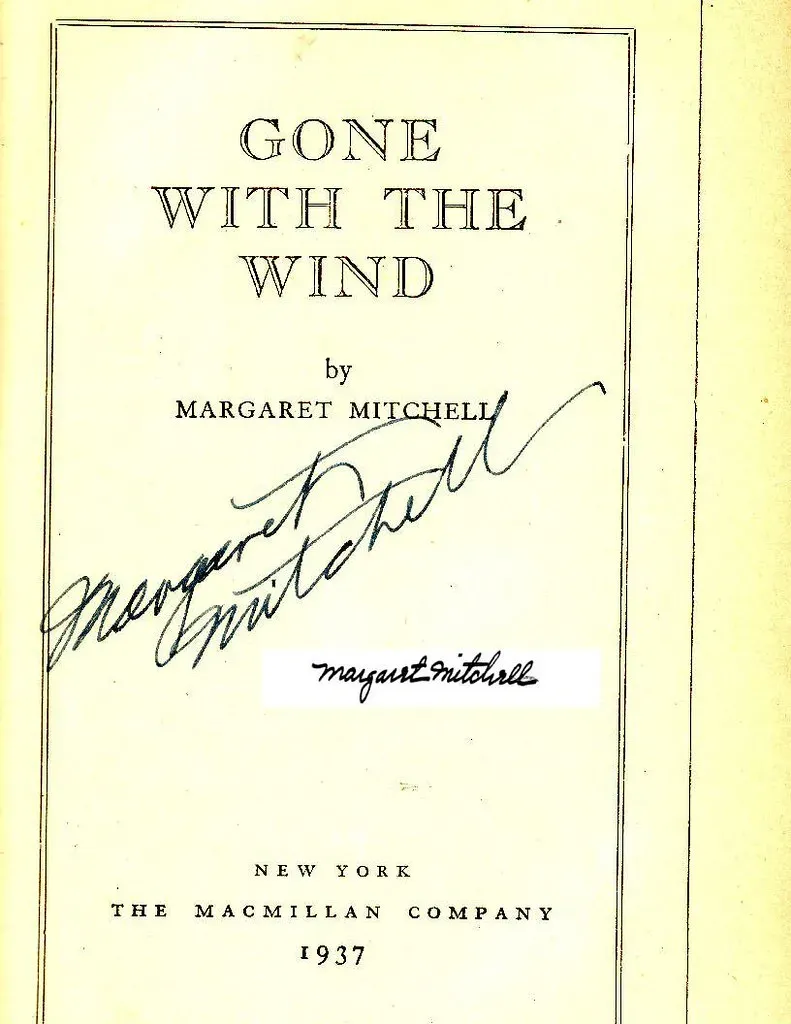
Margaret Mitchell’s epic Civil War romance was rejected by 38 publishers before Macmillan took a chance on it in 1936. Publishing houses found it too long, the subject matter too regional, and questioned whether readers would care about the American South. They couldn’t have been more wrong.
The book won the Pulitzer Prize in 1937 and became one of the bestselling novels of all time. It sold a million copies in its first six months. The film adaptation became one of the highest-grossing movies ever made, winning ten Academy Awards.
Mitchell spent ten years writing the manuscript, working on it sporadically while recovering from an ankle injury. She never wrote another novel, making Gone with the Wind her singular literary achievement. The book has sold over 30 million copies worldwide and remains a cultural touchstone, for better or worse.
The Help by Kathryn Stockett

Kathryn Stockett’s novel about Black maids working in white households during the 1960s civil rights movement was rejected sixty times over three years. Many agents and publishers felt the subject matter was too controversial or that Stockett, as a white woman, couldn’t authentically tell these stories. She kept a folder of all her rejection letters.
The book finally found a home with Amy Einhorn Books in 2009. It spent more than 100 weeks on the New York Times bestseller list and sold over 10 million copies. The film adaptation starring Viola Davis and Octavia Spencer was also a massive success, earning multiple Oscar nominations.
Stockett wrote the book while living in New York City, inspired by the Black women who raised her in Mississippi. She wrote early in the mornings before her day job and on weekends. Five years of work, sixty rejections, and then suddenly everything changed.
A Time to Kill by John Grisham

John Grisham’s first novel was rejected by 28 publishers. The legal thriller about a Black father who takes justice into his own hands after his daughter is assaulted didn’t fit neatly into any commercial category. Publishers didn’t think there was an audience for courtroom dramas written by an unknown lawyer from Mississippi.
Wynwood Press finally published 5,000 copies in 1989. Grisham bought 1,000 copies himself and sold them out of the trunk of his car at libraries and bookstores. His persistence paid off when his second novel, The Firm, became a massive bestseller, bringing attention back to A Time to Kill.
The book was republished and eventually sold millions of copies. It was adapted into a film starring Matthew McConaughey and Samuel L. Jackson. Grisham has now published over 40 novels with total sales exceeding 300 million copies. All those publishers who passed must kick themselves regularly.
What These Stories Tell Us
The publishing industry isn’t perfect. Editors and agents are human, and humans make mistakes. What seems unmarketable today might be tomorrow’s sensation. These rejection stories remind us that persistence matters more than almost anything else in creative fields.
Every single one of these authors faced moments of doubt. They questioned their talent, their stories, their futures. But they kept going anyway. They revised, they submitted again, they found new ways forward. Some self-published. Some had family members who believed in them. Some just refused to quit.
The next time you face rejection in any form, remember these stories. Publishers rejected Harry Potter. They said no to The Godfather. They passed on Dune. The experts got it wrong, and they’ll get it wrong again. Maybe your story is next.
What’s the biggest lesson from these literary comebacks? Drop your thoughts in the comments.