There’s something almost magical about stumbling upon an object that’s been untouched for decades, even centuries. A rusted tin box buried beneath a century-old building. A forgotten letter tucked inside a wall. These aren’t just old things collecting dust. They’re windows into lives we’ll never live, moments frozen in time that somehow found their way back to us.
Time capsules and historical artifacts have this uncanny ability to make history feel personal. They transform dates and facts into real human experiences. What did people worry about? What made them laugh? What did they hope the future would look like? The answers often surprise us, sometimes move us, and occasionally make us realize we’re not so different from those who came before.
So let’s dive into some of the most fascinating discoveries that have surfaced over the years. Be surprised by what these hidden treasures reveal about our shared past.
The Boston Time Capsule That Rewrote Revolutionary History
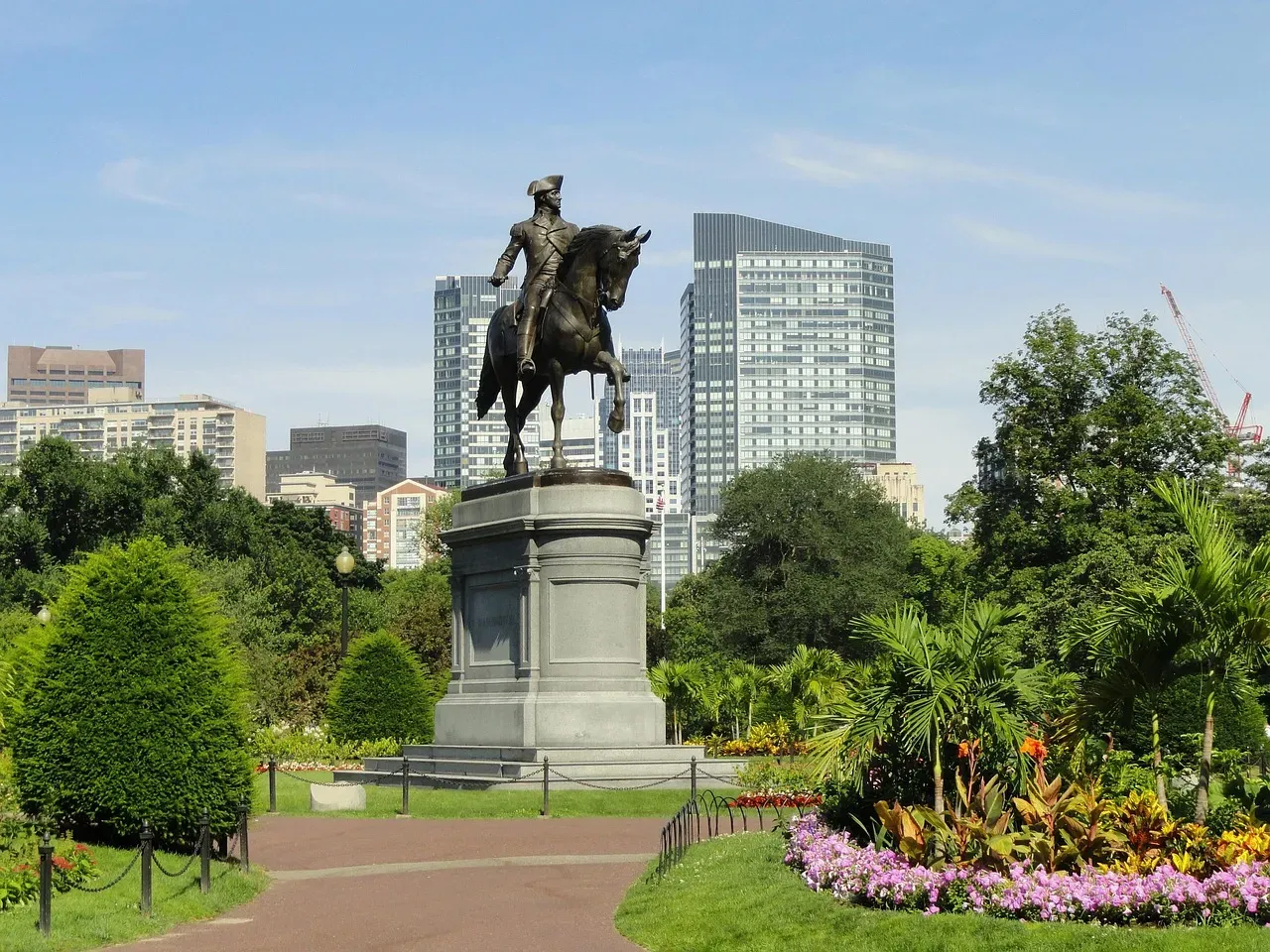
Workers renovating the Massachusetts State House in 2014 made an unexpected discovery. Tucked inside the cornerstone was a time capsule placed there by none other than Samuel Adams and Paul Revere in 1795. Think about that for a moment. These weren’t just historical figures from a textbook. They were real people who carefully selected items to send forward through time.
Inside the capsule, researchers found coins dating back to the 1600s and 1700s, newspapers from the era, and a silver plate engraved by Paul Revere himself. What struck historians most was the condition of these items. The newspapers were still readable, offering firsthand accounts of events we’d only known through secondhand sources. It’s one thing to read about the Revolutionary period in a history book. It’s entirely another to hold a newspaper printed while the ink of independence was still wet.
The capsule had actually been opened once before, in 1855, when additional items were added before it was resealed. This layering of history made it even more valuable, capturing not just one moment but multiple snapshots of American identity forming over time.
A Soviet Moon Rover’s Hidden Message

In 1970, the Soviet Union successfully landed the Lunokhod 1 rover on the moon. What most people don’t know is that tucked inside this robotic explorer was a small pennant bearing the Soviet coat of arms and a message intended for future lunar visitors. The rover operated for nearly a year, far exceeding its expected three-month lifespan.
Here’s where it gets interesting. When the rover finally stopped responding in 1971, its exact location became a mystery for nearly four decades. In 2010, researchers using modern lunar imaging technology finally located it. The pennant and its message remain there still, a Soviet time capsule on the moon’s surface.
The artifact represents more than just Cold War space rivalry. It shows humanity’s deep-seated need to leave marks for those who come after us. Even in the most inhospitable place imaginable, we can’t resist the urge to say, “We were here.”
The Pompeii Scrolls That Technology Finally Unlocked
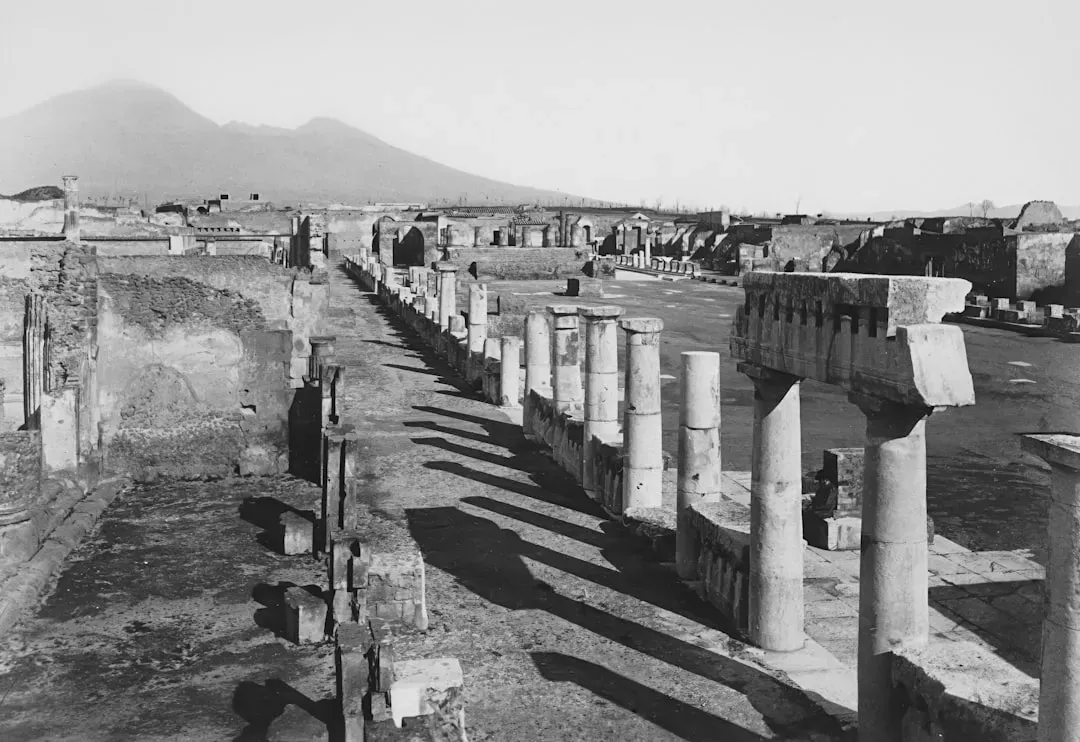
When Mount Vesuvius erupted in 79 AD, it buried the Roman city of Pompeii under volcanic ash. Among the preserved ruins, archaeologists discovered what became known as the Villa of the Papyri, containing a library of over 1,800 carbonized scrolls. For centuries, these scrolls were unreadable. Any attempt to unroll them would simply destroy them.
Then came modern technology. Using advanced X-ray imaging and artificial intelligence, researchers in recent years have begun to read these ancient texts without ever physically opening them. The scrolls contain philosophical writings, poetry, and glimpses into daily Roman life that we never knew existed.
What makes these artifacts particularly moving is that they represent someone’s personal library. Imagine owning books you loved so much that they survived 2,000 years. The villa’s owner clearly valued knowledge and literature. Those charred scrolls weren’t just objects. They were treasured companions.
The Crypt of Civilization’s Ambitious Gamble
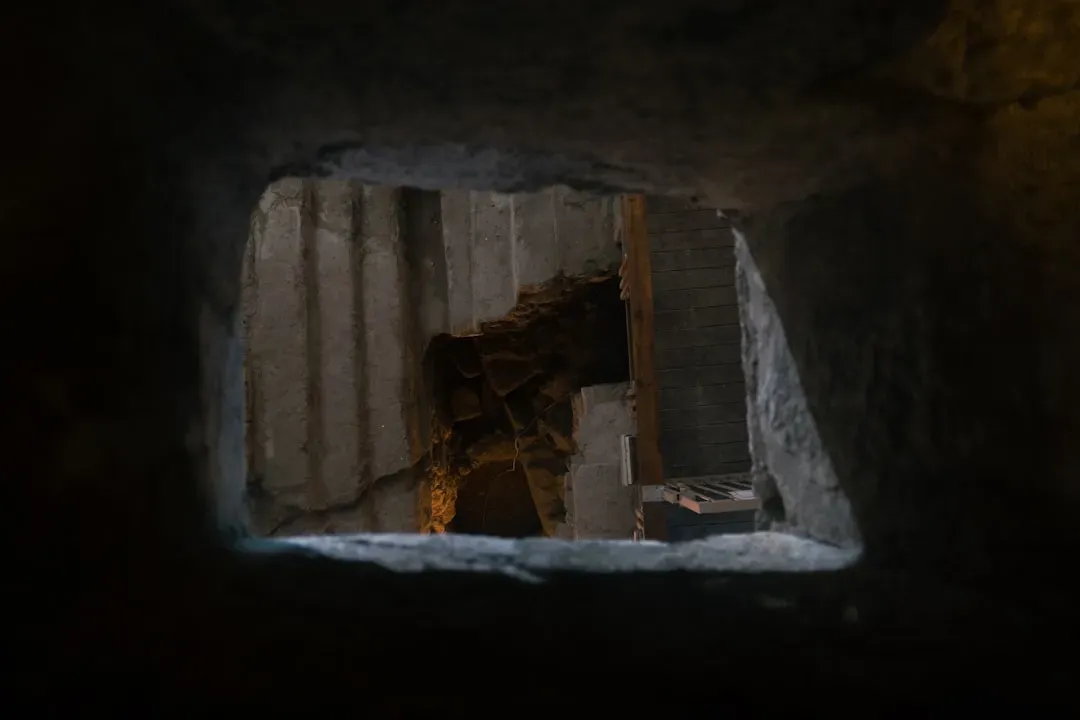
In 1936, Oglethorpe University in Georgia created what they called the Crypt of Civilization, scheduled to be opened in the year 8113. Yes, you read that right. It’s a 6,177-year time capsule, which might be the longest-range message humanity has ever attempted to send itself.
The crypt contains over 640,000 pages of microfilm, recordings of human voices (including a message from President Franklin D. Roosevelt), newsreels, a device to teach future finders how to speak English, and everyday objects from the 1930s. There’s even a bottle of beer in there. The creators wanted to preserve not just the important stuff but the ordinary things that defined their time.
What’s fascinating is the assumption baked into this project. They believed civilization might collapse and need to be rebuilt from scratch. Whether that’s pessimistic or realistic depends on your perspective. Either way, it shows how people in the 1930s, watching the world slide toward another war, thought about the future.
The Oldest Known Time Capsule Found Underneath a Lion Statue
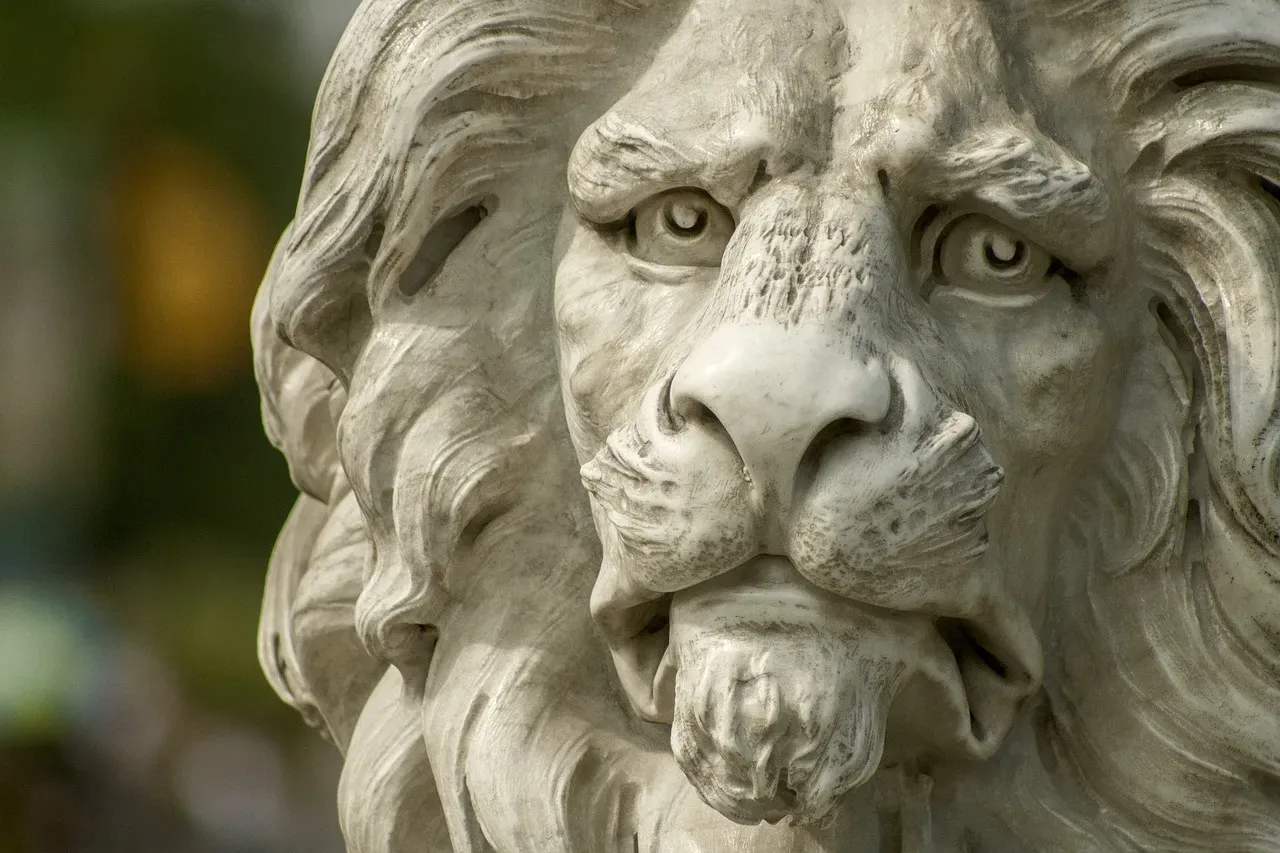
In 2017, conservators in Poland were restoring a copper figure of a lion when they discovered something unexpected inside. Hidden in the statue was a small time capsule from 1726, making it potentially the oldest deliberately created time capsule ever found.
The contents were modest. Documents listing the names of local officials and craftsmen, a few coins, and records of the statue’s creation. Nothing earth-shattering. But here’s what gets me about this discovery: those craftsmen wanted to be remembered. They knew they wouldn’t live to see distant futures, but their names could.
The capsule wasn’t discovered for almost 300 years. Those men got their wish. We know their names now. The artifact reminds us that the desire for legacy isn’t modern or unique to famous people. It’s deeply human.
Personal Letters from the Sinking of the RMS Republic
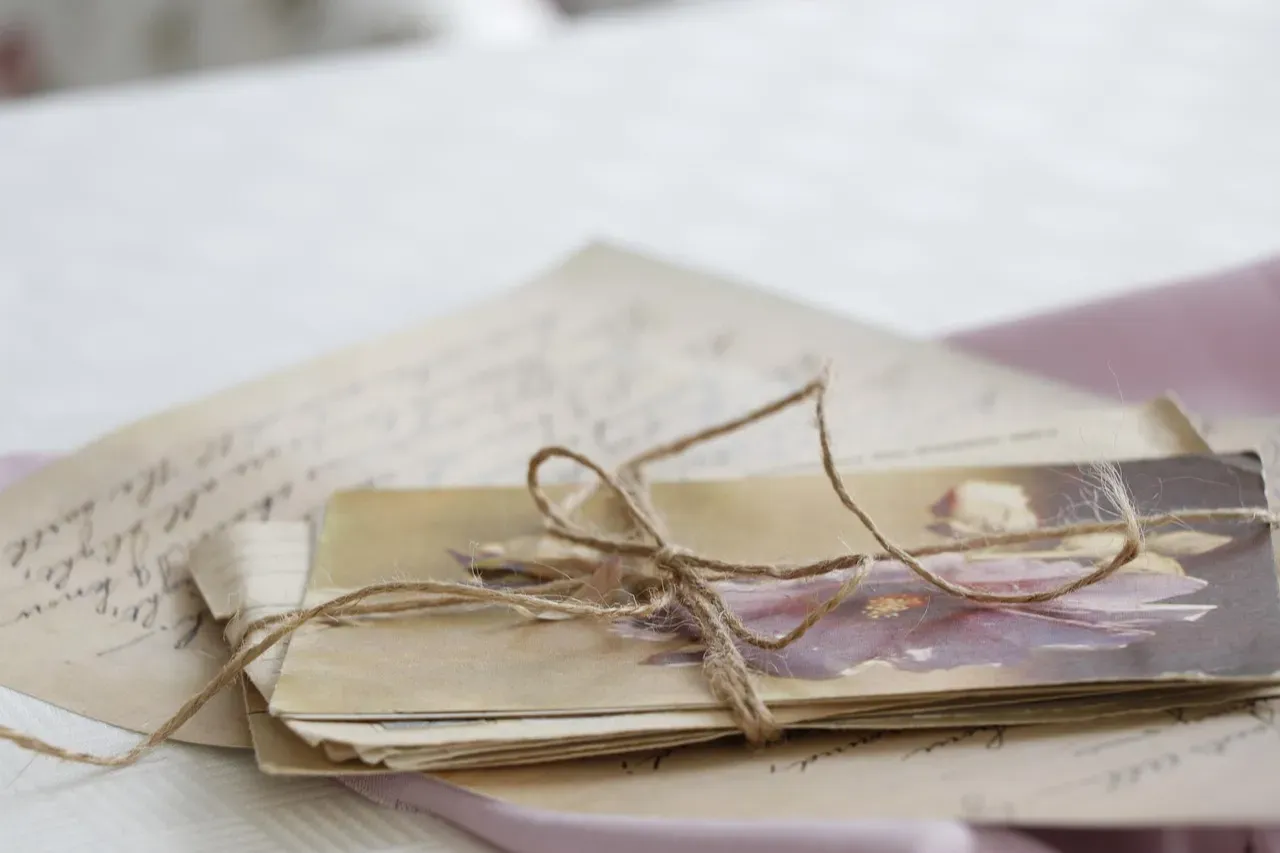
When the RMS Republic sank in 1909 after a collision in dense fog, it took with it cargo that included over $3 million in gold coins. Salvage attempts over the years focused on that treasure. But when divers finally reached the wreck decades later, they found something more valuable than gold: perfectly preserved letters and personal belongings.
These items told stories the history books had missed. One letter was from a young immigrant writing to family back home, describing hopes for a new life in America. Another was a marriage proposal that never got delivered. The ship became an accidental time capsule, freezing these intimate moments in place.
The gold everyone was hunting for matters to collectors and investors. Those letters matter to anyone who’s ever loved someone or dreamed of something better. They’re reminders that tragedy doesn’t just claim lives – it claims futures, possibilities, and stories that deserved to be finished.
The Beatles’ Rejected Time Capsule
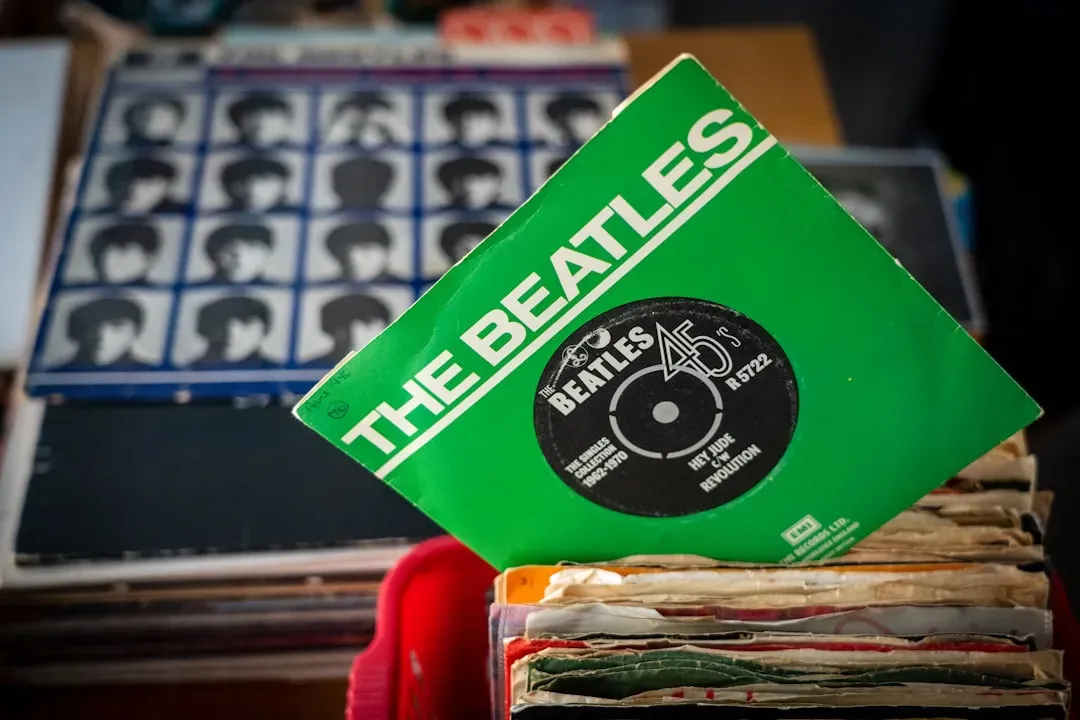
In 1968, The Beatles were supposed to contribute items to a time capsule being assembled for the Montreal Expo. What they sent became legendary for all the wrong reasons. The band included a recording of experimental music so bizarre that organizers worried it would confuse or disturb people who opened the capsule decades later.
After much debate, the recording was rejected and returned to the band. It later surfaced as part of bootleg collections, and let’s be honest, it is pretty weird. But here’s what makes this story fascinating: The Beatles wanted to preserve not their greatest hits but something experimental and strange.
They weren’t trying to show the future their best work. They wanted to show who they really were in that moment, even if it wasn’t pretty or polished. There’s something admirable about that level of honesty, even if it did get them kicked out of a time capsule.
What These Treasures Teach Us About Time

Looking back at all these discoveries, a pattern emerges. The artifacts that move us most aren’t always the most valuable or historically significant in a traditional sense. They’re the ones that reveal something human. A craftsman wanting his name remembered. A child’s innocent view of the world. A love letter that never arrived.
Time capsules force us to think about what matters. If you could send one thing forward 100 years, what would it be? Your smartphone? A family photo? A recipe? The question itself is revealing. We all want to believe that something of who we are will persist beyond our lifetimes. These artifacts prove that impulse isn’t new – it’s been with us throughout recorded history.
Every time capsule is also a message about the present’s relationship with both past and future. We’re simultaneously trying to honor where we came from and reach toward where we’re going. That’s a pretty beautiful thing when you think about it.
What would you put in a time capsule if you had the chance? Sometimes the best way to understand history is to imagine ourselves as part of it. What do you think future people would want to know about your life right now? Tell us in the comments.