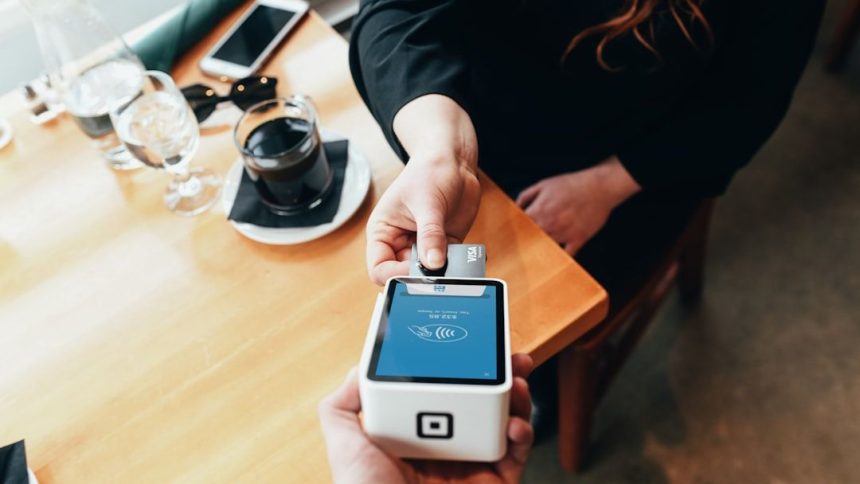
There is a specific kind of social discomfort that hits the moment a tablet screen swings around toward you at a coffee counter. The options stare back at you: 20%, 25%, 30%. You ordered a latte. You waited in line and carried your own cup to the table. Still, there it is – the silent guilt machine. This is modern American dining, and for millions of people, it is reaching a breaking point.
The tipping conversation has gone from dinner-table whisper to full national reckoning. Data is piling up. Attitudes are shifting. The restaurant industry is caught in the middle. Let’s dive in.
A Nation Exhausted by the Ask
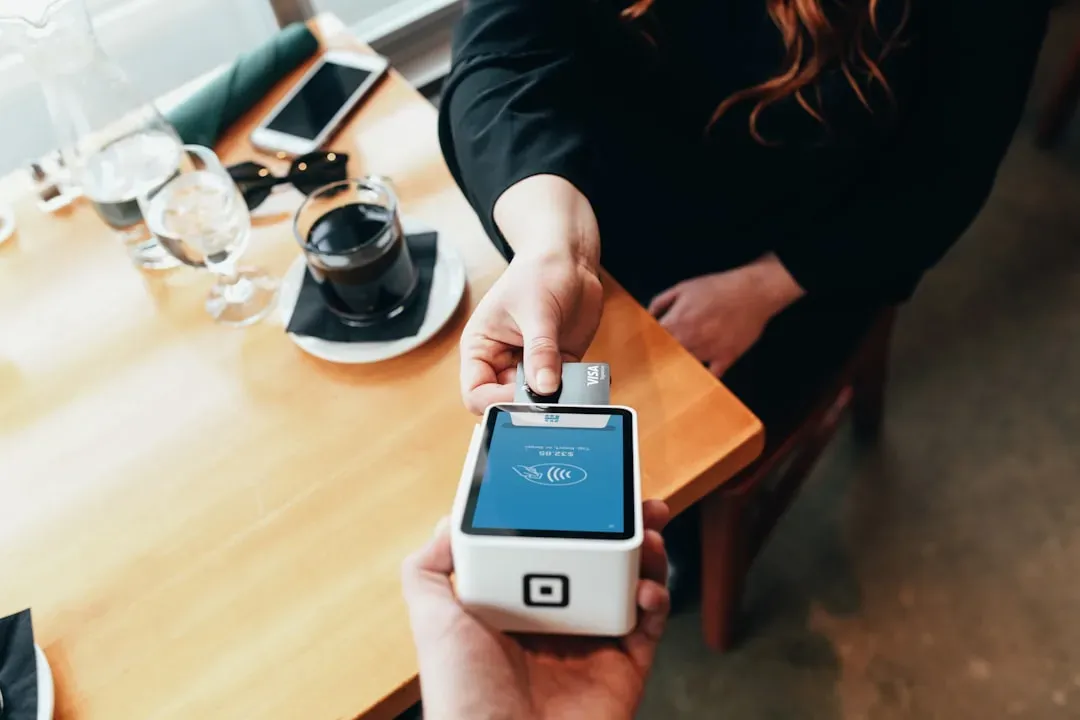
The numbers don’t lie, and honestly, they’re more alarming than most people realize. Tipping fatigue continues to plague U.S. consumers, impacting industries that rely on gratuities. Two-thirds of consumers – roughly 65% – say they are fed up with tipping, up from 60% the previous year and 53% in 2023, according to a 2025 Popmenu study of 1,000 Americans.
Consumers estimate that they are asked to tip for different services at various establishments ten times a month, on average, which is a key reason why nearly half say they are tipping less this year. That’s not a minor irritation – that’s a structural shift in how people relate to the act of tipping itself.
This constant barrage of requests has generated a sense of “tip fatigue,” where the act of tipping becomes less about genuine appreciation and more about navigating a social obligation – causing customers to feel resentful, ultimately harming the business and negatively affecting the dining experience. Think of it like a charity bucket shaken in your face every single morning. Eventually, even the most generous person starts looking the other way.
The Numbers Behind the Frustration

Bankrate’s 2025 Consumer Tipping Attitudes Survey found that nearly two-thirds of Americans hold at least one negative view about tipping culture, up from 59% the previous year. That’s a meaningful jump in just twelve months. This increase in negative sentiment came even as tipping amounts at full-service restaurants ticked slightly upward.
Just 35% of Americans now say they typically leave a 20% tip, down from 37% the year before, reflecting tighter budgets and rising menu prices. Around 65% of U.S. consumers say they’re “tired of tipping,” up from 60% the year prior and 53% in 2023. The trajectory is unmistakable.
New research shows Americans spent $283 on pressure-driven tips in 2025, down 38% from the $453 they reluctantly handed over in 2024. That reduction represents real money being reclaimed – and a clear signal that Americans are starting to push back more deliberately against guilt-prompted gratuities.
The iPad Effect: How Tech Turned Tipping Toxic
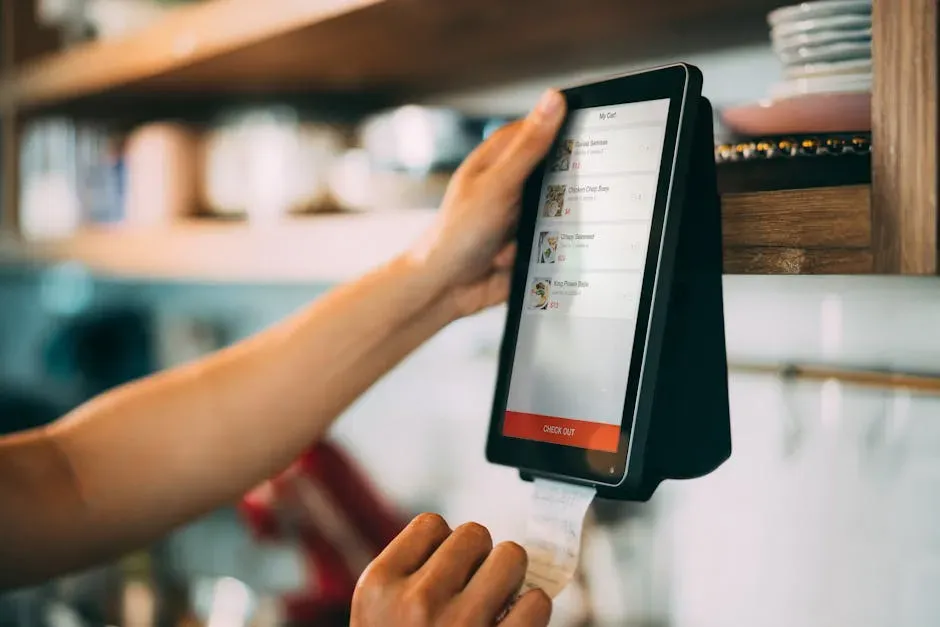
Here’s the thing about digital payment screens: they were supposed to make everything easier. In some ways, they did. A LendingTree survey found 60% of Americans say they have been tipping more because technology makes it easier to do so, and perhaps harder to skip. The problem is that “harder to skip” creates its own kind of resentment.
A full 66% of consumers say they sometimes or always feel pressured to tip when an iPad or digital interface asks them to, even if it’s just a takeout coffee order. Meanwhile, 38% of U.S. residents say they are annoyed with pre-entered tip screens – up from 34% the prior year – and 27% say they are less likely to tip when presented with pre-entered tip screens.
In 2025, only 15% of tips are given in cash, down from 30% in 2020. That shift to digital has handed restaurants an enormous psychological lever. The design of tip prompts plays a significant role in customer tipping behavior, and factors such as the timing of the prompt, the suggested tip amounts, and the presence of visual cues can all impact the likelihood and size of tips – even leading to tip fatigue.
Americans Are Eating Out Less – and Prices Are Why
Simply put, 37% of American diners are eating out less frequently than they did a year ago. Among lower-income diners, this share rises to 44%. Just 8% of diners say they are eating out more than they were last year. That is a staggering gap in either direction – and it reflects a population recalibrating its spending habits under real financial strain.
Driving this pullback is the higher cost of dining out, with 82% of Americans saying restaurant prices have increased in the past 12 months. The Consumer Price Index showed a 3.7% increase in menu prices in September 2025 versus September 2024. Further, less than one-third of diners believe prices are fair for the quality of meal they’re receiving.
Because of this, more than half of Americans have altered their dining preferences to cut expenses. Women and Gen Z and millennial diners are cutting back at higher rates than older counterparts. Most consumers are now choosing cheaper restaurants, more than half are actively using discounts or coupons, and roughly half are ordering fewer items. The tipping conversation doesn’t exist in isolation – it sits on top of an already-bruised dining budget.
The Generational Divide That’s Reshaping Restaurant Culture
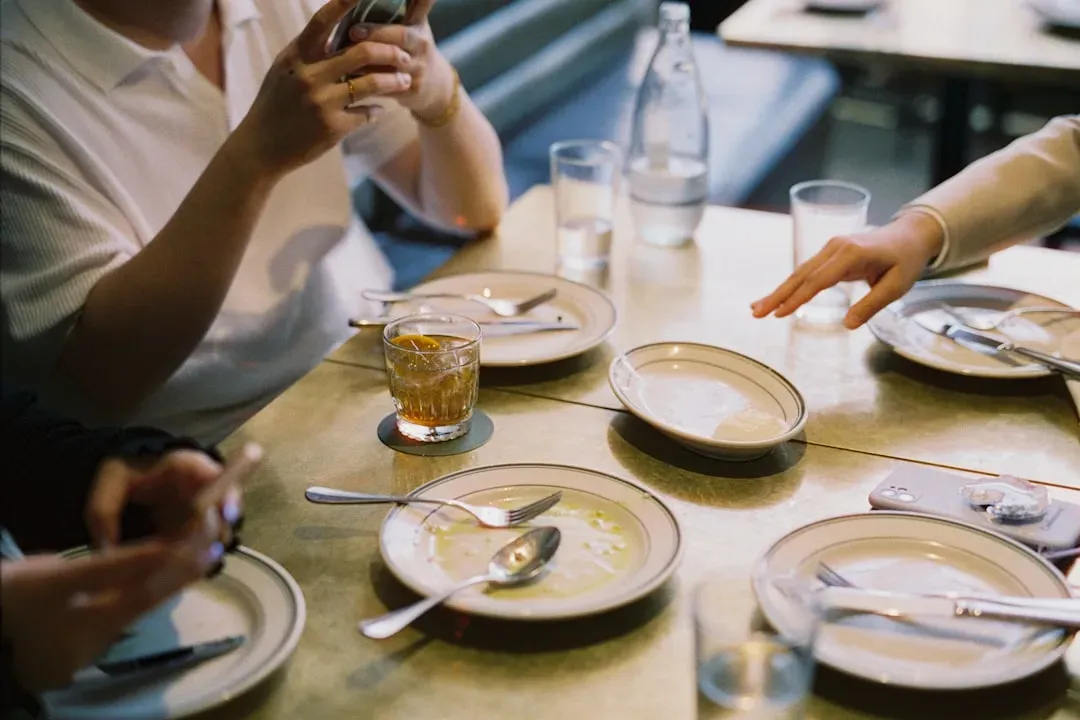
Generational differences in tipping are more dramatic than most people expect. A Bankrate 2025 survey revealed a striking age divide: nearly half of Boomers typically tip at least 20% at sit-down restaurants, compared to just 16% of Gen Z. That is a gap so wide it almost represents two entirely different social norms sitting in the same dining room.
While 43% of Gen Zers and 61% of millennials always tip at sit-down restaurants, 83% of Gen Xers and 84% of Boomers do the same. Gen Z is already the stingiest generation when it comes to tipping, averaging about 13% – five percentage points less than the Boomer average of 18%.
I think this is actually less about character and more about context. Gen Z grew up watching tip prompts appear at every conceivable transaction. To them, tipping at a counter is not tradition – it’s corporate theater. Despite having less spending power than other generations, Gen Z is making an outsized impact on the restaurant industry, with one in five saying they go out to eat daily, and nearly half planning to eat out more often in the next six months. They’re showing up, just differently.
Tip Creep: Where Tipping Has Spread – and Where Americans Draw the Line

A Pew Research Center study found that nearly three-quarters of Americans feel tipping is expected in more places than it was five years ago. This expansion is what many experts call “tip creep” – the gradual migration of gratuity expectations from traditional table service into every conceivable transaction. Coffee shops, food trucks, self-checkout kiosks. Even, reportedly, bathrooms.
Around 46% of consumers now leave tips at coffee shops, 32% at food trucks, and 27% even at fast-food outlets, showing how digital prompts and shifting social norms are normalizing tipping across casual and quick-service settings. Still, more than half of Americans do not tip at fast-casual spots, and tip requests at fast-casual restaurants often leave customers puzzled given the minimal interaction involved.
The strongest resistance surfaces elsewhere: the vast majority of Americans don’t tip when prompted at auto shops, and nearly eight in ten don’t tip at sporting event concession stands. There is clearly an invisible line in the sand. The frustration isn’t about refusing to tip service workers – it’s about being asked in situations where tipping feels completely out of place.
What the Workers Are Actually Experiencing
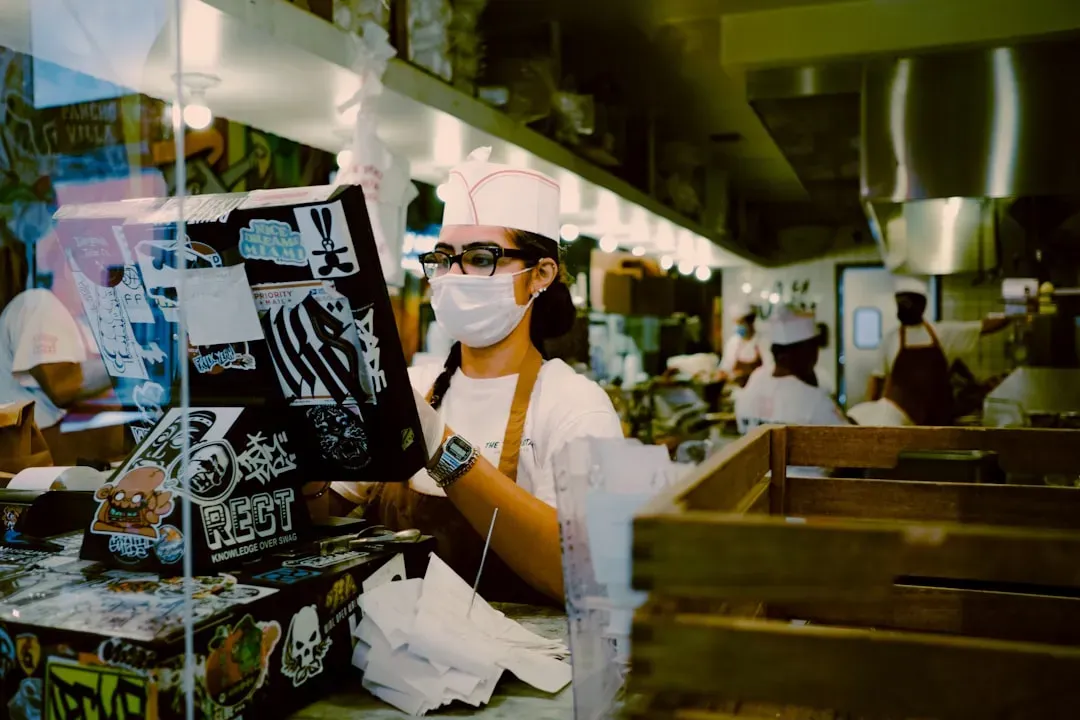
It would be easy to frame this entirely as a consumer issue, but the people in the middle of this tipping storm are the workers. Nearly 60% of a waiter’s hourly earnings and about 54% of a bartender’s hourly income comes directly from tips. That’s not a bonus structure – that’s a survival system. When tipping fatigue translates into lower tips, real people feel it immediately.
A 2025 report from payment platform Square found average tip percentages across restaurants, cafés, and bars dipped below 15% of the total bill, pointing to growing tip fatigue as consumers face higher prices and more tipping prompts. In 2024, the average full-service worker earned $23.88 per hour, with base pay now accounting for roughly 43% of total income, up from 35% in 2020.
The decline in tips, combined with uneven wage growth, creates financial uncertainty for staff – and one 2025 report found that more than half of restaurant and hospitality workers plan to leave their jobs within the next year, citing competitive pay as a top challenge. That turnover spiral ultimately damages the dining experience for everyone, making the entire system more fragile.
The “No-Tipping” Model and What Research Says About Replacing Tips
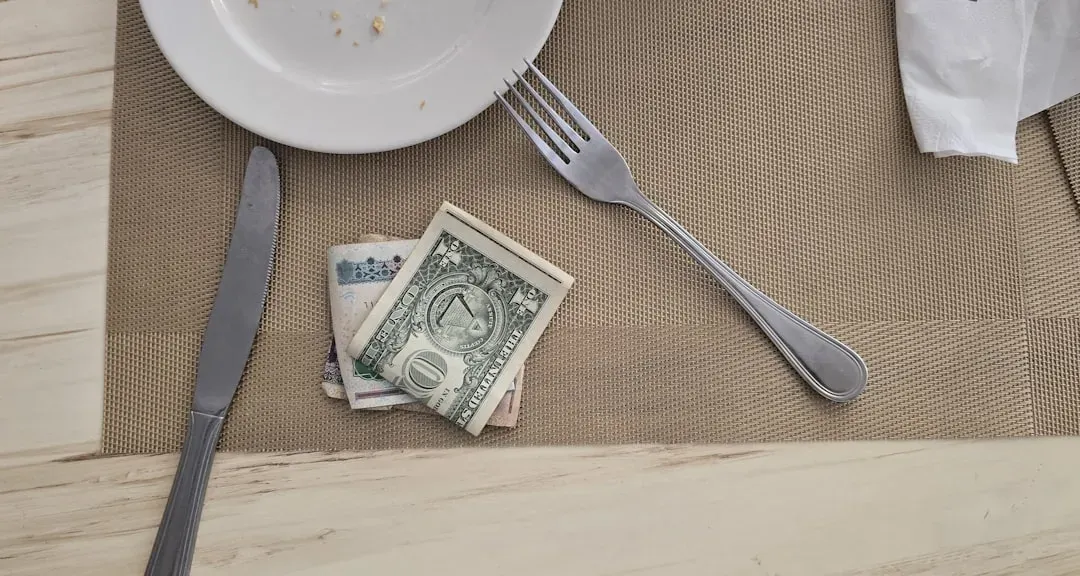
Some restaurants have tried to cut through the confusion by eliminating tips entirely – raising menu prices and paying staff higher flat wages instead. The concept sounds clean in theory. In practice, many restaurants that experimented with no-tipping models have returned to traditional tipping structures due to operational challenges and customer expectations.
Despite growing debate about alternatives to tipping, most Americans are not on board with scrapping tips in favor of higher menu prices or fixed service fees. While nearly a third of U.S. adults say they would support such a change, 44% are opposed – and frequent diners are especially resistant, with a majority rejecting the idea.
The majority of consumers – roughly 62% – say they would rather pay more for food and beverages to provide higher wages for restaurant workers and eliminate tipping altogether. Interestingly, that sits in direct tension with the opposition to fixed service charges. It’s hard to say for sure, but Americans seem to want higher worker pay without being the ones to initiate the payment. The logic is tangled, and that tension isn’t going away anytime soon.
The “No Tax on Tips” Law and Its Real-World Impact

In 2026, tipping has also become a tax issue in a very real and immediate way. The law includes a provision referred to as the “No Tax on Tips Act,” creating a new federal income-tax deduction for certain tipped workers. Millions of workers may keep more of what they earn at least after federal income taxes, beginning with income earned in 2025, typically claimed on tax returns filed during the 2026 filing season.
The new law applies to federal income tax, allowing eligible workers to deduct up to $25,000 in tips when calculating their taxable income for their federal return. Employees and self-employed individuals may deduct qualified tips received in certain occupations such as wait staff, bartenders, salon workers, personal trainers, and gig economy workers who customarily and regularly receive tips.
However, the policy has critics. Most of the direct tax benefits will go to middle- and higher-income taxpayers, while the bottom 40% of tipped workers will see virtually no benefit – between $0 and $10 in tax savings on average in 2026. Only about 3 million workers – roughly 1.7% of U.S. workers – work in traditionally tipped occupations and could be eligible, but a sizable share earn too little to have any federal income tax liability and would therefore receive no benefit at all. The policy has fanfare, but the math tells a more complicated story.
Where This All Goes From Here

The tipping system in America is not collapsing. It’s groaning. Payment industry data indicates average tip percentages still hover in the mid-teens nationwide, showing that while habits may be softening, tipping remains a common part of everyday transactions. People are still paying – they’re just angrier about it. That psychological shift matters enormously for the restaurant industry long-term.
By 2024 and 2025, average tips had dipped back down, signaling what some analysts describe as a backlash. The result is a complicated new landscape: Americans are still tipping, but with more frustration and uncertainty. A striking 78% of Americans think businesses should pay employees more instead of relying on customer tips. That sentiment is becoming a cultural verdict, not just a passing complaint.
The restaurants that will thrive are the ones that understand the emotional math at play. Service fees, kitchen fees, wellness fees, and other charges make people feel like the listed price was never the real price – and once customers feel surprised on purpose, trust gets damaged in a hurry. The winners will likely be the places that adjust to what diners now expect. Transparency isn’t just ethical anymore. In 2026, it’s a competitive advantage.
What would change if every restaurant simply paid its workers a fair, stable hourly wage from the start? That question used to feel radical. Today, nearly four out of five Americans are already asking it.