You’re strolling down the Las Vegas Strip, the neon lights are blazing, and suddenly a fully costumed superhero swoops in front of you with open arms and a wide grin. Before you know it, a photo has been snapped and someone’s waiting with an open hand. Sound familiar? This situation catches millions of tourists off guard every year, and the awkwardness that follows is almost entirely avoidable.
The truth is, navigating photo tips with costumed street characters is way simpler than most people think. It just takes a little know-how and some calm communication. Let’s dive in.
Understand Who These Performers Actually Are
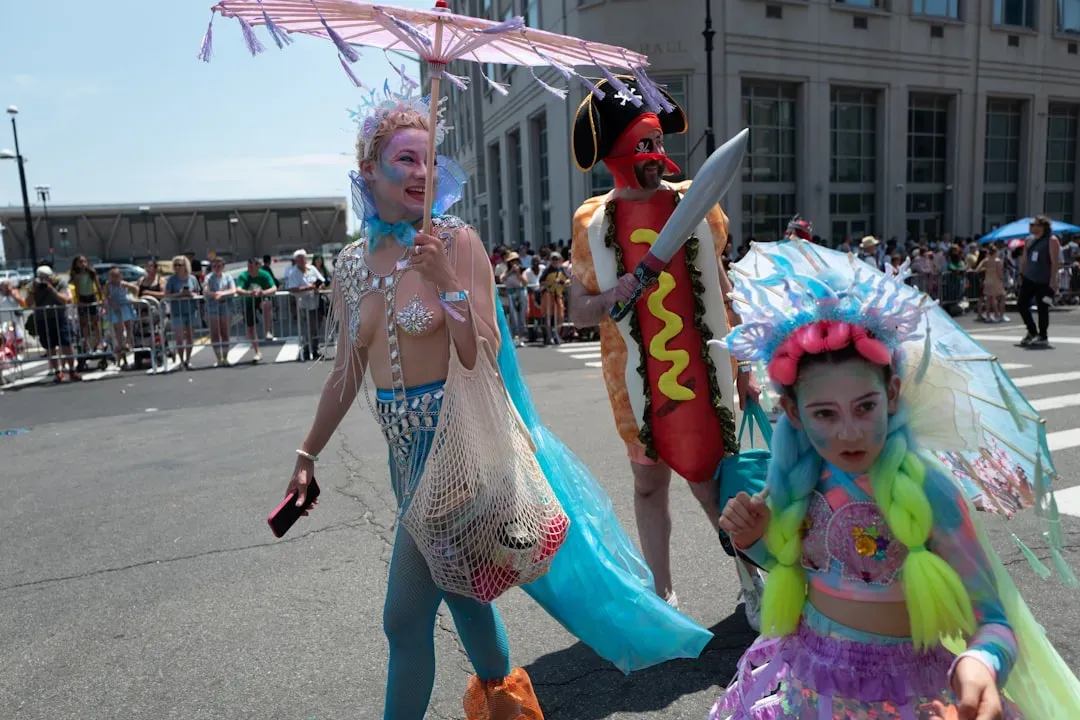
Performers on Fremont Street, or the Las Vegas Strip for that matter, cannot charge a fixed fee. They rely on tips, and it is always up to the patron what, if anything, will be paid. This is a critical distinction. These are not official city employees or casino staff with a set price list hanging on the wall.
Think of them more like independent small businesses running out of a costume. They wear costumes that can be incredibly elaborate, from tall headdresses all the way down to stiletto heels, with layers of accessories in between. That preparation time and physical effort is real, and it costs real money.
Know the Scale of the Scene You’re Walking Into
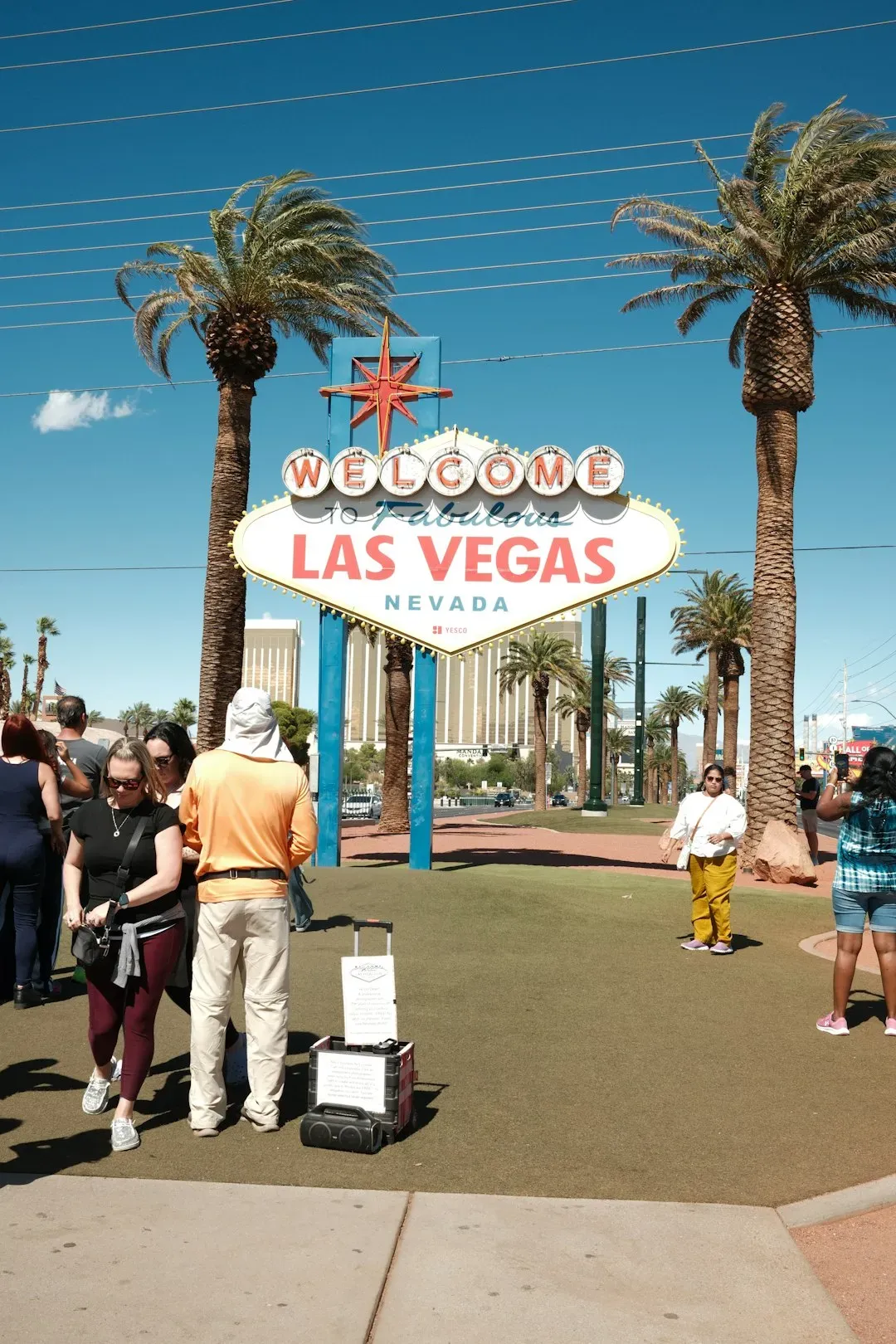
Las Vegas drew more than 40.8 million visitors in 2023, the destination’s highest single-year total since the pandemic decimated the state’s tourism market starting in 2020. In 2024, that figure climbed even higher. In 2024, the city recorded 41.7 million guests.
With tens of millions of visitors flooding one stretch of pavement, costumed performers are a logical and well-established part of the street economy. The sheer volume of foot traffic means these interactions happen thousands of times a day. You are definitely not the first tourist to feel a little unsure about the process, and that’s perfectly fine.
What the City Rules Actually Say
In 2015, the City of Las Vegas passed an ordinance regulating street performers on Fremont Street. Specifically, 38 six-foot-wide poker chip decals were laid out on the pedestrian mall that buskers are confined to performing within. Street performers register with the city and a daily lottery is held for 2-hour time blocks on these poker chip decals between 3 pm and 1 am.
As of January 2024, it is now also illegal to stop and perform on a bridge, with a new “pedestrian flow zone” ordinance going into effect in mid-January. Regulations evolve over time, and the city is actively working to keep foot traffic flowing safely. Knowing this background gives you context and actually makes negotiating the situation much less intimidating.
Always Communicate Before You Pose

Here’s the thing: the number one rule in tourism etiquette guides across the board is to establish expectations before any photo happens. Tourism experts consistently note that clear communication before taking a photo is the most effective way to avoid misunderstandings about payment expectations. It sounds obvious but almost nobody does it.
A simple “how much for a photo?” before you step beside someone in a Spiderman suit takes about four seconds. Ask performers and street artists before any photo and tip if a picture is posed. That brief conversation resets the whole interaction from ambiguous to clear, and both sides walk away knowing what to expect.
What’s a Fair Tip Range?
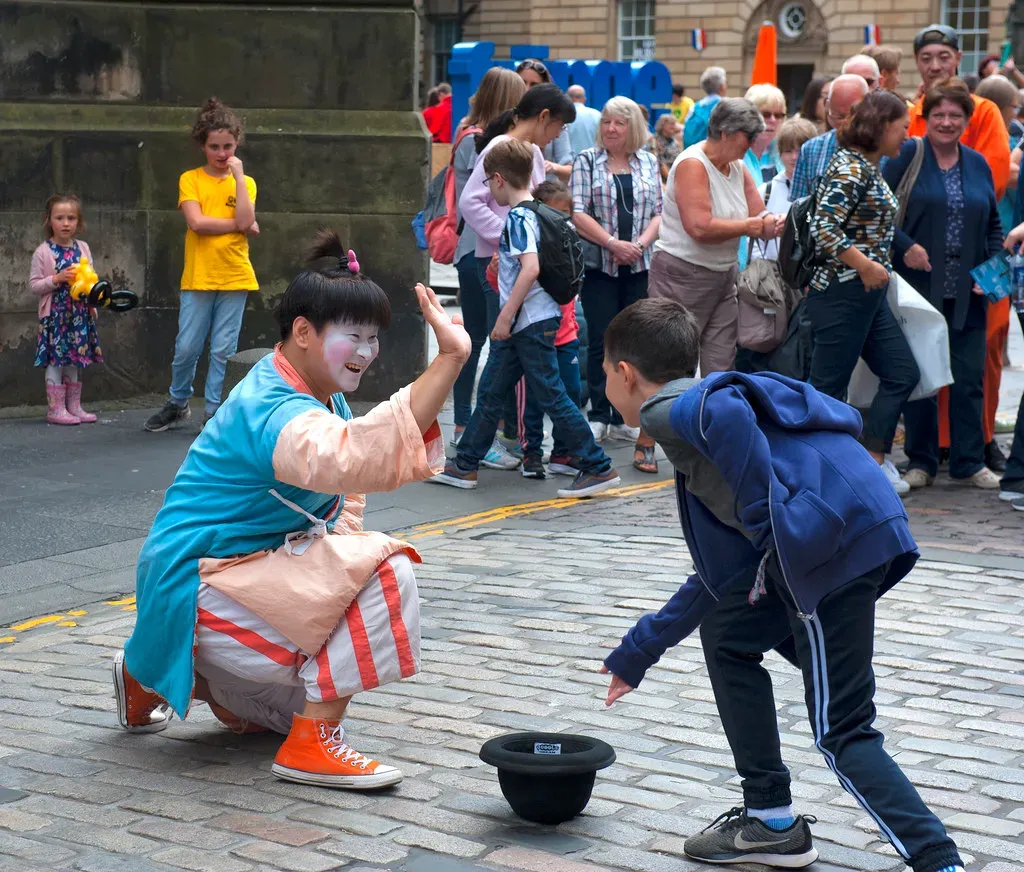
Some performers will pressure you into paying $20 or more, but street performers are not actually permitted to set a price. A normal tip is $2 to $5 if you take a photo or watch them perform for a minute. That’s a pretty reasonable ballpark for a moment of entertainment, honestly.
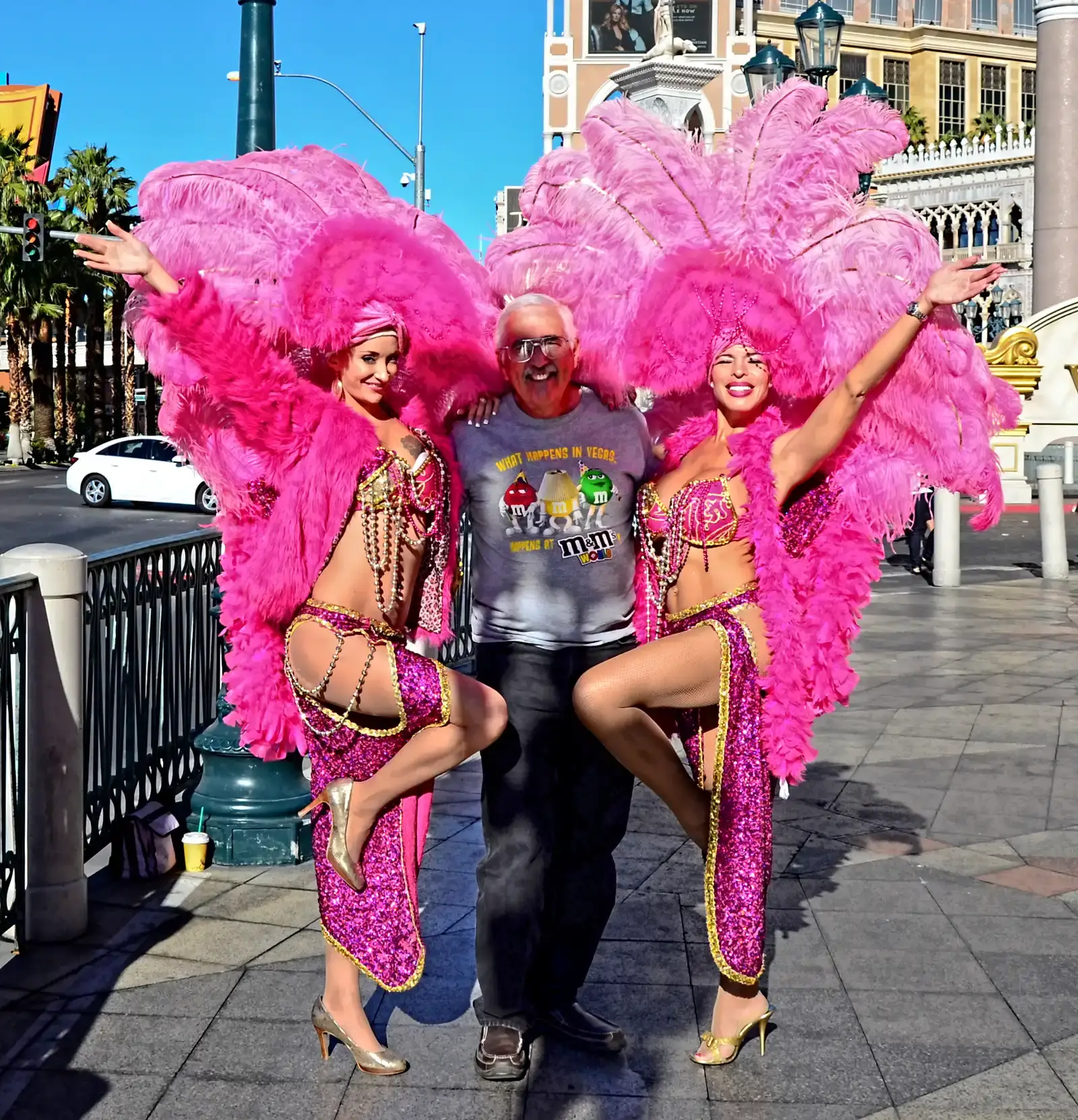
There’s no strict standard for a showgirl tip. In one documented instance in front of the Bellagio, two women took turns posing and snapping photos. They were extremely efficient, taking perhaps two minutes total, but were so friendly and accommodating that handing each a $5 bill felt completely natural. Efficiency and friendliness absolutely factor into what feels right.
How to Politely Decline Without Drama
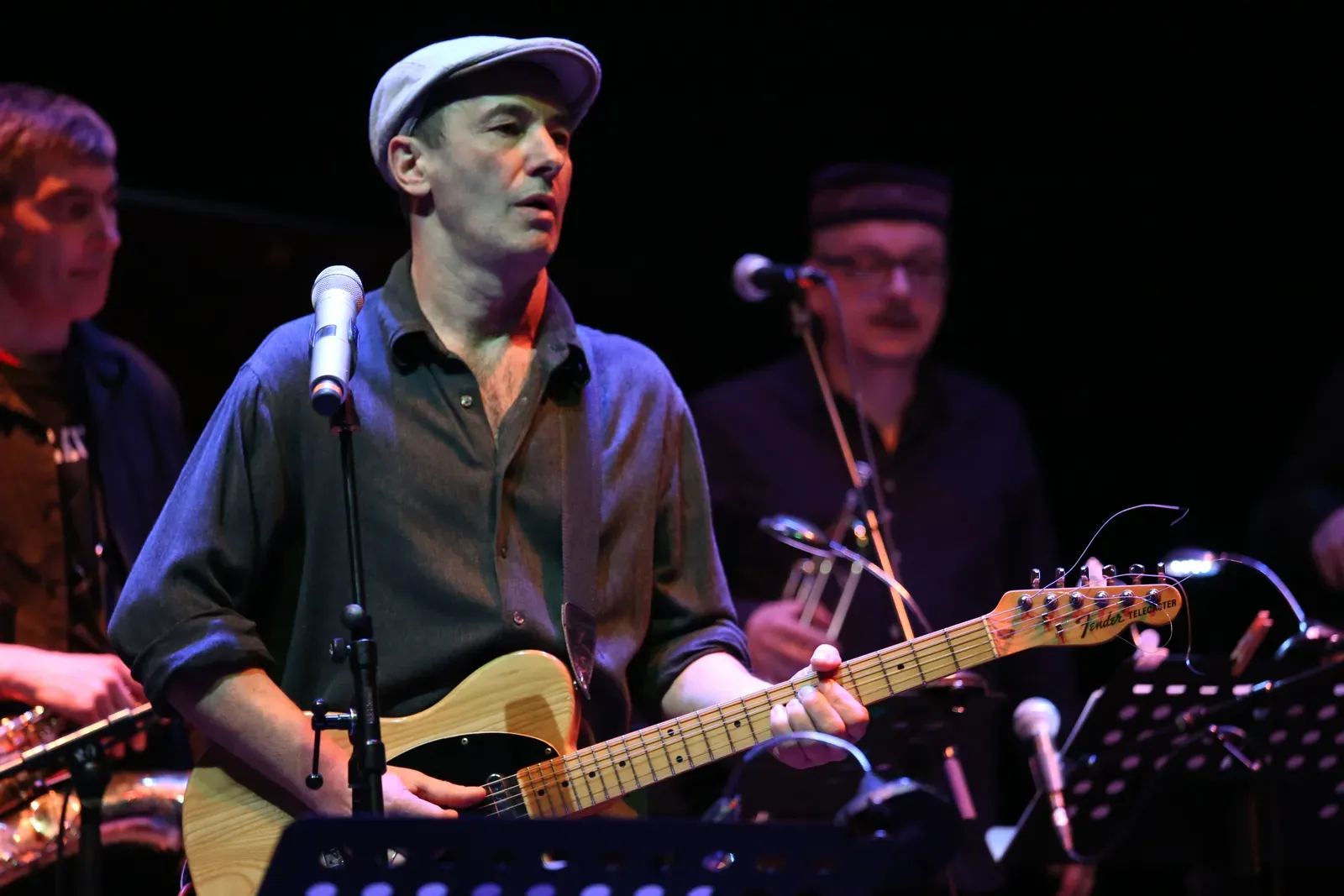
Not interested in a photo? No problem at all. Performers are often criticized for aggressively demanding tips or shaming those who don’t tip adequately by making a scene. While it’s customary to give a few bucks if you stop for a photo, you are not obligated to pay any suggested amount. The key word there is “stop.” If you keep walking, there is nothing to negotiate.
Tourism safety recommendations from city visitor bureaus consistently emphasize maintaining personal boundaries and declining services clearly if you’re not interested. A simple, direct “No thank you” while continuing to walk is all it takes. No explanation required, no guilt needed. Seriously, just keep moving and smile if you want to be extra polite.
Use Calm, Direct Language When There’s Tension

Behavioral research on negotiation consistently shows that polite, direct language reduces social tension and leads to more positive outcomes in informal transactions. If a performer reacts badly to a smaller tip, the worst thing you can do is get defensive or apologetic. A calm, neutral tone signals confidence and usually defuses the situation faster than anything else.
Something like “I appreciate the photo and this is what I have” works fine. It’s firm without being rude. Along the Strip you’ll find costumed characters looking for tips in exchange for photos. If you stop for a picture, pay them. Don’t snap a free photo and walk away. That social contract is real. Honoring it with dignity, even for a small amount, is the right move.
Carry Small Bills Before You Head Out
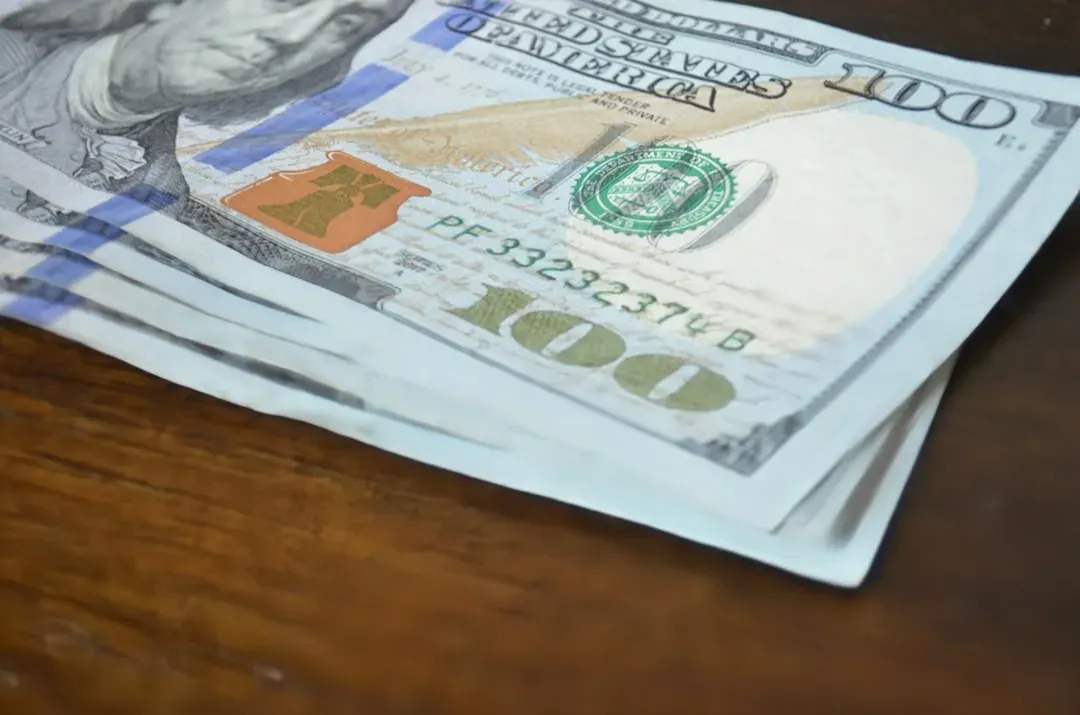
Let’s be real, one of the most common reasons tip interactions turn awkward is that tourists only have large bills and don’t want to break them. If your smallest bill is a $50, a $3 to $5 tip suddenly feels impossible to execute. Plan ahead. Before you hit the Strip, pull out some small bills specifically for tipping scenarios.
Hospitality industry guidance broadly indicates that transparency is considered best practice in all service exchanges. Having exact change or small denominations ready removes the friction entirely. It also removes the awkward fumbling where you flash a wad of cash looking for ones while someone in a full Batman costume watches. Trust me, it’s better for everyone.
When a Performer Crosses the Line
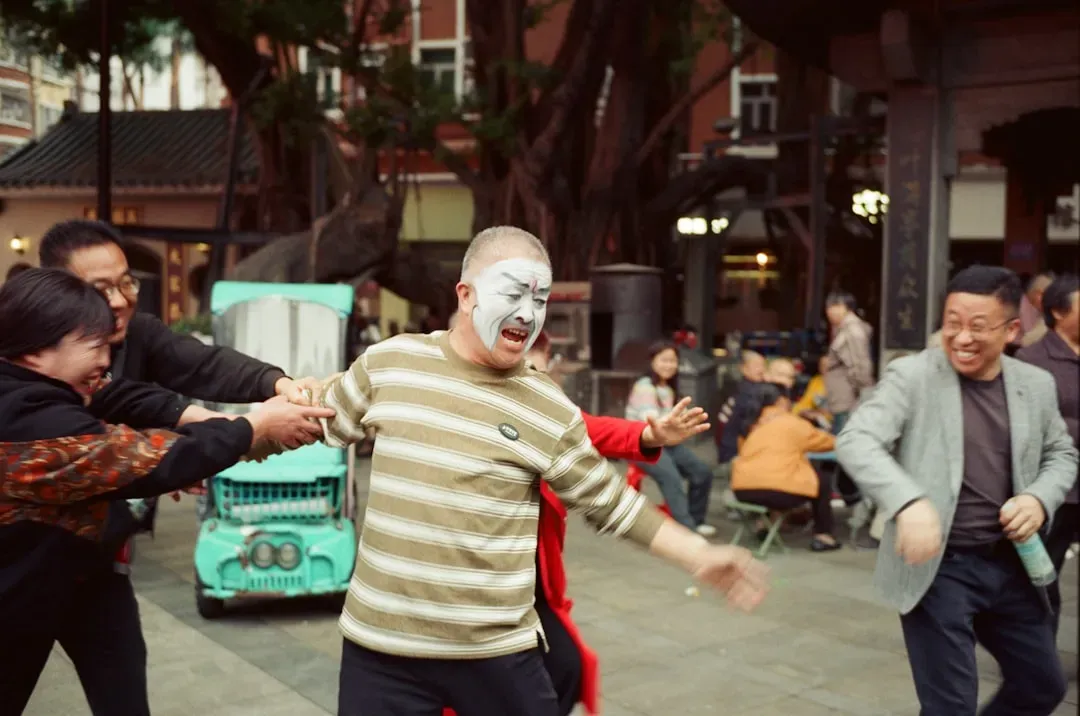
The city ordinance was put in place to prevent fighting between performers for prime locations, maintain public safety, and establish perimeters for where expressive activities can take place. The rules exist for a reason. If a performer is aggressively blocking your path, refusing to let you walk away, or physically intimidating you, that crosses from entertainment into a public safety issue.
In those cases, you are well within your rights to walk away without engaging further. The Federal Trade Commission advises consumers to understand informal service costs upfront in tourist areas specifically to avoid pressure situations. If you feel genuinely threatened, Las Vegas Metropolitan Police are present throughout the Strip and you can contact them directly. Most interactions never come close to this, but it’s good to know your options.
The Golden Rule of the Whole Thing
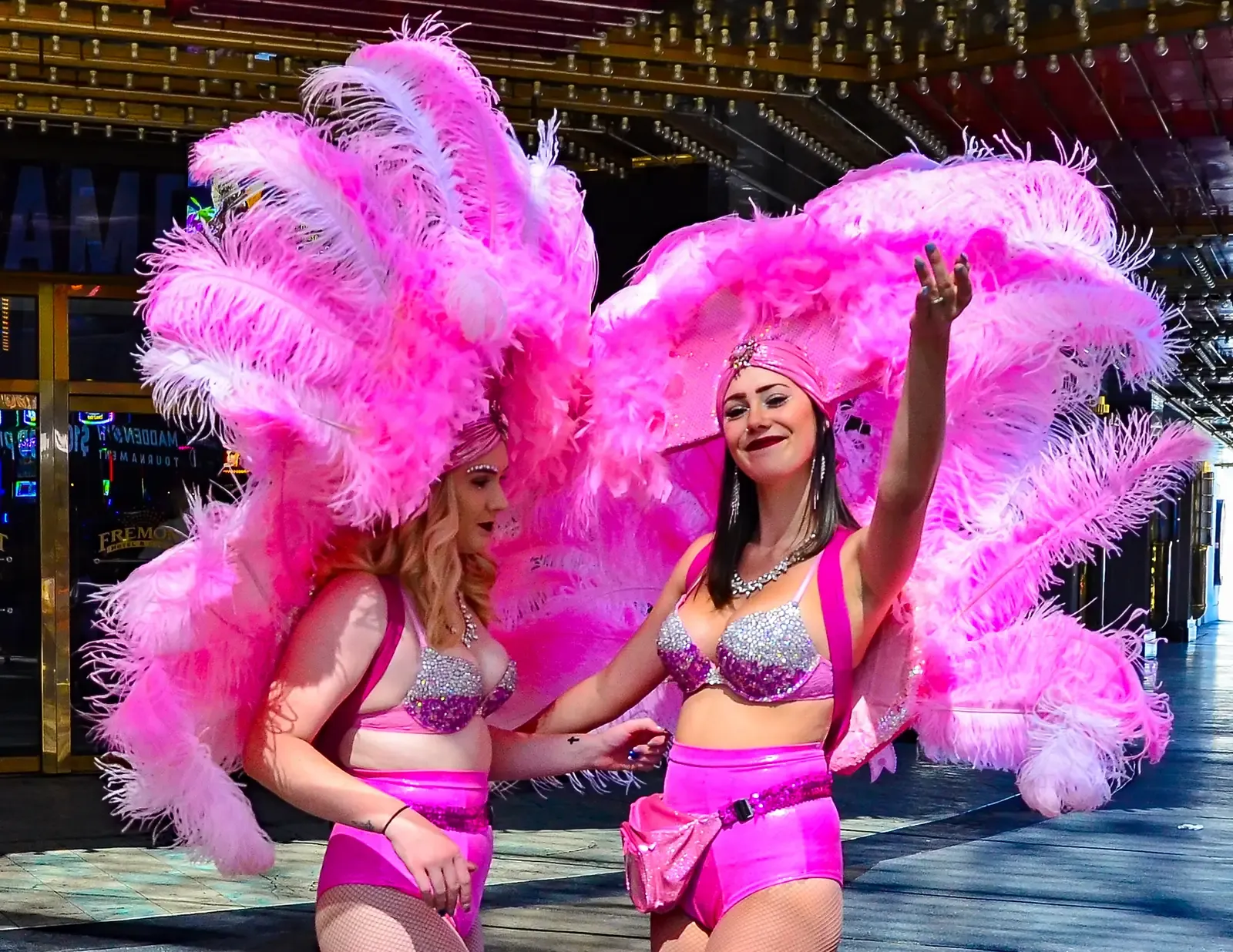
Street performers work under permits and designated circles. A posed photo expects a tip, and blocking another act’s circle breaks the system. There is actually a whole ecosystem of etiquette operating on Fremont Street and the Strip that most tourists never see. Respecting it makes the experience better for everyone.
The simplest principle to carry with you is this: if you engage, you pay something reasonable. If you don’t want to engage, don’t stop. These costumed people are just trying to make a buck and they add to the novelty of Vegas. If you don’t want to take a picture and give them something, just move on. There’s no drama in that, and there doesn’t have to be. The Strip is big enough for everyone to have a good time.
Tipping costumed characters on the Strip really comes down to one thing: treating the interaction like any other informal service exchange. Agree on terms before you engage, carry small bills, tip within the accepted range, and walk away confidently if you’re not interested. The awkward scenes you hear about almost always come from miscommunication, not from the situation itself being unavoidable. What would you have done the last time a costumed performer caught you off guard? Tell us in the comments.