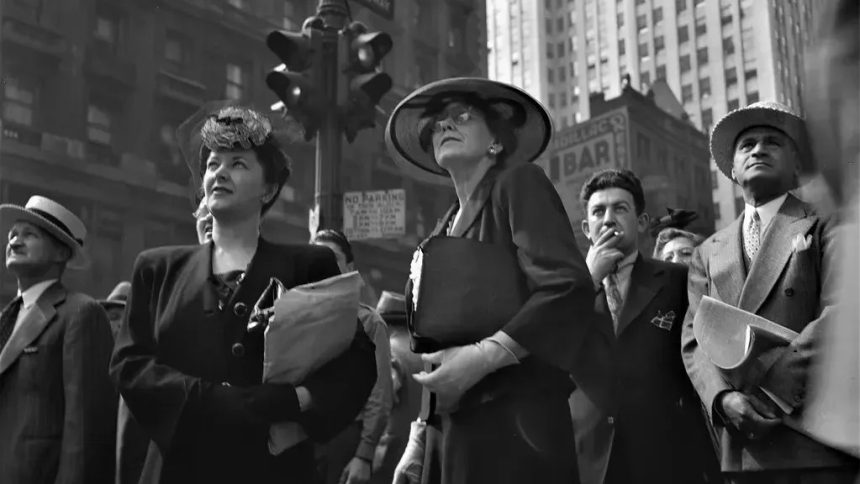
History has always been one of cinema’s most generous sources of raw material. Wars, disasters, political upheavals, and personal injustices have been translated into some of the most powerful films ever made. There’s something about knowing a story actually happened that changes the way audiences engage with it, whether the filmmakers follow every detail faithfully or reshape events to fit the demands of dramatic storytelling.
Some of these films inspired decades of debate. Others quietly changed what millions of people believed about the past. A few managed to do both at once. What they all share is a foundation in real events, real places, and real human decisions that shaped the world we live in now.
1. The Sinking of the RMS Titanic (1912) – Titanic (1997)
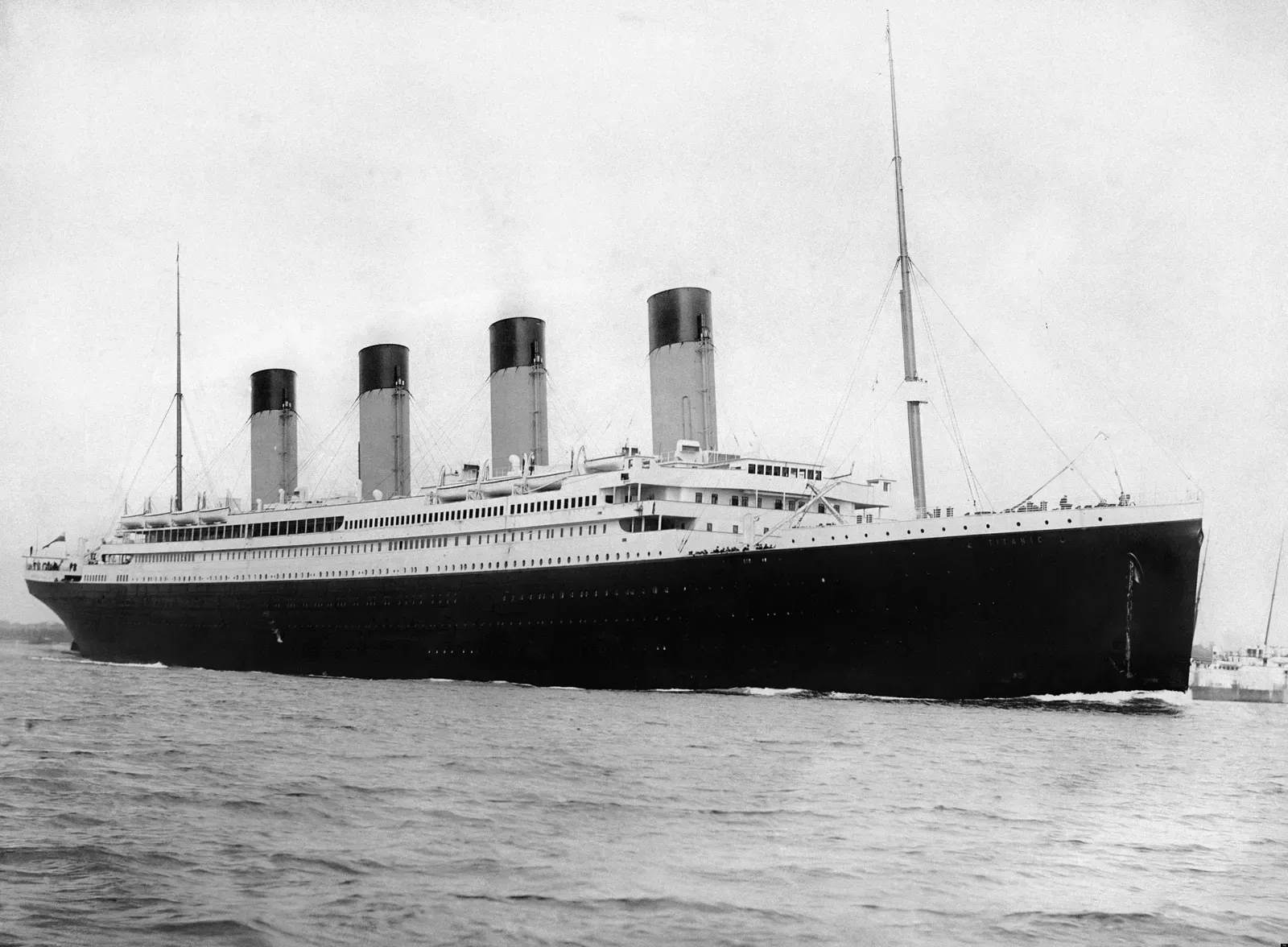
James Cameron’s classic 1997 movie tells the tragic true story of the most infamous shipwreck in history. Cameron spent six months researching the Titanic’s crew and passengers, and created a detailed timeline of the events of the voyage and sinking, which he had verified by historical experts. The physical ship itself was reproduced with extraordinary care, with Cameron diving repeatedly to the actual wreck site to gather reference material.
The characters of Jack and Rose were entirely fictional creations by James Cameron, and while their sacrifices for each other may mirror real events involving passengers on board, their presence on the ship was purely fictional. Still, survivors of the real RMS Titanic confirmed that the band played in an effort to calm passengers even amidst the chaos of the sinking, and they played until the very end. Titanic became the highest-grossing movie ever at the time of its release.
2. The Holocaust and Oskar Schindler’s Actions (1939–1945) – Schindler’s List (1993)

The film follows Oskar Schindler, a German industrialist who saved more than a thousand mostly Polish–Jewish refugees from the Holocaust by employing them in his factories during World War II. Directed by Steven Spielberg, it not only was the most consequential English-language movie about the Holocaust up to that point but also shaped filmmaking and public consciousness of the genocide for years to come.
The film earned more than $300 million despite being a 195-minute, almost entirely black-and-white production, and went on to win seven Academy Awards, including Best Picture and Best Director. It was hailed by Holocaust survivors, who found its depiction of what they went through so realistic that it inspired many to share their own memories, thus enabling historians to preserve their stories for future generations.
3. The D-Day Normandy Invasion (1944) – Saving Private Ryan (1998)
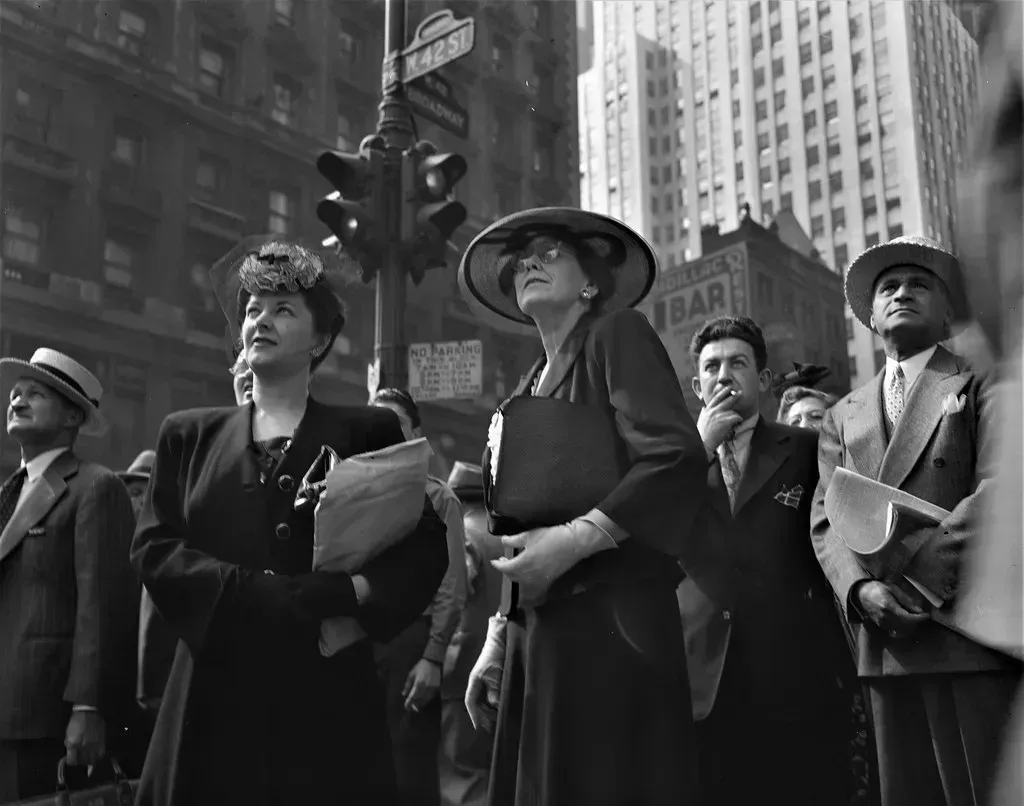
Saving Private Ryan opens on June 6, 1944, D-Day, the day Allied forces invaded Normandy during World War II. This is commonly seen as the beginning of the end for the Axis and is marked by one of the largest amphibious invasions in history. The opening sequence particularly focuses on the landings at Omaha Beach, with American troops suffering heavy casualties. The script was inspired by books of Stephen E. Ambrose and accounts of multiple soldiers in a single family, such as the Sullivan brothers and the Niland brothers, being killed in action.
In just the first 20 minutes, the movie depicts the horrors of war to such an accurate degree that the people behind the film had to open up a hotline for traumatized veterans receiving flashbacks. Spielberg and cinematographer Janusz Kamiński were visually influenced by World War II documentaries, including Memphis Belle: A Story of a Flying Fortress and The Battle of Midway.
4. The Kidnapping and Enslavement of Solomon Northup (1841) – 12 Years a Slave (2013)
![4. The Kidnapping and Enslavement of Solomon Northup (1841) - 12 Years a Slave (2013) (Image Credits: Solomon Northup (1853) 12years a slave[1], Twelve years a slave edition, Auburn: Derby and Miller, Public domain)](https://nvmwebsites-budwg5g9avh3epea.z03.azurefd.net/lasvegasnews/9478792f06cc0f8f645eb5a979978fb7.webp)
Solomon Northup was a free African-American man in 1841, working as a violinist and living with his wife and two children in Saratoga Springs, New York. Two men offered him short-term employment as a musician in Washington, D.C.; instead, they drugged him and delivered him to a slave pen. Northup proclaimed his freedom, only to be violently beaten and tortured. The film adaptation hews very closely to Northup’s original telling, and while much of the story is condensed and a few small scenes are invented, nearly all of the most unbelievable details come straight from the book.
12 Years a Slave received widespread critical acclaim and was named the best film of 2013 by several media outlets and critics. It earned over $187 million on a production budget of $22 million, and received nine Academy Award nominations, winning Best Picture, Best Adapted Screenplay, and Best Supporting Actress for Lupita Nyong’o. Steve McQueen became the first Black filmmaker to win the Oscar for Best Picture.
5. The Manhattan Project and the First Atomic Bomb (1942–1945) – Oppenheimer (2023)
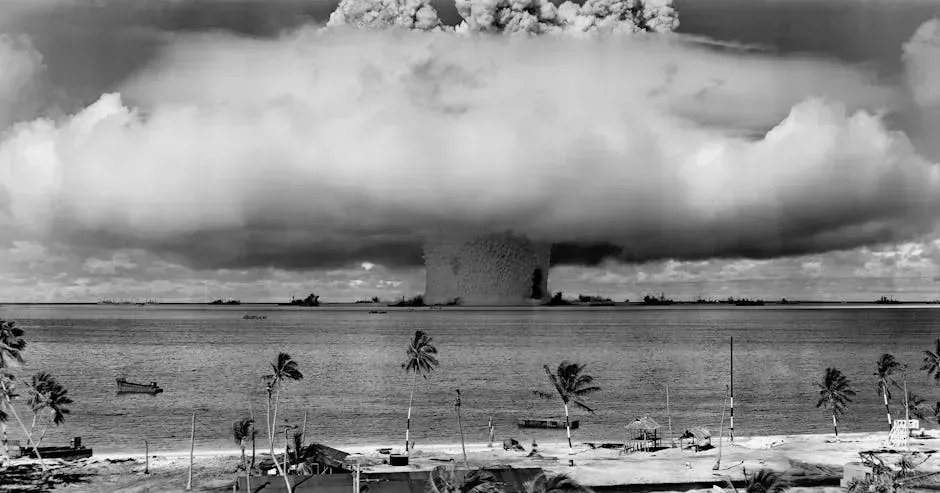
Although the film is a detailed biopic focusing on many areas of the real Oppenheimer’s life, it is also perhaps the most complete account of the Manhattan Project and its infamous results ever committed to the screen. Oppenheimer is so true to life that many of its scenes are taken word for word from first-hand accounts, with the movie providing a complete overview of the project from genesis to delivery. Christopher Nolan spent years researching the subject before writing a single word of the screenplay.
Oppenheimer is a long film filled with drama rather than action, and it won several Oscars for Cillian Murphy’s portrayal of a profoundly guilty man with a lot of demons. The film allows audiences to see deep into the mind of a conflicted man with a terrible burden on his shoulders. Few films about scientific history have captured such wide public attention or sparked as much discussion about moral responsibility in wartime.
Partner offer
6. The Assassination of President John F. Kennedy (1963) – JFK (1991)
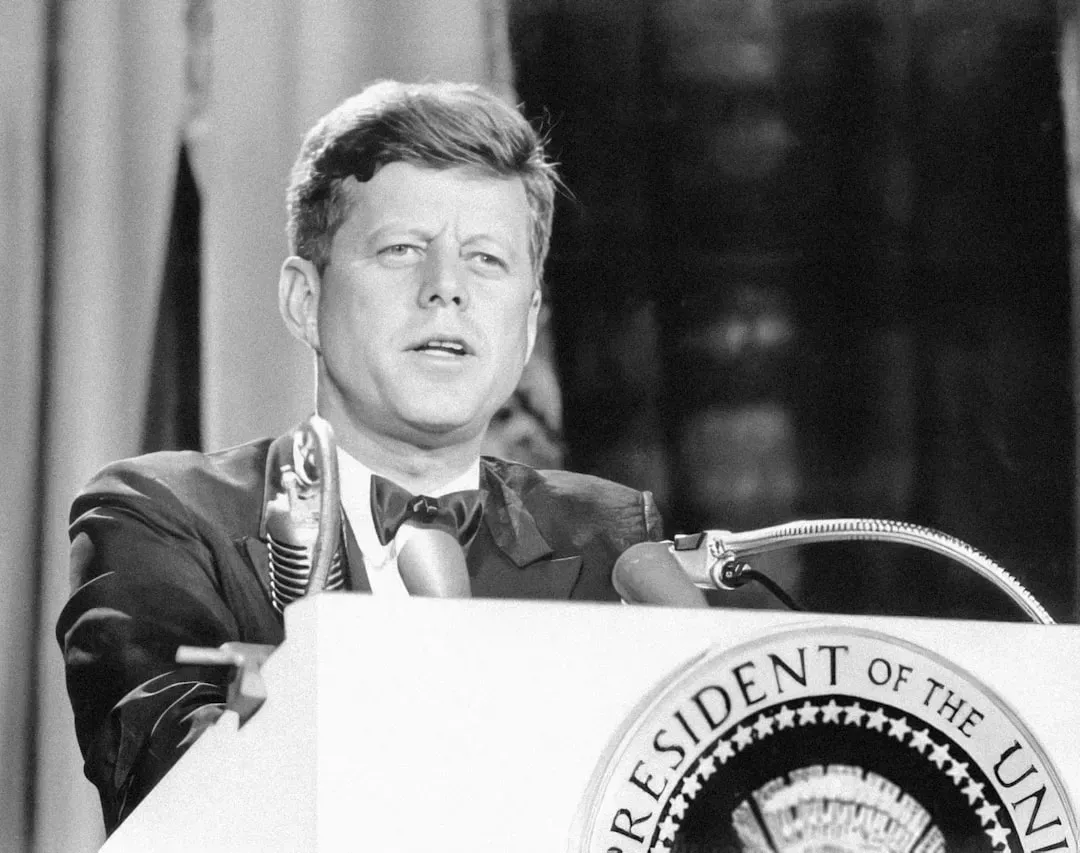
Directed by Oliver Stone, JFK is a controversial but compelling look at the assassination of President John F. Kennedy. The film follows New Orleans District Attorney Jim Garrison, played by Kevin Costner, as he investigates a conspiracy behind the murder. Though based partly on theory, it raises important questions about truth and power. The recreation of the tragic event, including the motorcade and the fatal shots fired in Dallas, captivated audiences and sparked debate about the conspiracy theories surrounding the assassination.
Oliver Stone’s conspiracy theory epic about the assassination of John F. Kennedy might stretch the limits of “based on historical events,” as the shadowy series of events the film alleges are not fully supported by evidence. The film was nominated for eight Academy Awards, including Best Picture and Best Director, and won two Oscars for Best Cinematography and Best Film Editing.
7. The 1965 Selma to Montgomery Marches – Selma (2014)

There have been many movies made about the civil rights movement, but Ava DuVernay’s Selma earned particular praise for its accuracy. Historians and film critics applauded DuVernay’s dedication to recreating the events of the 1965 Selma to Montgomery marches in a way that made their historical significance clear to today’s viewers. The film centers on Martin Luther King Jr.’s campaign to secure equal voting rights, a struggle that led directly to the passage of the Voting Rights Act of 1965.
The director relied on archival media images, interviews, reports, and newspaper clippings to create a film grounded in real life, representing with precision events such as Bloody Sunday and the relationship between King and his wife. The result is a film that strikes a careful balance between historical accuracy and an audience’s need for a compelling narrative while preserving the truth.
8. The Apollo 13 Mission Crisis (1970) – Apollo 13 (1995)

The film recounts the real-life Apollo 13 mission, where astronauts faced near-disaster after an oxygen tank exploded, and NASA’s team worked tirelessly to bring them home safely. Director Ron Howard tried to stick as closely as possible to real-life events and mostly succeeded. NASA planetary scientist Rick Elphic praised the film, saying it might be one of the most accurate depictions of space travel, noting that the film adheres closely to the timeline set out in Jim Lovell’s own book.
Directed by Ron Howard, the film tells the story of NASA’s Apollo 13 mission, which faced disaster in space in 1970, with Tom Hanks starring as astronaut Jim Lovell. With the help of ground control, the crew must find a way to survive. The movie is both suspenseful and inspiring, highlighting American innovation and teamwork. It won two Academy Awards for Best Film Editing and Best Sound, and received seven additional Academy Award nominations, including Best Picture.
9. The Attack on Pearl Harbor (1941) – Tora! Tora! Tora! (1970)

This war epic, an American-Japanese joint production, was released three decades after the surprise attack on Pearl Harbor that marked the United States’ entry into World War II. Widely praised for its historical accuracy, Tora! Tora! Tora! gets its name from the Japanese code word used to signal the attack, and shows how leaders on both sides of the Pacific acted in the lead-up to the fateful attack. The film made a deliberate choice to portray both the American and Japanese perspectives with equal seriousness, which was rare for its era.
The sinking of the USS Arizona during the attack on Pearl Harbor in 1941 has been depicted in films like Pearl Harbor, with dramatic scenes of the ship being bombed capturing the devastation and loss of life during the infamous attack that led to the United States entering World War II. Tora! Tora! Tora! remains the more historically respected version, prioritizing documentation over Hollywood romance.
10. The Fall of the Berlin Wall (1989) – Good Bye Lenin! (2003)
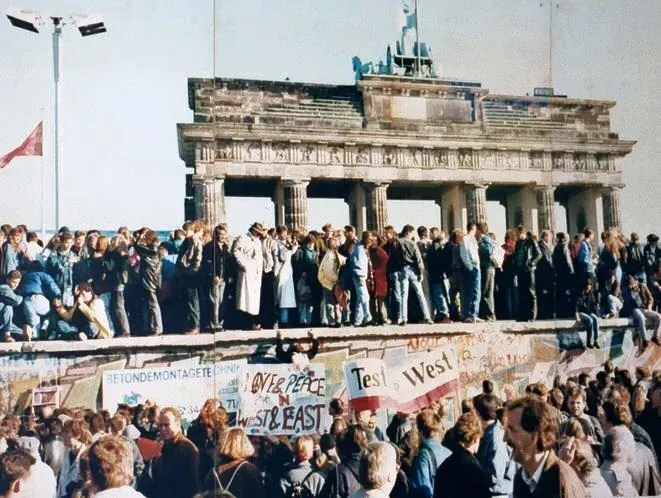
The fall of the Berlin Wall in 1989, marking the end of the Cold War, has been featured in films like Good Bye Lenin!, in which the emotional and historical significance of the event, as East and West Berliners reunite and celebrate their newfound freedom, has been portrayed in a moving and uplifting manner on screen. The German film uses the collapse of the German Democratic Republic not as a backdrop but as the central engine of its story, filtering one of the twentieth century’s defining political moments through an intimate family drama.
The film was written and directed by Wolfgang Becker and became one of the most celebrated German films of the 2000s, resonating with audiences well beyond Germany precisely because it treats the history with both warmth and honesty. Major events have inspired historical movies since the early years of cinema, yet many films fail to give the whole picture, with filmmakers often focusing on specific aspects of particular episodes to better illustrate important themes or exploring the narrative from just one character’s perspective. Good Bye Lenin! succeeds by doing exactly that, and doing it with care.
What holds all ten of these films together is the way they remind viewers that the past is never truly settled. History keeps feeding cinema because its stories are still unresolved, still contested, still capable of moving people who weren’t even alive when the events took place. The details may shift from film to film, and the accuracy may vary, but the weight of what actually happened always shows through.
Partner offer
Planning a trip to Vegas?
Compare hotel rates and show tickets on VEGAS.com.