There is something almost electric about the moment a crowd of strangers decides, all at once, to believe in something together. Festivals have been doing exactly that for thousands of years – building movements, dissolving borders, and rattling the old world order in ways that no single speech or pamphlet ever could.
From ancient harvest rites to billion-dollar modern spectacles, the story of festivals is really the story of how humanity rewrites itself. The details are more surprising, and more powerful, than most people ever realize. Let’s dive in.
1. Woodstock 1969: The Concert That Became a Revolution
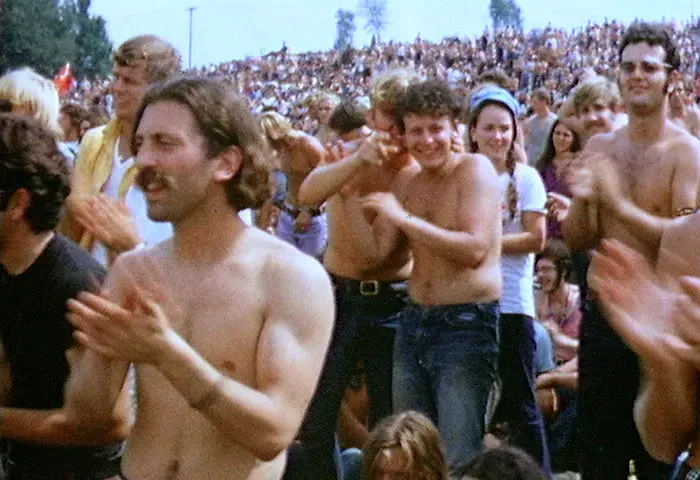
Woodstock, the iconic music festival that unfolded in August 1969, was much more than a gathering of artists and fans – it was a transformative moment that changed the music industry, redefined American culture, and became synonymous with the hippie movement. Honestly, calling it just a music festival feels like calling the moon landing a road trip.
It is estimated that nearly a million people attempted to attend Woodstock, and 500,000 made it to the field in Bethel Woods. Woodstock became a platform for the counterculture movement of the 1960s, legitimizing young people’s perspectives on the Vietnam War, civil rights, and freedom. That is a staggering amount of collective energy aimed at changing an entire society.
The 1969 Woodstock festival was more than just a celebration of rock music – it became a symbol of the counterculture movement, embodying ideals of peace, unity, and rebellion against societal norms. Music became the way to show what you believed in and connected people who wanted a community. The music at Woodstock was what inspired revolutions, and let people feel safe in their distrust of authority and mainstream culture.
2. Rio Carnival: A Living Monument to Resistance and Identity
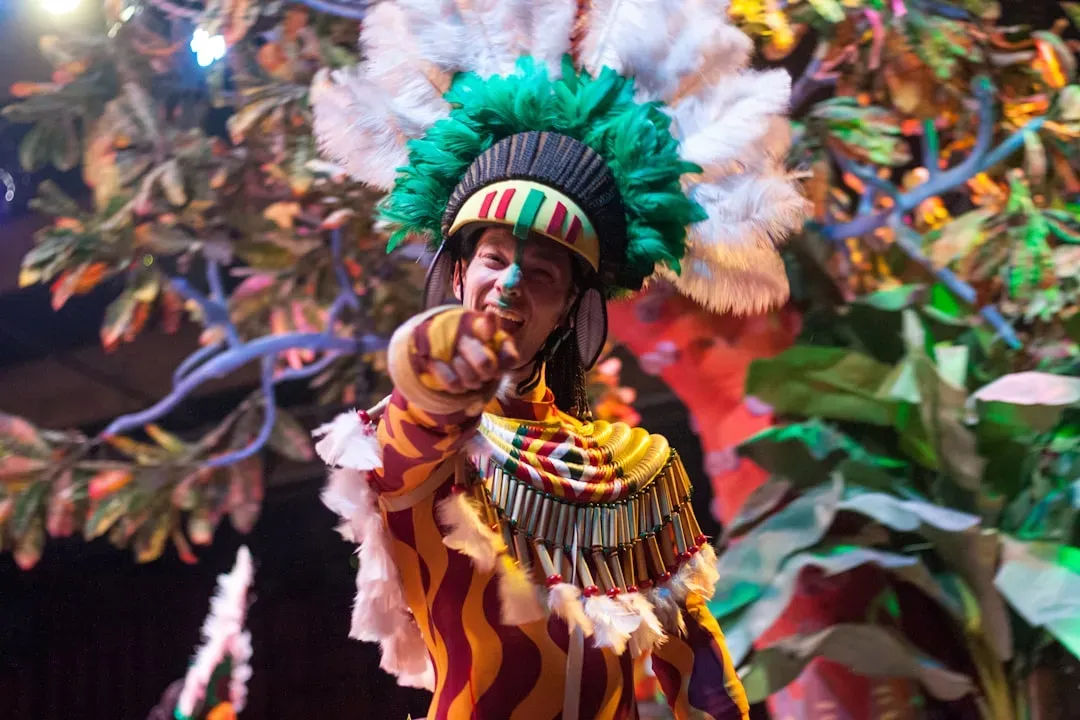
Brazilian Carnival in essence is a synthesis of European, Native American, and Afro-Brazilian cultural influences, each group has played an important role in the development of the structure and aesthetic of the Brazilian Carnival of today. This is not merely a party. It is centuries of survival written in music and color.
Throughout the decades, various social and political changes have influenced the nature of Carnaval. The festival became a space for political expression, resistance, and community bonding, especially for marginalized groups. This paved the way for samba to emerge as a symbol of pride and resilience within Brazilian culture. Few celebrations anywhere in the world carry that kind of weight.
Rio’s street Carnival is recognized by Guinness World Records as the largest in the world, attracting approximately two million revelers per day to follow the blocks. Brazilian Carnival gained global prominence through a combination of scale, organization, and cultural depth. International media coverage, tourism growth, and institutional recognition all contributed to its worldwide reputation. According to Brazil’s tourism authorities, the celebration generates billions in economic activity annually and attracts millions of visitors.
3. Glastonbury: Where Activism Found Its Stage
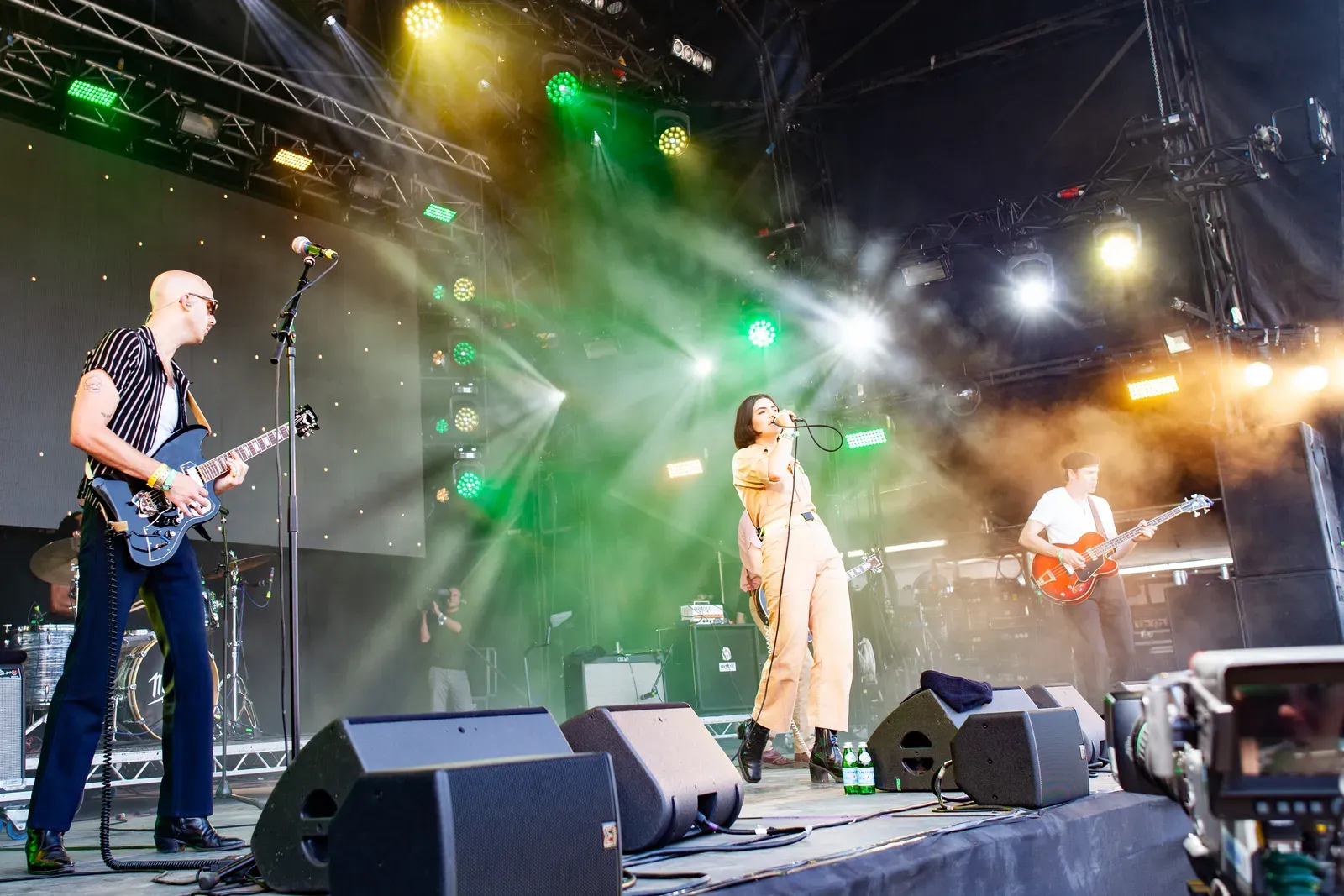
Founded in 1970 by Michael Eavis, Glastonbury has grown from a modest gathering of 1,500 people into a global event that attracts over 200,000 attendees. That growth is not just about ticket sales. It reflects a decades-long hunger for a space where culture and conscience can meet.
The Glastonbury Festival in the UK is known for its focus on social and environmental issues, featuring activism and awareness-raising activities alongside its music performances. The festival’s emphasis on inclusivity and social justice resonates deeply with the youth, fostering a sense of community and shared purpose. The eclectic mix of music, art, and activism at Glastonbury encourages attendees to explore new ideas and perspectives, shaping their identities in the process.
Each year with such major events as Glastonbury in the UK and Tomorrowland in Belgium, Europe attracts millions of fans who contribute significantly not just to the region’s tourism and entertainment industries but also financially themselves. Here’s the thing – Glastonbury’s real export has always been ideas, not merchandise.
4. The Berlin Wall’s Fall and the Electronic Music Revolution
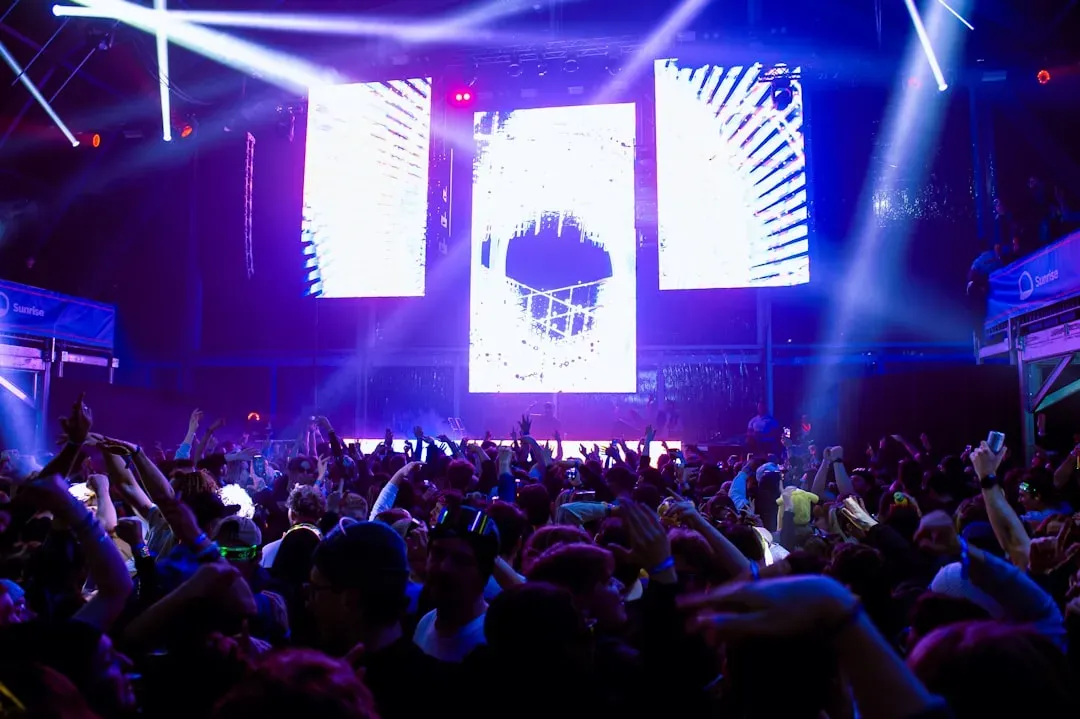
Navigating the timeline of music festivals, we arrive at the collapse of the Berlin Wall – a crucial event that ignited the ascension of electronic music. Born in the underground music scene of Soviet-controlled Berlin, electronic music took the world by storm following the fall of the Berlin Wall. Few historical events have sent such immediate shockwaves through culture.
This period marked a significant cultural shift. The feeling of freedom and relief that permeated Germany after the reunion heavily influenced the music scene. Thus, the birth of the electronic genre and its subsequent rise reflected the changing political and social landscape of the time. Music genuinely became a political declaration.
Historical events have influenced the transformation of music festivals, including world conflicts that led to the emergence of jazz and folk and the fall of the Berlin Wall, which boosted electronic music. What started in abandoned warehouses in Berlin spread outward across Europe and the globe, reshaping youth culture entirely.
5. The Monterey Pop Festival: The Moment the World Heard Jimi Hendrix
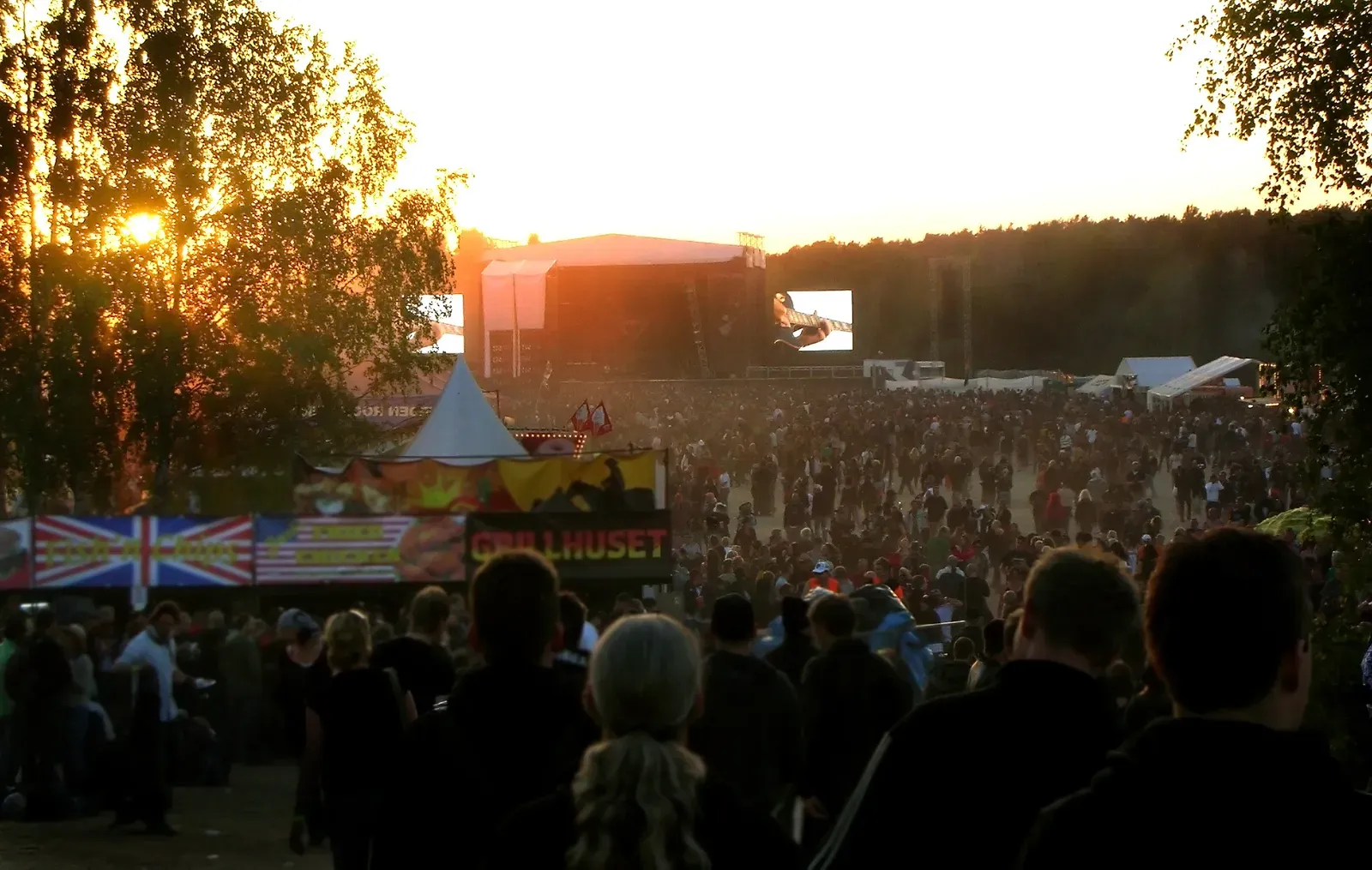
Take Jimi Hendrix’s groundbreaking performance at the Monterey Pop Festival in 1967. His guitar skills, coupled with feedback and fuzz, were not just new but revolutionary, catapulting him to fame. It is hard to overstate how jarring and liberating that performance felt to people who witnessed it live.
These performances weren’t just about the music; they were about the cultural impact, the influence on future generations, and the evolution of music festivals. Monterey was effectively the dress rehearsal for everything Woodstock would later become – a proof of concept that music could move masses in completely new ways.
The festival introduced British rock acts to American audiences and launched the careers of Janis Joplin and Otis Redding to a whole new generation. Think of it as the spark that lit the fuse for an entire era. Historically, music festivals have always reflected the values and sentiments of their time. Monterey reflected a world hungry for something raw and genuinely new.
6. Carnival’s African Roots: Cultural Survival Through Celebration
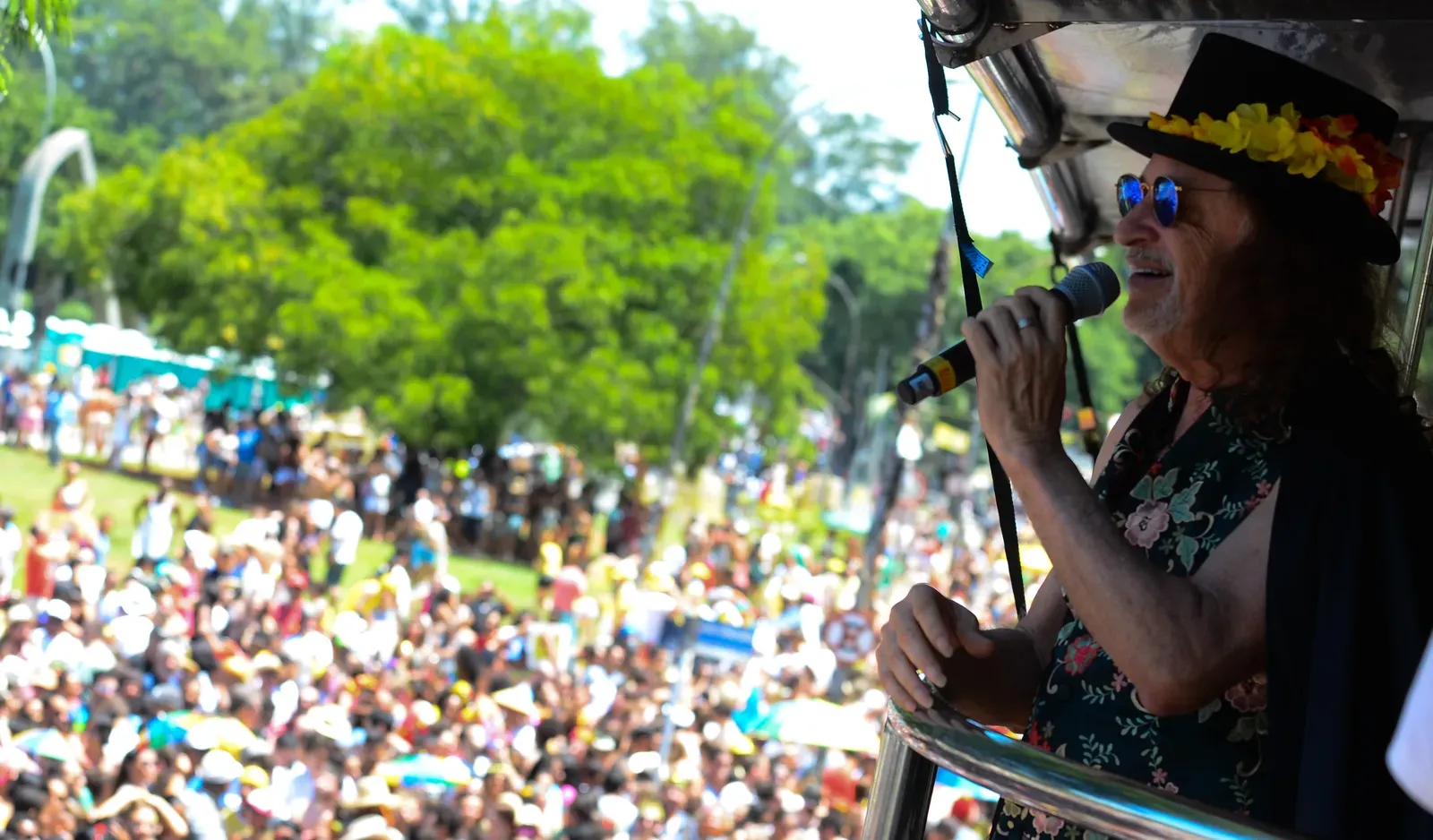
African heritage plays a decisive role in the evolution of Carnival in Brazil. Enslaved Africans preserved cultural traditions through music, dance, and collective rituals, adapting them under harsh colonial conditions. This is perhaps one of the most quietly extraordinary stories in all of human cultural history.
Samba originated from the African rhythms and dances brought to Brazil by enslaved individuals during the transatlantic slave trade. This dance form emerged in the early 20th century in the favelas of Rio de Janeiro, alongside the cultural melting pot that was forming in urban areas. Culture, in this case, became a form of profound defiance.
The incorporation of African rhythms and dance into Caribbean carnivals reflects the cultural heritage of enslaved Africans and their descendants. The event also highlights the historical contributions of Afro-Brazilian culture, which have shaped the modern interpretations of Carnival. What oppression tried to erase, the festival preserved and ultimately celebrated for the whole world to see.
7. Lollapalooza: Turning Alternative Culture Into a Mainstream Movement
Originally conceived by Perry Farrell as a touring festival in 1991, Lollapalooza has since evolved into a permanent fixture in Chicago, drawing over 400,000 attendees annually. That evolution tells its own story about how subcultures move from the fringes to the center of public life.
What sets Lollapalooza apart is not just its impressive musical offerings but also its commitment to social causes and environmental sustainability. The festival’s “Lolla Cares” program highlights issues like climate change and social justice, making it a platform for activism as well as entertainment. It almost redefined what a music festival was supposed to be.
Music festivals have long been more than just entertainment – they are platforms for activism, social movements, and cultural change. From their roots in countercultural revolutions to their modern-day commitment to inclusivity, sustainability, and human rights, festivals have the power to inspire action and amplify essential causes. Lollapalooza demonstrated this more visibly than most.
8. Tomorrowland: When a Festival Becomes a Global Cultural Export
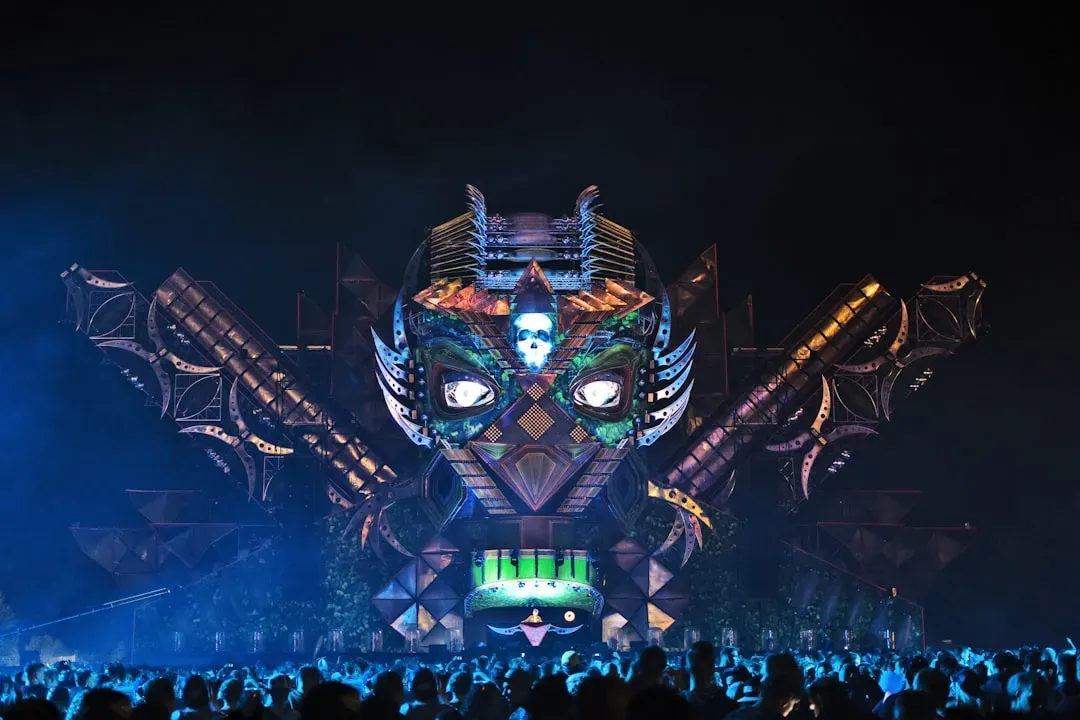
Tomorrowland, which began in Belgium, now has versions in Brazil and the United States, drawing crowds from every continent. The International Music Summit predicts the global festival market will hit $30 billion by 2025. One festival, born in a small Belgian town, becoming a worldwide cultural institution – that is a story worth telling.
The original spirit spreads, and each new location adds its own twist. Local traditions merge with global trends, creating a patchwork of festivals that all share a common heritage. The movement that started on a single city street now circles the globe, connecting people from wildly different backgrounds.
The expansion of large-scale music festivals, such as Coachella, Glastonbury, and Tomorrowland, has redefined the live music landscape by blending music, art, and lifestyle elements into multi-day celebrations that attract massive audiences from around the world. I think Tomorrowland’s secret is that it sells belonging just as much as it sells music.
9. Coachella: The Festival That Rewired Global Fashion and Pop Culture
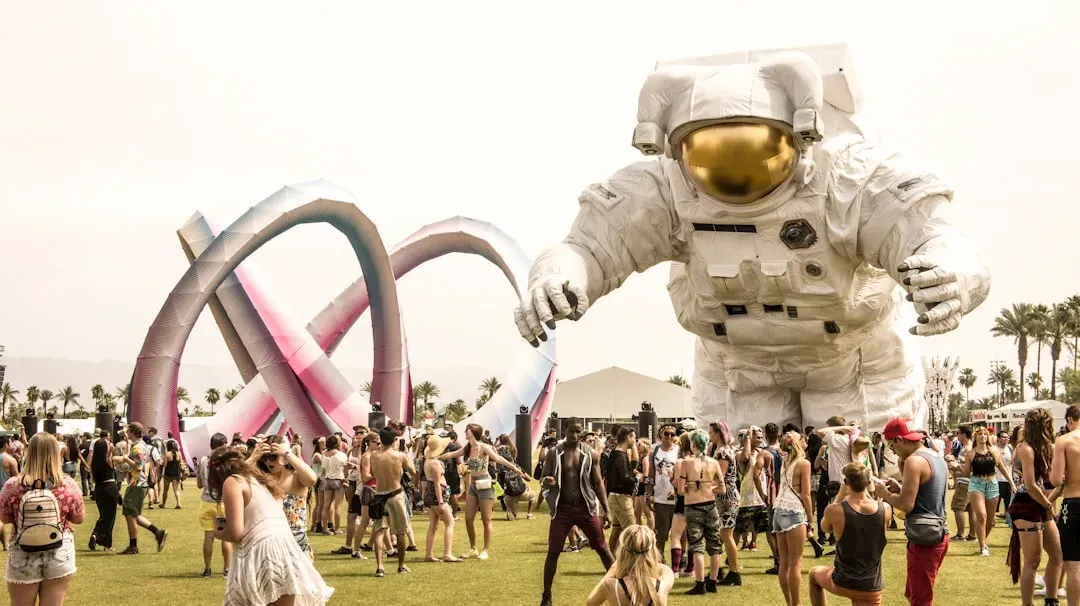
This two-weekend event, held in the heart of the California desert, has become synonymous with musical innovation, artistic expression, and cultural influence. Each year, Coachella draws an eclectic mix of genres – ranging from rock and indie to hip-hop and electronic music – making it a melting pot of musical styles.
From Beyoncé’s historical Coachella performance celebrating Black excellence to Billie Eilish’s climate change advocacy at global festivals, artists leverage their influence to push forward critical conversations. Their messages, amplified by social media, extend beyond the festival, sparking movements that resonate across society.
Leveraging the power of social media and branding, Coachella draws not just music lovers but also photographers, capturing the festival fashion as much as the music performances. Coachella today functions almost like a living cultural barometer – whatever happens on its grounds seems to filter through the rest of the world within days.
10. Festivals as Engines of the Modern Economy
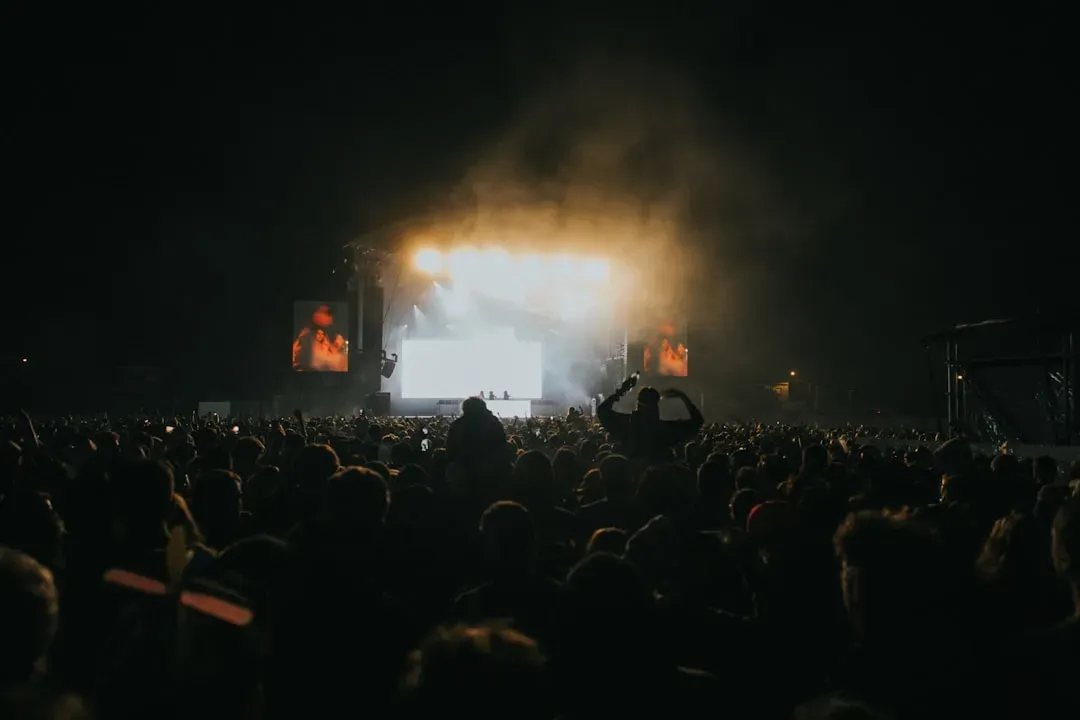
Cultural festivals have become major economic engines, significantly driving tourism and economic growth for local communities. These events not only attract a surge of domestic tourists but also draw international visitors, creating a global buzz around the host destination. The economic power here is genuinely staggering.
The global market for Live Music was estimated at US$28.1 billion in 2023 and is projected to reach US$79.7 billion by 2030, growing at a CAGR of 16.1% from 2023 to 2030. Festivals stimulate local economies by attracting visitors, increasing spending on accommodations, food, and entertainment. They create temporary jobs and support local businesses. Additionally, festivals enhance tourism by promoting cultural heritage and fostering community identity, thereby encouraging repeat visits and long-term economic growth.
Festivals often act as a catalyst for infrastructure development, improving transportation networks, accommodations, and public services to meet the demands of the growing number of attendees. This makes them far more than cultural moments – they are genuine drivers of urban transformation.
11. Social Media and the Festival That Never Ends
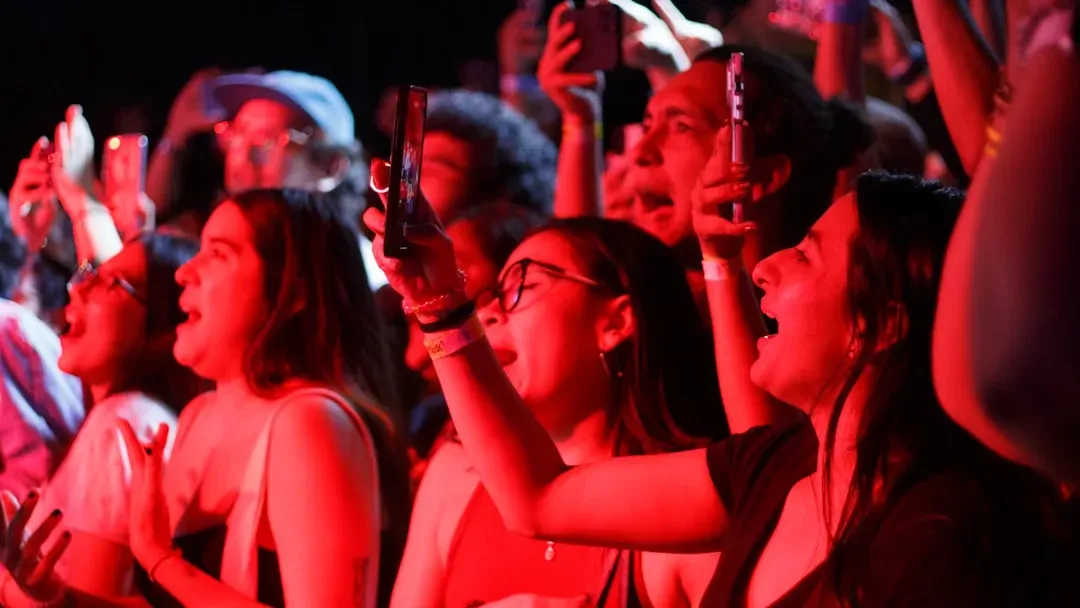
The rise of Instagram, TikTok, and Twitter transforms the festival experience. Now, every attendee is a broadcaster, sharing photos, videos, and stories in real time. Eventbrite reports that roughly four in five festival-goers post about their experiences online, turning the festival into a global conversation.
Platforms like Instagram, TikTok, and YouTube allow attendees to share their personal festival experiences with a global audience, offering immediate, crowd-sourced marketing for festivals while simultaneously promoting cultural exchange. The hashtag-driven culture encourages attendees to share photos and videos, contributing to the collective celebration of a festival and showcasing its diverse interpretations worldwide.
Live streaming, for example, has become a popular feature, offering real-time access to festivals that might otherwise be geographically inaccessible. As a result, people from different continents can now witness and engage with cultural celebrations like the Rio Carnival or the Lunar New Year parades in real-time, increasing global awareness and appreciation of these traditions. The festival, in the digital age, simply never goes home.
12. Festivals as Platforms for Climate Activism
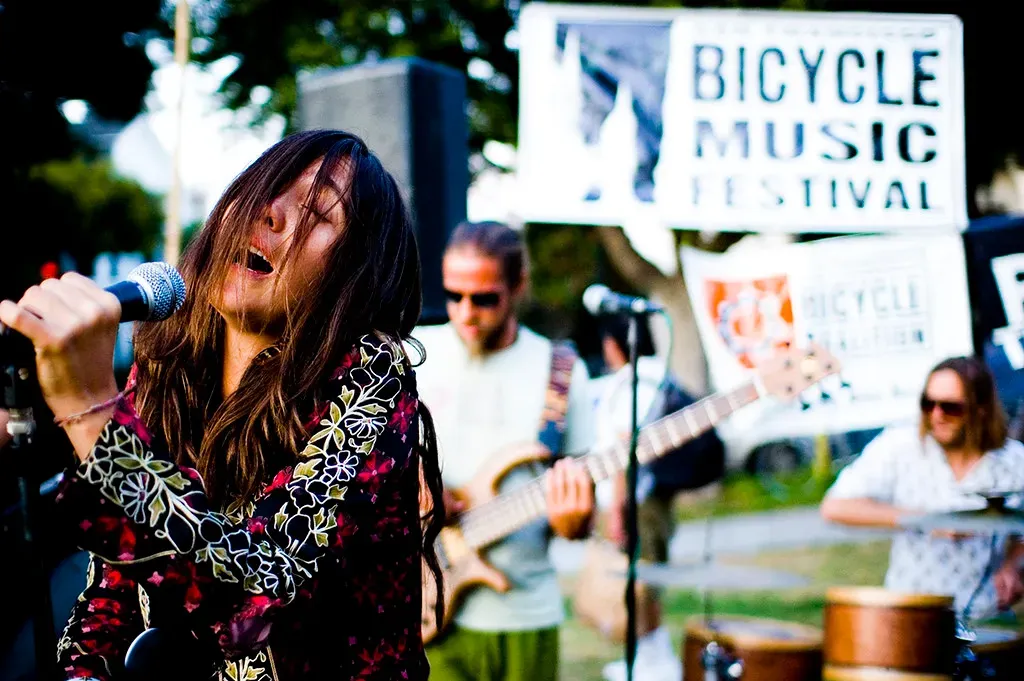
Events like the Global Climate Strike blend music and protest, attracting huge crowds while keeping the activist message front and center. A 2023 United Nations report found that roughly four in five young people think festivals are crucial for raising awareness about climate change. That is an extraordinary level of trust placed in cultural gatherings rather than traditional political institutions.
Unlike traditional political rallies or structured campaigns, festivals create experiences that blend music, art, and activism into a unified message. Attendees might engage with environmental initiatives like Leave No Trace at Burning Man or support social justice movements at events like Afropunk.
Sustainability has become a key focus for live music organizers, with eco-friendly initiatives such as plastic-free festivals, renewable energy use, and waste reduction strategies becoming more common. Music festivals also play a significant role in promoting sustainability and environmental awareness. Many festivals now incorporate eco-friendly practices and initiatives, educating attendees on the importance of conservation and sustainable living. This aspect of festivals underscores the broader societal value of these events, as they encourage individuals to think critically about their impact on the environment.
13. Día de los Muertos: When a Festival Redefines How a Culture Faces Death
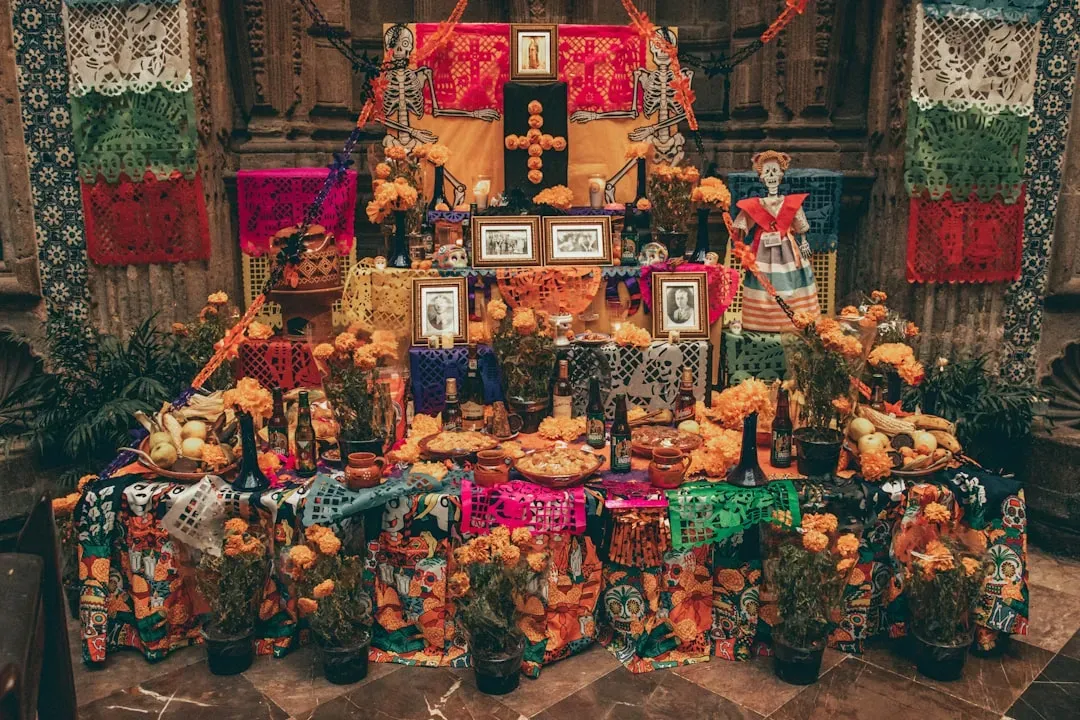
The blending of indigenous and European traditions in Latin American festivals, such as the Día de los Muertos (Day of the Dead), represents one of the most compelling cultural fusions in history. It’s hard to say for sure how the world would have processed Mexican identity without it, but its global reach today is undeniable.
What began as a deeply local indigenous ritual has become one of the most globally recognized cultural celebrations on earth, inspiring art, film, and public events across dozens of countries. Festivals play a crucial role in preserving cultural traditions by providing a communal space for ritual practices, storytelling, and the transmission of cultural values. They reinforce group identity and social cohesion, allowing communities to celebrate and renew their heritage. Through performances, cuisine, and traditional attire, festivals embody and maintain cultural continuity.
Numerous holidays honor significant historical occurrences from culture or religion. For instance, Independence Day in the United States honors the country’s freedom, whereas Bastille Day in France commemorates the French Revolution. Día de los Muertos goes even further – it transforms grief itself into a form of cultural strength and creative expression.
14. Festivals and the Power of Collective Community Building
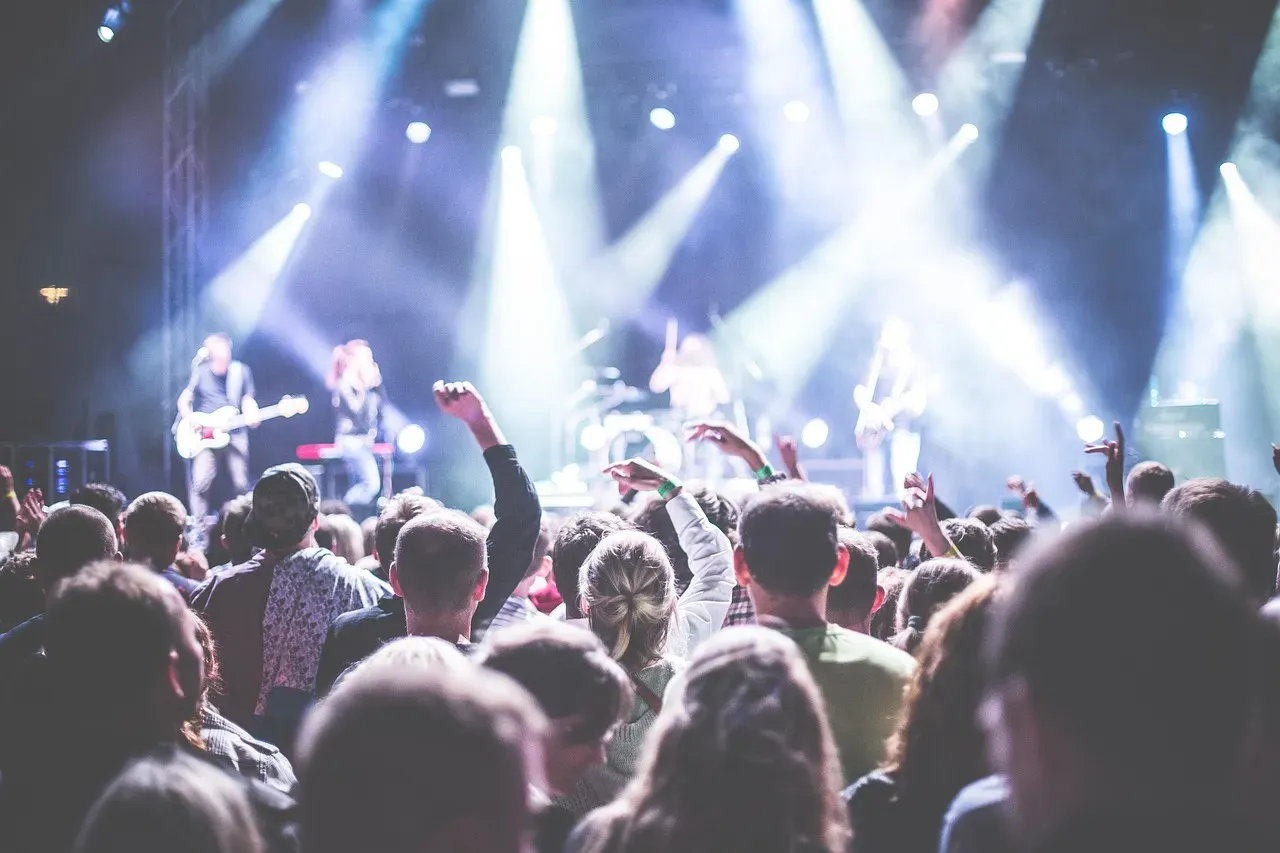
Festivals in 2024 are powerful platforms for community building. The ‘Year of Adventure’ mindset, with roughly three in five attendees seeking new experiences, has transformed festivals into hubs of social connection. That shift in motivation – from passive consumption to active connection – is one of the most significant cultural trends of our time.
Quantitative analysis using paired t-tests revealed statistically significant improvements across all assessed variables following festival participation. Specifically, increases were observed in Festival Participation, Social Cohesion, Community Engagement, Trust, and Cultural Values. The data, in other words, backs up what festival-goers have always felt in their gut.
Music festivals go beyond the realm of entertainment, acting as vital social instruments that bring people together. They create spaces where attendees can share experiences, celebrate diversity, and engage with different cultures. This communal aspect of music festivals can have a profound impact on individuals, promoting well-being, inclusivity, and understanding.
15. The “Festivalization” of Urban Life: Festivals Are Changing Cities
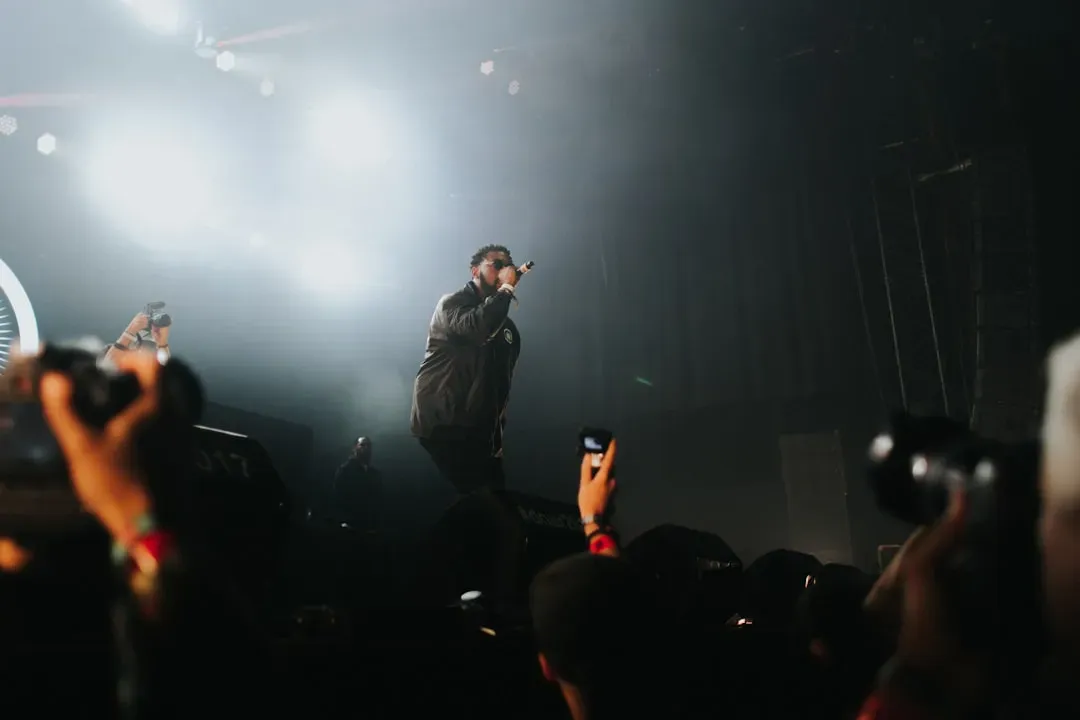
Over the past decades the number of music festivals has increased substantially – a trend often referred to as “festivalization” – especially within urban areas. Cities now actively design themselves around cultural gatherings, not just as an afterthought, but as a core strategy for identity and growth.
Festivals are integrative sites in which tangible and intangible heritage properties are entangled: bi-directional, co-dependent and non-linear. Given the critical role in linking urban contexts and histories with immaterial experience and meaning in the city, festivals can illuminate wider concerns. That is academic language for something beautifully simple: festivals give cities their soul.
By merging tradition with innovation, cultural festivals maintain their relevance in a rapidly changing world, attracting a new generation of attendees and participants while still honoring their historical roots. In 2024, the database records 2,184 music festivals – a testament to the revival and expansion of live music post-pandemic. Festivals are not fading. They are multiplying, evolving, and embedding themselves deeper into the fabric of how we build communities and define who we are as a civilization.
Conclusion: The Unstoppable Power of the Gathering
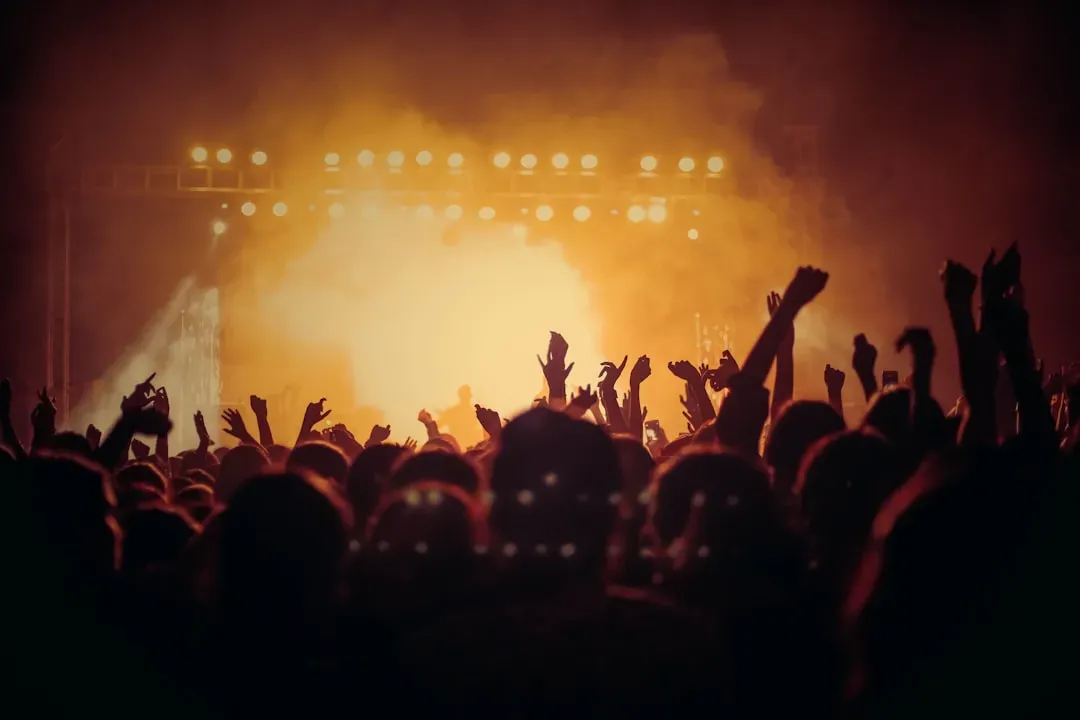
Looking back at these fifteen moments, one pattern keeps emerging: whenever humanity needed to change, it gathered. Not in boardrooms, not in parliaments, but in fields, streets, and stadiums. Modern music festivals have become more than just gatherings for live performances – they are cultural powerhouses that shape trends, redefine social interactions, and set the stage for artistic and technological innovation.
A Pew Research Center report found that roughly three in four young people believe festivals and protests are powerful tools for change. That belief is not naive. History has proven it true, again and again, from a muddy farm in New York to the streets of Rio to the deserts of California.
Festivals are, at their core, acts of radical optimism – the belief that if enough people show up with open hearts, something important will happen. And so far, that bet has paid off more times than anyone could have planned. What festival do you think changed the world the most? Tell us in the comments.