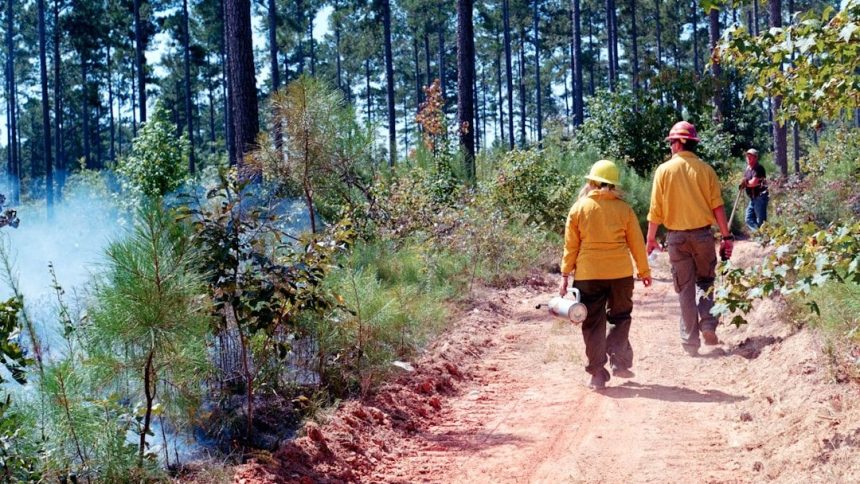
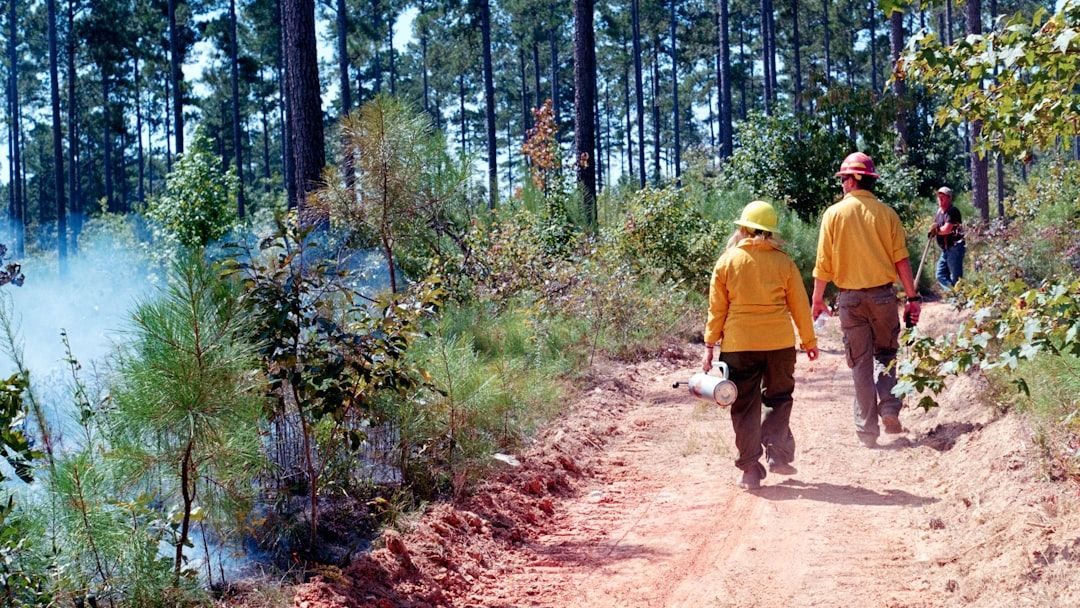
Trump Administration Kills Rule Putting Conservation of Public Lands on Equal Footing With Resource Extraction – Image for illustrative purposes only (Image credits: Unsplash)
The Trump administration has completed its reversal of a Biden-era policy that placed conservation and restoration of federal lands on the same level as mining, logging, and drilling. The move, announced Tuesday, eliminates the Bureau of Land Management’s Conservation and Landscape Health Rule, commonly referred to as the Public Lands Rule. Officials described the change as a return to longstanding practices that treat resource extraction as the primary purpose of public land management. The decision continues a pattern of actions that favor industrial uses over protective measures.
Origins of the Repealed Policy
The Public Lands Rule was issued during the previous administration to clarify that activities such as habitat restoration and watershed protection qualify as legitimate uses of federal land. It directed the Bureau of Land Management to weigh these efforts alongside traditional extractive industries when making planning decisions. Supporters argued that the policy simply formalized practices already occurring on many public parcels. Critics, however, maintained that it introduced unnecessary restrictions on economic activity.
Under the rule, land managers were required to consider conservation outcomes when approving new projects or renewing existing permits. This approach aimed to address long-term degradation from decades of resource development. The policy applied to millions of acres managed by the Bureau of Land Management, primarily in western states.
Arguments Driving the Repeal
Republican lawmakers and industry representatives contended that the rule undermined the principle of multiple use, which has guided federal land policy for generations. They stated that elevating conservation created an implicit bias against mining, energy production, and timber harvesting. Developers argued that the added layer of review would slow project approvals and reduce revenue from public resources.
Partner offer
Administration officials have framed the repeal as necessary to restore flexibility for local economies that depend on resource extraction. They noted that federal lands have historically supported jobs in rural communities through grazing, energy development, and recreation tied to commercial access. The decision aligns with broader efforts to reduce regulatory barriers across natural resource sectors.
Effects on Future Land Decisions
With the rule removed, Bureau of Land Management staff will no longer apply the same formal weight to conservation proposals during planning processes. Projects focused on extraction can proceed without competing against restoration goals on equal terms. Environmental groups have warned that this shift could accelerate habitat loss and limit options for addressing climate-related stresses on public lands.
Existing conservation projects already underway are expected to continue, though new initiatives may face greater scrutiny. The change does not eliminate all protective authorities under other statutes, but it removes the explicit parity that the Public Lands Rule had established. Land-use plans developed in coming years will reflect this adjusted priority structure.
Place in Ongoing Policy Direction
The repeal represents one step in a series of administration actions that have consistently favored expanded access for industry on federal holdings. Earlier steps included adjustments to leasing rules and streamlined permitting for energy projects. Together these moves signal a deliberate reorientation of how public lands contribute to national economic goals.
Observers note that the policy environment now places greater emphasis on immediate resource output rather than long-term stewardship. This approach echoes earlier periods when extraction dominated federal land management. The cumulative effect remains visible in permitting trends and planning documents released since the start of the current term.
What matters now
The repeal removes a formal mechanism for balancing conservation with extraction, leaving land managers to operate under the prior multiple-use framework. Future decisions will depend on how individual field offices interpret remaining legal requirements. Stakeholders on both sides are already preparing comments for upcoming planning cycles that will test the practical impact of the change.
Partner offer
Planning a trip to Vegas?
Compare hotel rates and show tickets on VEGAS.com.