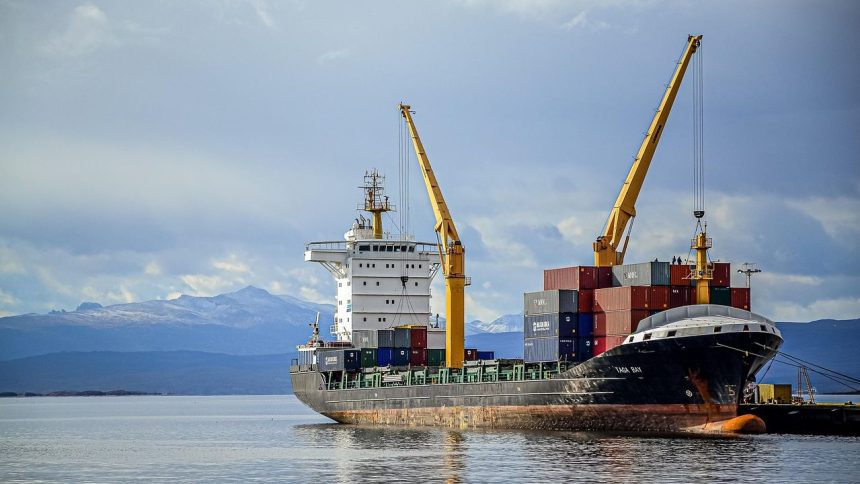
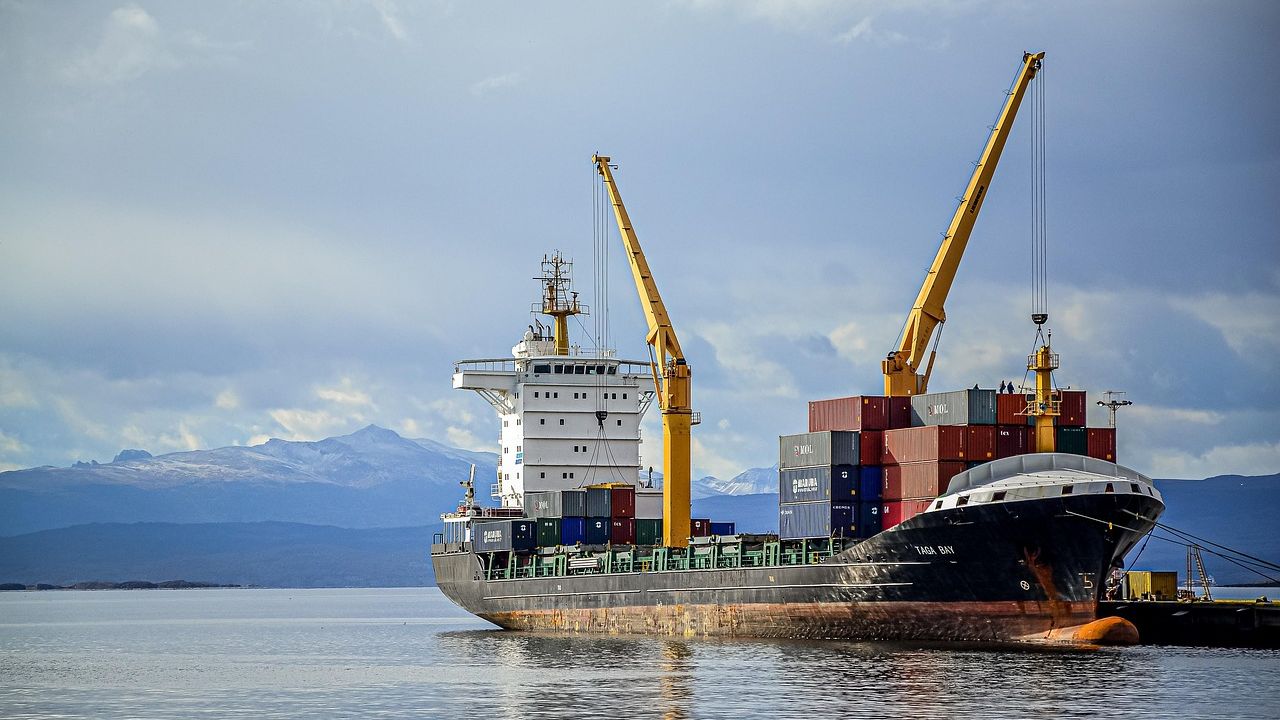
Understanding the Jones Act and Its Waivers (Image Credits: Pixabay)
Washington — President Donald Trump renewed a waiver of the century-old Jones Act on Friday, granting foreign-flagged ships another 90 days to shuttle oil, fuel and other essentials between U.S. ports. The extension addresses persistent energy market turbulence from the war with Iran, now entering its second month, which has slashed global oil supplies and driven up domestic gasoline prices.[1][2] Officials reported that the initial waiver already funneled more than 9 million barrels of U.S. oil to ports and boosted transport capacity by over 70 percent.[1]
Understanding the Jones Act and Its Waivers
The Jones Act, enacted in 1920 as the Merchant Marine Act, mandates that cargo moving between U.S. ports travel on American-built, owned, flagged and crewed vessels. Proponents view it as vital for national security and a robust domestic maritime sector, while critics argue it inflates shipping costs and constrains supply during crises.[2]
Trump first suspended the requirement on March 18 for 60 days, set to lapse May 17. The new 90-day period begins at midnight ET on May 18 and extends through mid-August. This allows over 40 tankers to participate so far, easing bottlenecks for commodities like energy products, industrial materials and agricultural goods.[3][1]
Roots in the Iran Conflict
The waiver renewal stems directly from disruptions in the Strait of Hormuz, where reduced tanker traffic has choked one-fifth of the world’s oil supply. The conflict has triggered a global energy shock, with U.S. gasoline prices climbing across all markets despite the original waiver.[1] White House press secretary Taylor Rogers highlighted data showing faster supply deliveries under the exemption.
“New data compiled since the initial waiver was issued revealed that significantly more supply was able to reach U.S. ports faster,” Rogers stated on X. “This waiver extension provides both certainty and stability for the U.S. and global economies.”[1]
Debate Over Effectiveness and Industry Fallout
While the administration touts supply gains, skeptics question the waiver’s impact on pump prices. One analysis pegged potential East Coast gasoline savings at just 3 cents per gallon, with possible Gulf Coast increases.[4] Aaron Smith, president of the American Offshore Maritime Association, criticized the move as failing to deliver relief.
“The initial waiver has not reduced gasoline prices, rather prices have increased in every U.S. market,” Smith said, adding it benefits foreign shippers at the expense of American industry.[1] Supporters like Colin Grabow of the Cato Institute countered that lifting the restrictions simply expands available vessels and cuts costs.
- More than 9 million barrels of oil delivered domestically.
- Transport availability up over 70 percent.
- Over 40 foreign tankers engaged.
Part of a Larger Energy Play
The extension fits into wider Trump administration steps against price spikes. These include releasing 172 million barrels from the Strategic Petroleum Reserve and easing sanctions on Russian oil imports. Rogers noted the combined actions aim to sustain vital supplies amid short-term shocks.[1]
Yet political pressures mount ahead of November’s midterm elections, where polls show voters linking Trump to rising costs—77 percent in one survey hold him at least partly responsible. Critics from the maritime sector, like Jennifer Carpenter of the American Maritime Partnership, called the extension an “affront” to U.S. workers that undermines long-term dominance.[2]
As the Iran war persists, the waiver’s fate beyond August remains uncertain. Resolution in the Strait of Hormuz could restore normal flows, but for now, it underscores the tight balance between economic relief and maritime priorities in a volatile world.