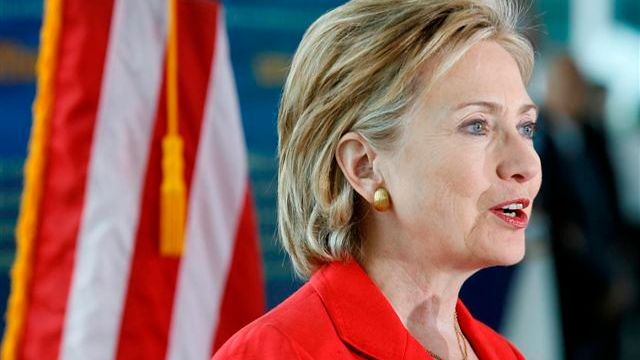
Iran reviewing US proposal as Trump pressures Tehran for agreement on deal to end war – Image for illustrative purposes only (Image credits: Flickr)
Dubai, United Arab Emirates – Iran confirmed Thursday that it is examining the latest American proposals aimed at ending the two-month conflict, while President Donald Trump warned that renewed U.S. strikes would follow if Tehran fails to accept terms that include reopening the Strait of Hormuz. The developments come after a fragile ceasefire has held since early April, yet shipping lanes remain blocked and fuel costs continue to climb worldwide. Markets showed modest gains on signs that talks could advance, even as U.S. forces intercepted an Iranian tanker attempting to run the American blockade in the Gulf of Oman.
Why the Hormuz Blockade Matters Now
The Strait of Hormuz carries roughly one-fifth of global oil trade, and its closure has already pushed Brent crude prices to around $100 a barrel. Hundreds of merchant vessels sit idle in the Persian Gulf, unable to reach open waters without passing through the narrow waterway. Shipping lines report weekly losses in the tens of millions of dollars from higher fuel and insurance expenses, with one major carrier estimating $60 million in added costs each week.
These disruptions extend beyond energy markets. Fertilizer and other petroleum products have also been delayed, raising concerns for agricultural supply chains in Asia and Europe. The economic ripple effects have prompted several governments to explore alternative routes or diplomatic pressure to restore normal traffic.
Key Elements Under Discussion
Reporting from Axios indicates the White House is close to a one-page memorandum that would outline a path out of the fighting. Core provisions reportedly include a temporary halt to Iranian uranium enrichment, the release of frozen Iranian assets, the lifting of certain U.S. sanctions, and guaranteed passage for commercial ships through the strait.
Iranian officials have described some earlier versions of the proposals as unacceptable, yet a Foreign Ministry spokesman said Tehran continues to study the most recent text. No timeline for a response has been released, and both sides have kept details of the exchanges private.
Partner offer
Shifting U.S. Messaging and Military Moves
The Trump administration’s public statements on the conflict have changed rapidly in recent days. On Wednesday the president posted that Iranian leaders want a deal, but he added that bombing would resume at higher intensity if no agreement is reached. Hours earlier, a U.S. fighter jet disabled an Iranian oil tanker that tried to break the blockade, according to Central Command.
A short-lived U.S. effort to escort commercial ships through the strait, known as Project Freedom, was suspended after only two American-flagged vessels completed the transit. Six Iranian small boats were sunk during that operation, the military said. The pause leaves the broader blockade in place while diplomats continue their work.
Regional and Global Reactions
Pakistan, which hosted earlier talks between the two sides, expressed optimism that an accord could be reached soon. Foreign Ministry spokesperson Tahir Andrabi said the country remains positive about a peaceful outcome that would benefit both the region and the wider international community, though he offered no specific schedule.
China, a major trading partner of Iran, has urged a comprehensive ceasefire. Foreign Minister Wang Yi met with his Iranian counterpart in Beijing and voiced deep concern over the fighting. French President Emmanuel Macron announced that a French aircraft carrier group is repositioning toward the Red Sea in case a joint mission with Britain becomes necessary to secure the strait.
What Matters Now
The immediate focus remains on whether Iran will accept the latest U.S. text and whether the Strait of Hormuz can reopen without further military action. Any agreement would need to address both security guarantees and economic relief for Tehran while satisfying Washington’s demands on nuclear activities.
Oil prices have stabilized for the moment as traders await clearer signals. A sustained reopening of the waterway would ease pressure on global fuel costs, yet failure to reach terms risks renewed escalation that could further strain supply chains already stretched by months of conflict.
Partner offer
Planning a trip to Vegas?
Compare hotel rates and show tickets on VEGAS.com.