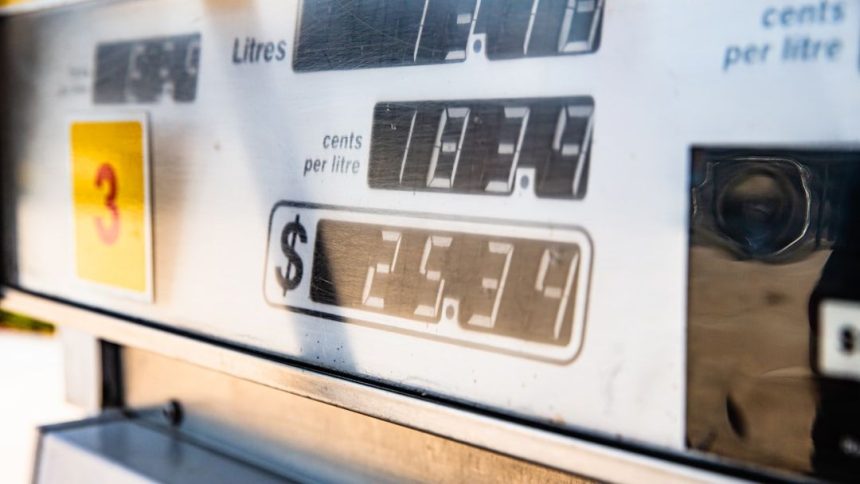
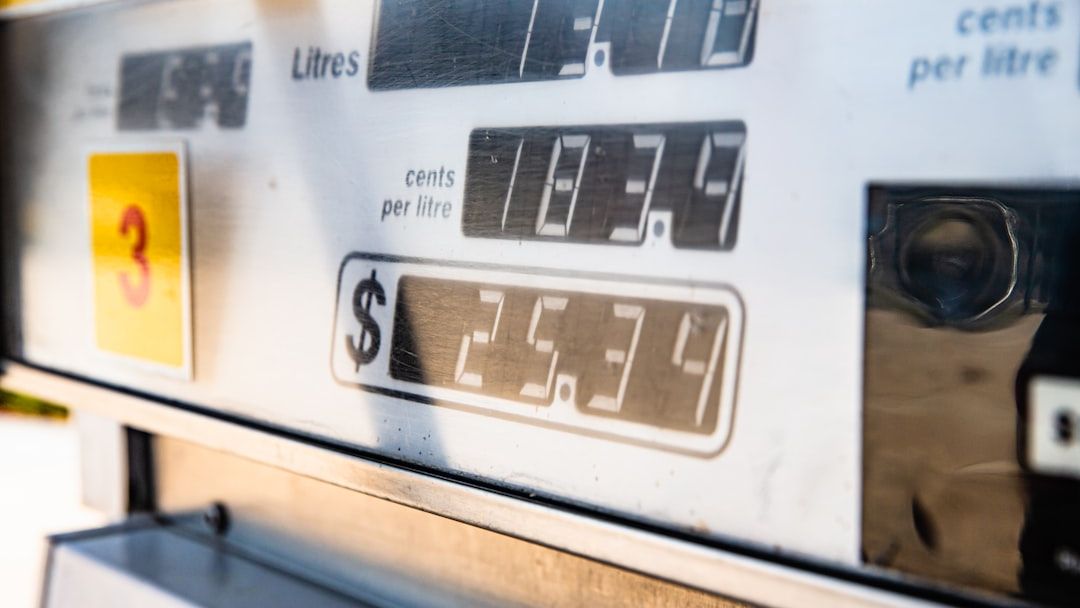
Inflation Jumps, Oil Prices Rise on U.S.-Iran Standoff – Image for illustrative purposes only (Image credits: Unsplash)
President Trump has declared the cease-fire on “life support,” signaling that the fragile truce between the United States and Iran faces immediate risk of breakdown. Investors have responded by adopting a more cautious stance, pulling back from aggressive positions in energy and equity markets. The economic fallout from the standoff has begun to surface in higher costs for fuel and broader price pressures across supply chains.
Markets React to Heightened Uncertainty
Oil prices have climbed steadily in recent sessions as traders price in the possibility of renewed disruptions in the Persian Gulf. Energy analysts note that even limited supply concerns can trigger rapid repricing when geopolitical flashpoints involve major producers. Equity investors have shifted toward defensive holdings, favoring sectors less exposed to commodity swings. The shift reflects a broader pattern seen in past episodes of Middle East tension. Portfolio managers report trimming exposure to cyclical stocks while increasing allocations to cash and short-term bonds. This measured retreat has kept trading volumes subdued despite the headline volatility.
Partner offer
Inflation Pressures Build From Energy Costs
Rising crude prices feed directly into transportation and manufacturing expenses, pushing consumer inflation higher in the near term. Businesses that rely on imported components or fuel-intensive logistics face margin compression that often passes through to end prices. Central bankers have already flagged energy volatility as a key variable in their inflation forecasts. Households feel the impact first at the pump and in utility bills. Over time, sustained higher energy costs can ripple into food and goods prices, complicating efforts to bring overall inflation back to target levels. Policymakers now weigh whether additional rate adjustments may be needed if the standoff persists.
Stakeholders Brace for Further Fallout
Several groups stand to feel the effects most acutely if tensions escalate: – Energy companies and refiners must manage inventory and hedging strategies amid unpredictable supply.
– Airlines and shipping firms face higher operating costs that threaten route profitability.
– Consumers encounter elevated prices for gasoline, heating oil, and everyday goods.
– Central banks and finance ministries monitor second-round inflation effects that could alter monetary policy paths. Each of these parties has begun contingency planning, though most continue to operate under the assumption that diplomacy may still avert a full breakdown.
Outlook Hinges on Diplomatic Next Steps
The coming weeks will test whether renewed talks can restore stability or whether further incidents push the region closer to open conflict. Markets remain sensitive to any official statements from Washington or Tehran, with price swings likely to continue until clearer signals emerge. For now, the combination of political rhetoric and visible economic strain has left participants on edge.
Partner offer
Planning a trip to Vegas?
Compare hotel rates and show tickets on VEGAS.com.