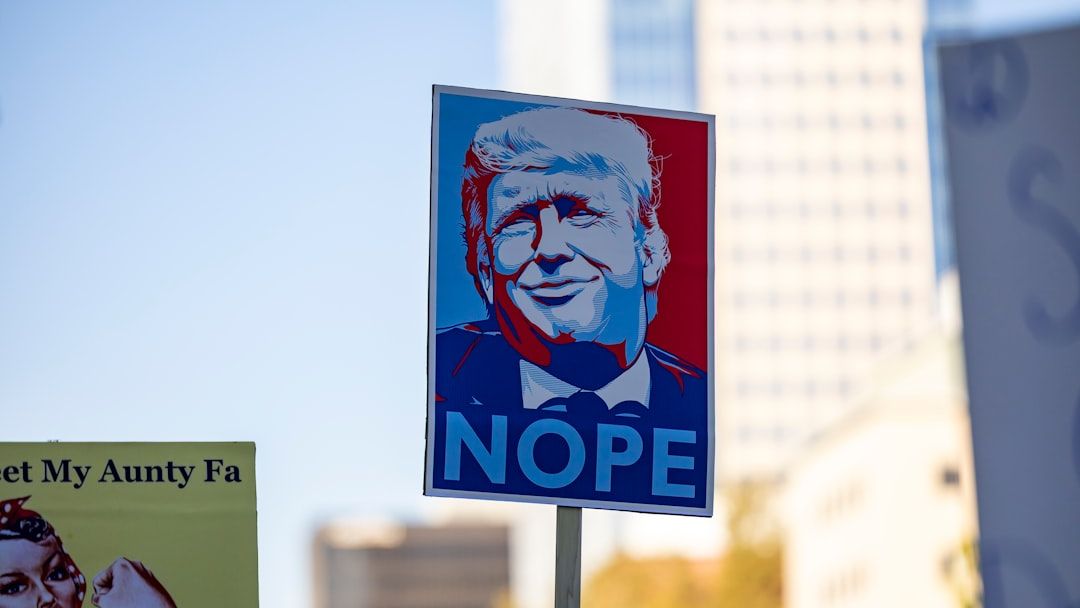
Trump’s war against wokeness has a long history – Image for illustrative purposes only (Image credits: Unsplash)
A federal judge recently ordered the reinstatement of canceled humanities grants after finding that the Department of Government Efficiency had overstepped its bounds. The ruling came after staffers used an artificial intelligence program to flag programs for elimination based on vague instructions about diversity and spending. This episode fits into a pattern of federal funding disputes that stretches back decades.
Immediate Effects of the Grant Decisions
The Department of Government Efficiency directed cuts across multiple agencies in pursuit of large-scale savings targets. Those targets began at two trillion dollars and later settled near one hundred fifty billion dollars after revisions. Lower courts initially blocked some actions, yet the Supreme Court permitted the reductions to proceed while litigation continued. By the time full reviews occur, many programs may no longer exist in their original form. The National Endowment for the Humanities faced particular scrutiny when dozens of grants were terminated. Staff members later testified that they fed broad criteria into an AI system and forwarded the resulting list to agency leadership for execution.
Constitutional Concerns Raised by the Court
U.S. District Court Judge Colleen McMahon determined that the selection process amounted to viewpoint discrimination. She noted that decisions appeared driven by opposition to certain perspectives rather than neutral standards. The judge also found violations of equal protection principles under the Fifth Amendment. Reinstatement of the grants was ordered as a direct remedy. This outcome affects researchers, educators, and organizations that had relied on the funding for ongoing projects. The ruling underscores limits on how quickly and broadly executive actions can reshape independent agencies.
Partner offer
Origins of Similar Conflicts in Earlier Decades
Disputes over federal support for the arts and humanities began intensifying in the 1980s. Conservative lawmakers targeted specific works funded by the National Endowment for the Arts, including photographs and performances that addressed LGBTQ+ themes. Those earlier controversies led to policy shifts that restricted grants to individuals and favored organizations instead. The National Endowment for the Humanities encountered parallel pressure during the same period. Its leadership at the time emphasized traditional academic content and resisted expansions into multicultural or critical approaches. Radio commentators and opinion writers amplified claims that such changes threatened core national values.
Shifts in Terminology Across Eras
The underlying disagreements have persisted even as labels evolved. Earlier debates centered on political correctness and affirmative action. Current discussions focus on diversity, equity, and inclusion initiatives. The methods of evaluation have also changed, moving from manual reviews to automated tools. Both periods involved accusations that federal resources promoted narrow ideological views. Stakeholders in education and cultural institutions have faced repeated uncertainty about future support.
Long-Term Consequences for Historical Narratives
Federal guidance has directed agencies to prioritize accounts of national progress without emphasis on certain conflicts or figures. Curriculum adjustments in multiple states have followed similar lines, including new alternatives to established advanced placement courses. These developments influence how students encounter the country’s past. They also shape public institutions such as museums and parks that receive federal direction. The pattern suggests continued tension between competing visions of what government-supported education and research should emphasize.
Partner offer
Planning a trip to Vegas?
Compare hotel rates and show tickets on VEGAS.com.