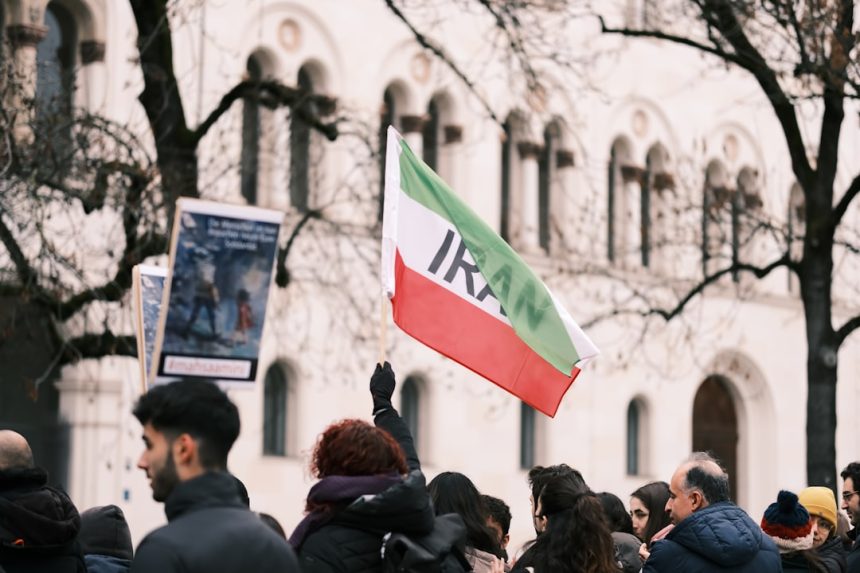
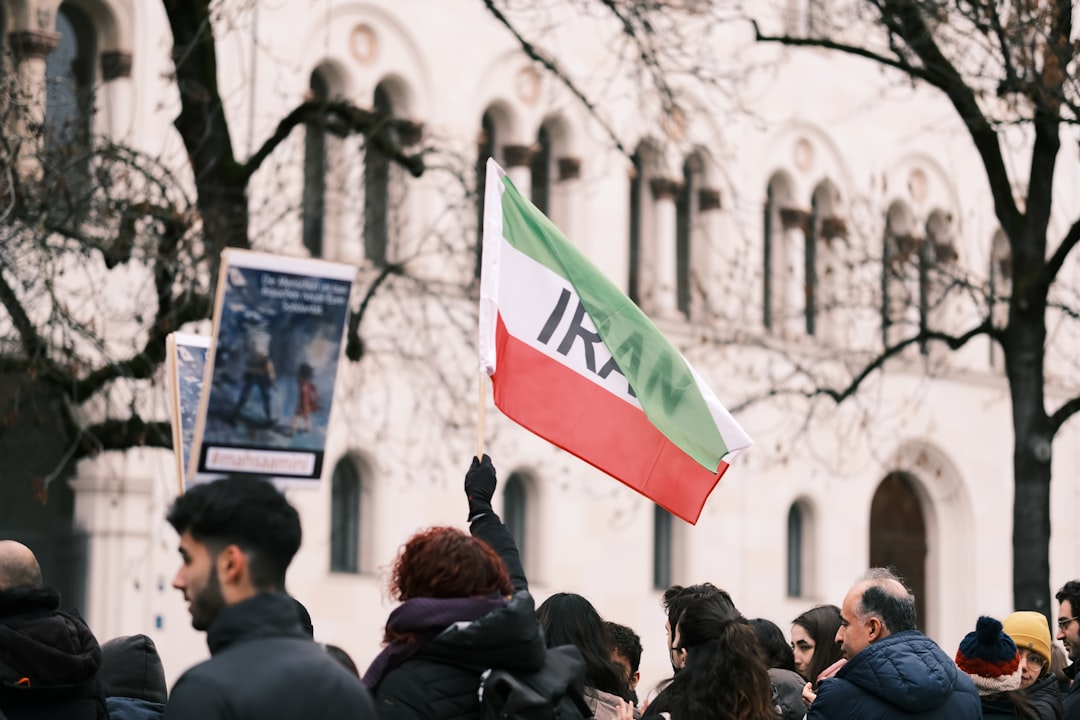

Unpredictable Threats Dominate the Discourse (Image Credits: Unsplash)
President Donald Trump maintains a firm grip on the narrative surrounding the ongoing U.S.-Israeli conflict with Iran, but his unconventional messaging style now draws scrutiny at home. Six weeks into the war that began on February 28, public support has eroded amid bombastic threats and vague assurances of victory.[1][2] Critics argue that while the approach may unsettle Tehran, it leaves many Americans questioning the path forward. The challenge lies in balancing strategic ambiguity with the need for domestic clarity.
Unpredictable Threats Dominate the Discourse
Trump’s recent social media salvos captured global attention and exemplified his signature style. On Easter morning, he warned of “Power Plant Day, and Bridge Day” in Iran unless the Strait of Hormuz reopened, laced with profanity and a peculiar invocation of praise to Allah.[1] The following day brought another dire prediction: a whole civilization could perish that night, though he hinted at potential regime change leading to positive outcomes.
These posts followed a White House briefing on the successful rescue of two U.S. airmen downed over Iranian territory. Trump positioned the operation as evidence of military prowess, yet refrained from detailing broader plans. He dismissed demands for specifics, stating, “I have the best plan of all, but I’m not going to tell you what my plan is.”[2]
The ‘Fog of Trump’ Strategy Under Scrutiny
Observers have long dubbed Trump’s communication “the Fog of Trump,” a deliberate tactic to confound adversaries. Commentator Eli Lake recently noted the president excels at bewildering foes and international audiences alike. Tehran leaders likely grapple with uncertainty, given Trump’s history of following through on some threats while relenting on others.
Top advisors, including CIA Director John Ratcliffe, Secretary of War Pete Hegseth, and Joint Chiefs Chairman Gen. Dan Caine, reportedly back a comprehensive strategy. Trump emphasized their involvement during a press event, insisting every detail had been mapped out. Still, the opacity fuels accusations of improvisation from detractors.
Polls Reveal Mounting Public Discontent
Americans increasingly view the war unfavorably, complicating Trump’s position. The RealClearPolitics poll average registers 54.9 percent disapproval against 39.2 percent approval.[1] Early surveys post-launch showed tighter margins – 47.6 percent disapproved, 42.5 percent approved – with Trump’s handling rating only slightly negative at 5.1 points underwater.
Now, in the conflict’s sixth week, his rating has plunged to 15.7 points underwater. Disapproval creeps higher, approval slips, signaling war fatigue. Such trends raise doubts about whether escalated actions, like strikes on infrastructure, would reverse the slide.
| Period | Approval (%) | Disapproval (%) | Trump Rating (Net) |
|---|---|---|---|
| War Start (Feb. 28) | 42.5 | 47.6 | -5.1 |
| Current (Week 6) | 39.2 | 54.9 | -15.7 |
Nuclear Goal Met, Yet Escalation Looms
Trump reiterated the war’s core objective: preventing Iran from acquiring nuclear weapons. He lambasted the Obama-era deal as a pathway to proliferation, crediting his termination of it – followed by June 2025 B-2 bomber strikes on nuclear facilities – with achieving that aim for years ahead.[2]
- Termination of 2015 Iran nuclear deal.
- June 2025 airstrikes on key sites.
- Current operations targeting missile capabilities.
- Ongoing pressure via Strait of Hormuz standoff.
With the primary mission accomplished, talk of civilizational collapse strikes many as disproportionate. Observers question if prolonged engagement aligns with initial promises of a swift resolution.
Call for Precision in Victory
Trump pledged brevity from the outset, tapping into public aversion to drawn-out conflicts. Success now demands proportionality to the nuclear prevention goal, alongside transparent progress updates. Failure to adapt risks deeper divisions, especially as gas prices climb amid Hormuz disruptions.[3]
Victory requires not just battlefield gains but renewed public buy-in. The administration must navigate this delicate balance to secure lasting achievements.
- Trump’s threats unsettle Iran but erode U.S. support.
- Nuclear threat neutralized; focus should return there.
- Polls demand quicker, clearer path to endgame.
Trump confronts a pivotal moment: harness the fog for triumph or let confusion undermine hard-won gains. What do you think about the administration’s handling of the Iran conflict? Tell us in the comments.