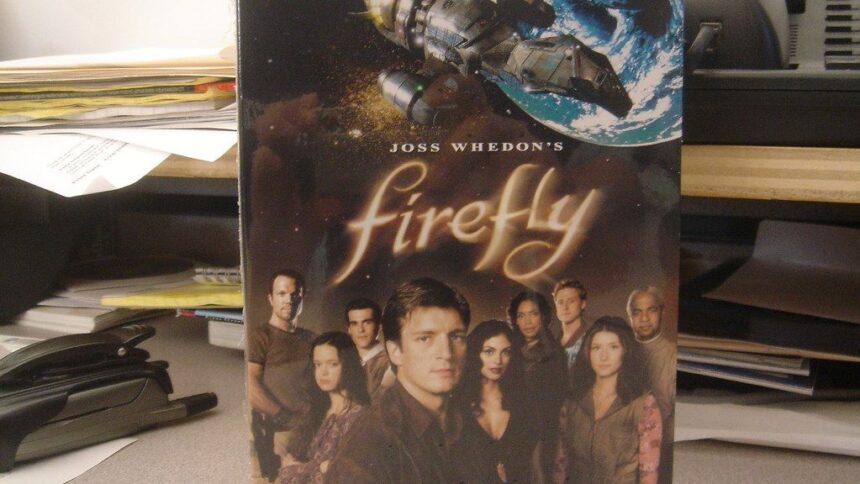
Every year, dozens of television shows end their runs before they have a chance to finish their stories. Some disappear quietly after a single season. Others vanish mid-story, leaving fans frustrated and creators heartbroken. What’s worse is that several of these canceled shows had established fanbases, critical praise, or promising trajectories that suggested longevity.
The streaming era has changed the rules. Networks and platforms now make renewal decisions based on evolving metrics that fans rarely see or fully understand. A show might have passionate viewers yet still not meet internal performance thresholds. The reasons for cancellation vary widely, from budgets to viewership completion rates to executive strategy shifts. Still, the pattern remains: certain series vanish before they should, and audiences are left wondering what might have been.
Firefly
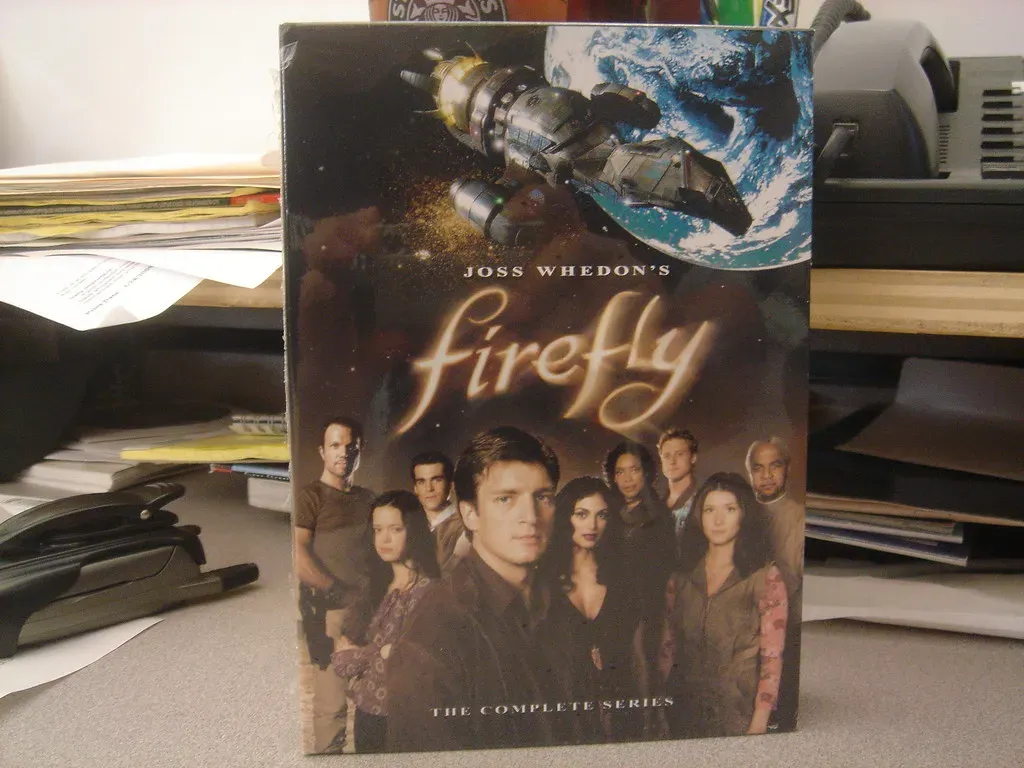
Joss Whedon’s space western lasted only one season on Fox back in 2002, yet its legacy endures. The show’s mix of Western tropes and science fiction settings created something unique, and its ensemble cast developed devoted followers despite minimal promotion and erratic scheduling from the network.
The show remains a symbol of premature cancellation. Fan campaigns have kept it relevant for over two decades. Even now, polling data suggests audiences would welcome its return, though the chances grow slimmer with each passing year. The show’s lone season and subsequent film demonstrated what might have been, leaving fans perpetually curious about unfinished arcs.
1899

The series was cancelled in January 2023. During its debut week, 1899 ranked at number two on Netflix’s Top 10 TV English titles just three days after its release with 79.27 million hours viewed. The following week, the series remained at the same position and garnered 87.89 million viewing hours. In its third week, the series generated 44.62 million viewing hours, while also holding its position at number two.
With heavy funding from Netflix, on top of EU funding, the budget for the series was admittedly massive, and when fewer than 50% finished each episode, the cost-per-viewer soared. The creators from Dark had planned a trilogy, making the abrupt cancellation particularly painful. Honestly, this one stung because the first season ended on a massive cliffhanger that will never be resolved. The cancellation underscored Netflix’s shift toward completion metrics rather than raw viewing numbers.
GLOW

“We’ve made the difficult decision not to do a fourth season of ‘GLOW’ due to COVID, which makes shooting this physically intimate show with its large ensemble cast especially challenging,” a Netflix spokesperson said in a statement. GLOW had started production on season four, which was to have been its final one, in February. It completed one episode and started a second before the coronavirus pandemic led to production shutdowns for it and hundreds of other series and films in mid-March.
The wrestling comedy about female wrestlers in the 1980s had earned Emmy nominations and critical acclaim across three seasons. The physical nature of the show’s choreography and large ensemble cast made resuming production under pandemic protocols prohibitively expensive. Netflix ultimately chose to cancel rather than navigate the logistical and financial challenges. Creators and cast members expressed deep disappointment, particularly since the story would remain unfinished.
Deadwood
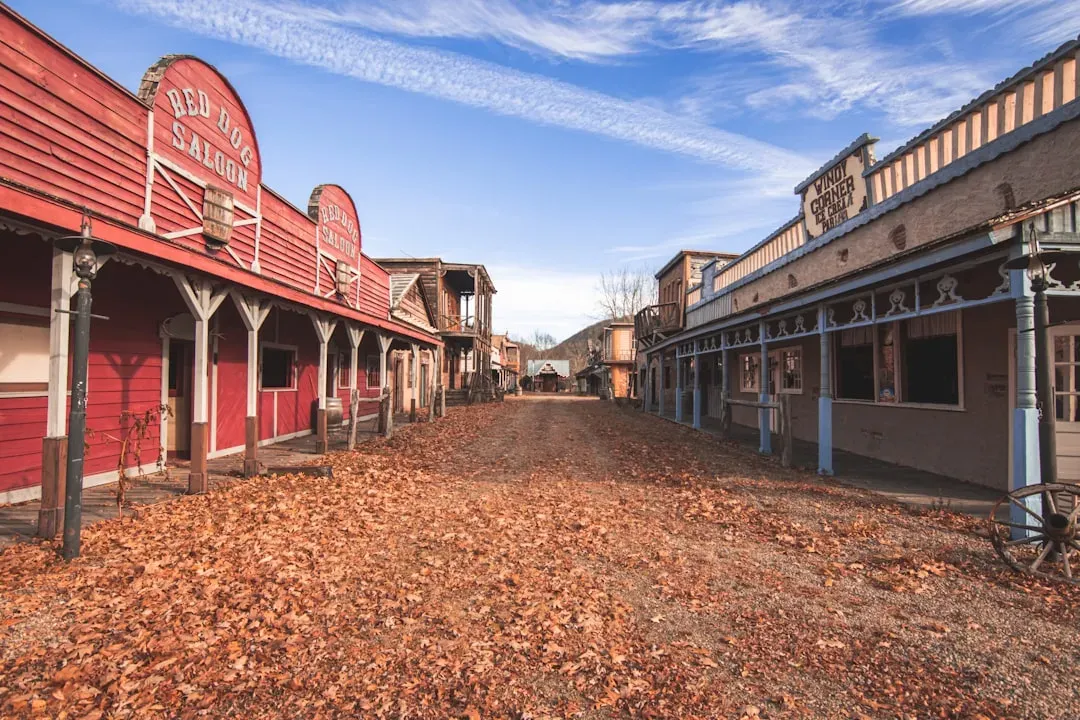
HBO’s Western drama set in a lawless South Dakota town ran from 2004 to 2006 before its sudden cancellation. The show featured dense dialogue, complex characters, and a morally ambiguous view of American frontier life that set it apart from typical Westerns. Budget concerns reportedly led HBO to end the series after three seasons.
The cultural impact proved lasting enough that HBO eventually produced a TV movie in 2019 to provide some closure. That film received strong viewership and critical response, reinforcing that audiences still cared about the story more than a decade later. The show’s reputation has only grown since its initial run, frequently appearing on best-of lists and influencing subsequent prestige dramas.
Raised by Wolves
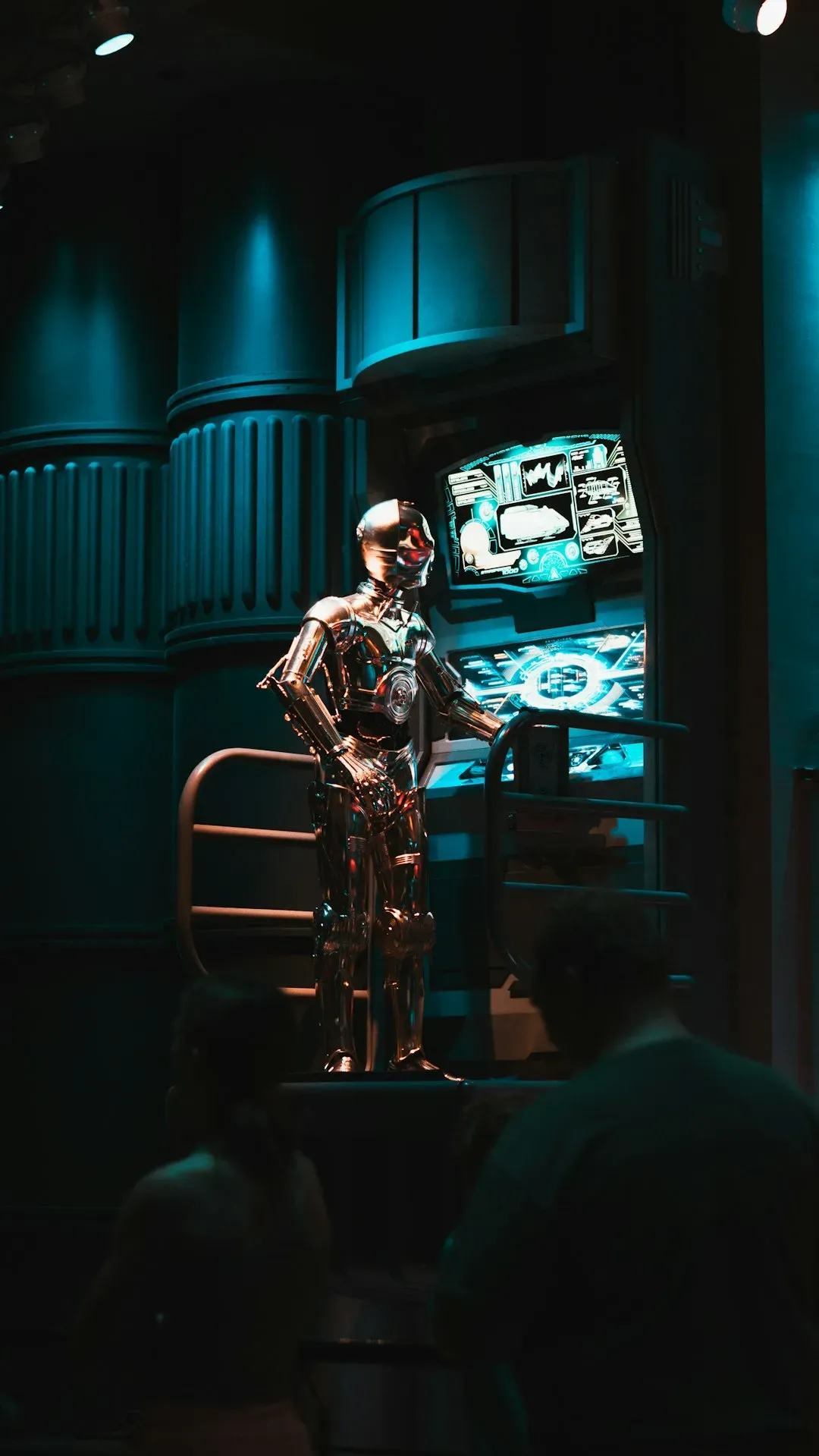
Ridley Scott’s science fiction series about androids raising human children on a distant planet offered ambitious world-building and philosophical themes. HBO Max canceled it in 2022 after two seasons, part of broader content cuts following the Warner Bros. Discovery merger. The show’s devoted fanbase campaigned for its continuation, but corporate restructuring took priority.
Warner Bros. Discovery later acknowledged the show maintained strong engagement with sci-fi audiences despite the cancellation. The series left numerous plot threads unresolved, including mysteries about the planet’s ancient civilization and the nature of the androids’ creators. Its cancellation exemplified how streaming platform ownership changes can upend even quality programming.
Freaks and Geeks
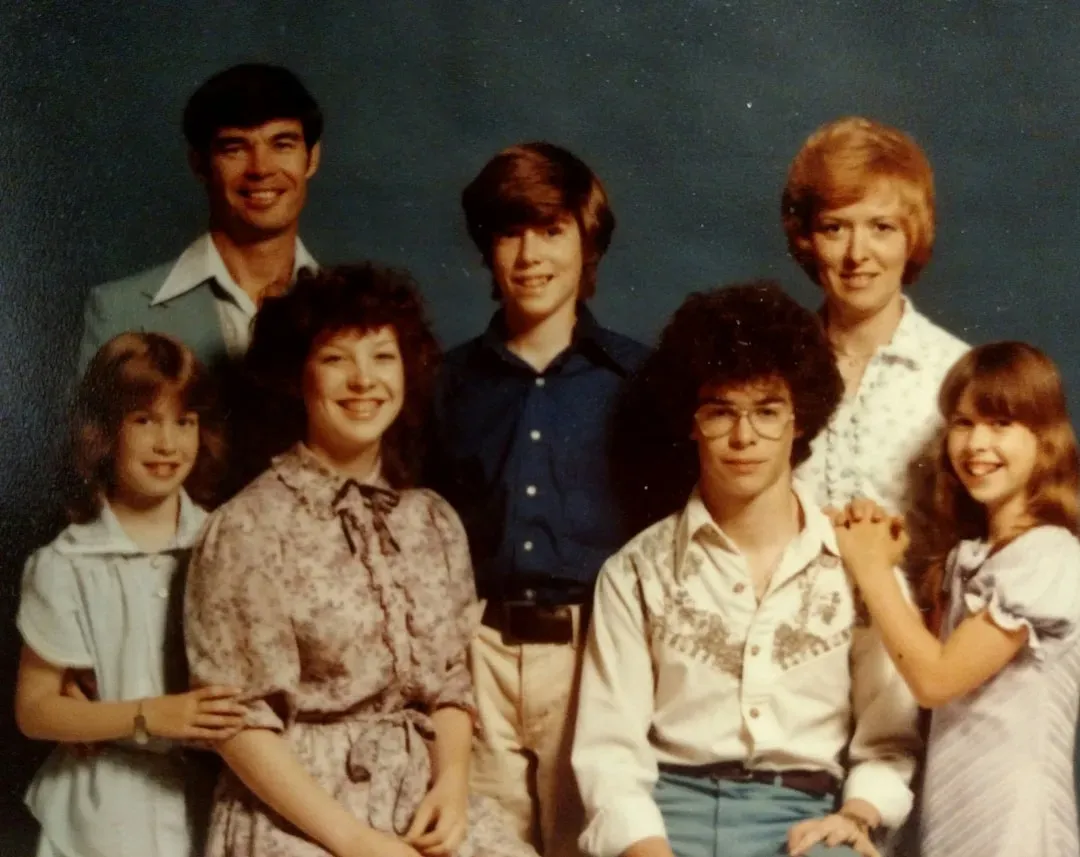
Paul Feig’s high school dramedy aired for only one season on NBC in 1999-2000, yet its influence persists. The show launched the careers of numerous actors and writers who became major figures in comedy and drama. Its realistic portrayal of teenage life in the early 1980s resonated with audiences who discovered it after cancellation.
The series consistently appears in critics’ rankings of television’s greatest shows. Its single season has been analyzed extensively, and its episodes are studied in film schools. The show’s premature end became a rallying cry for supporting quality programming even when ratings lag, though that lesson hasn’t prevented countless similar cancellations since.
The Dark Crystal: Age of Resistance
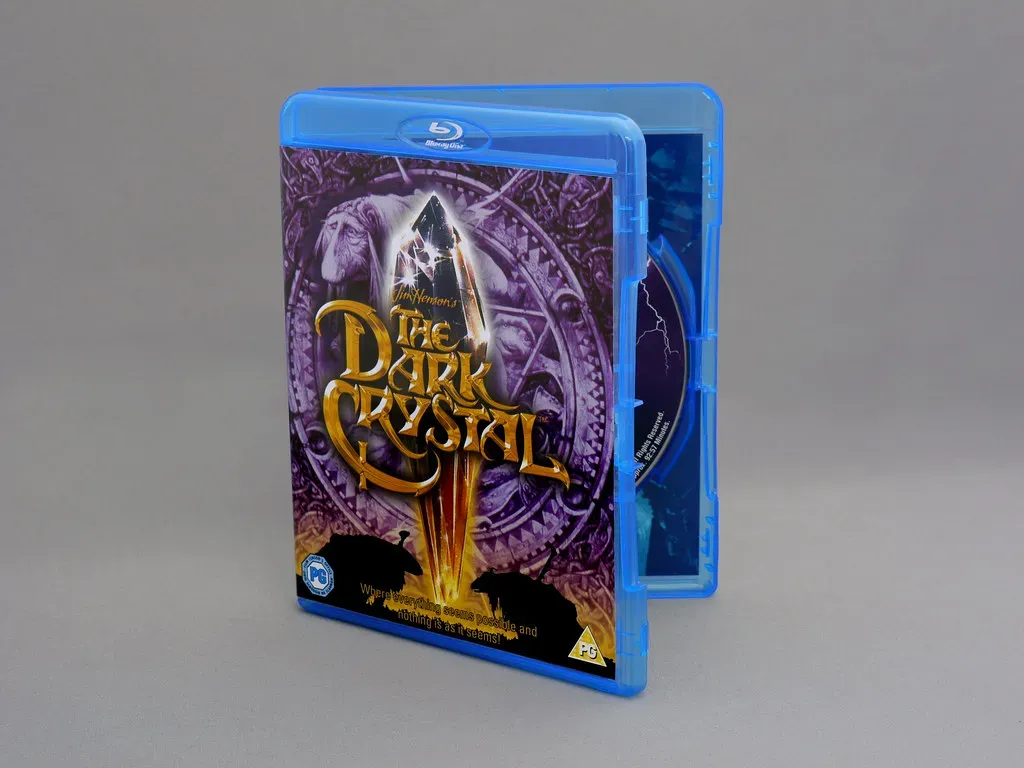
Netflix’s prequel to the 1982 Jim Henson film used elaborate puppetry to tell an epic fantasy story. The series won the 2020 Emmy for Outstanding Children’s Program, validating its artistic achievement. Despite critical acclaim and the prestigious award, Netflix canceled it after one season in 2020.
The cancellation highlighted that even Emmy wins no longer guarantee renewals at Netflix. Production was reportedly expensive given the intricate puppetry and detailed sets required. Netflix later confirmed that under its evolving business model, awards recognition alone wouldn’t justify continued investment in costly productions. Let’s be real, that’s a tough pill to swallow for fans who appreciated the craftsmanship.
The OA
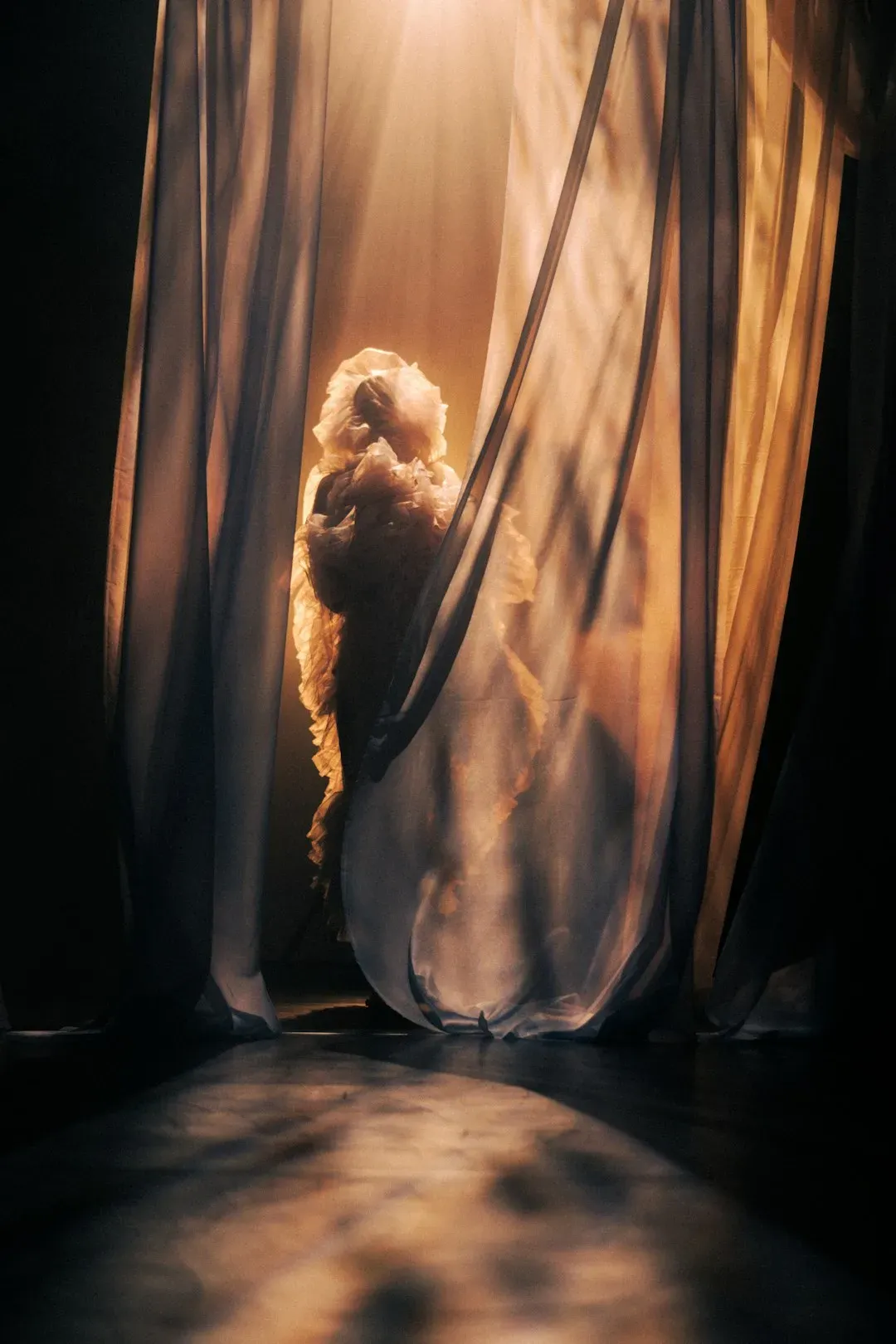
Brit Marling and Zal Batmanglij created this mind-bending mystery drama that ran for two seasons on Netflix before its 2019 cancellation. The show followed a woman who returns after years missing, claiming to have experienced another dimension. Its intricate plotting and unconventional storytelling attracted passionate viewers.
The creators had planned five seasons to complete their story, making the abrupt cancellation particularly frustrating. Fans launched campaigns and protests, including symbolic interpretations of the show’s themes. Netflix never provided detailed reasons for the decision, though viewership likely didn’t meet internal targets. The show’s legacy endures among those who appreciate ambitious, challenging narratives that refuse easy categorization.