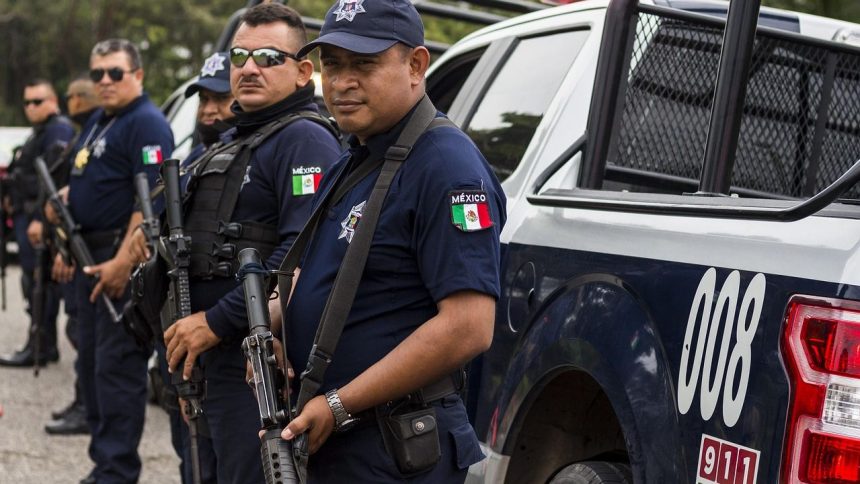
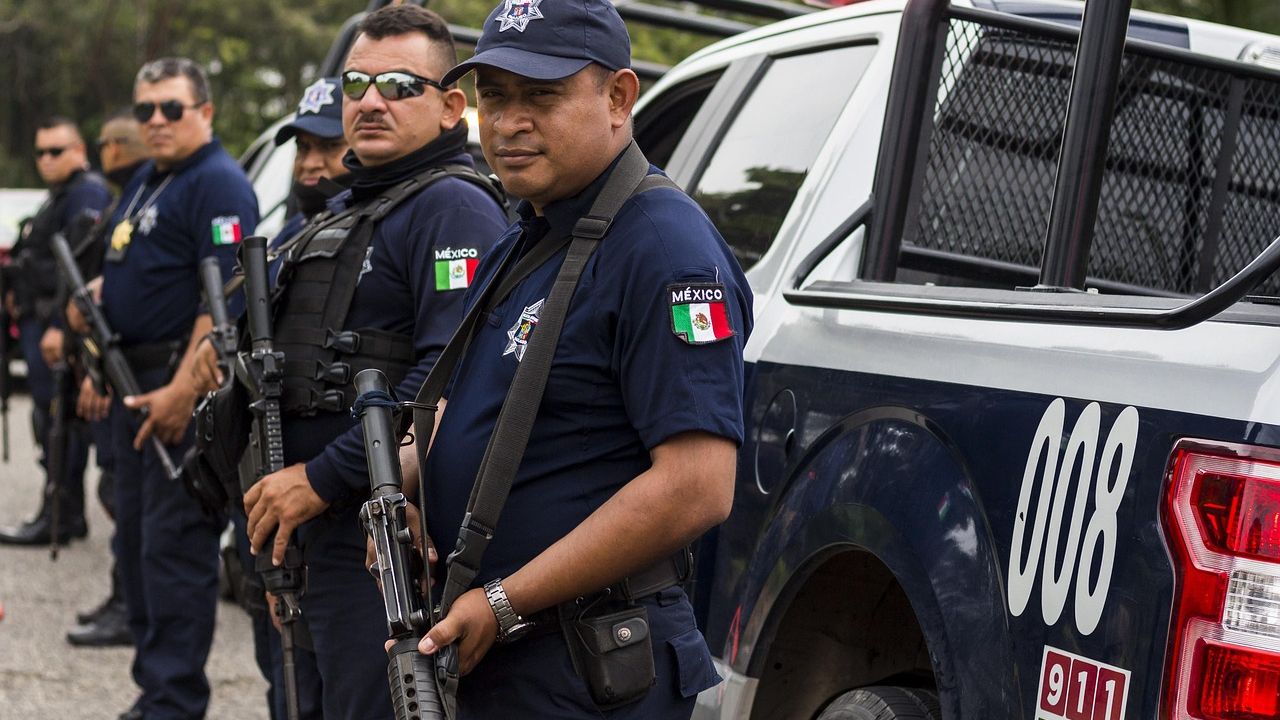
Cartel leader “The Gardener” hit with U.S. charges after dramatic capture – Image for illustrative purposes only (Image credits: Pixabay)
Audias Flores Silva, a senior leader in the Jalisco New Generation Cartel known by the alias “The Gardener,” was taken into custody during a targeted operation by Mexican Navy special forces. The action drew directly on intelligence supplied by U.S. agencies. Federal prosecutors in the United States have since filed charges against him, marking a clear step in cross-border enforcement efforts.
Swift Operation Unfolds
The arrest took place after U.S. authorities passed along precise details that allowed Mexican forces to locate and detain Flores Silva quickly. Navy units moved in with minimal advance notice, limiting opportunities for resistance or escape. Officials described the takedown as precise and low-profile, consistent with recent patterns of joint intelligence work between the two countries.
Once in custody, Flores Silva was transferred to Mexican authorities for initial processing. The rapid sequence from tip to arrest highlights how shared information can accelerate results in complex cartel cases. No major incidents or injuries were reported during the operation itself.
Profile of the Accused Leader
Flores Silva has long been identified as a high-ranking member of the Jalisco New Generation Cartel, one of Mexico’s most powerful criminal organizations. His nickname “The Gardener” stems from earlier activities tied to the group’s operations. U.S. charges now focus on his alleged role in directing activities that cross into American territory.
Cartel leadership positions like his typically involve oversight of logistics, recruitment, and territorial control. The Jalisco group has expanded its reach in recent years, drawing sustained attention from both Mexican and U.S. law enforcement. Flores Silva’s detention removes one layer of that command structure, at least temporarily.
Next Steps in U.S. Legal Process
With charges filed, the case now moves toward formal extradition proceedings. Mexican officials will evaluate the U.S. request while Flores Silva remains in custody. Such transfers often involve detailed legal reviews that can stretch over several months.
Prosecutors have not released the full list of allegations at this stage, but the filings center on violations tied to the cartel’s cross-border activities. The development adds to a growing list of similar cases where U.S. charges follow Mexican arrests based on shared intelligence.
Impact on Ongoing Cartel Enforcement
This arrest reinforces the value of real-time intelligence exchanges between U.S. and Mexican agencies. Similar operations have produced results in other high-profile cases, showing a consistent approach to targeting leadership. Analysts note that removing mid- and upper-level figures can disrupt supply lines and decision-making within the organization.
Cartel networks have proven resilient in the past, often replacing detained leaders within weeks or months. Still, each successful capture adds pressure and raises operational costs for the groups involved. The current case fits into that broader pattern of sustained, coordinated pressure.