Nashville: Music City’s Continued Evolution
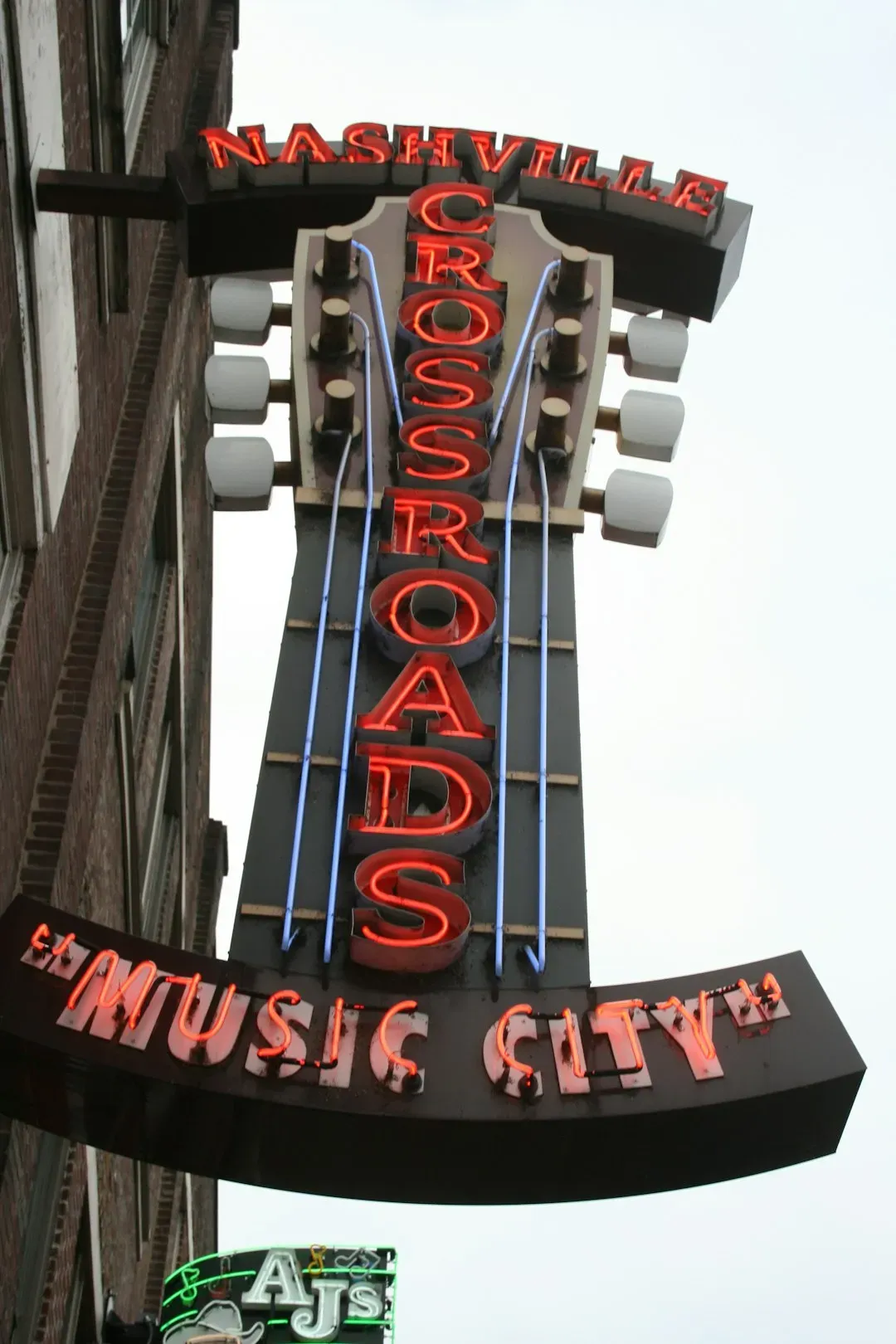
No other U.S. city is so linked to music production and performance as an identity, and Nashville keeps proving why. The census, held from March 1 – April 1, drew 4,256 respondents, showing just how massive the creative community has grown. The average household income for respondents is $93,000 annually, while respondents note that income direct from music-related work is, on average, $52,000 per year. It’s clear that making music in Nashville isn’t just about the dream anymore. It’s become a full-blown industry ecosystem.
Country’s reach continued to expand on a global scale, while Music City remained firmly at the center of some of the industry’s most consequential conversations throughout 2025. UMG Nashville reintroduced itself to the market as Music Corporation of America (MCA), appointing Mike Harris and Dave Cobb to lead a newly restructured organization. Warner Music Nashville followed suit, rebranding as Warner Records Nashville. These transformations signal that Nashville is evolving, not stagnating.
Seattle: Where Grunge Changed Everything
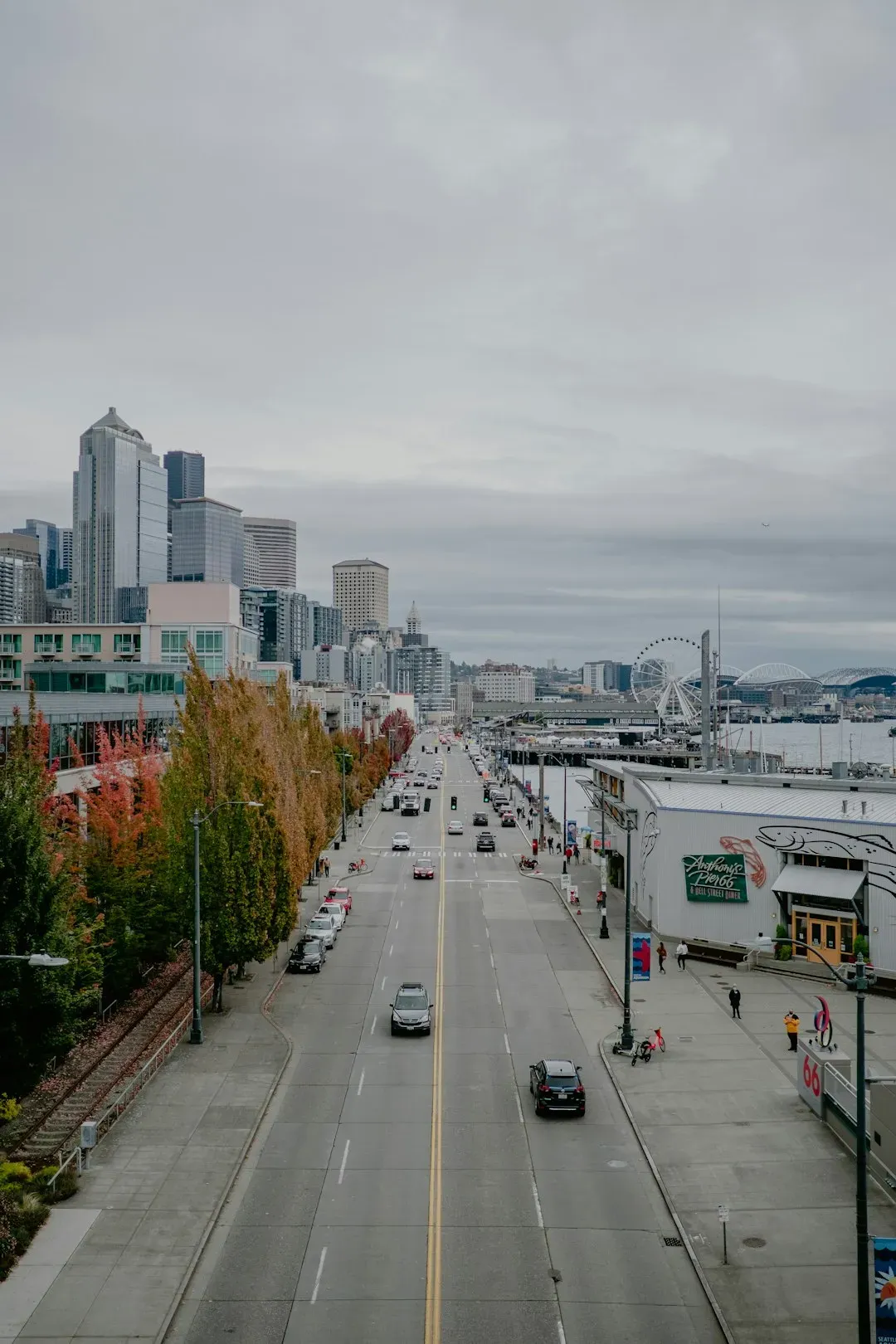
Seattle was also poor. A series of economic shocks in the 1970s left the area a disadvantaged, working–class–dominated hinterland. That poverty wasn’t just background noise. The grunge “aesthetic” was based, in large part, on the economic realities of the time. Trucker hats and pawnshop guitars were not mere stylistic choices, but accessories indicative of the economic realities of the region. Honestly, it’s hard to imagine a more authentic origin story for a musical revolution.
Their 2025 induction on Nov. 8 in Los Angeles will cement their legacy along with fellow grunge bands Nirvana and Pearl Jam, who were inducted in 2014 and 2017. Soundgarden’s recognition shows that Seattle’s contribution to rock history isn’t fading away. The “Seattle Sound” remains a fixture in rock music history, inspiring genres like alternative rock, punk revival, and even elements of hip-hop. Three decades later, the city’s grunge legacy still echoes through every guitar riff and distorted bass line heard in alternative music worldwide.
New Orleans: The Birthplace Where Jazz Was Born
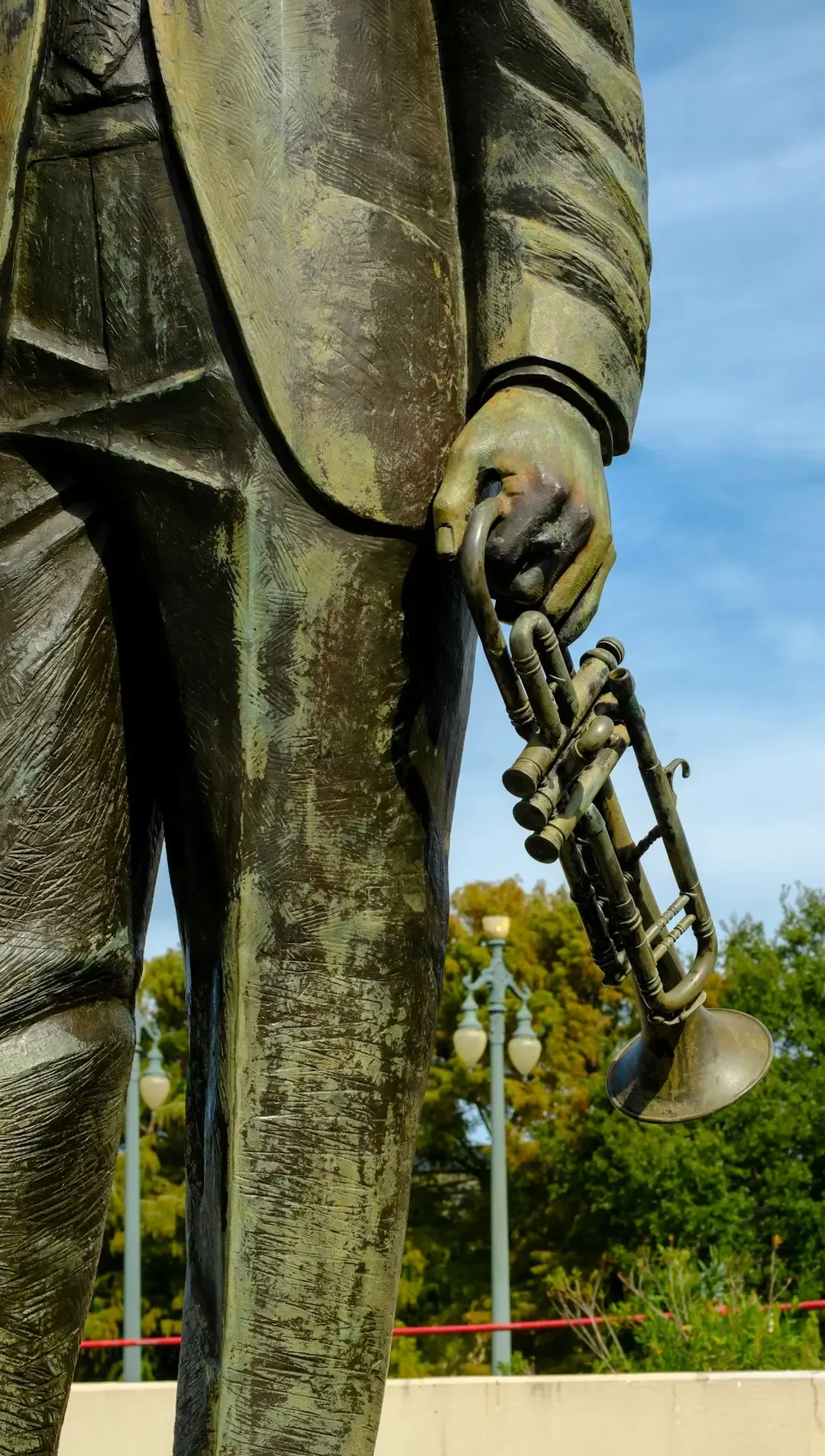
New Orleans is especially known for its strong association with jazz music, universally considered to be the birthplace of the genre. The African influence on New Orleans music can trace its roots at least back to Congo Square in New Orleans in 1835, when enslaved people would congregate there to play music and dance on Sundays. That raw cultural exchange became the foundation for something entirely new.
Jazz is a byproduct of the unique cultural environment found in New Orleans in the late 19th and early 20th centuries, with the vestiges of French and Spanish colonial roots, the resilience of African influences after the slavery era and the influx of immigrants from Europe. Think about it. Where else could such a perfect storm of cultures collide and create America’s most distinctive musical style? Sampling from and experimenting with all of these diverse influences, New Orleans musicians added the touchstone ingredient of improvisation to produce something completely new. Jazz defied the then-dominant Western musical tradition of following a composer’s music precisely.
Detroit: From Motown Magic to Modern Sounds
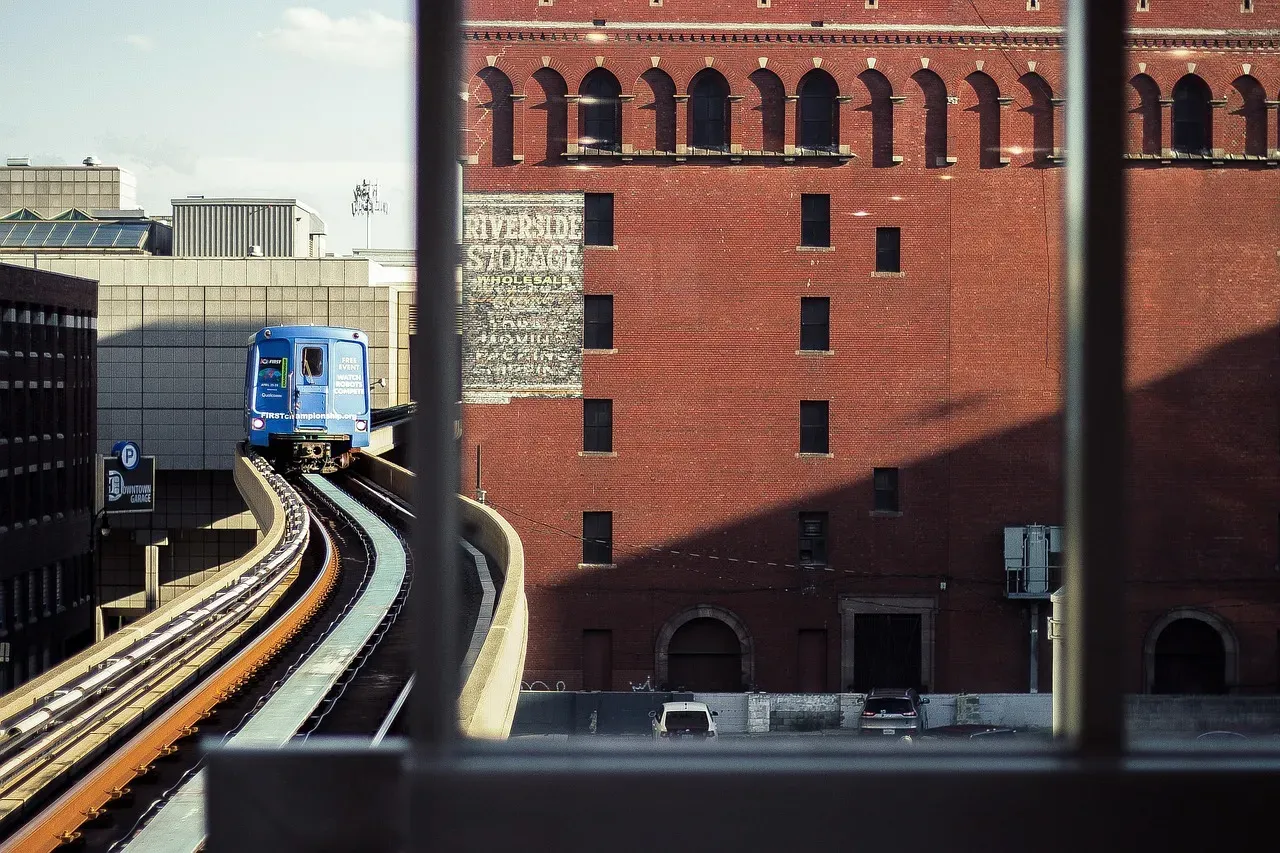
In fact, between 1961 and 1971, Motown had over 100 Top Ten songs on the Pop charts, something that has not been replicated since by an independent record company. Let that sink in for a moment. A small label from Detroit completely dominated American pop culture. Perhaps the most famous outcome of Detroit’s golden era of industry was the record label giant known as Motown, which skyrocketed to become the largest Black-owned business in the ’60s and ’70s. The label originated with Berry Gordy, who worked on the Ford Motor Company’s production line.
Motown played a vital role in the racial integration of popular music as an African American-owned label that achieved crossover success with white audiences. Motown dominated the Billboard charts, with almost 80 songs reaching the Top 10 in the ’60s alone. The connection between Detroit’s industrial assembly lines and musical production created a systematic approach to hit-making that’s never been matched. In the past five years, however, Detroit has shown an ability to bounce back and navigate the problems of regeneration and gentrification. Downtown Detroit has seen a vast increase in real-estate investment.
Memphis: Where Blues and Soul Came Alive
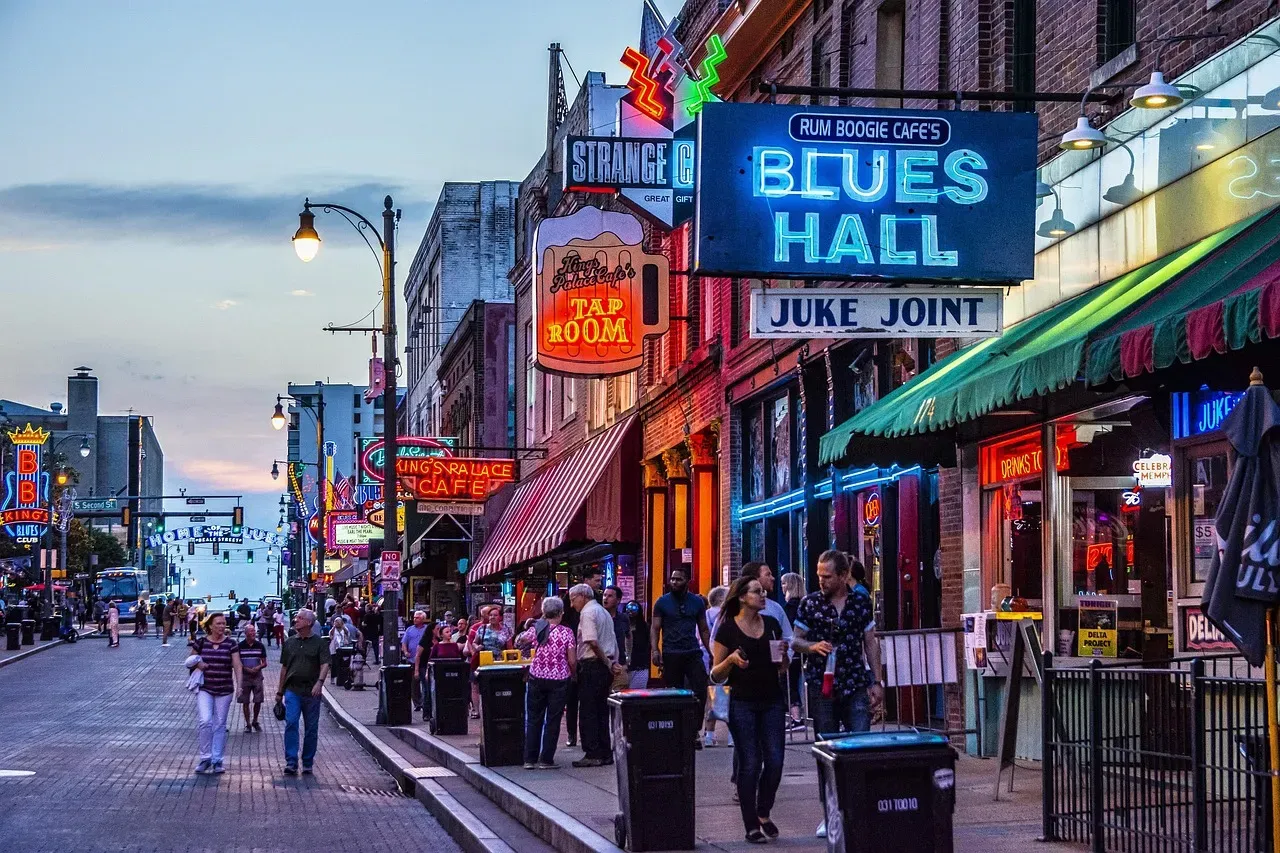
Memphis is where so many blues, soul, and rock ‘n’ roll greats got their start, but our list of music legends continues to grow every single day. The city’s legendary status isn’t just history anymore. The Memphis in May Beale Street Music Festival announced its eagerly-awaited 2023 lineup for the festival’s return to Tom Lee Park in Downtown Memphis after a four-year absence. Though the festival faced challenges and took a pause in 2024, Memphis remains a living breathing testament to American music.
Walking down Beale Street today, you can still feel the ghosts of every blues musician who ever played there. The street itself has become a pilgrimage site for music lovers worldwide. This year’s edition of the Beale Street Music Festival, May 5-7, 2023, delivers, with a lineup including rock, pop, alternative, R&B, hip hop, indie, folk, reggae, country, and the blues. Memphis refuses to be boxed into one genre, embracing everything its musical history has touched.
Conclusion
These cities didn’t just produce music. They created entire musical languages that changed how the world sounds. From Nashville’s country infrastructure to Seattle’s grunge authenticity, from New Orleans’ jazz foundations to Detroit’s Motown assembly line, each city offered unique conditions that allowed musical revolutions to flourish. Economic circumstances, cultural mixing, technological changes, and pure creative energy combined in different ways to birth new sounds.
What’s remarkable is that these cities continue evolving their musical identities even today. Nashville restructures major labels, Memphis celebrates its heritage while nurturing new talent, and Detroit bounces back with renewed cultural energy. The story isn’t finished. New musical revolutions are brewing in these cities right now, shaped by artists we haven’t heard yet, creating sounds we can’t yet imagine. Which city do you think will birth the next major musical movement?