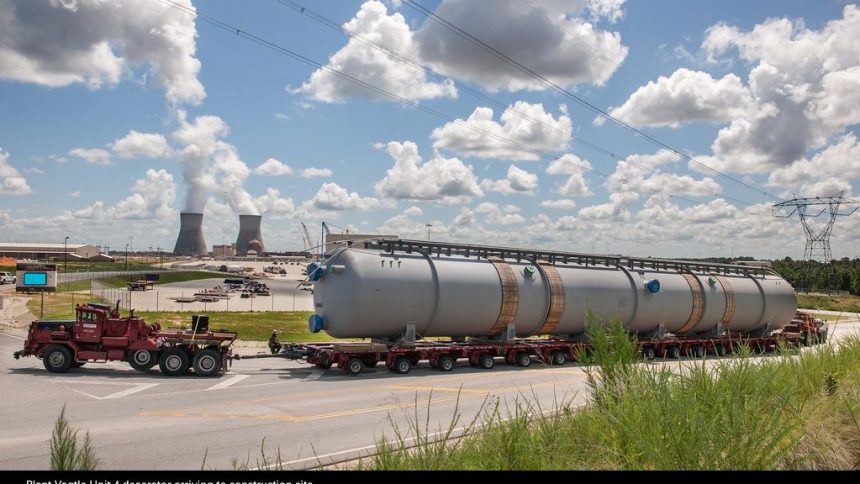

Two Years After Completion, Plant Vogtle Still Looms Over the Nuclear Debate – Image for illustrative purposes only (Image credits: Flickr)
States across the country are once again examining nuclear power as a source of steady, low-emission electricity. In Georgia the picture looks more complicated. Two years after the newest reactors at Plant Vogtle entered service, residents continue to shoulder the project’s expenses while questioning whether the promised returns have materialized.
The Financial Weight of Completion
The Vogtle expansion stands as the most expensive power project ever built in the United States. Construction delays stretched over more than a decade and drove costs far beyond initial estimates. Those overruns now appear on monthly bills for Georgia Power customers, who are still repaying the debt incurred to finish the work.
Utility regulators approved rate increases tied directly to the project, and those charges have not disappeared with the reactors coming online. The result is a steady reminder that large-scale nuclear builds carry long-term economic consequences that extend well past the ribbon-cutting ceremony.
Local Sentiment and Practical Outcomes
Many Georgians express frustration that the electricity they receive has not improved enough to match the added expense. Reliability has remained steady, yet the higher rates have prompted complaints that the investment has not delivered clear value for everyday households and businesses.
Partner offer
Community discussions often center on whether the same funds could have supported other energy options or efficiency measures. Officials and residents alike note that the project has become a reference point whenever new nuclear proposals surface elsewhere in the country.
Lessons for a Potential National Revival
With several states now weighing their own reactor projects, Georgia’s experience serves as a reference case. Policymakers elsewhere are studying the timeline, cost controls, and customer impacts before committing to similar builds. The Vogtle record shows that even successful completion does not automatically translate into immediate public support or rapid payback.
Advocates for nuclear energy continue to highlight its role in meeting climate goals and providing baseload power. At the same time, the ongoing payments in Georgia illustrate the risks of underestimating construction challenges and the importance of transparent cost planning from the outset.
Key considerations for future projects
- Accurate cost forecasting and contingency planning
- Clear communication with ratepayers about long-term obligations
- Evaluation of alternative low-carbon resources alongside nuclear options
Plant Vogtle therefore remains more than a completed facility. It continues to shape conversations about how the United States can expand nuclear capacity without repeating the same financial strains that have lingered in Georgia.
Partner offer
Planning a trip to Vegas?
Compare hotel rates and show tickets on VEGAS.com.