Vikings Wore Horned Helmets Into Battle

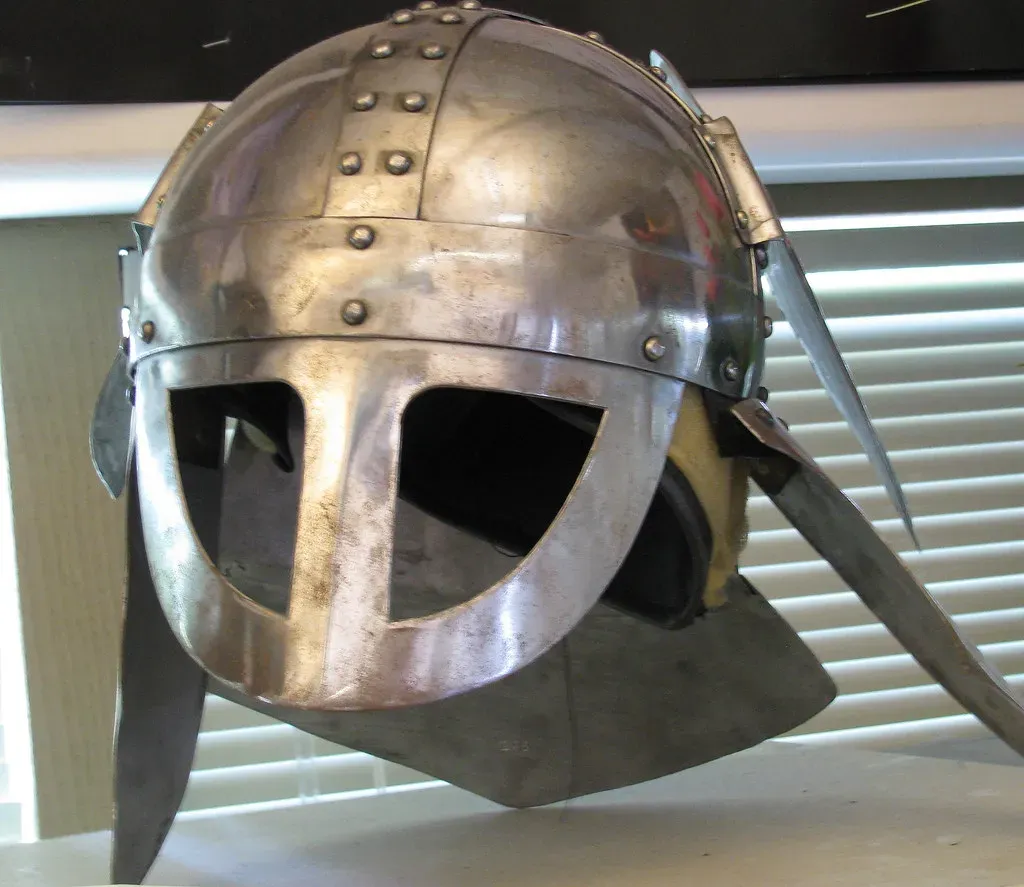
Vikings never wore horned helmets during combat, despite what countless movies and Halloween costumes suggest. Archaeological digs have yet to uncover a single Viking-era helmet decorated with horns. The horned image actually originated in the 1800s, particularly through 19th-century opera costume design and Scandinavian artists who romanticized the raiders. The famous Viksø helmets discovered in Denmark were dated to roughly 900 BCE – nearly 2,000 years before the Viking Age even began.
Napoleon Bonaparte Was Unusually Short

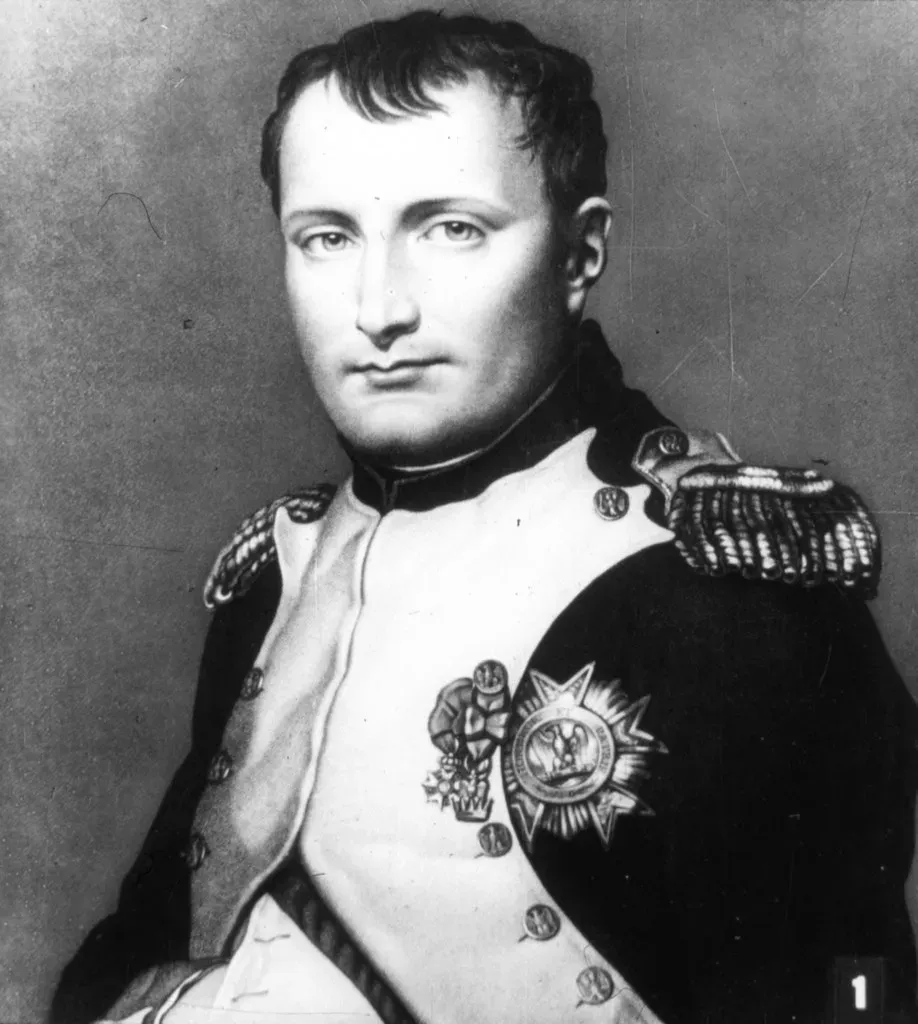
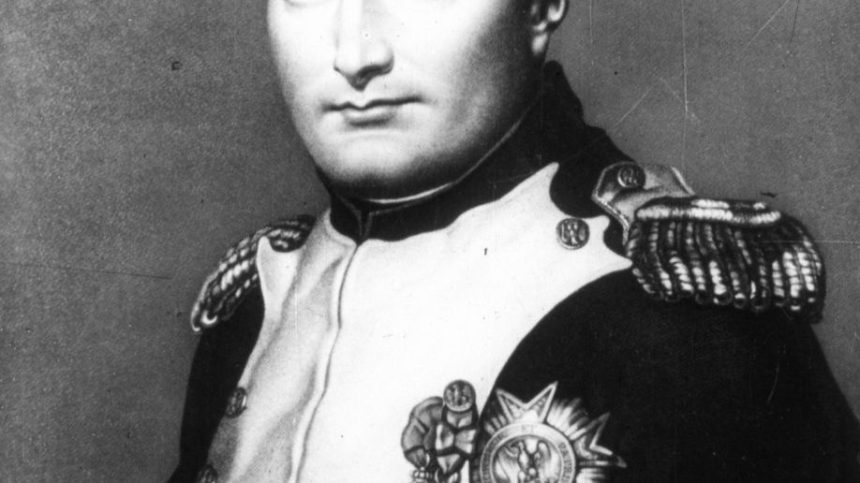
Military records confirm Napoleon stood around 5 feet 6 or 7 inches using modern measurements, which was average or even slightly above average for European men during the early 1800s. The confusion stems from a measurement mix-up between French and British units. His death certificate recorded 5 feet 2 inches in French measurements, which translates to approximately 5 feet 6 or 7 inches in modern imperial units because the 19th-century French inch was longer than the current standard. Napoleon’s tall Imperial Guards made him appear shorter by comparison, as he deliberately surrounded himself with imposing figures.
The Great Wall of China Is Visible From Space


NASA has repeatedly confirmed that the Great Wall isn’t visible from the moon, and is difficult or impossible to see from Earth orbit without high-powered camera lenses. Former NASA astronaut Jeffrey Hoffman, who flew on five space shuttle missions from 1985 to 1996, spent considerable time looking at Earth from space but never saw the wall because its color doesn’t contrast sufficiently with the surrounding ground. Canadian astronaut Chris Hadfield confirmed via Twitter after spending about five months at the International Space Station that the wall is not visible from orbit with the naked eye because it’s too narrow and follows the natural landscape contours and colors.
Medieval People Believed the Earth Was Flat

Greek knowledge of Earth’s sphericity never faded, and all major medieval scholars accepted the planet’s roundness as an established cosmological fact – historian Jeffrey Burton Russell found that scarcely a Christian scholar of the Middle Ages failed to acknowledge this. The flat-Earth error flourished most between 1870 and 1920, arising from ideological struggles over biological evolution rather than actual medieval beliefs. The myth gained currency through inaccurate 19th-century histories by John William Draper and Andrew Dickson White, who propagated fantasy rather than fact in efforts to prove eternal conflict between science and religion. Columbus’s plans to sail west were questioned because the ocean was thought too vast, not because anyone believed Earth was flat.
Marie Antoinette Said “Let Them Eat Cake”


There is no evidence Marie Antoinette ever uttered the phrase, which is now generally regarded as a journalistic cliché. The quote can be traced back to Jean-Jacques Rousseau’s Confessions in 1765, written about a “great princess” when Antoinette was just nine years old and had never been to France. The phrase wasn’t attributed to Antoinette until decades after her death, with the earliest known source connecting the quote to the queen appearing more than 50 years after the French Revolution. Contemporary researchers have found no evidence of the quote in newspapers, pamphlets, and other materials published by the revolutionaries themselves.
Roman Gladiators Received Thumbs-Down Death Signals

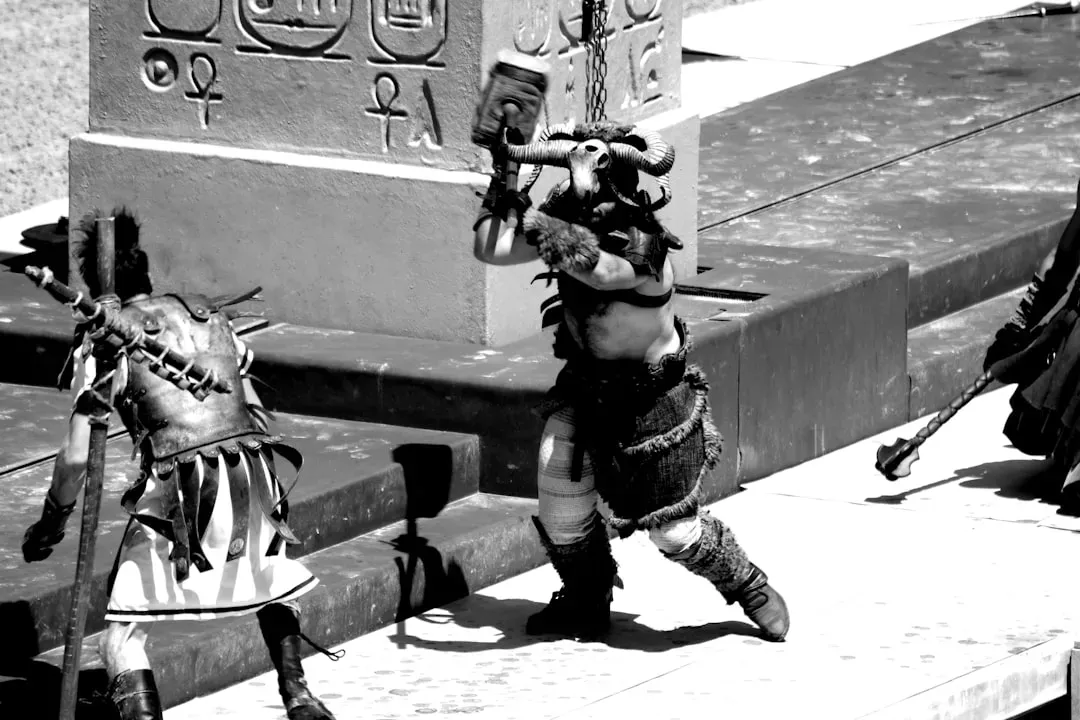
The iconic thumbs-down gesture supposedly signaling death in gladiator contests doesn’t come from ancient Rome at all. Classical studies conducted between 2023 and 2024 explain that historical texts suggest gestures were far more complex and ambiguous than popular culture portrays. The modern thumbs-down image actually originated from 19th-century paintings and later Hollywood films rather than authentic Roman sources. Real gladiatorial contests likely involved different hand signals entirely, though their exact meanings remain debated by scholars today.
Cleopatra Was Ethnically Egyptian

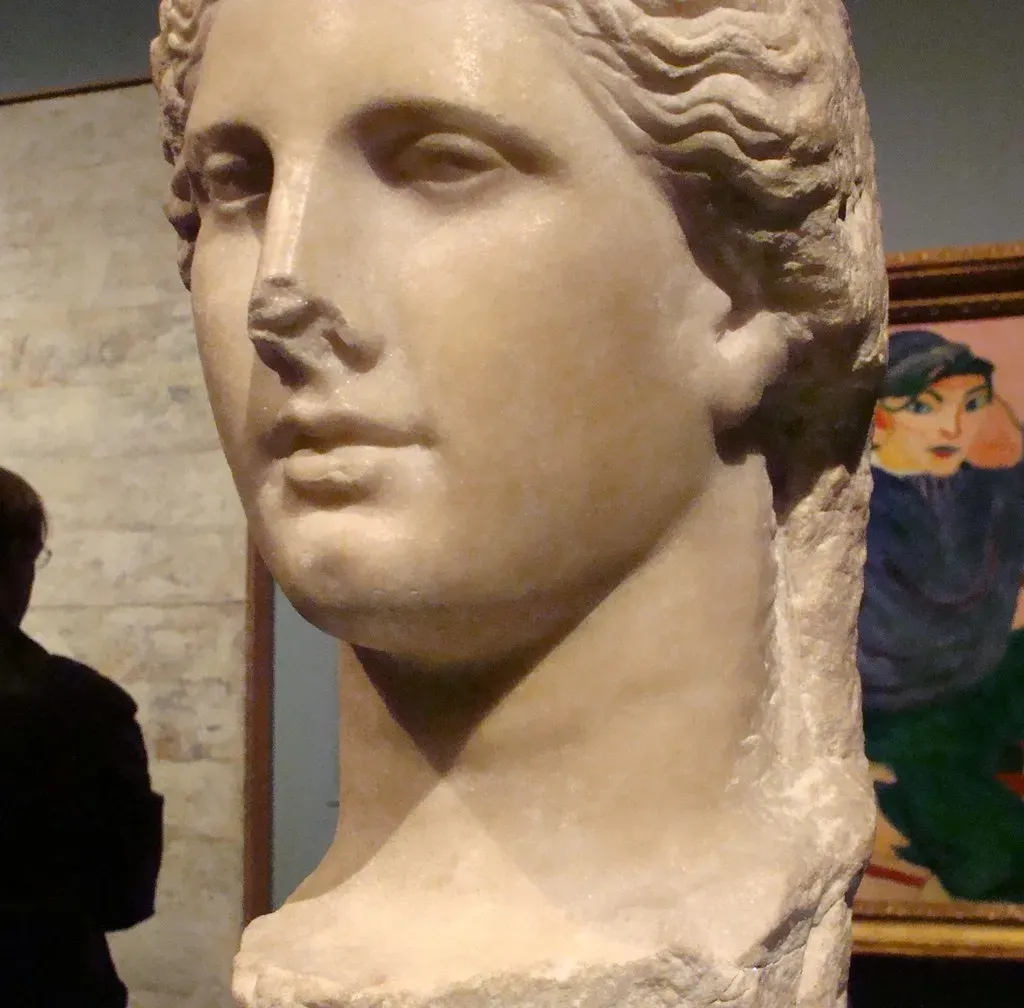
Cleopatra VII belonged to the Macedonian Greek Ptolemaic dynasty, not Egyptian ancestry, as confirmed by modern genetic and historical analysis reaffirmed in 2023 classical history research. Her family descended from Ptolemy I, one of Alexander the Great’s generals who took control of Egypt after Alexander’s death. While Egyptian culture profoundly influenced her rule and she became the first Ptolemaic ruler to learn the Egyptian language, her bloodline remained Greek throughout. She adopted Egyptian customs and imagery for political reasons, cleverly presenting herself as the incarnation of the goddess Isis to her subjects.
Salem Witches Were Burned at the Stake

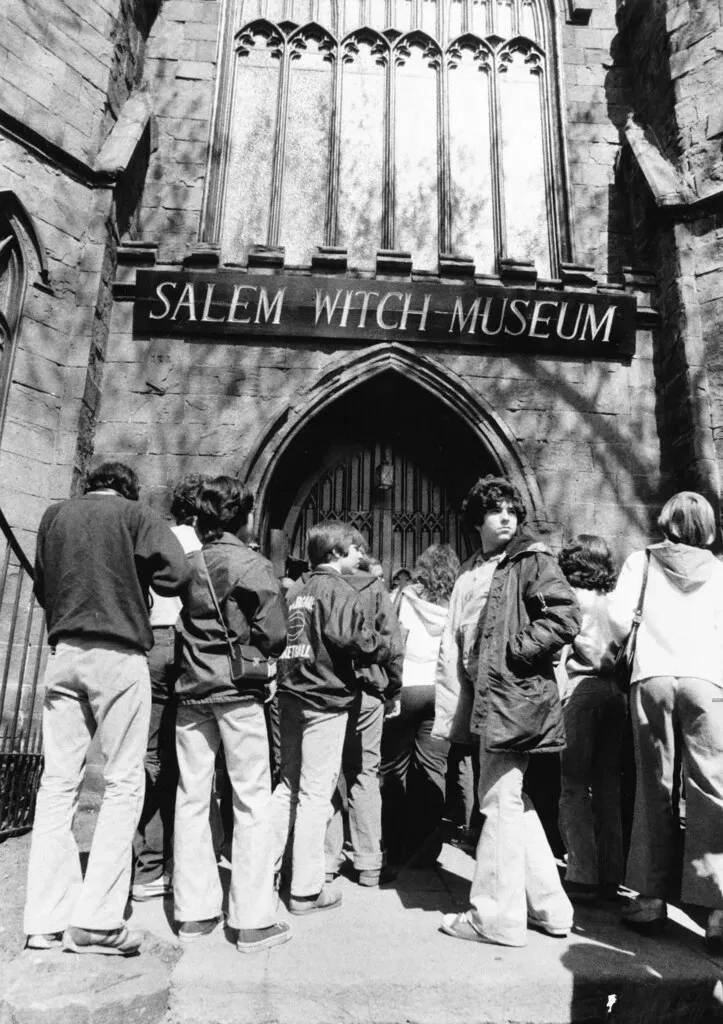
Historical court records from the Salem witch trials confirm that executions were carried out by hanging, not burning – a fact reiterated in updated museum scholarship and academic publications through 2024. Burning witches was more common in parts of Europe, particularly during earlier centuries, but colonial American authorities used different methods. The nineteen people executed during the Salem witch trials of 1692 were hanged, while one man was pressed to death with heavy stones. The burning myth likely arose from confusion with European witch persecutions or misremembered historical narratives passed down over generations.
Partner offer

Spartans Only Trained for Combat


Recent archaeological and social research published between 2023 and 2025 reveals that Spartan society engaged in art, religion, diplomacy, and agriculture alongside their famous military training. The idea of constant combat training oversimplifies what was actually a structured but multifaceted civilization. Spartans produced poetry, music, and religious festivals while maintaining complex political systems and trade relationships with other Greek city-states. Their educational system, the agoge, certainly emphasized physical training and military discipline but also included music, dance, and basic literacy to create well-rounded citizens rather than mere fighting machines.
The Trojan Horse Was a Real Wooden Structure


Modern archaeological interpretations discussed in classical studies journals during 2023 and 2024 suggest the Trojan Horse could represent siege machinery or a metaphor within oral tradition rather than a literal giant wooden horse. There is no direct physical evidence confirming such a structure was ever built or used in warfare. Some scholars propose it might symbolize a siege tower, battering ram, or even an earthquake – since Poseidon, god of horses and earthquakes, was believed to have destroyed Troy’s walls. The story likely evolved through centuries of oral storytelling before Homer wrote it down.
Christopher Columbus Proved Earth Was Round

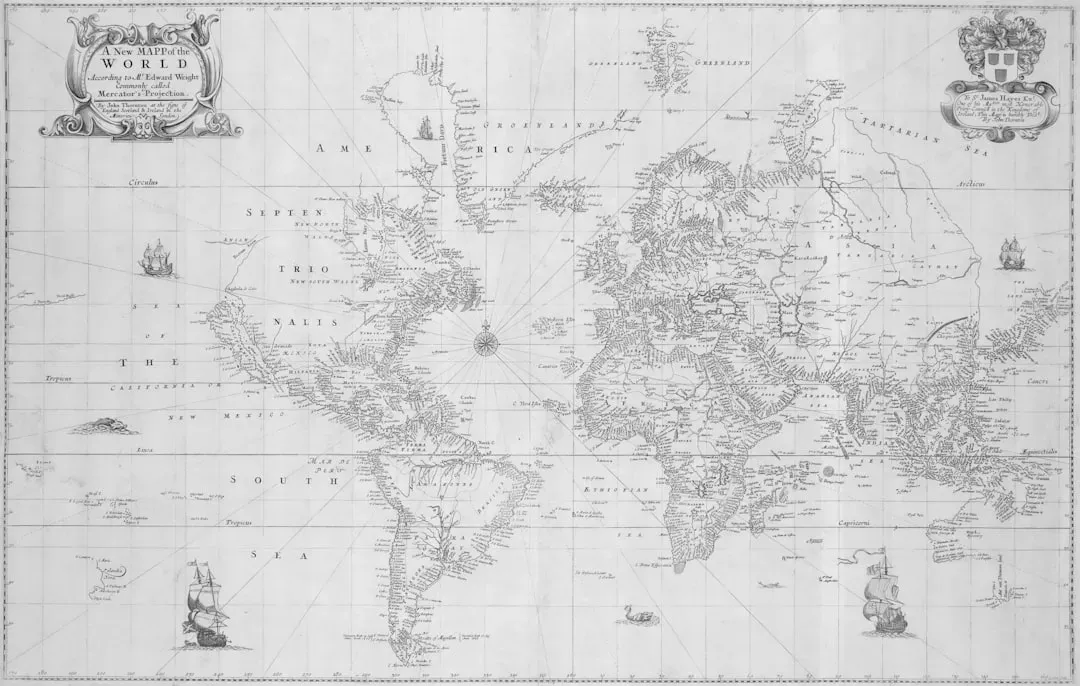
Columbus never set out to prove Earth’s shape because educated people already knew the planet was spherical. His actual dispute with Spanish authorities concerned Earth’s size and the width of the Atlantic Ocean. Columbus believed the distance from Spain to Asia was much shorter than it actually was, while his critics correctly argued the journey would be impossibly long. He got incredibly lucky that the Americas stood between Europe and Asia, providing landfall before his crew would have perished from starvation and thirst on the open ocean.
Albert Einstein Failed Mathematics in School


Einstein excelled at mathematics throughout his education, mastering calculus by age fifteen. This myth apparently originated from a misunderstanding of the Swiss grading system, where a 6 was the highest mark rather than the lowest. When Ripley’s Believe It or Not published a column stating Einstein failed mathematics, the physicist himself responded, clarifying that he had in fact never failed math and had mastered differential and integral calculus before age fifteen. The myth persists because people find it comforting to imagine that even geniuses struggled with basic subjects.
George Washington Had Wooden Teeth

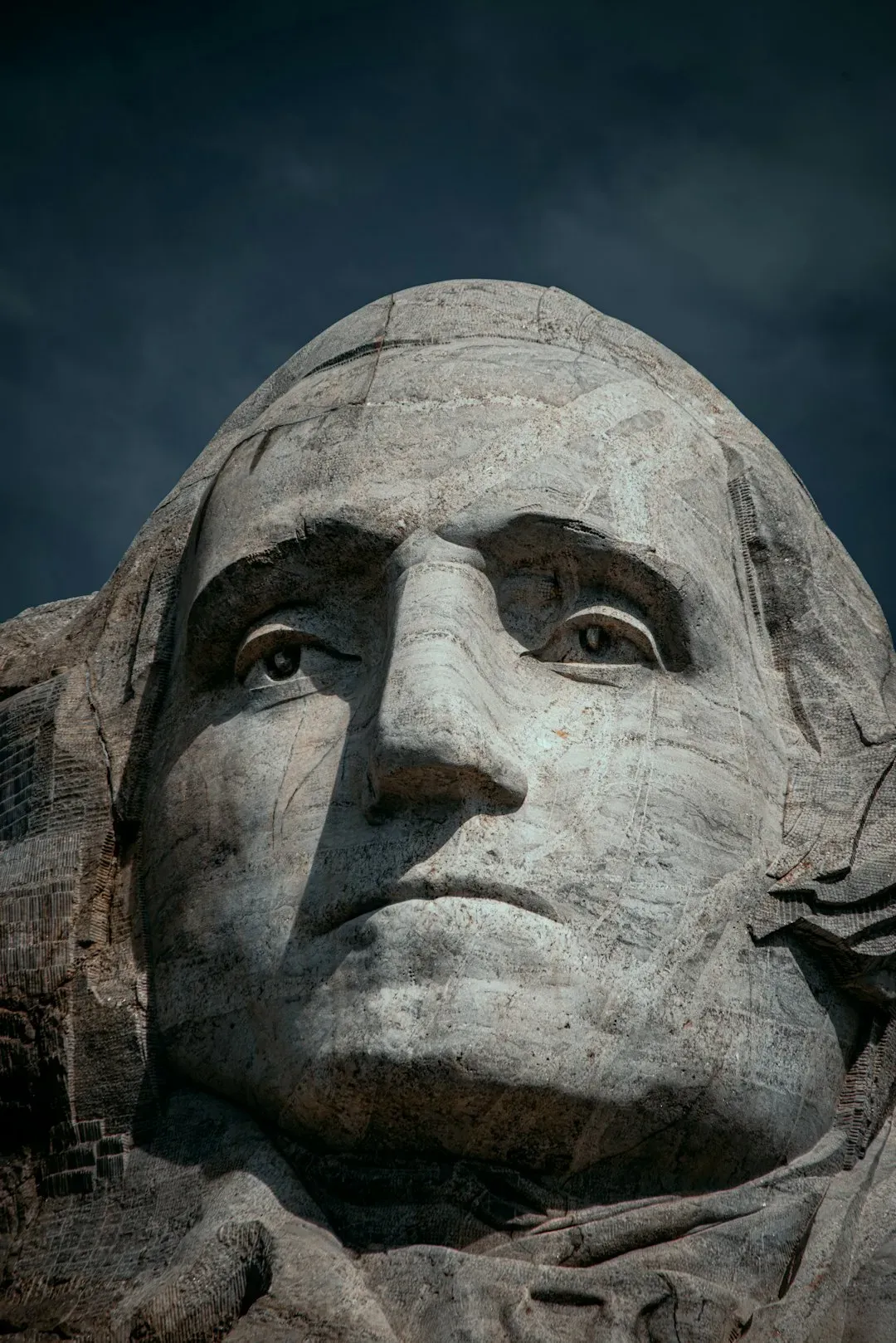
Washington’s dentures were constructed from materials including ivory, gold, lead, and even human teeth – but never wood. His dental problems began early in life, and by the time he became president, he retained only one natural tooth. Multiple sets of dentures were crafted for him throughout his lifetime using various materials sourced from hippopotamus ivory, horse and donkey teeth, and teeth purchased from enslaved people. The wooden teeth myth likely arose from the ivory discoloring over time, creating a wood-grain appearance when the dentures were preserved and displayed in museums.
Thomas Edison Invented the Light Bulb


Edison improved and commercialized the light bulb but didn’t invent it from scratch. At least twenty-two other inventors developed various forms of incandescent lighting before Edison filed his patent. British inventors like Humphry Davy and Joseph Swan created working electric lights decades earlier, and Swan even lit his home with electric bulbs before Edison’s breakthroughs. Edison’s true genius lay in developing a practical, long-lasting filament and creating the entire electrical distribution system needed to make electric lighting commercially viable for homes and businesses.
Van Gogh Cut Off His Entire Ear

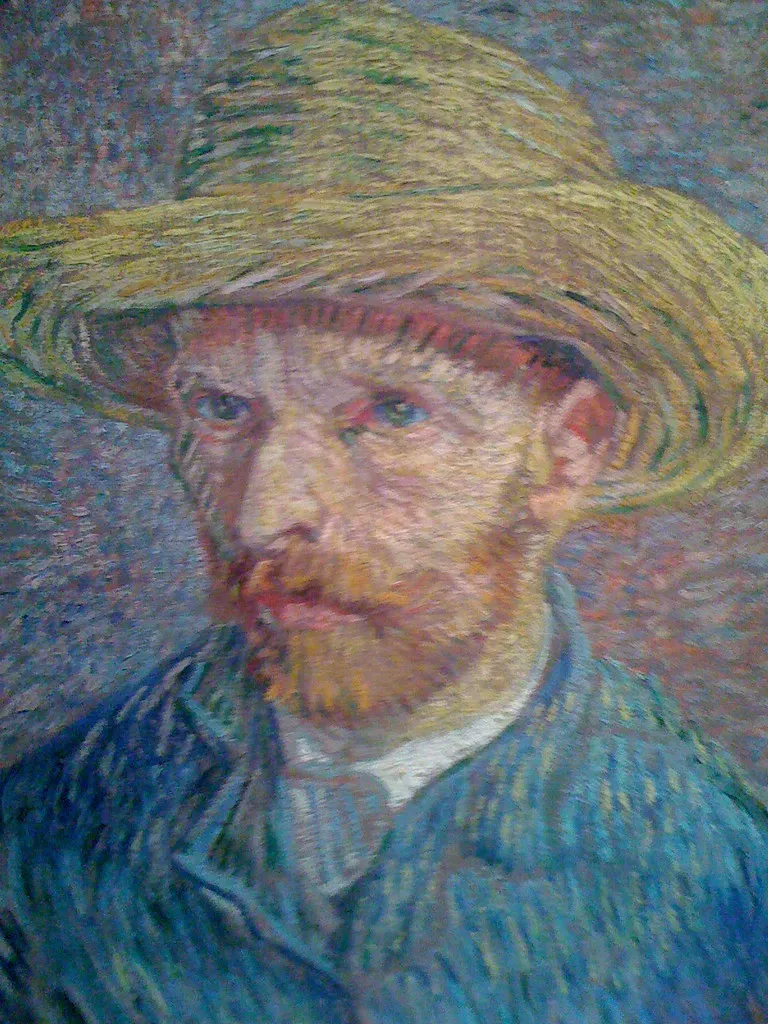
Vincent van Gogh severed only a portion of his ear lobe, not the entire ear, during a mental health crisis in December 1888. Contemporary accounts and medical records indicate he removed just part of the lower lobe with a razor. The incident occurred after an argument with fellow artist Paul Gauguin in Arles, France. Van Gogh then wrapped the severed piece in newspaper and delivered it to a local woman. The exaggeration of this story over time transformed a partial ear injury into the complete removal that’s now commonly believed, making the incident seem even more dramatic than it actually was.
Partner offer
Planning a trip to Vegas?
Compare hotel rates and show tickets on VEGAS.com.