


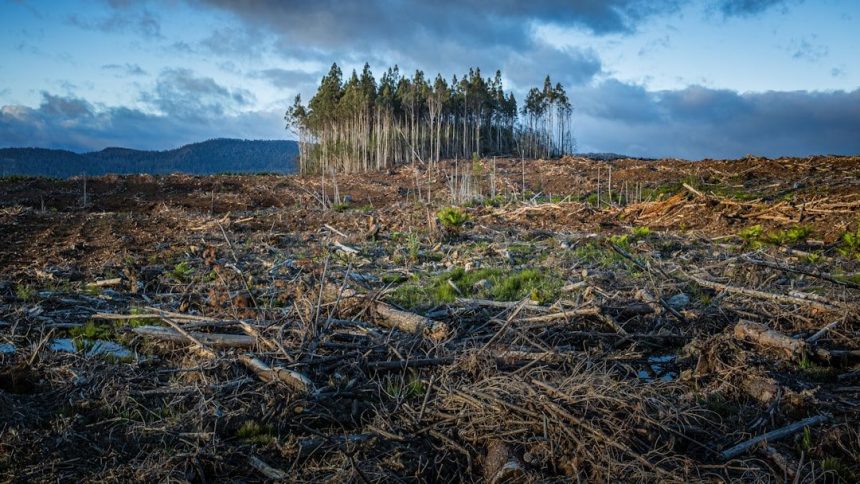


Seasonal patterns that farmers trusted for generations have suddenly turned unpredictable – Image for illustrative purposes only (Image credits: Unsplash)
Farmers who once planned their seasons around predictable cycles now watch those patterns dissolve. Intense rains arrive at the wrong times, extreme heat scorches fields that should be thriving, and pests multiply without the natural checks that once kept them in balance. The result is widespread crop loss that reaches across continents and threatens the steady supply of food people have long taken for granted.
Seasons Lose Their Familiar Shape
Planting windows that once opened and closed like clockwork now shift without warning. What used to be a reliable spring rain can turn into weeks of flooding that drown young seedlings. In other regions, the same calendar month brings drought instead of the moisture crops require to set fruit or grain.
These changes leave growers guessing at every step. Decisions about when to sow, irrigate, or harvest must be made with far less certainty than before. The accumulated knowledge passed down through families no longer matches the conditions outside the door.
Crops Face Multiple Fronts of Damage
Excessive rainfall can rot roots and wash away topsoil before plants have a chance to establish. Prolonged heat waves stress even hardy varieties, reducing yields and lowering the nutritional value of what does survive. At the same time, insects and diseases that once died back in cooler months now persist year-round, overwhelming fields that lack previous defenses.
The combined pressure leaves little margin for recovery. A single season of these overlapping stresses can erase months of careful work and investment. Many producers report watching entire plantings fail in ways that feel both sudden and relentless.
Climate Patterns Drive the Disruption
Scientists link the new extremes directly to broader shifts in global weather systems. Warmer temperatures alter rainfall distribution and extend the active periods for many pests. The same forces that scramble seasonal timing also intensify storms and heat events that hit agricultural regions hardest.
These changes are not isolated events. They appear in reports from multiple growing zones at once, suggesting a systemic alteration rather than local anomalies. The pace of the shift has outstripped the ability of many traditional practices to adapt in real time.
Looking Ahead at Food Supplies
The immediate losses already affect markets and prices in connected regions. Longer term, continued disruption raises questions about how quickly new crop varieties or adjusted calendars can close the gap. Growers and researchers alike are testing approaches that might restore some stability, yet the underlying weather volatility remains the dominant factor.
Communities that depend on steady harvests now confront the need for faster adjustments than any previous generation faced. The question is no longer whether change is coming, but how agriculture will reorganize around conditions that no longer follow the old rules.


