When a film wraps, the sets come down quickly. The costumes take longer to sort out, because each rack holds decisions about money, storage space and sometimes history.
What gets kept depends on who owns the clothes, how much they could earn again, and whether anyone thinks they matter beyond the movie. The answers vary a lot from one production to the next.
The Studio Decides, Not the Designer


The costume designer shapes the wardrobe, but the choice about its future usually belongs to others. After a movie finishes production, the studio and producers determine what they want to do with the costumes. That is a business call as much as a creative one.
Ownership matters here. Some wardrobe belongs to the studio, while other pieces are rented from outside costume houses and have to go back. Small productions often work differently again, since actors and crew may supply their own clothes and simply take them home.
Reusable Stock Goes Back on the Rack

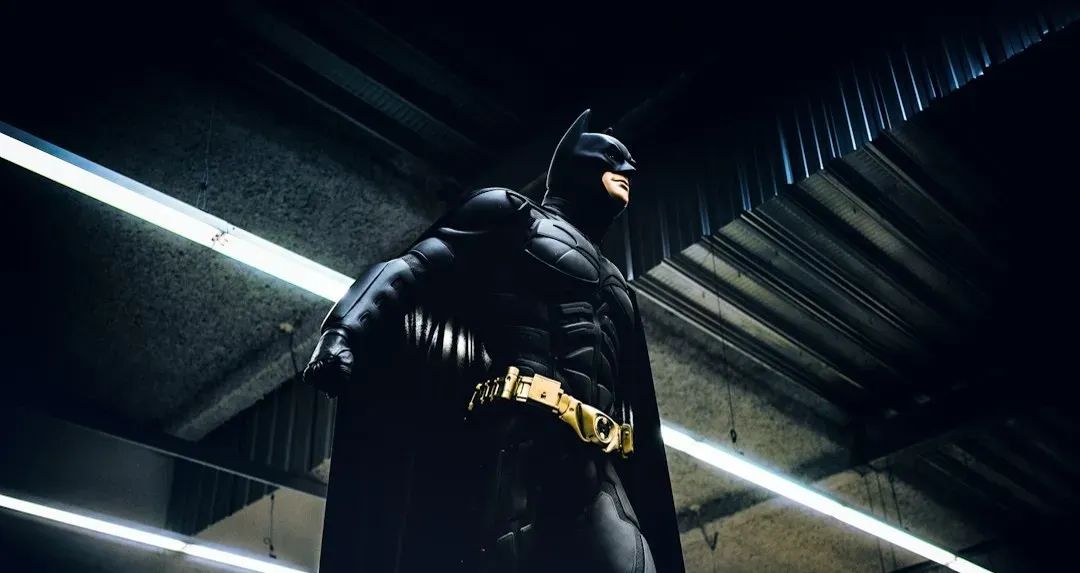
The most common outcome is also the least glamorous. Most costumes are recycled for future use in other movies and television productions. A well made coat or uniform can appear in several projects over the years.
Large studios run their own rental operations for this reason. Sony Pictures keeps a selection of costumes for rent by other production companies, stored in two locations in Los Angeles. Everyday and period pieces tend to be the most useful.
Warehouses for Period Looks

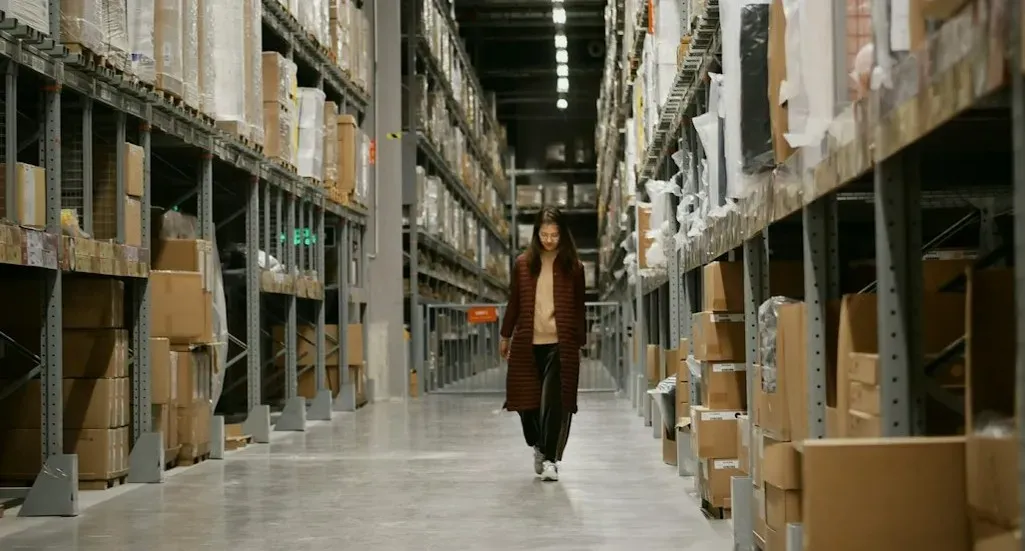
Costume warehouses are practical for productions that need many outfits quickly. Movies backed by large production companies usually rely on warehouses that hold pieces from past sets that can be reused. That saves time and cuts down on buying new fabric.
Designers have pointed to the sustainability benefit too. In a 2021 era feature, costume designer Phoenix Mellow was reported as saying that these stocks let anyone assemble a full look for almost any period. Pulling from stock avoids making garments that would otherwise sit unused.
Restoring Rented Pieces


Rented costumes have to come back in the condition they left. The wardrobe supervisor coordinates restoring them, which includes ripping out hems or alterations done for fittings and removing added trim. It is slow, detailed work.
Sometimes the job is bigger than the set wardrobe team can handle. The costumes may then go back to the designer’s or theatre’s shop for laundering and restoration. The supervisor also keeps a complete inventory so that every piece is accounted for.
Duplicates and Damaged Garments

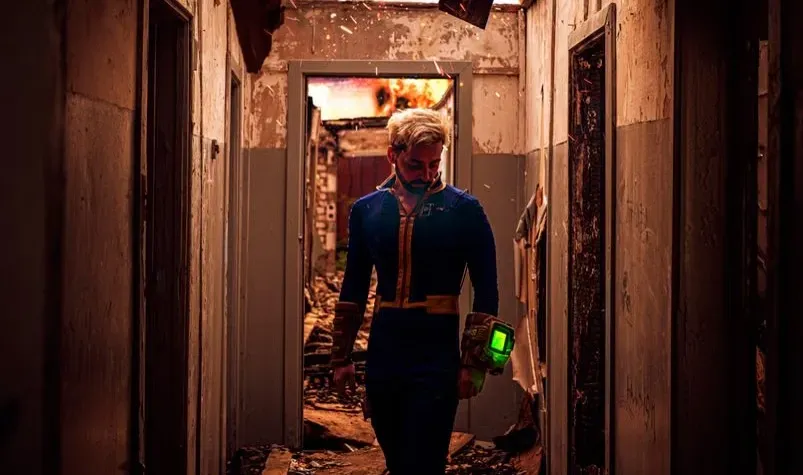
Film costumes are rarely single items. Often, the costume designer will have multiple duplicates of a particular costume. One version may be pristine, while another is built for stunts, water or weather.
Partner offer

After the shoot, those copies lead different lives. Damaged ones can be repaired and reused or kept as references. Some costumes made to look destroyed, such as coats with bullet holes, can become souvenirs, be auctioned as memorabilia, repaired or donated, and repaired winter coats have been donated.
Auctions and Collectors


Certain costumes are worth more as objects than as clothing. Alec Guinness’s brown cloak as Obi-Wan Kenobi in Star Wars sold for one hundred and four thousand dollars at a London auction. That is an older sale, though it shows how far collector demand can go.
Resale also runs through specialist firms. Some costumes are resold through companies that buy inventory from other collectors, retired film personnel or their estates. Not everything reaches a prestigious sale, and a good deal of it ends up in private hands.
Museums and Archives

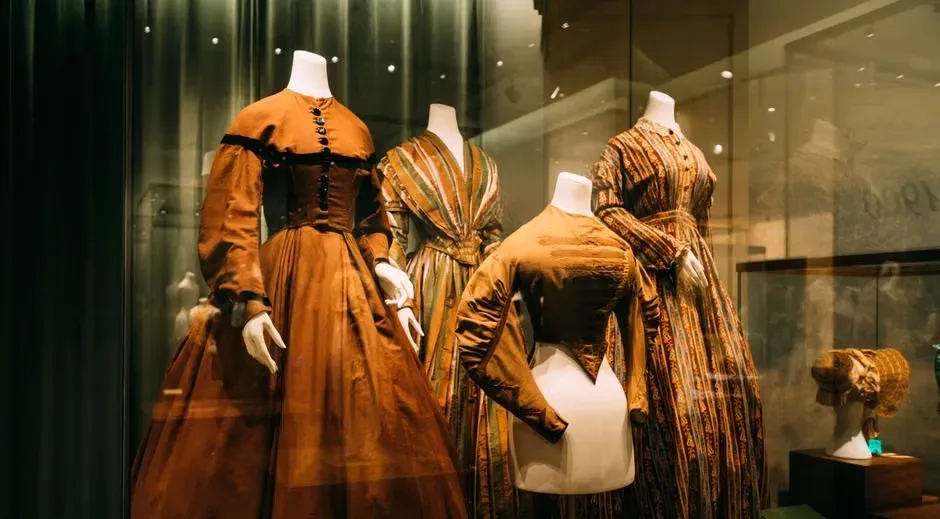
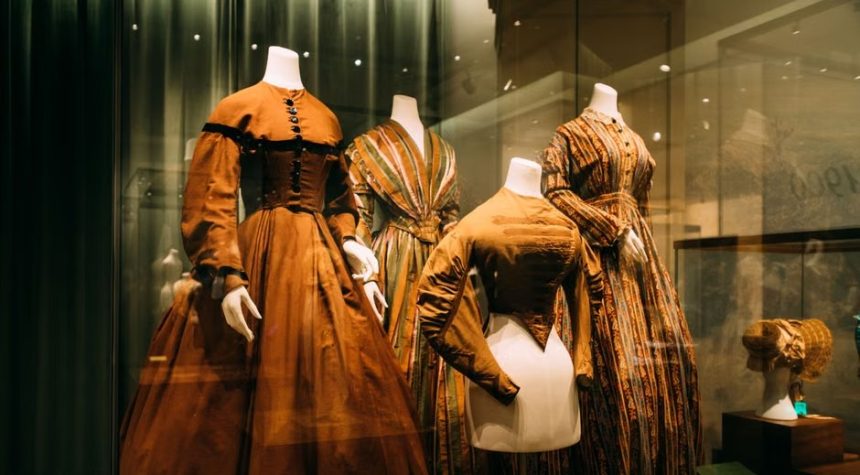
A small number of costumes are treated as cultural material. On special occasions, costumes get archived, especially if they are determined to be of particular significance. Those pieces need cleaning and restoration suited to old or fragile fabric.
Museums, including the Smithsonian, may take garments from historically significant films or ones tied to a particular actor. This was not always the practice. Film costumes were once seen as work product with little importance after production.
Why Early Studio Wardrobes Suffered

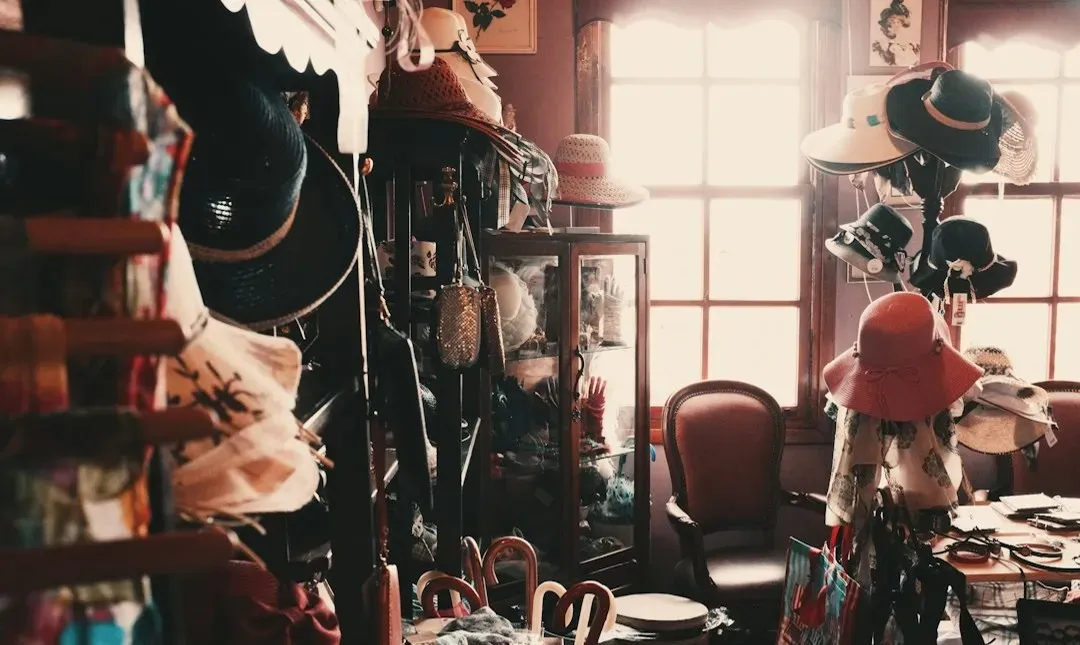
Classic Hollywood shows what happens without archival thinking. Costumes went into storage to be used again and again, often on secondary or background characters. Re-cutting them for new films was normal.
Storage was also poor. Some were kept in unused sound stages or temporary buildings. Fabrics were sometimes damaged by the film itself, as with fine swimsuits made for a heavily chlorinated pool.
Modern Productions and Waste

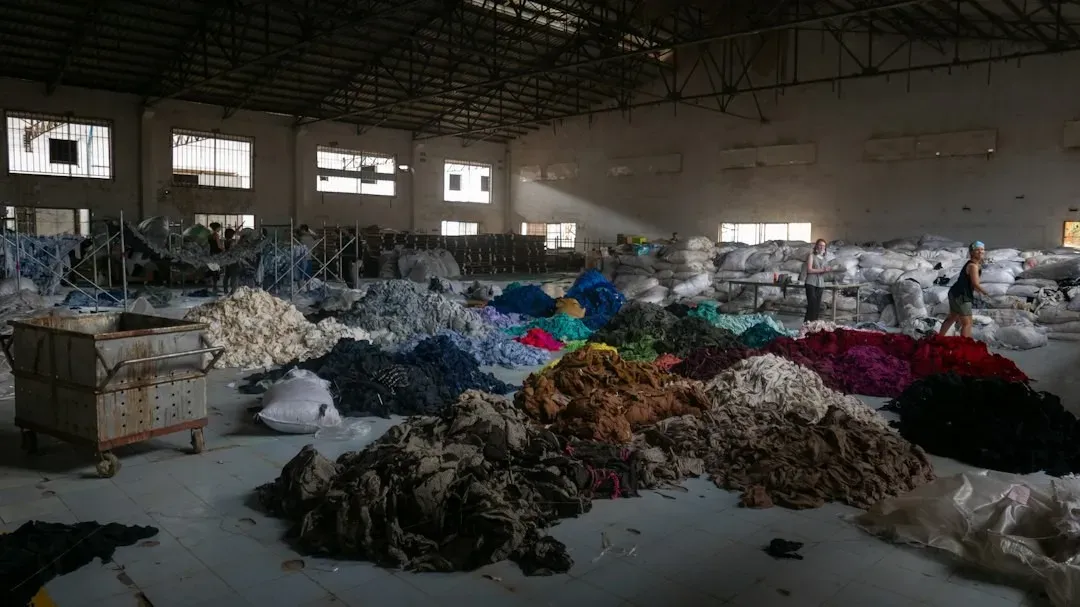
Fashion waste is a real concern in the modern industry. A 2021 Refinery29 piece estimated that Hollywood sends over two and a half million garments into limbo after wrap, though that figure comes from a rough calculation rather than an industry count. It also noted a lack of universal standards for costume sustainability.
Contemporary shows often buy fast fashion for extras because it is cheap and quick. Departments buy in bulk when sizes are unknown, and returned items are sometimes never restocked, being thrown away or burned. Warehouses, resale and donation are the main alternatives to that outcome.
What Usually Stays Behind

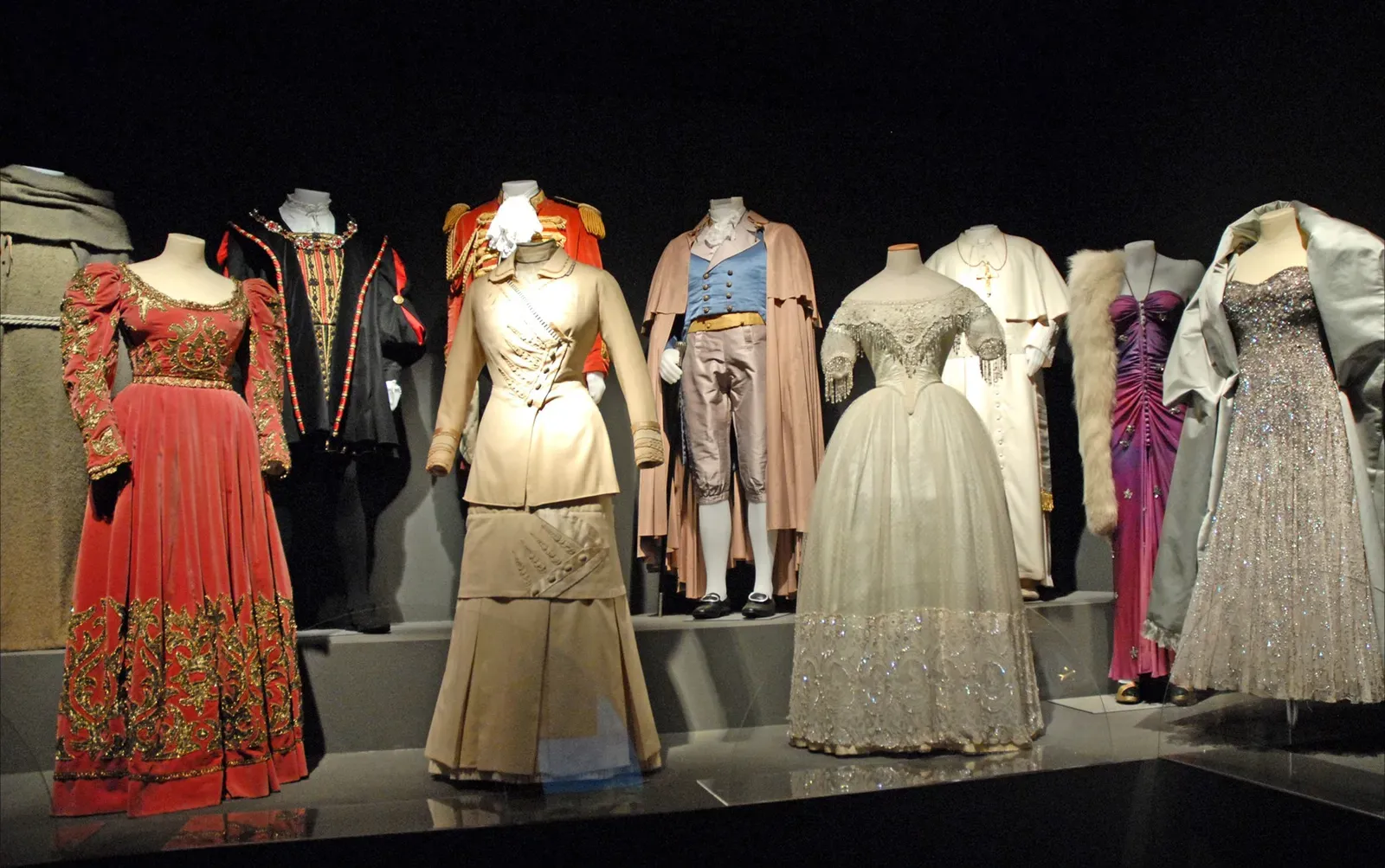
In practice, the department keeps what can work again: sturdy basics, period pieces, duplicates and records of what was used. Studio owned stock stays in storage for rental, while rented items return to their suppliers.
The rare garments with proven value or historic weight move to auction houses, collectors, museums or archives. Everything else is repaired, donated, sold or discarded.
Partner offer
Planning a trip to Vegas?
Compare hotel rates and show tickets on VEGAS.com.