
Every year, millions of books compete for readers’ attention, shelf space, and word-of-mouth buzz. Yet only a tiny fraction ever break through. Over 3 million books are published each year, and very few are read widely – fewer than 500 make it to the New York Times bestseller lists. So what separates a blockbuster from the rest? The answer isn’t one magic ingredient. It’s a combination of craft, timing, emotion, and increasingly, the ecosystems in which books are discovered. Looking closely at the data from 2024 and 2025, patterns emerge – and they’re more fascinating than most readers realize.
A Market That Keeps Growing


The U.S. publishing industry generated $32.5 billion in 2024, with consumer trade books making up $21.2 billion of that total – a 4.4% increase from the previous year. The global picture is equally strong. The global books market was valued at approximately $144.67 billion in 2023 and is expected to grow at a compound annual growth rate of 1.8% from 2024 to 2030, with North America remaining the largest regional market, contributing over a third of global revenues. This matters because bestsellers don’t emerge from a shrinking industry – they ride a wave of genuine, sustained reader appetite.
U.S. print book market annual unit sales grew 1% in 2024, marking a return to growth following two years of consecutive declines. Print book sales in the United States reached 783 million units that year. The recovery wasn’t uniform across every category – but it was clear enough to signal one thing: when the right book lands at the right moment, people still buy. That’s the foundation on which every bestseller is built.
Genre Matters More Than Ever


Adult fiction drove the gains in 2024, led by fantasy, thrillers, and romance, with fiction print sales growing 9.5 million units. Romance and fantasy – especially the genre-blending hybrid known as “romantasy” – have become the dominant force in commercial publishing. In 2024, Publishers Weekly reported that romance and fantasy genres rose by 9% and 35.8% respectively in the U.S. – both categories that dominate BookTok. These numbers aren’t coincidental; they reflect how deeply genre loyalty shapes buying behavior.
When authors ask what book genre sells the most, the answer remains romance – but 2025’s surprise contenders are romantic and genre hybrids that blend multiple reader appeals, outperforming single genres by 30–40% in sales. Mystery and thriller genres generate roughly $728 million yearly by tapping into readers’ love of puzzles and adrenaline. The clearest takeaway is this: readers who love a genre don’t dabble in it – they devour it. Bestsellers almost always give loyal genre audiences exactly what they came for, while adding just enough novelty to feel fresh.
Series and Sequels Dominate the Lists


In adult fiction, series and sequels dominate, underscoring the enduring appeal of established franchises. The data from 2024’s top-selling books confirms this with striking clarity. Kristin Hannah’s The Women sold 1.5 million copies, Sarah J. Maas’s A Court of Thorns and Roses sold 1.3 million, Rebecca Yarros’s Iron Flame sold 877,000 copies, Fourth Wing sold 810,000, and Maas’s A Court of Mist and Fury sold 791,000 – all entries in ongoing series. Readers who fall in love with a world don’t want to leave it.
Sequels generate roughly 34% higher sales than standalone titles, according to NPD BookScan data. The average fantasy reader buys seven books per year from the same universe. This reader loyalty is something publishers actively seek out during acquisition decisions, and it explains why debut authors often struggle to reach the same sales peaks as established names with multi-book franchises. The bestseller list isn’t just a popularity contest – it rewards commitment from both sides of the page.
Partner offer

The Backlist Power Nobody Talks About

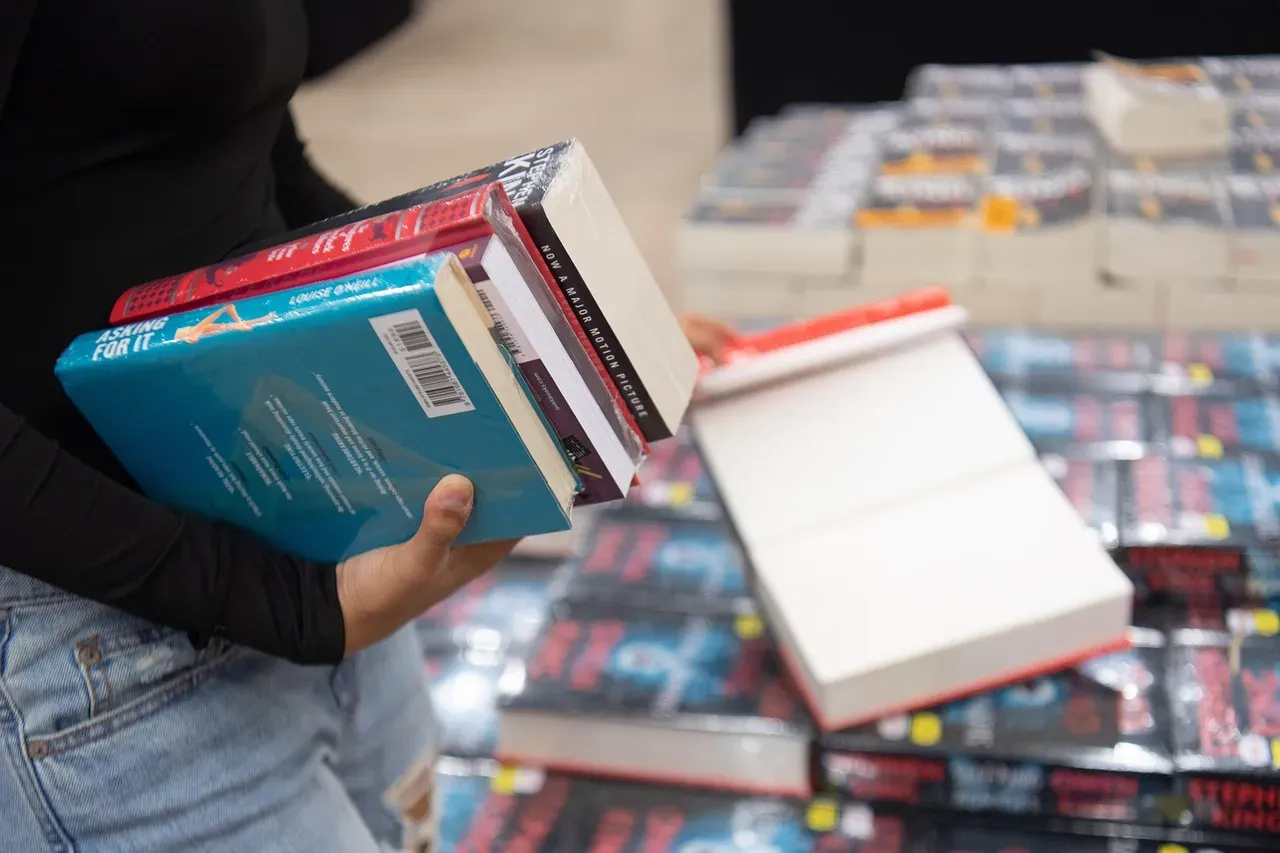
Only about 29% of the 200 bestselling books of 2024 were actually published that year – the rest were backlist titles. That statistic upends the common assumption that bestsellers are always fresh releases. Backlist now constitutes 81% of all publisher revenue – a dramatic shift from when that number sat around 40% a couple of decades ago. Perennial sellers are more important to the publishing economy than most casual observers realize.
The reasons backlist books resurface as bestsellers are increasingly tied to cultural moments and online conversation. Originally published in 2016, Colleen Hoover’s romance novel It Ends With Us initially met with success but was later forgotten – only to enjoy a dramatic surge in popularity due to attention on BookTok. The most frequent weekly bestseller of 2024 was The Women by Kristin Hannah with 10 weeks at the top of the list, followed by Fourth Wing by Rebecca Yarros with 6 weeks. A book’s commercial life, it turns out, can stretch far beyond its original publication date when the cultural conditions are right.
BookTok: The New Gatekeeper

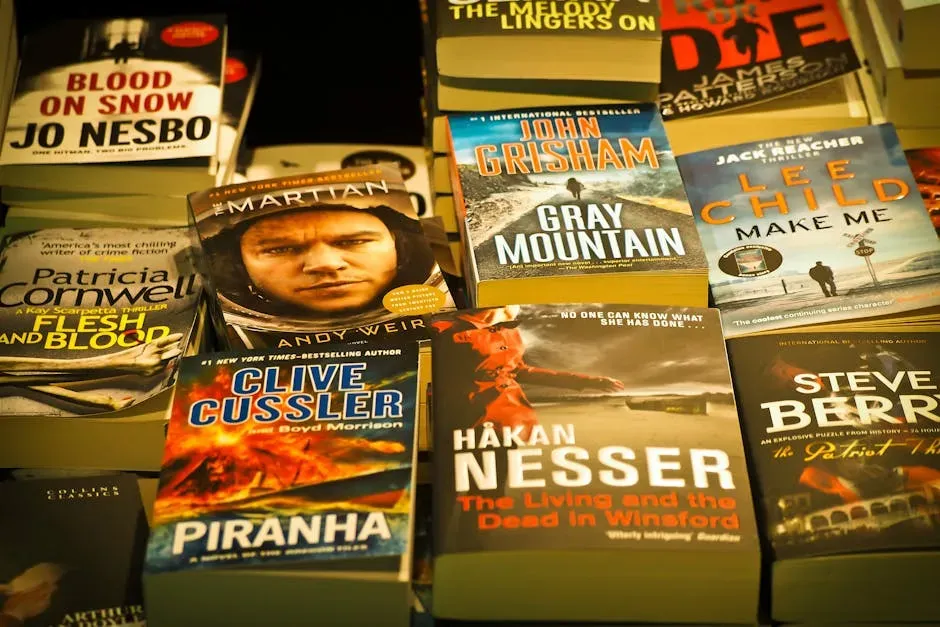
In 2024 alone, BookTok-driven demand helped generate 59 million print book sales, contributing to an estimated $760+ million in U.S. revenue tied to TikTok-discovered titles. As of 2025, BookTok has surpassed 370 billion total views, with more than 52 to 63 million videos created under the hashtag. This is no longer a fringe phenomenon – it is one of the most powerful commercial engines in publishing today, and its influence on what becomes a bestseller cannot be overstated.
BookTok is a key factor in the discovery and amplification of fiction sales, with BookTok author sales growing nearly 20% versus 2023 – marking the fifth consecutive year of growth for this key segment. According to Nielsen research, the TikTok community BookTok plays a key role in driving fiction genres, bringing attention to authors such as Freida McFadden, Rebecca Yarros, and Colleen Hoover. Publishers have taken notice. Editors now monitor BookTok hashtags and TikTok analytics to spot breakout trends early, and publishers now court BookTok creators directly, inviting them to press events, cover reveals, and Advanced Reader Copy partnerships.
Emotional Resonance Is the Core Ingredient


A recurring theme in the most successful books is the pursuit of connection – achieved through trusting, cooperating, being truthful and open, and embracing emotions both at home and at work. The books that top bestseller lists year after year are the ones that make readers feel something urgent and real. Central to BookTok’s success are influencers who recommend titles, share opinions, and spark discussions around emotionally engaging stories and memorable characters. It’s not coincidence – emotional intensity is the engine that drives word-of-mouth, and word-of-mouth is what sustains a bestseller long after launch week.
General fiction and biographies make the bestseller lists more often than any other genre books, and fiction writers are more productive than nonfiction writers, commonly achieving bestseller status with multiple books. BookTok users are drawn to specific romance tropes such as “friends-to-lovers,” “forced proximity,” and “enemies-to-lovers,” because these are frameworks that reliably generate emotional investment. Whether it’s a war story like Kristin Hannah’s The Women or a romantasy epic like Fourth Wing, the books readers refuse to put down – and insist their friends read next – are the ones that make them feel most alive inside the story.
Partner offer
Planning a trip to Vegas?
Compare hotel rates and show tickets on VEGAS.com.