Open a film vault at a major archive and you’ll often find that the oldest reels have their own building, set well apart from everything else. The reason is chemical. For roughly the first six decades of cinema, 35mm film was made on a cellulose nitrate base, and that material behaves very differently from the plastic films that replaced it.
Nitrate gave early cinema its sharp, luminous images. It also left archivists with a long-term problem. Preserving these reels takes a mix of fire safety, chemistry, careful handling and, eventually, duplication. Here is how that work is done.
Understanding What Makes Nitrate Different
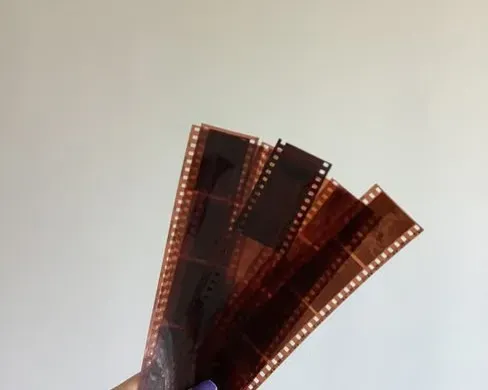
Cellulose nitrate film was the standard base for motion picture film from the late nineteenth century until the early 1950s, when Kodak and other manufacturers moved to safety film. The base is chemically related to guncotton, and it contains its own oxygen. That means it can keep burning even when smothered, and fires involving it are very hard to put out.
Nitrate also decays on its own, whatever its owner does. Heat and humidity speed the process, but they don’t cause it alone. Archivists therefore treat every nitrate reel as both a historical document and a material with a limited life.
Inspecting Reels and Identifying the Film Stock
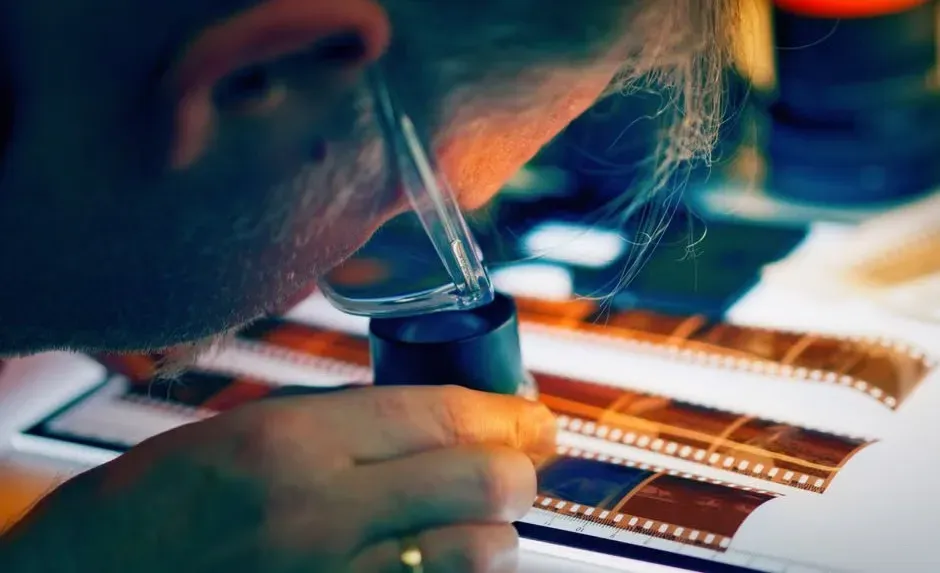
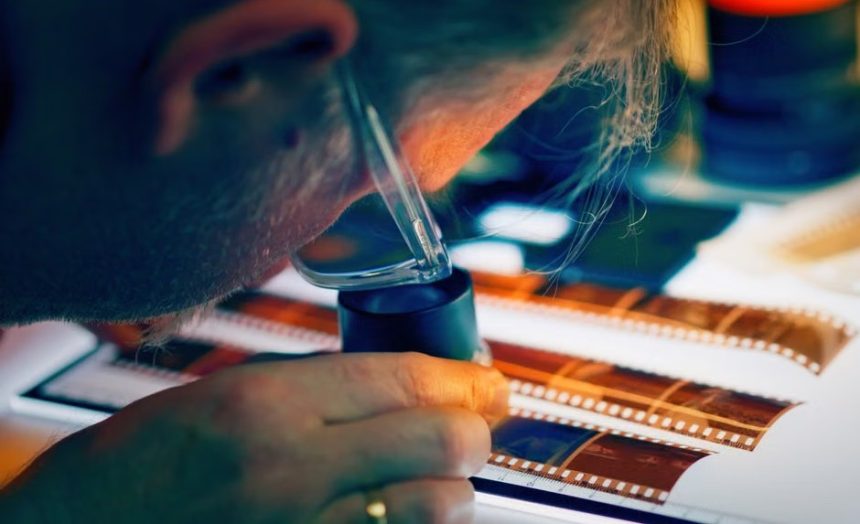
Work begins with a physical inspection, usually done by hand on a bench with rewinds. Archivists check the film for stickiness, odor, brittleness, warping, and any sign of decomposition. Reels that are in good enough shape get cataloged. Those showing damage get flagged for priority treatment.
The edge markings on the film also help. Manufacturers printed edge codes that reveal the stock type and, often, the production year. This lets archivists confirm that a reel really is nitrate, since early safety film can look similar. It also helps them date unlabeled material.
Recognizing the Stages of Decay

Archivists commonly describe nitrate decomposition in five stages. Early signs include a faded, amber-tinted image and a sharp smell. Later the surface becomes sticky and gets blisters, the layers weld together, and eventually the reel turns to a brown powder.
The stage a reel has reached decides what happens to it. Film in the early stages can usually be saved and copied. Once reels have fused into a solid mass, the image is generally gone, and the material becomes a safety hazard.
Building Specialized Storage Vaults
Storage rules for cellulose nitrate film are set out in the NFPA 40 standard in the United States. It covers vault construction, ventilation, fire protection and limits on how much film can be kept in one place. Many institutions go further and keep nitrate in dedicated, fire-rated vaults, sometimes in separate buildings.
Cool temperatures and low humidity slow chemical decay, so climate control is central. Good ventilation matters too, because decaying nitrate gives off gases that can speed up damage in neighboring reels. The Library of Congress runs its Packard Campus in Culpeper, Virginia, with vaults built for this kind of material.
Partner offer
Rehousing Film in Suitable Containers
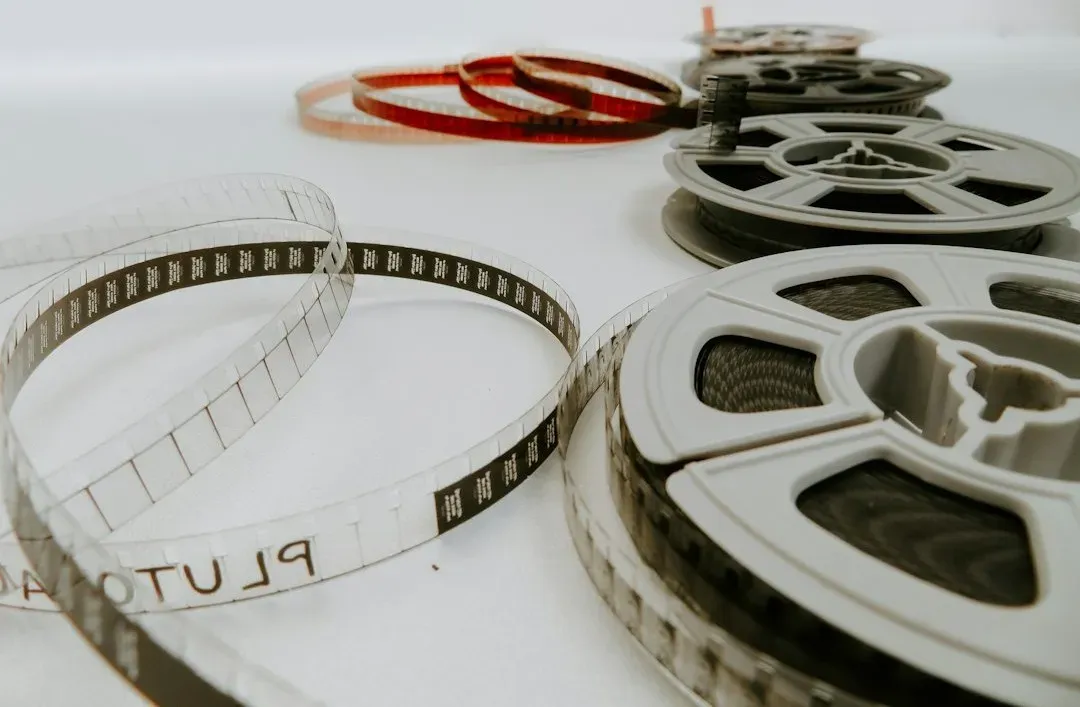
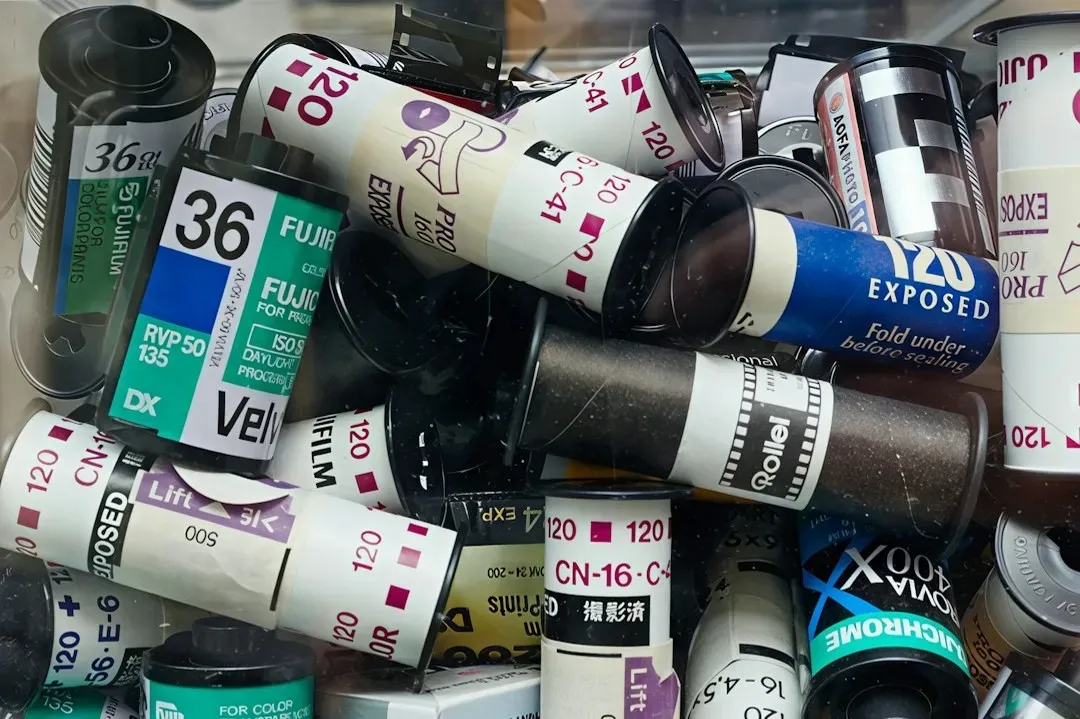
Old reels often arrive in rusted metal cans or sealed tins, which can trap decay gases and speed up deterioration. Archivists move the film into cans or enclosures that allow some air exchange and don’t corrode. They also replace labels and write new inventory records so each reel can be found again.
Reels that are in poor shape are often kept apart from healthy ones. This limits the spread of acidic byproducts. It’s slow and fairly unglamorous work, yet it adds years to a reel’s usable life.
Cleaning and Repairing Before Copying

Before a reel can be duplicated, it often needs physical repair. Technicians mend torn perforations, replace brittle splices and clean away dirt and residue. Nitrate also shrinks over time, so a reel may no longer run smoothly through a standard machine.
For shrunken or warped film, labs use equipment adapted to gentler handling. Wet gate printing, where the film is bathed in a liquid during copying, helps hide small scratches. These steps keep the original from being damaged further during duplication.
Duplicating Nitrate onto Stable Media
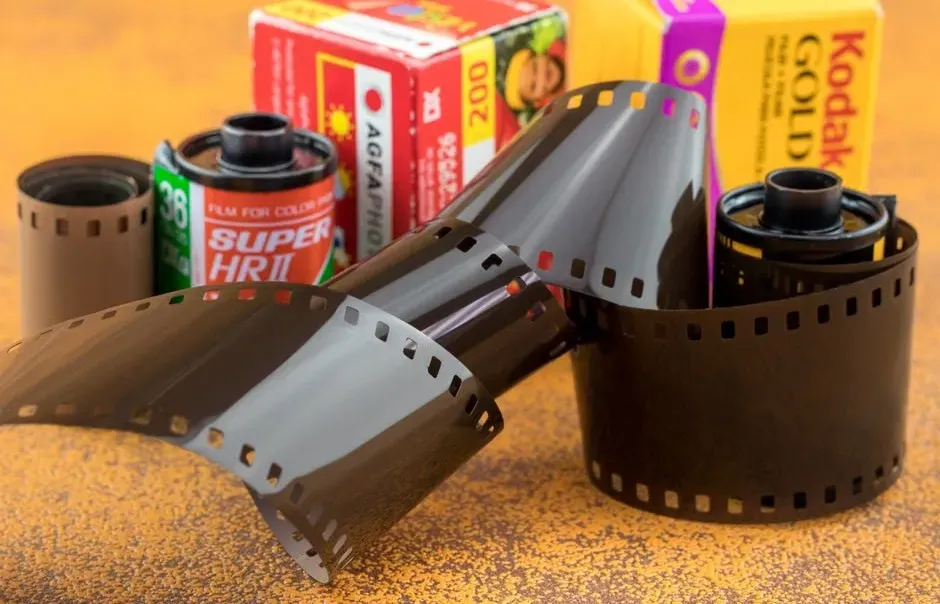
Duplication is the core of long-term preservation. For decades, archives copied nitrate onto polyester safety film, which is far more stable and not flammable in the same way. Many archives now also scan nitrate at high resolution, commonly 4K, to make digital files for access and restoration.
Digital files alone aren’t treated as a permanent answer, since formats and storage systems change. Many archives still make a film copy as a preservation master. The Library of Congress’s 2013 study on silent features found that roughly seven in ten of the American silent films made were lost, which is why this copying work is so urgent.
Screening Nitrate Safely and Disposing of Decayed Reels
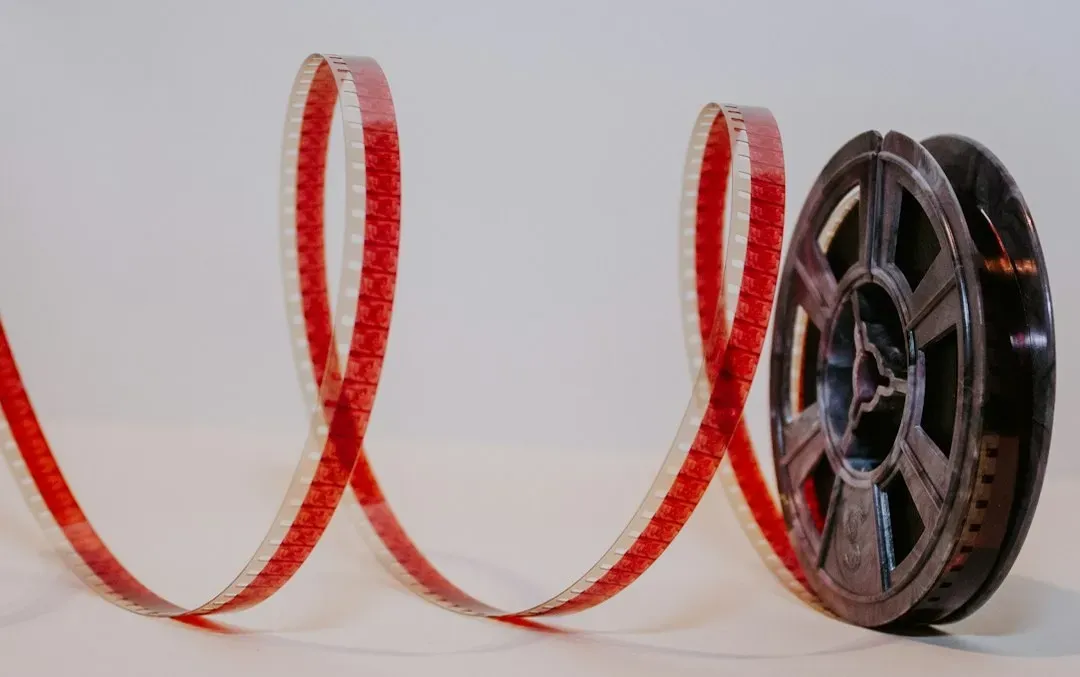
Nitrate can still be projected, but only under strict conditions. The George Eastman Museum in Rochester, New York, has a fireproof projection booth and trained projectionists, and it has hosted the Nitrate Picture Show there since 2015. Such screenings are rare, because the legal and safety requirements are demanding.
Reels that have decayed beyond saving can’t simply be thrown away. Unstable nitrate is a hazardous material, so archives work with qualified waste handlers and follow local fire and environmental regulations. Before disposal, many archives record whatever information they can, such as frame samples or documentation, so the reel’s history isn’t lost with it.
Where Nitrate Preservation Stands Today

Today, nitrate preservation combines old and new methods: regulated vaults, careful inspection, repair, and duplication onto film and digital files. Large collections sit at institutions such as the Library of Congress and the George Eastman Museum. Every reel that gets copied before it decays is one more piece of early cinema that survives.
Partner offer
Planning a trip to Vegas?
Compare hotel rates and show tickets on VEGAS.com.