Most people watch opening credits the way they watch a safety demonstration on a plane. They notice that something is happening and don’t think much more about it. Yet the sequence of names on screen is rarely accidental.
Behind each card there’s usually a clause, and behind each clause there’s usually a negotiation. Reading the order closely can tell you a fair amount about who had leverage and who didn’t.
Card Order Is a Negotiated Structure

The basic structure of opening credits is known as card order, and each card is usually a standalone billing. The fundamental structure of opening credits in film is known as “card order,” where each “card” is usually a standalone billing. The sequence tends to follow a familiar template, even though the details shift from film to film.
One entertainment law firm notes that there are industry traditions about credit roll order, but they are fluid. It also says that it is common for the order of these billings to be spelled out in the motion picture production contracts the firm reviews. So the template is a starting point, and the contract is what actually decides.
Top Billing as a Contractual Obligation

In the usual layout, the companies come first. Then comes the top billing, which covers those contractually obligated to be credited before anyone else, usually the stars. That phrase matters, because it frames the placement as a duty on the studio’s side and not a courtesy.
Some performers push this further. Some actors have clauses in their contracts ensuring they receive top billing as part of their deal to appear in a project. When a star’s name lands before the film title, it often means that clause was worth fighting for.
Favored Nations and the Quest for Parity

When two or more people want the same treatment, contracts often turn to a favored nations clause. The idea is simple: nobody gets a better deal than anyone else on a given point. The contract can specify details such as type size, color, width, and duration of a credit, and this is often handled by a most favored nations status.
The same logic shows up in pay talks, where the clause can cut both ways. A Backstage piece on stage contracts says favored nations ensures a performer is paid the same as others on the show, though one agent there warns that producers can use it to hold salaries down. In credits, it works as a way to lock in equal visual weight.
The Diagonal Compromise

Sometimes two stars each insist on being first. The best known solution came with the 1974 disaster film The Towering Inferno. Paul Newman and Steve McQueen argued over who would receive top billing.
The answer was geometric. Newman’s name appeared first in the lower left, while McQueen’s appeared second but higher up on the right. Each man could claim a win, which is often how a good billing deal gets closed.
Posters, Ads and the Billing Block
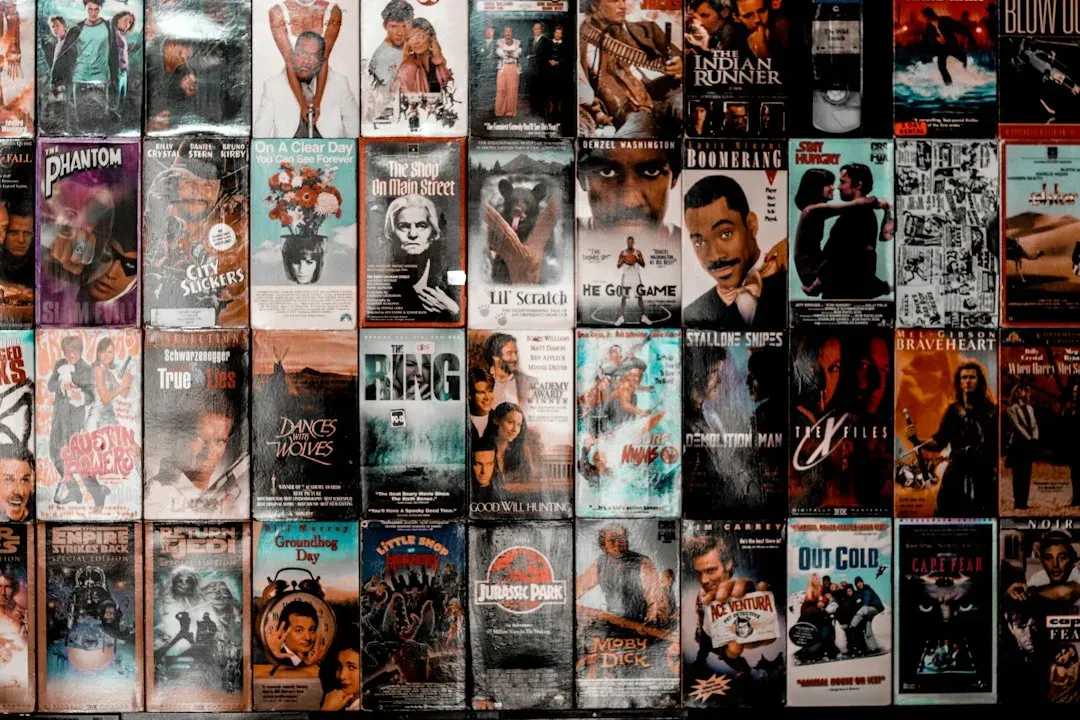
The negotiation doesn’t stop at the screen. The billing block is the section of a poster or advertisement where key cast and crew are credited. The size, prominence, and positioning of names there are often subject to intense negotiation and contractual agreements.
Partner offer
This habit has a long history. Billing demands even extended to publicity materials, down to the height of the letters and the position of names. Little of that is visible to audiences, but it can matter a great deal to the people named.
Guild Rules Set a Floor

Not everything is up for individual bargaining. Guild or union contracts often dictate the billing order of a film’s opening credits. That means some placements are settled before an agent ever picks up the phone.
The pfeifferlaw.com firm adds that there are occasional union and guild requirements on billing as well. In practice, guild rules tend to set a baseline, and individual contracts layer extra demands on top of it.
Why the End Credits Grew So Long

Older studio films kept credits short and tightly controlled. Things changed once the studio system faded. After its collapse in the 1950s, actors and their agents fought for billing on a film by film basis.
Wikipedia’s account links this, along with changes in union contracts and copyright laws, to more actors and crew members being included in the credits sequence, expanding its size significantly. A growing share of the billing moved to the closing credits, which is why those scrolls now run so long.
Enforcement and Its Limits
A promised credit is only useful if someone can hold the studio to it. Forbes, in a 2024 overview, says that to enforce a credit requirement, the contract should state that the production company will require all distributors to comply, with the credit recipient as an intended third party beneficiary.
There’s a catch, though. The same piece notes that the credit provision almost always contains significant limits on the distributor’s liability for breach. So a missed credit often can’t be undone, and lawyers tend to spend their effort on precise drafting up front.
Billing Is Not the Same as Pay

Because billing looks like a ranking, people assume it tracks salary. It doesn’t always. Equal billing does not always mean equal pay, since salary negotiations are separate and based on market value, previous box office success, and contract terms.
Still, the two are linked in a softer way. One industry guide says billing perception can influence future casting opportunities and bargaining power for salaries. A good slot today can become leverage in the next negotiation.
Where the Order Comes From

A film’s credits order comes from several overlapping sources: guild rules, studio convention, and individual contract terms. Star placement, card sharing, type size and poster position are all items that can be negotiated and written down. The names you see on screen are the visible result of those agreements.
Partner offer
Planning a trip to Vegas?
Compare hotel rates and show tickets on VEGAS.com.