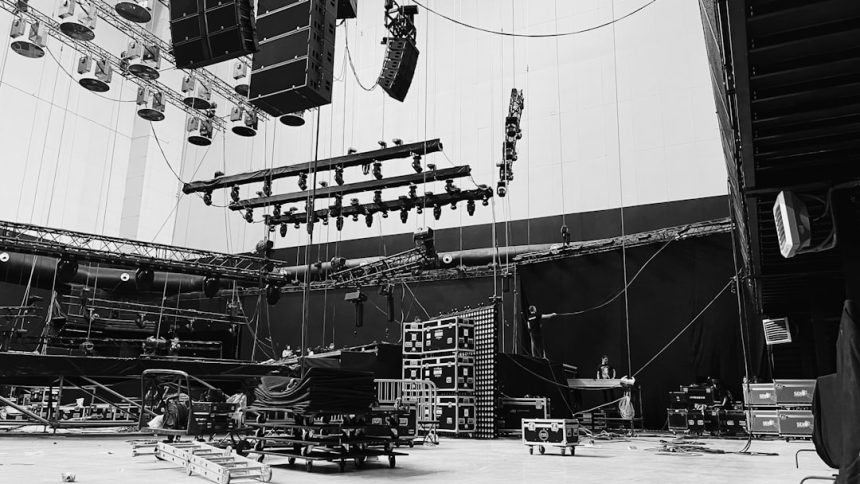
The moment the headliner plays their final note, most festivalgoers assume the story is over. People stream toward exits, some clutching leftover drinks, others already scrolling social media for set highlights. What they don’t see – what almost nobody sees – is that the real work is just beginning.
Behind the fences, past the backstage cordons and darkened stage wings, hundreds of people are clocking in for the hardest shift of the entire event. These are the ten things that happen in the hours the crowd never witnesses.
Hour 1: The Crowd Sweep and Site Lockdown
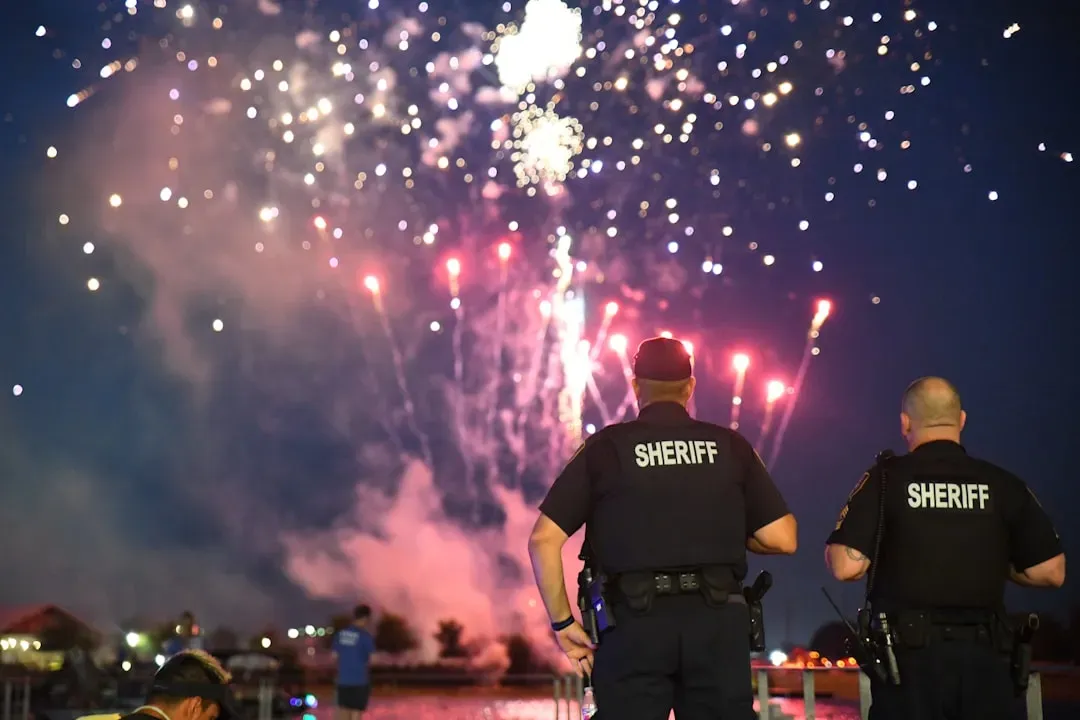
Immediately after the event closes, security and volunteers sweep the grounds to ensure all guests have left. Exit gates and entry infrastructure can be taken down once the crowds are gone. It sounds simple enough, but at a major festival with tens of thousands of attendees, it takes careful coordination across multiple zones and access points.
Security doesn’t end when the music stops. Post-event, the venue can be vulnerable to theft if expensive gear is left unattended overnight. Having a fresh security detail or keeping some staff on duty through load-out is wise – they can monitor for unauthorized access and safeguard equipment until everything is packed up.
Hour 2: Artists Debrief and Clear the Backstage

For the first several minutes following their stage exit, artists usually hang out with their bandmates in the backstage dressing room, unwinding and doing a quick debrief of the show. It’s a ritual more than a formal meeting – a chance to exhale before the next logistical step begins.
Artists may also meet with their crew to address sound, lighting, venue, or instrument issues, and will likely devote some time to discussing crowd engagement and areas of improvement in the debrief as well. Once an artist has completed their set and vacated the dressing room, it needs to be quickly cleaned and prepared for the next artist – and the timing and schedules may only allow five or ten minutes for this transition.
Hour 3: The Equipment Load-Out Begins
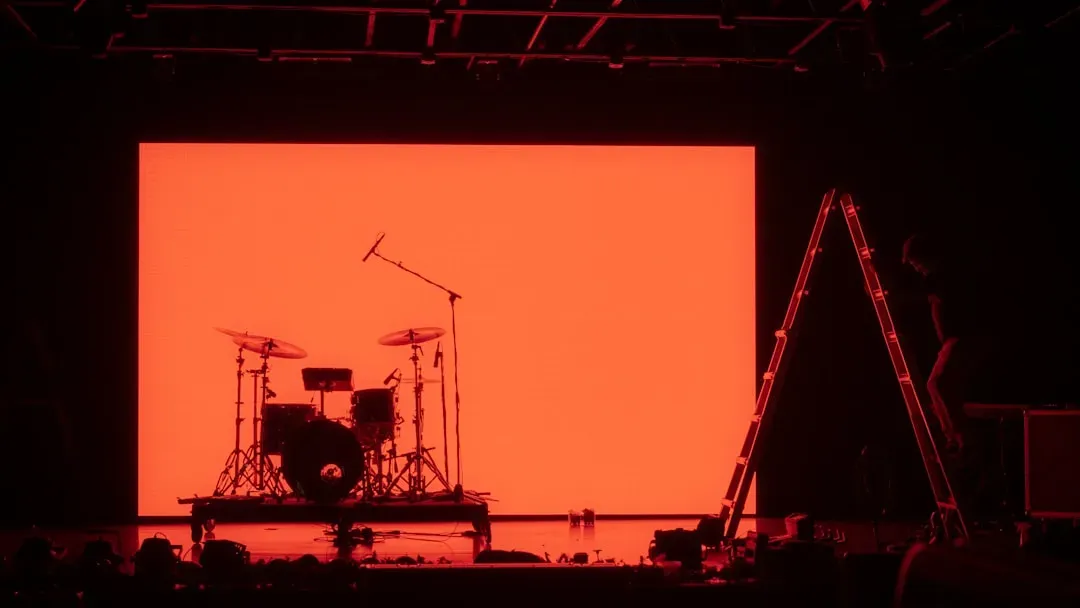
The load-out of expensive equipment belonging to musicians or backline suppliers can be a complex process if there are a large number of items. This requires meticulous supervision and tracking to ensure that the correct items are taken by the right people. The event can be vulnerable at this time, as it can be a target for theft, and it is not uncommon for valuable pieces of equipment to go missing or be taken by mistake.
Fairly soon after the show ends, the band’s gear must be carefully dismantled and loaded up so the venue can close and the band can travel to its next stop. Most mainstream artists will have a paid road crew who packs up their instruments, amps, and other gear after the show. The trucks don’t wait. Load-out schedules are contractual, and the clock starts the second the last chord rings out.
Hour 4: The Strike – Tearing Down the Stage
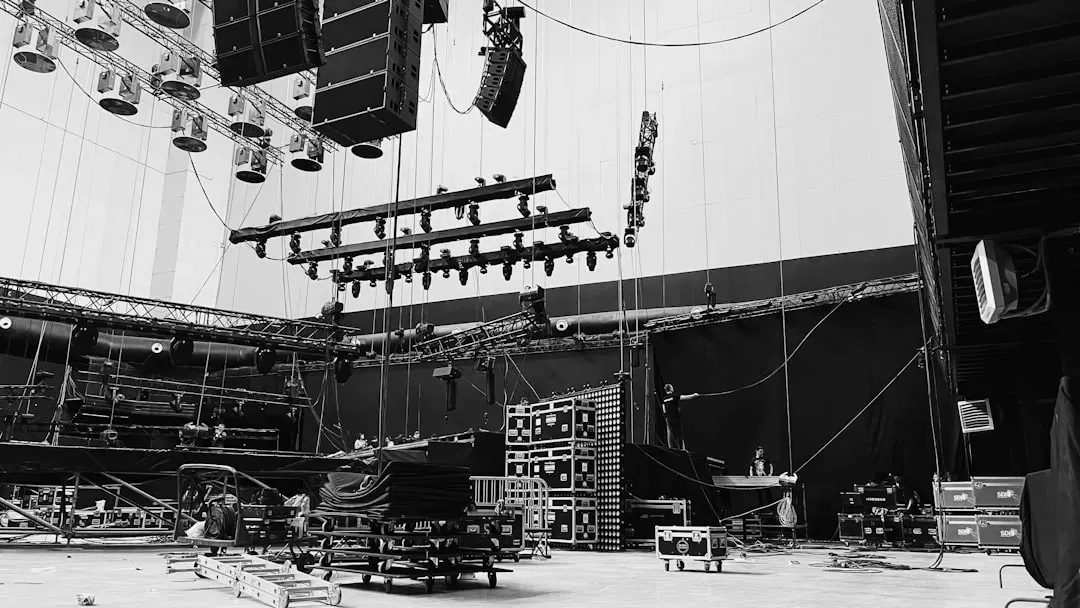
Before the final act has even fully cleared, the dedicated teardown crew receives a comprehensive safety and operational briefing. This meeting covers the exact sequence of the strike, highlighting potential hazards like moving heavy machinery, live power lines, and overlapping vendor footprints. Production managers ensure that the transition from a live show to an active construction site is handled with precision.
A detailed strike timeline outlines what happens hour-by-hour after the event – this timeline is essentially the build schedule in reverse. What took days to construct gets dismantled in a fraction of that time, driven by contractual venue deadlines and the physical endurance of crews who’ve already been on site since morning.
Hour 5: The Lost and Found Operation Kicks Into Full Gear

Even at a modest event, the lost and found could end up with a table full of sunglasses and water bottles by the end of the day. At large-scale festivals, expect hundreds of items to show up in lost and found over a weekend. Phones, wallets, credit cards, passports, IDs, keys, and eyewear are typically the most common.
Festival attendees’ needs spike on the morning after the festival concludes and often over the following few weeks. Without a specifically designated communication medium, attendees will flood anything they can find – email, phone calls, social media, and even the organizer’s office. Many states have legal requirements on the process of holding lost and found items, with hold times as high as one year in some states or more commonly 90 days in others.
Partner offer
Hour 6: The Green Crew Takes Over the Grounds

An overnight crew tackles the immediate mess and critical removal – clearing aisles, main fields, and vendor areas – then a daytime crew the next day handles finer detail like picking up micro-trash including confetti, bottle caps, and cigarette butts. It’s a two-wave operation, and without it the site would be uninhabitable by morning.
At the UK’s Glastonbury Festival, an army of 2,500 volunteer “recyclers” fan out across the fields after the event, picking up everything from paper cups to abandoned tents. Scale varies, but the principle holds everywhere: someone always has to clean up the cathedral once the congregation has gone home.
Hour 7: Production Teams Conduct a Full Site Inspection
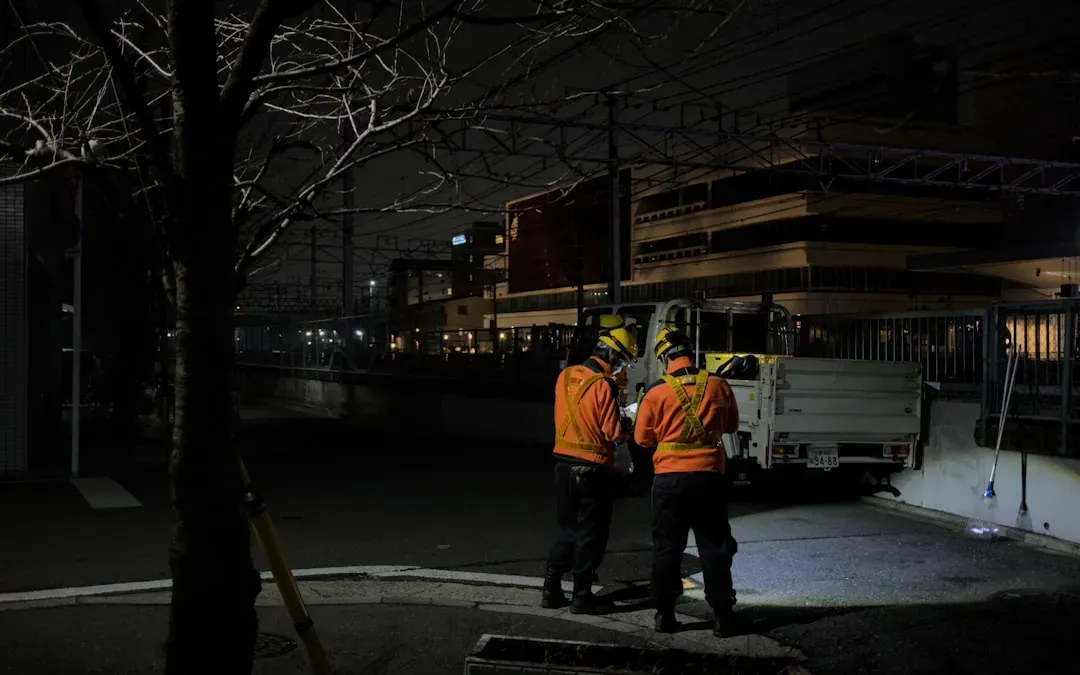
At the end of the strike, key team leads conduct a final inspection by walking the entire site to confirm nothing was overlooked. A checklist for this inspection verifies that all rental items were picked up, all trash is gone, and no damage remains unaddressed. It’s painstaking work that continues well into the early morning hours, often by torchlight.
Any damage to the site needs to be repaired, and some sites may require re-seeding grass and landscaping for natural areas that were impacted by the festival. After any remedial work has been completed, a final inspection should be conducted to ensure that everything has been properly removed and that the site is safe for public use again.
Hour 8: Financial Settlement and Vendor Close-Out

Festival managers must navigate the logistical labyrinth of coordinating with local authorities and suppliers, all while keeping the festival’s vision at the forefront. The planning stage also involves detailed budgeting, from artist fees and stage design to security and sanitation services. Financial foresight and strategic resource allocation are crucial to ensuring the festival’s success. Those financial threads don’t tie off until the last vendor signs off.
Organizers actively solicit input from artists, tour managers, vendors, and sponsors through informal conversations, thank-you emails with surveys, or debrief meetings. These insiders provide vital perspectives on backstage facilities, technical logistics, and vendor support, revealing operational pain points that media reviews often miss. Settlement meetings happen quickly, because every hour on site costs money.
Hour 9: Overnight Security Protects the Remaining Infrastructure
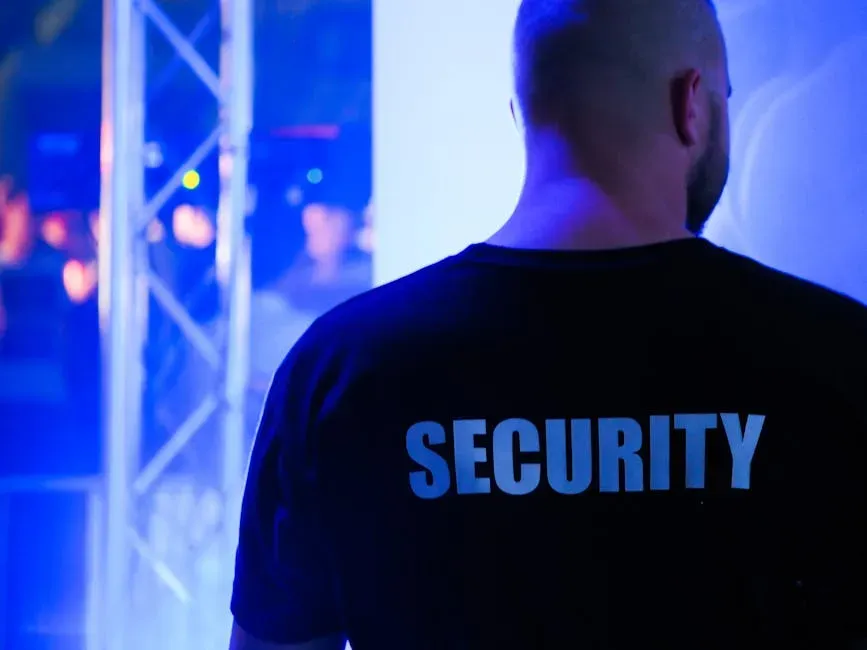
Events that allow overnight camping may require overnight festival security, security vehicles, and more. Events held on grounds that are too large to be fenced may require additional security patrols and guard booths around the perimeter. Once the crowd is gone, a skeleton crew of trained guards remains – watching over equipment, generators, and any temporary structures that haven’t yet been removed.
Body-worn cameras and a clear incident reporting system help staff log issues and improve response coordination, transparency, and post-event analysis. The overnight shift is quieter than anything that came before it, but no less critical. An unguarded festival site in the dark is a tempting target for opportunists, and experienced organizers plan for that reality from day one.
Hour 10: The Post-Event Debrief and Planning for Next Year

After wrapping up a festival, the job isn’t truly done when the last note fades or the final attendee heads home. A crucial part of post-event evaluation is understanding how the event was perceived by the outside world – taking a close look at press reviews in the media and gathering feedback from industry professionals like artists, agents, and vendors who experienced the festival.
Holding a debrief meeting with the core team, starting with the artist, allows for a candid conversation about their perspective. After the breakdown process is complete, festival organizers evaluate the festival breakdown process and identify areas for improvement for future events. The lights are long gone, the stages dismantled, the fields half-emptied. Yet somewhere in a production office or a WhatsApp thread, someone is already building next year’s plan from the bones of this one.
Music festivals are sold as fleeting moments – weekends that feel like they exist outside of normal time. The irony is that they require a kind of relentlessness that never really stops. Every crowd that pours through the gates is standing on top of ten hours nobody else ever sees.
Partner offer
Planning a trip to Vegas?
Compare hotel rates and show tickets on VEGAS.com.