Most predictions about the future age badly. They tend to be too optimistic, too catastrophic, or simply too strange to take seriously. Every now and then, though, someone gets it so right that it’s almost unsettling in hindsight. The five cases below aren’t just lucky guesses or vague generalizations that could apply to anything. Each one is specific, verifiable, and separated from its moment of truth by years or even centuries. That gap is what makes them worth looking at.
1. Jules Verne Predicted the Moon Landing – Including the Launch Site
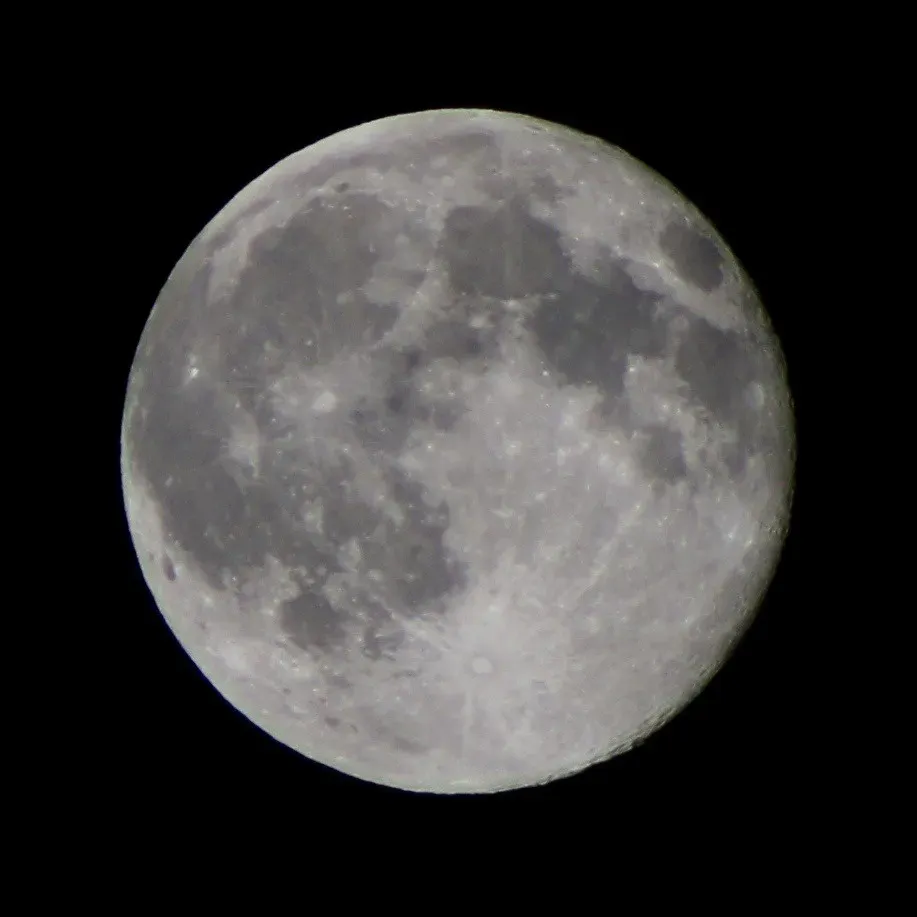
Before humans ever walked on the moon, several people had imagined it happening, but none came as close to the real thing as French novelist Jules Verne. In his 1865 novel “From the Earth to the Moon,” Verne wrote about man’s first voyage to the moon with surprising accuracy for a mid-19th-century author. His fictional mission featured a three-man crew launching from Florida and experiencing weightlessness as they left Earth’s atmosphere – details that bore a remarkable resemblance to the real Apollo 11 mission more than a century later.
As if that weren’t enough, Verne set his novel’s rocket launch in Florida, which later became the home of the Kennedy Space Center. Looking back on the book with the benefit of hindsight, it’s striking to see how many similarities there are between Verne’s ideas and the Apollo 11 mission, which actually put people on the moon. More futurist than prophet, Verne was well acquainted with the technology of his time and played with ideas of how those technologies could evolve – a reminder that good foresight is often built on careful observation rather than any mystical gift.
2. H.G. Wells Invented the Term “Atomic Bomb” – Three Decades Early
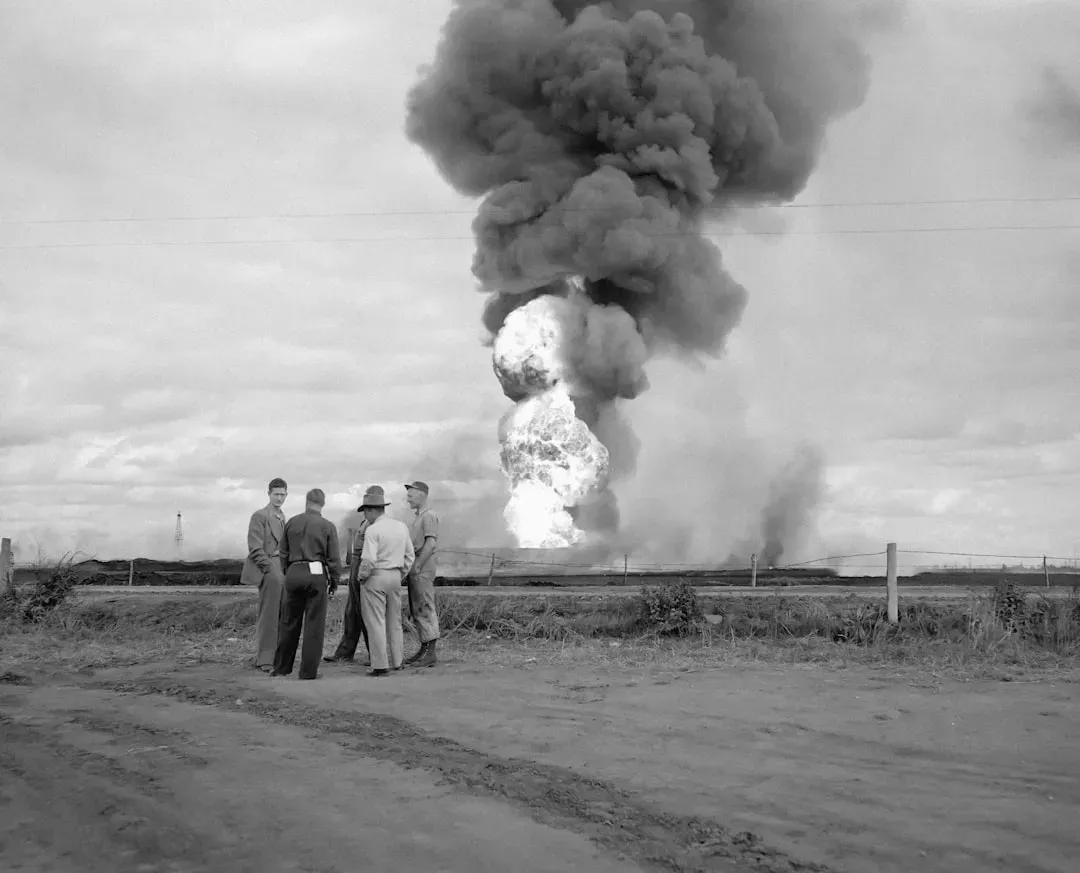
More than 30 years before the first atomic bombs were made, H.G. Wells’ 1914 novel “The World Set Free” depicted a war where atomic energy fueled powerful explosives. Writing in 1913, on the eve of World War I and long before World War II’s mushroom cloud finale, Wells imagined a war that begins in atomic apocalypse but ends in a utopia of enlightened world government, set in the 1950s.
Wells’ “atomic bombs” in his 1914 novel greatly influenced one of the real-world pioneers of nuclear weapons, physicist Leó Szilárd, who came up with the idea for a nuclear chain reaction and then met with Einstein, laying the groundwork for the Manhattan Project. Decades before scientists grasped the concept of nuclear chain reactions, Wells’ 1914 novel imagined atomic bombs and their city-level devastation with haunting accuracy, and even depicted the radioactive aftermath correctly. The fact that a work of fiction directly inspired real nuclear science makes this one of the most consequential predictions ever committed to paper.
3. Nikola Tesla Predicted Smartphones and the Internet in 1909
Nikola Tesla was not only a remarkable scientist and inventor but also a skilled futurist. In a 1909 interview with the New York Times, the acclaimed physicist predicted the invention of Wi-Fi and mobile phones decades before they were created. Tesla’s early 1900s vision of personal wireless devices connecting the world seemed impossibly futuristic at the time. He described instant news access and interconnected global markets decades before the technology existed, and modern mobile networks and internet culture directly echo his systems-scale wireless communication predictions.
Partner offer
Over six decades before the first cell phone was even conceived as a concept, and more than nine decades before the introduction of wireless internet, Tesla predicted that both would come to fruition. His thinking went well beyond gadgets. With today’s high-speed global connectivity, the internet is an integral part of daily life, and Tesla’s vision of worldwide instant communication was an accurate prediction of the digital revolution – even if credit for that prediction often goes to others.
4. Bill Gates Predicted Social Media, Smartphones, and Price Comparison Sites – in 1999

In his 1999 book “Business @ the Speed of Thought,” Bill Gates presented a series of predictions regarding technological advancements, many of which have seamlessly integrated into our daily lives, demonstrating bold anticipation of broader societal shifts. Gates imagined a world where people would carry small, internet-connected gadgets that could be used to check news, communicate, and manage everyday tasks – and this was eight years before the release of the original iPhone.
Another striking forecast was the rise of professional social media. Gates described websites where people could make job-related connections, look for work, or find employees – and this was years before LinkedIn launched in 2003. He also saw technologies like Ring doorbells and Google Nest coming, envisioning a future where constant video feeds of your home would alert you when someone visits while you’re away. Looking at that list now feels less like reading predictions and more like reading a product roadmap.
5. Alexis de Tocqueville Foresaw the U.S.-Russia Cold War Rivalry – in 1840
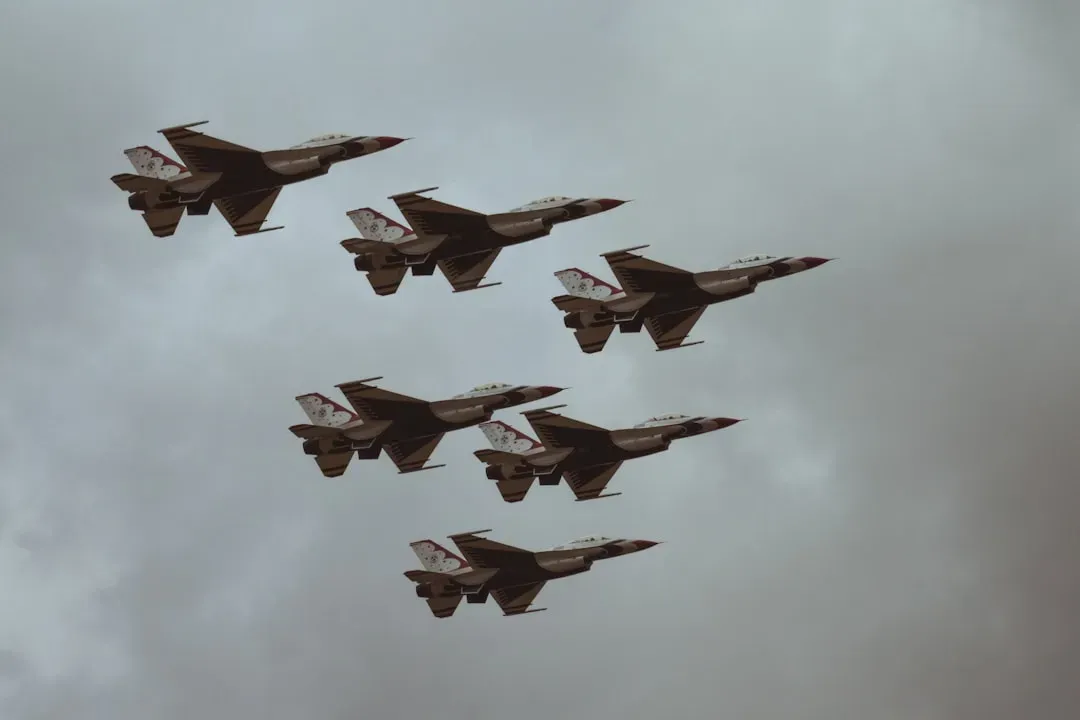
While many at the time didn’t consider the United States a regional power, let alone a superpower, French political thinker Alexis de Tocqueville published his work “Democracy in America,” containing an astoundingly prescient vision of the future global order – one in which the USA would face off against the Russians. He stated that the two countries would “hold the destinies of half the world in its hands one day,” which was an unusual opinion for the era, as both Russia and America saw Great Britain as the primary rival at that time.
This prediction came more than 100 years before the Cold War, at a time when Russia was still under tsarist rule and America had barely conquered half of its current size. What seemed far-fetched in 1840 proved entirely correct: Tocqueville foresaw two great powers rising, the U.S. growing through individual freedom, and Russia expanding through centralized military force – and both shaping global destiny. For a political observer writing decades before the telegraph, the telephone, or the concept of a world war, it remains one of the most remarkable geopolitical forecasts in recorded history.
What ties all five of these together isn’t magic or luck. It’s careful attention – to science, to politics, to technology already in motion. The most accurate predictions tend to come from people who were simply paying closer attention to the present than everyone else around them.Partner offer
Planning a trip to Vegas?
Compare hotel rates and show tickets on VEGAS.com.