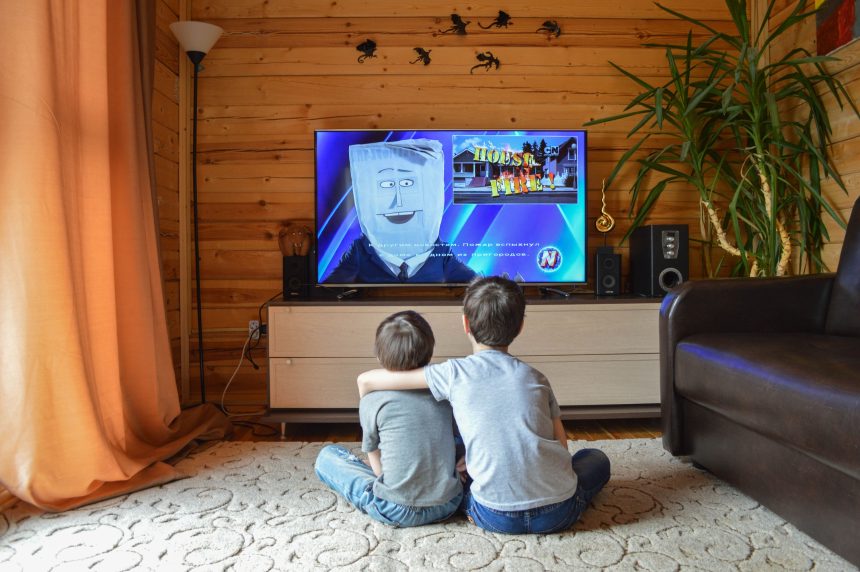
There was a time when the remote control had real power, but not unlimited power. Kids growing up before on-demand streaming didn’t choose what they watched so much as they negotiated with a schedule that belonged to someone else. Reruns of sitcoms, cartoons, and after-school specials played in loops across cable channels, and somehow, without anyone planning it that way, those repeats became a strange kind of classroom. Nobody set out to teach patience or pattern recognition through syndicated episodes of old shows. Yet that’s roughly what happened, over and over, in living rooms across the country. Looking back at it now, with algorithms doing all the choosing for today’s kids, it’s worth asking what got lost and what actually got learned in those pre-streaming years.
Patience Was Built Into the Schedule

Cable reruns didn’t care about anyone’s convenience. If a kid wanted to watch a specific episode, they had to wait for the channel to get around to it, sometimes checking a printed TV guide or flipping through channels hoping to catch it mid-loop. That waiting wasn’t framed as a lesson, but it functioned like one, teaching kids that not everything arrives the moment they want it.
This delay created a different relationship with content than today’s instant access allows. Kids learned to plan their afternoons around a 4 p.m. slot on Nickelodeon or a Saturday morning cartoon block, building small routines around fixed points in time. There was no scrubbing forward or skipping ahead, so patience wasn’t optional, it was baked into how television worked.
Repetition Sharpened Memory in Unexpected Ways
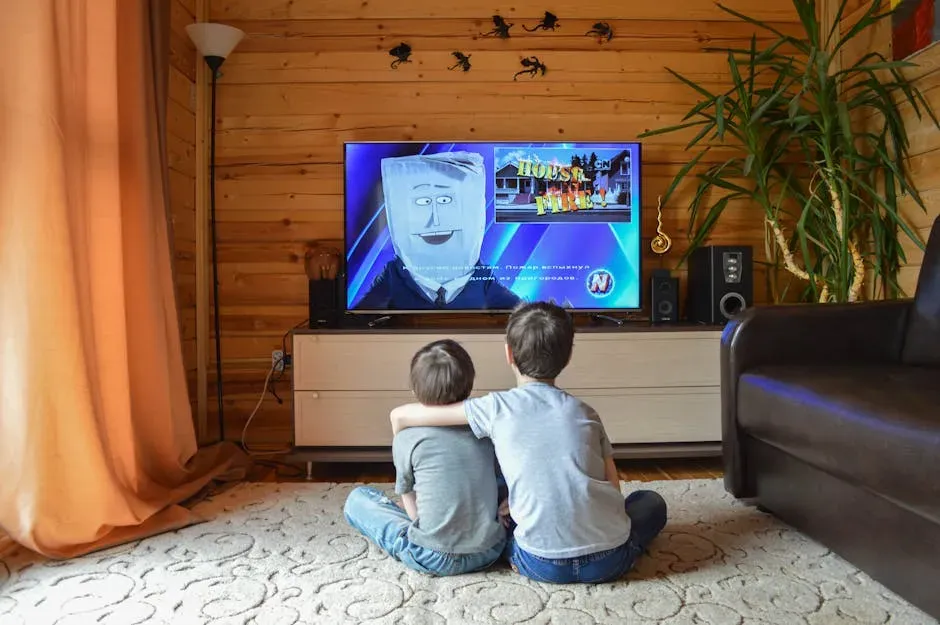
Watching the same episodes dozens of times gave kids an odd kind of fluency. Many children who grew up on shows like Friends, The Fresh Prince of Bel-Air, or SpongeBob SquarePants could recite full scenes from memory, not because they tried to memorize them but because repetition did the work naturally. This kind of unintentional memorization mirrors how repeated exposure strengthens recall in general learning contexts.
That constant repeat-viewing also meant kids often caught details on the fifth or tenth watch that they missed the first time. A joke that didn’t land at age seven suddenly made sense at age ten, once life experience caught up with the material. Streaming’s endless catalog rarely allows for that kind of layered, accidental re-encounter with the same content over years.
Shared Cultural References Came From Shared Scheduling

Because so many households only had access to the same handful of channels, huge numbers of kids ended up watching identical reruns at overlapping times. This created a genuinely shared cultural vocabulary, where quoting a rerun line at school was a near-guarantee that classmates would get the reference. Cable’s limited channel structure inadvertently synchronized childhood entertainment across entire regions.
Streaming’s fragmentation has made that kind of universal reference much rarer. With thousands of shows available simultaneously and personalized recommendation engines steering everyone toward different content, fewer kids today share the same specific viewing history. The common ground that reruns once provided has splintered into countless smaller, more isolated fandoms.
Boredom Tolerance Got Accidental Practice

Not every rerun was interesting. Kids often sat through episodes they’d already seen many times, sometimes out of habit, sometimes because there was genuinely nothing better on. That low-stakes boredom, sitting through a mediocre repeat because the alternative was doing nothing, gave kids practice tolerating mildly unstimulating moments without immediately switching away.
Psychologists have long argued that boredom tolerance plays a role in developing sustained attention and creativity. While reruns weren’t designed as a tool for this, the format’s lack of infinite choice meant kids occasionally had to sit with less exciting content rather than instantly swapping to something more engaging. Streaming’s infinite scroll and instant next-episode autoplay largely removed that friction.
Kids Learned to Read Between the Lines of Syndication Edits
Shows airing on cable were frequently cut for time or content, meaning kids watching reruns often saw slightly different versions of episodes than what originally aired. Certain jokes, scenes, or even entire subplots were trimmed to fit advertising slots, and kids became unknowing detectives, piecing together plot logic from edited, sometimes choppy episodes. This subtly taught inference skills, since gaps in continuity had to be mentally filled in.
Streaming largely eliminated this problem by offering full, unedited episodes without commercial interruption. That’s undeniably a more coherent viewing experience, but it also removed a small cognitive exercise that syndicated reruns unintentionally provided. Kids no longer need to guess what happened during an ad-cut scene transition.
Partner offer
Commercial Breaks Taught Time Management Without Trying

Cable reruns came wrapped in commercial breaks, and those breaks created natural pause points throughout a viewing session. Kids learned to use those two or three minute windows to grab a snack, use the bathroom, or check in with a parent, essentially practicing basic time chunking without realizing it. The show dictated the rhythm, and kids adapted to it.
This differs sharply from streaming’s binge-friendly design, where autoplay features are built specifically to prevent natural stopping points. Netflix and similar platforms use algorithms designed to minimize the gaps between episodes, actively working against the kind of built-in pause that commercial-supported reruns once provided. The old system, flawed and ad-driven as it was, at least forced periodic breaks into a viewing session.
Reruns Modeled Long-Term Character Consistency

Watching the same characters across years of reruns, sometimes spanning original episodes from a decade earlier, gave kids a strange kind of long-term familiarity. A character’s personality, catchphrases, and relationships stayed consistent across hundreds of viewings, reinforcing a sense of reliability and continuity that felt almost like knowing a real person over time. This consistency offered comfort, especially for kids returning to the same shows during difficult periods.
Streaming series, with their heavier reliance on serialized plots and season-to-season character evolution, don’t always offer that same static familiarity. Characters change, arcs resolve, and shows end for good, reducing the comfort of infinite, unchanging repetition. Older sitcoms in constant syndication rotation offered something streaming’s forward-driven storytelling structure rarely replicates.
Kids Absorbed Media Literacy Through Constant Advertising Exposure

Because reruns were interrupted by the same commercials repeatedly, kids became highly familiar with advertising tactics, often able to predict a commercial’s punchline or product reveal before it happened. This repeated exposure, while obviously commercial in intent, gave many kids an early, informal education in recognizing persuasive techniques. Research on children’s advertising literacy suggests that repeated exposure does help kids develop skepticism toward marketing claims over time.
Streaming, particularly ad-free tiers, removed much of this incidental exposure for a generation of subscribers. While that’s generally seen as a benefit for reducing commercial pressure on kids, it also meant fewer of the small, repetitive moments where children practiced identifying manipulative sales language. The trade-off shifted media literacy education elsewhere, often into schools or parental conversations instead of passive absorption.
Limited Choice Encouraged Deeper Engagement With Fewer Shows

With only a handful of channels airing kid-friendly reruns at any given time, children often ended up watching the same shows far more intensely than today’s viewers might. Instead of sampling widely across a huge catalog, kids frequently became deeply invested in a smaller rotation of programs, learning character backstories and plot arcs in far more detail. This depth of engagement is something media researchers have noted tends to decrease as content abundance increases.
Streaming’s paradox of choice, now offering tens of thousands of titles across major platforms, has been linked in various studies to shallower engagement per title, as viewers sample more but commit less. Kids raised on cable reruns didn’t have that option, so many became genuine experts on a smaller number of shows instead of casual viewers of many. That depth arguably created stronger, more lasting attachments to specific characters and storylines.
Reruns Quietly Taught Kids to Anticipate and Predict
After watching an episode multiple times, kids developed the ability to predict what would happen next, sometimes reciting dialogue seconds before characters said it. This predictive skill, built entirely through repetition rather than instruction, is a basic form of pattern recognition that some cognitive researchers connect to early narrative comprehension development. Kids weren’t just watching passively, they were unconsciously building mental models of how stories unfold.
Streaming, with its emphasis on new content and rapid catalog turnover, rarely gives kids the same opportunity for this kind of deep predictive familiarity. A show watched once and never returned to doesn’t offer the same repeated-viewing benefits that heavy rerun rotation did. In this narrow sense, the constant repetition of cable reruns may have offered an accidental cognitive workout that today’s more varied, less repetitive streaming habits don’t replicate.
Partner offer
Planning a trip to Vegas?
Compare hotel rates and show tickets on VEGAS.com.