Hollywood is full of near misses, the kind of casting decisions that get retold at dinner parties and film school lectures alike. Somewhere in the background of every blockbuster franchise sits a list of actors who said no, sometimes for good reasons, sometimes for reasons that still make them wince decades later. What makes these stories worth revisiting isn’t just the money left on the table, it’s what came next for the people who walked away.
Some of these actors built entirely different careers on their own terms. Others watched from the sidelines as a role they once held became a piece of cinema history. Either way, their choices offer a strange kind of window into how fragile fame really is, and how differently things can turn out when a single decision gets made.
Tom Selleck and the whip he never picked up (Image Credits: Pexels)
Before Harrison Ford ever put on the fedora, the role of Indiana Jones actually belonged to Tom Selleck. Selleck was offered the role that later went to Harrison Ford, but had to pass on it because he was already committed to starring on Magnum, P.I. Steven Spielberg and George Lucas wanted him badly enough that they tried to find a workaround, but the network wouldn’t budge.
Selleck later explained that he had done a pilot for Magnum and that CBS refused to let him do both projects. As it turned out, the arrangement worked out just fine for everyone involved. Magnum P.I. made Selleck the biggest television star of the eighties, even as Raiders of the Lost Ark turned Harrison Ford into the decade’s biggest movie star. Selleck went on to headline Three Men and a Baby, spent years on Blue Bloods, and never seemed particularly bitter about the road not taken.
Will Smith and the red pill he refused
Will Smith and the red pill he refused (Image Credits: Unsplash)
In the late nineties, Will Smith was one of the biggest names in Hollywood, fresh off Independence Day and Men in Black. So when the Wachowskis came calling about a strange new sci fi project called The Matrix, Smith should have been the obvious choice for the lead.
Smith later admitted he turned down the role of Neo, joking that he probably would have ruined the movie and that Keanu Reeves ended up being cast instead. He chose Wild Wild West over it, a film that became one of the more notorious flops of his career. Smith has since given full credit to Reeves, admitting he could have wrecked The Matrix had he taken the part. His own career kept climbing regardless, through Men in Black sequels, I Am Legend, and eventually an Oscar for King Richard, so the missed opportunity never really slowed him down.
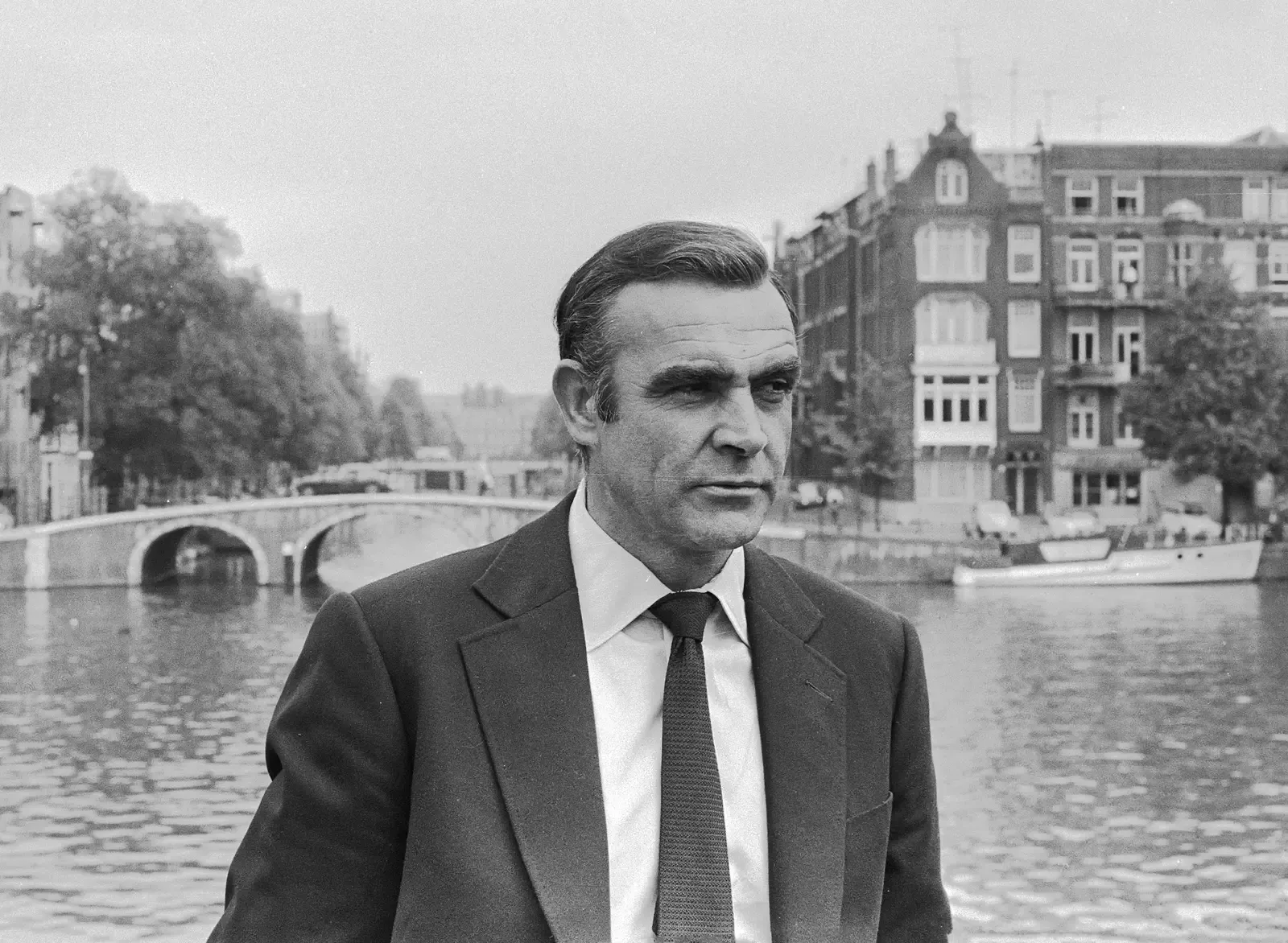
Sean Connery and the wizard he couldn’t understand
Sean Connery and the wizard he couldn’t understand (Nationaal Archief, Nummer toegang 2.24.01.05 Bestanddeelnummer 924-7001, CC BY-SA 3.0 nl)
Peter Jackson wanted Sean Connery to play Gandalf in The Lord of the Rings, and the offer wasn’t small. Connery was reportedly offered six million dollars per film along with a fifteen percent stake in the franchise’s box office profits. He said no anyway.
Connery’s reasoning was refreshingly simple, he said he read the book, read the script, watched the film, and still didn’t understand any of it. Given that the trilogy eventually pulled in nearly three billion dollars worldwide, his cut alone would have been worth around four hundred and forty seven million dollars. He spent his final years on screen in The League of Extraordinary Gentlemen before stepping away from acting entirely, seemingly content with the choices he made.
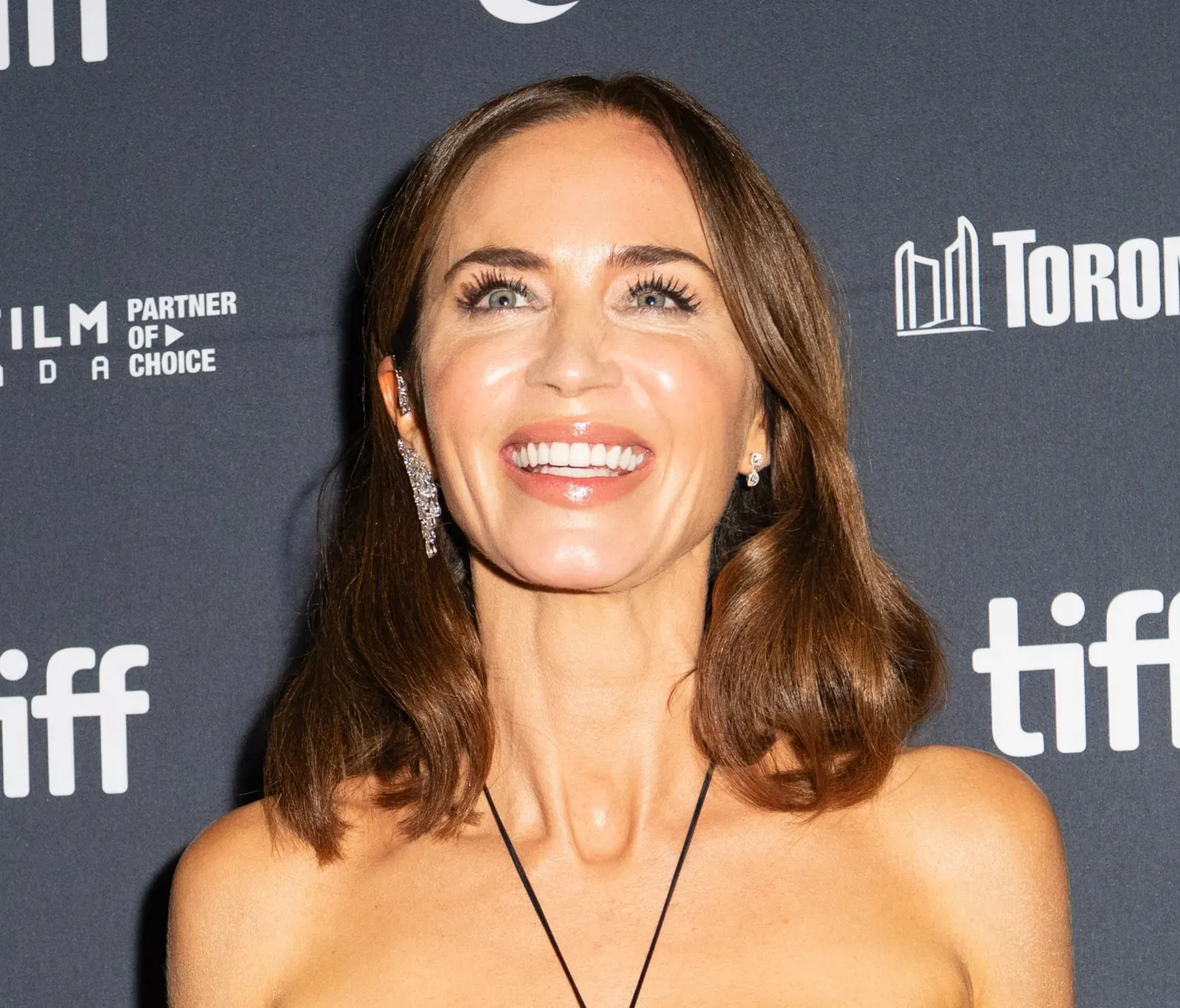
Emily Blunt and the Marvel role that got away
Emily Blunt and the Marvel role that got away (Image Credits: Wikimedia)
Long before Scarlett Johansson slipped into the black leather suit, Emily Blunt was Marvel’s top pick to play Black Widow in Iron Man 2. Blunt had signed a deal with Fox years earlier that gave the studio an option to place her in a future project, and Fox exercised that option right as Marvel was negotiating with her for Iron Man 2. The two productions clashed directly.
Blunt’s team tried to make both films work, but scheduling made it impossible, so Marvel moved forward with Johansson instead. Blunt has since been candid about how much the situation stung, later admitting the film she made instead wasn’t one she was proud of. Still, her career hardly suffered for it. She went on to headline Edge of Tomorrow, Sicario, A Quiet Place, and Oppenheimer, building a résumé that arguably rivals what a Marvel contract might have offered anyway.
Burt Reynolds and the smuggler role he passed on
Burt Reynolds and the smuggler role he passed on (Image Credits: Pexels)
George Lucas wanted Burt Reynolds to play Han Solo in the original Star Wars, a fact Reynolds openly confirmed decades later. Reynolds admitted he turned down the role simply because he didn’t want to play that kind of character at the time, and later said he deeply regretted the decision.
Instead, Reynolds leaned into the kind of roguish charm he was already known for, starring in Smokey and the Bandit that same year. Some critics have argued that Han Solo would have given him the kind of global superstardom he never quite achieved despite his popularity in American cinema. Reynolds remained a beloved figure through Deliverance and Boogie Nights before passing away in 2018, having built a career defined as much by the parts he turned down as the ones he took.
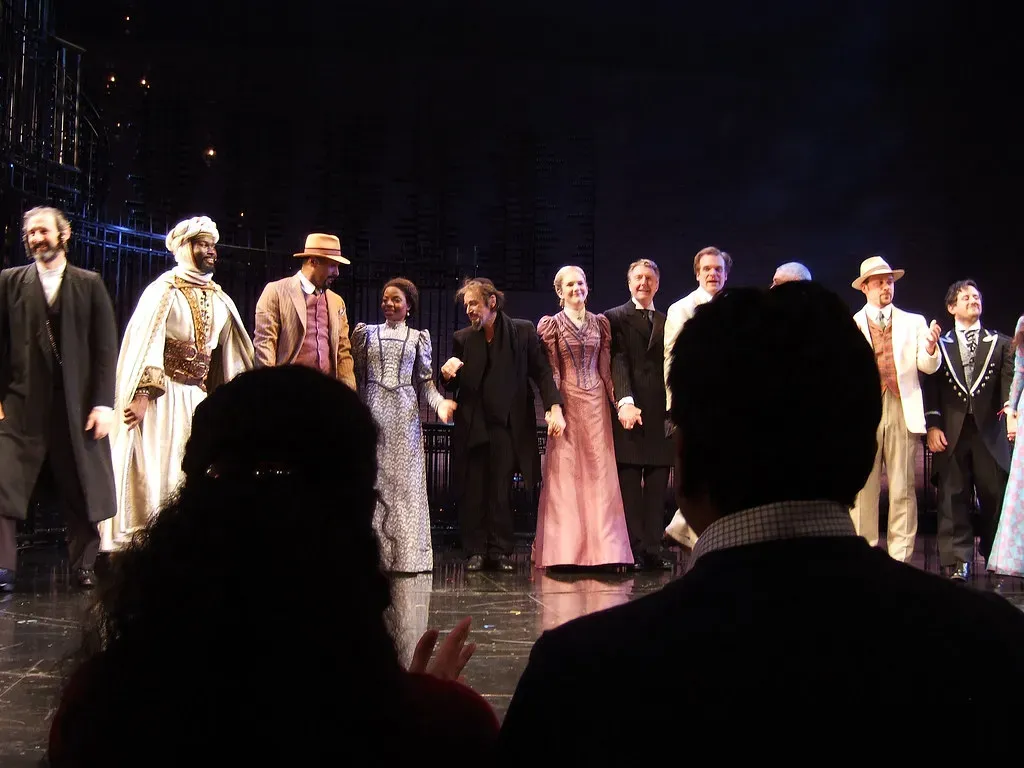
Al Pacino’s puzzling brush with a galaxy far, far away
Al Pacino’s puzzling brush with a galaxy far, far away (ralph and jenny, Flickr, CC BY 2.0)
Al Pacino’s name doesn’t usually come up in Star Wars trivia, but he was very much in the mix for Han Solo. Pacino recounted in his memoir that he was offered the role after his Oscar nominated turn in The Godfather, but turned it down because he couldn’t make sense of Lucas’s script.
Looking back, Pacino has treated the decision with a bit of humor rather than regret. He later joked that passing on the role essentially meant he decided it was time to make Harrison Ford’s career instead. Pacino spent the following decades building one of the most respected filmographies in American cinema, with Scarface, Scent of a Woman, and The Irishman among the highlights. Whatever he lost by skipping Star Wars, his reputation as one of the great dramatic actors of his generation never needed the boost.
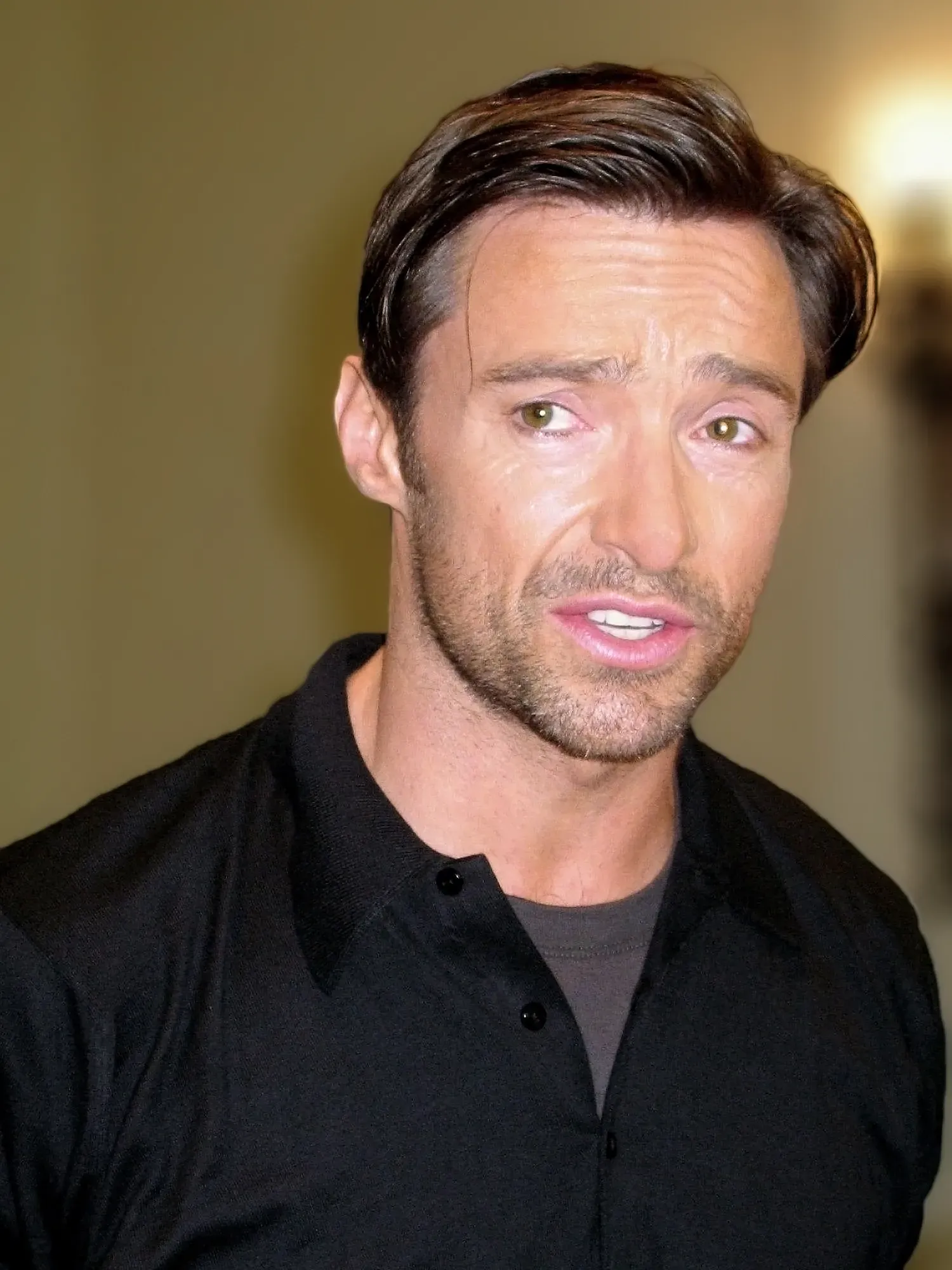
Hugh Jackman and the license to kill he declined
Hugh Jackman and the license to kill he declined (By Hugh_Jackman_3380.jpg: Franz Richter (User:FRZ)
derivative work: Dha (talk), CC BY-SA 3.0)
After Pierce Brosnan’s run as James Bond ended, producer Barbara Broccoli considered a wide range of actors for the reboot, including Hugh Jackman. Broccoli offered him the role in Casino Royale, which would have given Jackman a claim to two major franchises since he was already known for playing Wolverine in the X Men films.
Jackman ultimately passed because he felt the previous Bond films had leaned too far into camp, and he wanted the character treated with more grit than he expected the scripts to deliver. The role went to Daniel Craig, whose darker take on Bond is now considered one of the most successful reinventions in franchise history. Jackman, meanwhile, kept building the Wolverine character across nearly two decades, eventually closing out that chapter with Logan and later returning for Deadpool and Wolverine.
Russell Crowe and the ranger who never was
Russell Crowe and the ranger who never was (Image Credits: Unsplash)
Before Viggo Mortensen ever picked up Aragorn’s sword, the role was in play for Russell Crowe. Crowe famously walked away from the part around the same time he landed his breakout role in Gladiator.
The timing ended up defining both his career and the shape of Middle earth on screen. Gladiator earned Crowe an Academy Award and cemented him as one of the era’s defining leading men, a trajectory that arguably wouldn’t have happened the same way if he’d spent those years on a New Zealand set instead. Mortensen, brought in later after another actor departed, ended up shaping Aragorn into one of the trilogy’s most beloved characters, proof that sometimes a missed role reshuffles more than one career at once.
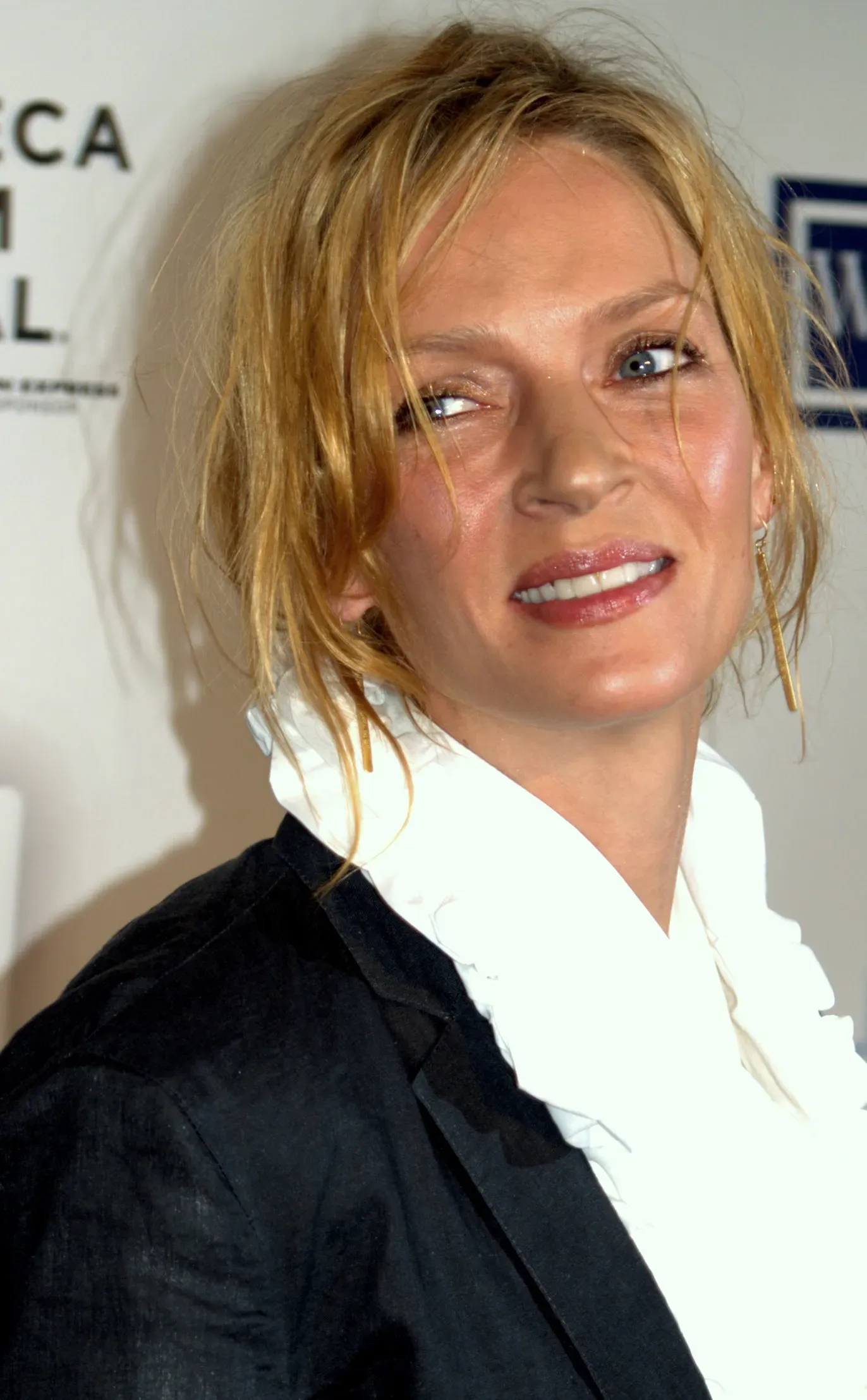
Uma Thurman and the shieldmaiden she couldn’t play
Uma Thurman and the shieldmaiden she couldn’t play (By David Shankbone, CC BY 3.0)
Middle earth claimed more near misses than most people realize, and Uma Thurman was among them. Thurman has said she couldn’t take on the role of Éowyn because she was pregnant at the time.
The part eventually went to Miranda Otto, whose performance became one of the more memorable supporting turns in the trilogy. Thurman’s own career carried on without much disruption, built around Kill Bill and a steady run of character driven films through the two thousands. It’s a smaller story than some of the others on this list, but it’s a reminder that sometimes these decisions come down to nothing more complicated than timing and life circumstances.
Final thoughts
Final thoughts (Image Credits: Pexels)
What ties all of these stories together isn’t regret, at least not for most of them. A handful of actors walked away from roles that made other people rich and famous, and somehow their own careers kept moving forward anyway, sometimes in better directions than the franchise path would have taken them.
Selleck stayed a television fixture for decades. Smith and Pacino built filmographies that hardly needed the extra boost. Connery closed his career on his own terms, and Crowe found an entirely different kind of stardom the same year he might have been trudging through New Zealand mud. If there’s a lesson buried in all of it, it’s that Hollywood’s biggest what ifs rarely turn out as tragic as they sound from the outside.