Pull into a gas station today and you’ll probably do everything yourself. You swipe a card, lift the nozzle, squeeze the handle and drive off without speaking to anyone. In the 1960s, that same stop was a very different experience.
Back then, a station was part pump island, part garage and part neighborhood meeting point. Many of the services drivers once took for granted have faded away or turned into rare novelties. Here are nine of them.
Attendants Who Pumped Your Gas
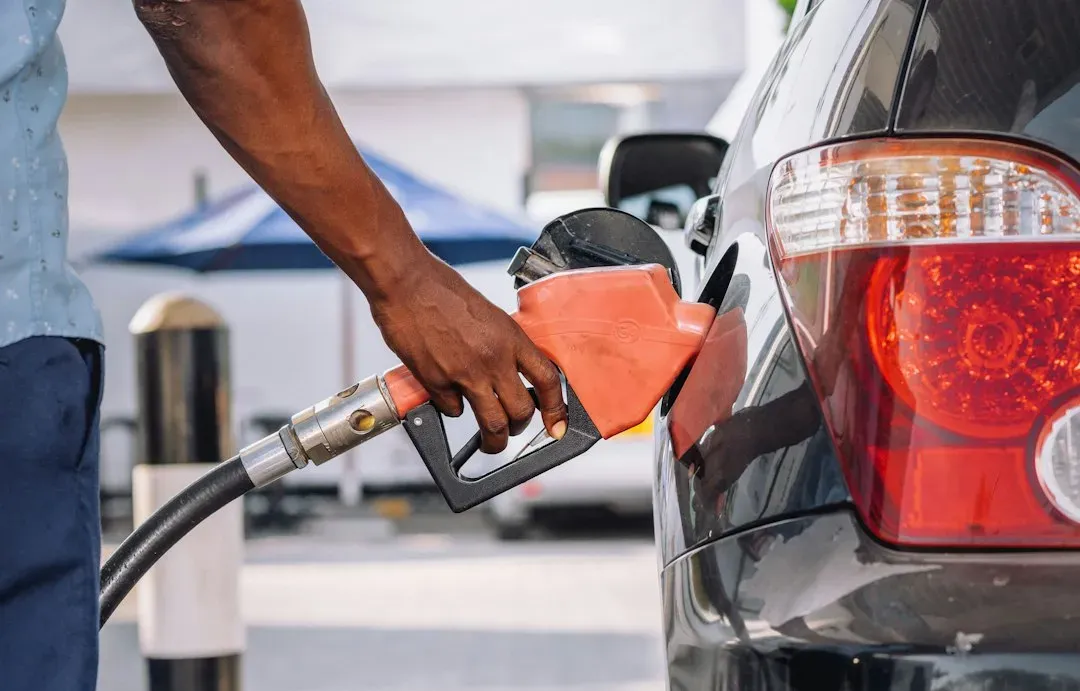
In the 1960s, the standard routine was simple. You stayed in your seat while an attendant in a uniform filled the tank, collected your payment and sent you on your way. Self service existed, but it was still an unusual arrangement for most drivers.
Today it’s the reverse. New Jersey still requires attendants to pump gas for drivers, which makes it the best known holdout. Oregon, the other long time holdout, loosened its rules to allow self service statewide in recent years, though attendants are still available at many stations.
Windshield Washing at Every Stop
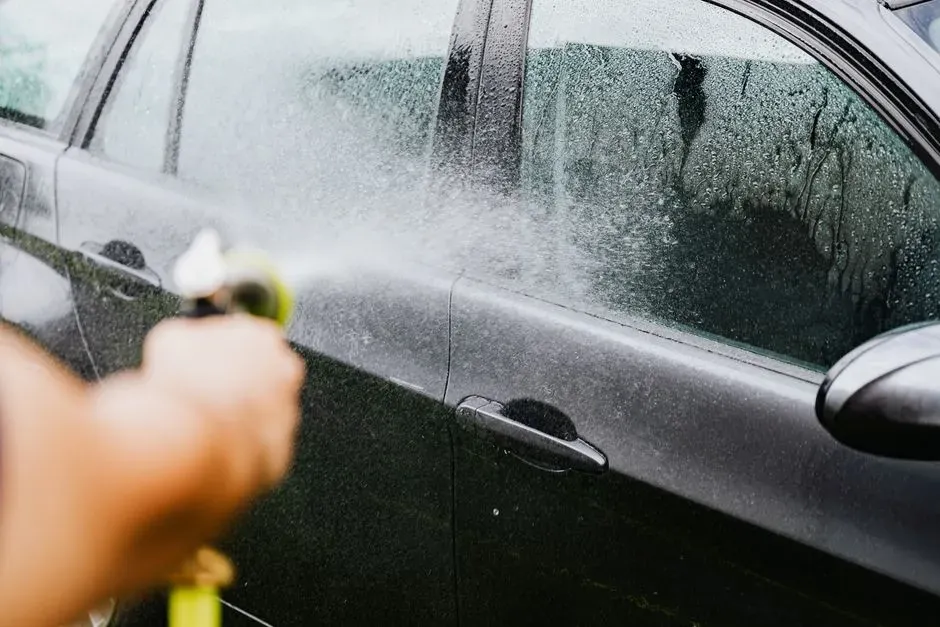
An attendant would typically wipe your windshield with a squeegee as part of the visit. Many stations kept a bucket of water and a sponge right at the island for the purpose. Drivers expected it, and it cost nothing extra.
Now the squeegee bucket is still there at many stations, but it’s yours to use if you want it. The attendant who did it for you has largely vanished, along with the rear window and headlight wipe that sometimes came with it.
Oil and Under the Hood Checks
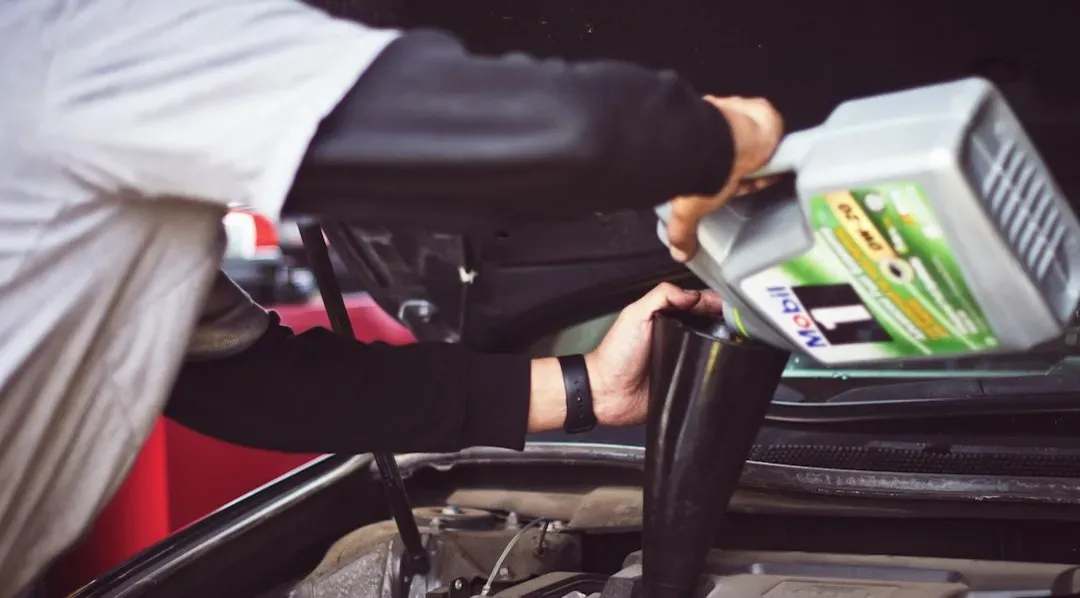
Attendants would often ask whether you wanted the oil checked. They’d pop the hood, pull the dipstick, wipe it and show you the level. Many also looked at the radiator coolant and the battery fluid.
This was practical in an era when cars burned oil more readily and needed more frequent attention. Modern engines are far more efficient and have dashboard warning lights, so the routine check has mostly dropped out of the gas stop. Today that job falls to the driver or a quick lube shop.
Free Air for Your Tires
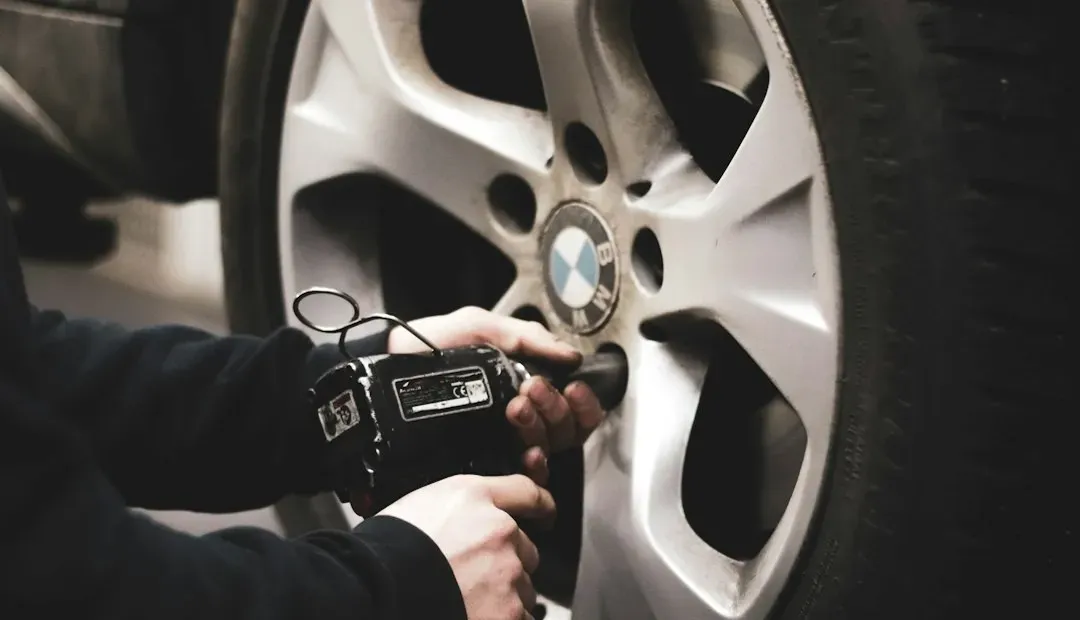
Air for the tires was a courtesy, and attendants often checked pressure for you while the tank filled. You rarely had to think about it, because someone else was paying attention. Few drivers carried their own gauge.
Many stations now charge for air or have removed their compressors altogether. Several states have passed laws requiring stations to offer free air, but it’s no longer universal. Many newer cars also come with tire pressure monitors that alert you on the dash.
Trading Stamps With a Fill Up
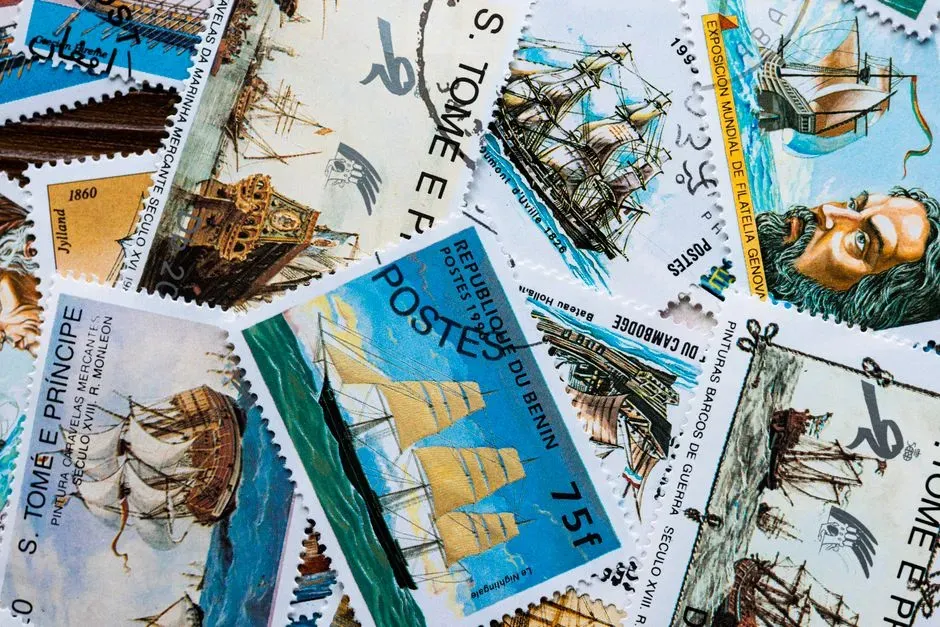
Gas stations were among the businesses that handed out trading stamps, with S&H Green Stamps the most famous brand. Customers collected them, pasted them into booklets and traded them for household goods. The stamps reached peak popularity around the middle of the twentieth century.
The programs faded as stores moved toward discounts and other loyalty methods. Today the closest equivalent is a rewards card or app that earns points or cents off per gallon. The stamp books themselves have turned into collectibles.
Free Road Maps
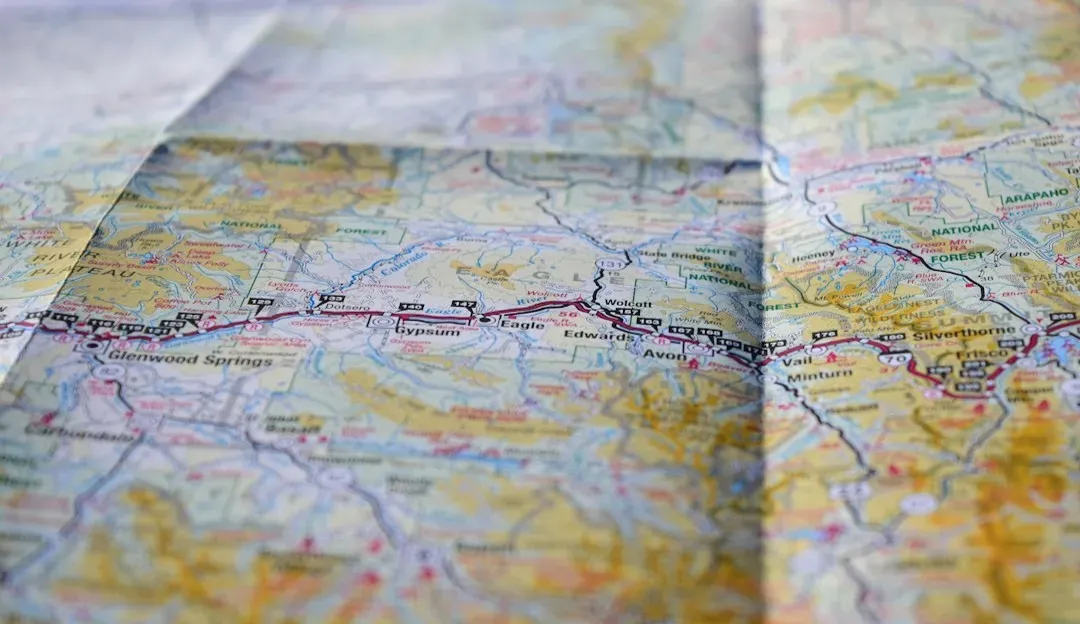
Before GPS, oil companies printed road maps and gave them away at their stations. Brands such as Texaco, Esso and Gulf produced maps that drivers kept in the glove box. The maps were a marketing tool that encouraged loyalty and travel.
Oil companies largely stopped producing them in the 1970s and later, as costs rose and the business case weakened. Navigation apps and in dash systems have since made paper maps a niche item. Old station maps are now sought by collectors.
Free Glassware and Premiums
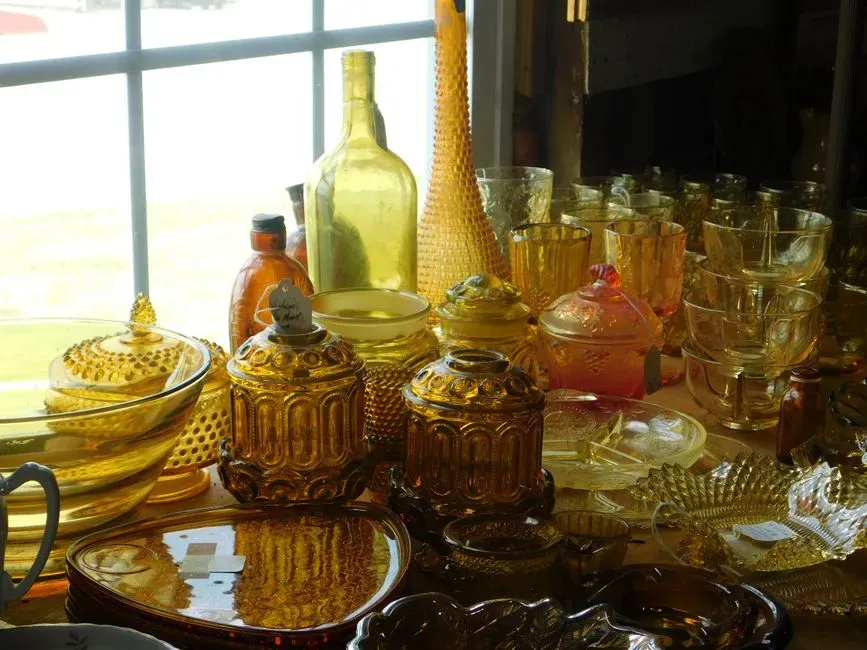
Stations often rewarded loyal customers with small gifts. Drinking glasses, dishes and other household items were common giveaways with a fill up. Some promotions ran as series, so drivers returned to complete a set.
Those giveaways have mostly disappeared from the pump island. Margins on fuel are thin, and promotions today tend to be digital discounts instead. Surviving glasses and premiums from the era turn up in antique shops and online listings.
On Site Repair Bays and Mechanics
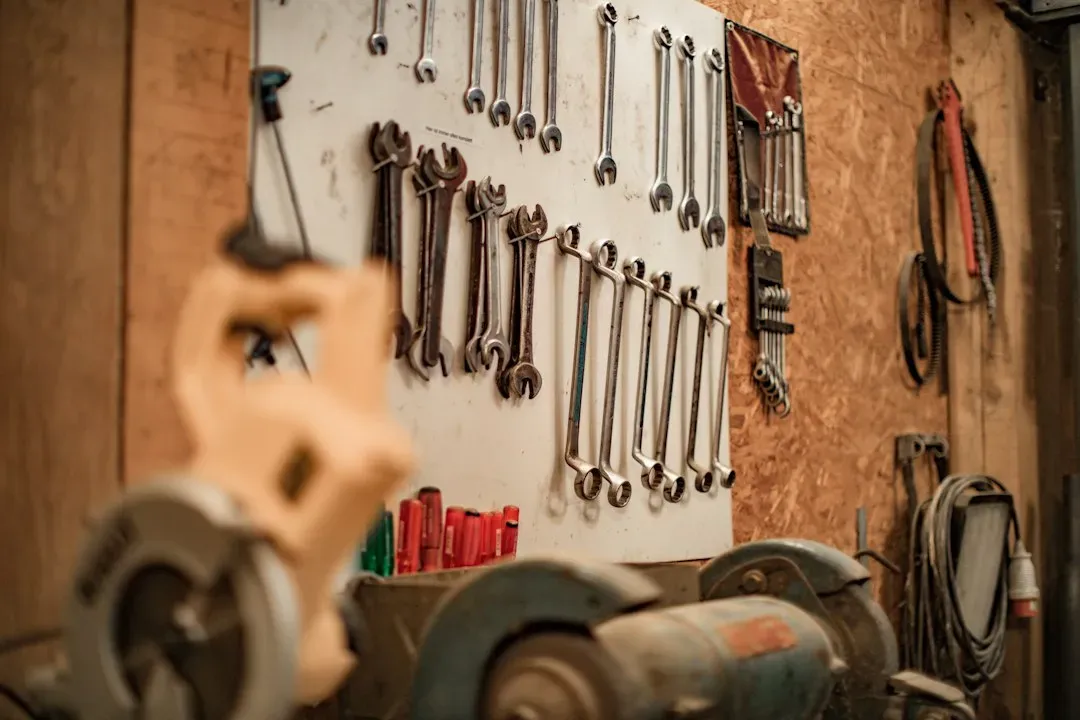
Many 1960s stations were service stations in the literal sense, with one or more garage bays out back. Mechanics handled tune ups, brake work, oil changes and minor repairs while you waited or dropped the car off. Fuel was often only part of the business.
Over the following decades, many stations closed their garages and shifted toward convenience stores. The space once used for lifts and tools became shelves of snacks and drinks. Repair work moved to dealerships, independent shops and quick lube chains.
Tire, Battery and Accessory Service
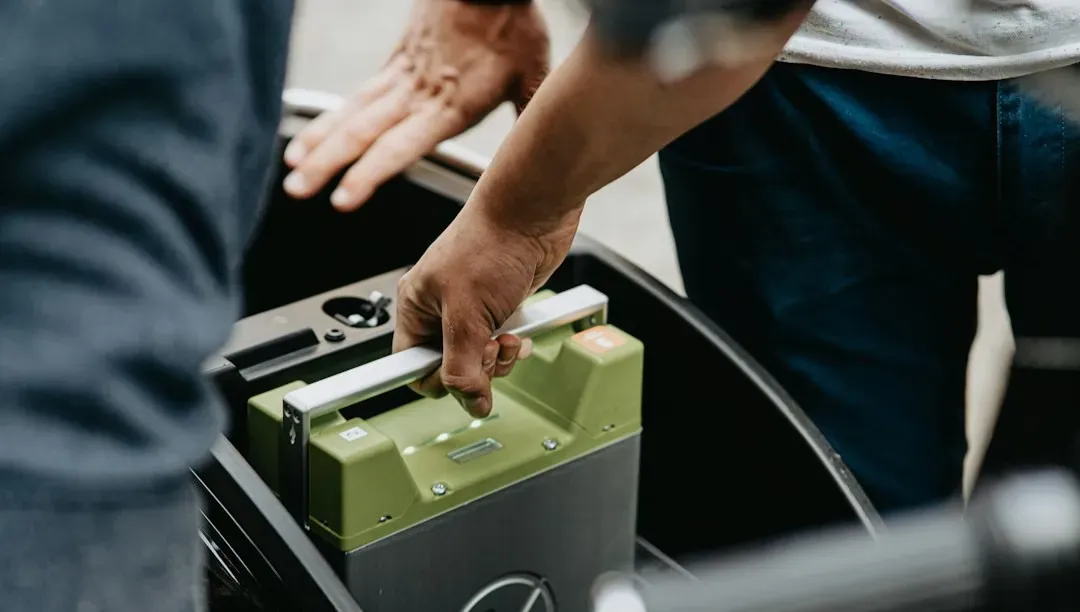
Stations commonly sold and installed tires, batteries and accessories such as wiper blades and fan belts. The industry even had a shorthand for these products, TBA, which stands for tires, batteries and accessories. An attendant could swap a dead battery or patch a flat on the spot.
Today you’re more likely to buy those items at an auto parts store or a tire retailer. Gas stations may carry a few basics, but installation is rare. The old neighborhood station that could get you rolling again after a breakdown has become much harder to find.