Every few years, someone tries to crown a new “worst movie ever made,” and every few years the internet erupts into a debate that never really gets settled. Part of the fun is that “worst” doesn’t mean the same thing to everyone. Some films are worst because they’re boring and forgettable, while others are worst in a way that’s oddly entertaining, the kind of disaster you can’t look away from. What follows isn’t a ranking so much as a lineup of the usual suspects, the films that show up again and again whenever critics, fans, or awards shows try to answer this exact question. Some are infamous flops with real budgets and big names attached. Others are shoestring productions that somehow found an audience decades later. Either way, they’ve all earned their reputation the hard way.
Plan 9 from Outer Space (1959)

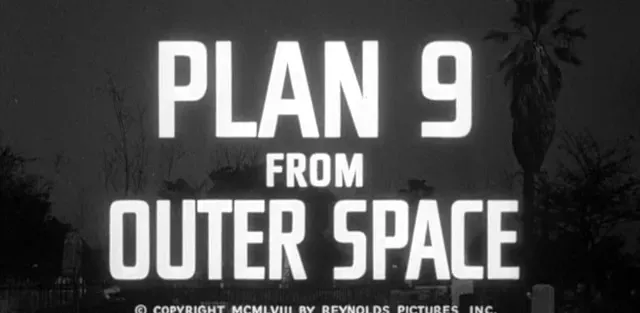
If there’s a founding document for “worst movie” arguments, it’s this one. Ed Wood’s low-budget science fiction picture became the subject of a 1980 declaration by critic Michael Medved that it was “the worst film ever made.” That label stuck for decades, cited in book after book and documentary after documentary.
Part of what makes it infamous is the circumstances behind it. The film was constructed around footage of Bela Lugosi filmed before the actor had passed away, meaning Wood had to work around missing footage using a stand-in who barely resembled his star. The plot, involving aliens raising the dead to stop humanity from building doomsday weapons, doesn’t hold together in any conventional sense. Yet the film has outlived plenty of “good” movies from its era, mostly because audiences find its sincerity strangely endearing.
The Room (2003)

Tommy Wiseau’s melodrama about a banker betrayed by his fiancée and best friend has become, for many, the modern heir to Plan 9’s throne. The film was shown on more than 500 screens in the US in its full, insane glory through Fathom Events, more than a decade after it barely registered in its original run. That kind of second life is rare for any film, let alone one this strange.
What sets The Room apart is how confidently bad it is. The film cost six million dollars to make, but it looks like it cost around one hundred forty thousand dollars. Dialogue repeats for no reason, subplots vanish without explanation, and the tone lurches between drama and unintentional comedy scene by scene. It’s since inspired a bestselling memoir and a Hollywood film about its own making, which says something about how thoroughly it’s been embraced as a cultural artifact rather than dismissed as a failure.
Battlefield Earth (2000)


Few films have been as thoroughly punished by awards bodies as this John Travolta science fiction vehicle. Battlefield Earth is widely considered one of the worst films of all time, winning eight Golden Raspberry Awards in 2001, and a special Worst Picture of the Decade Razzie in 2010. That’s not a typo. The film lost twice, a decade apart, to the exact same reputation.
The financial story is just as rough as the critical one. The film made $29,725,663 on a budget of $44 million, not counting marketing or Franchise Pictures’ embezzlement, which pushed it to $75 million. Critics piled on too. Elvis Mitchell wrote in The New York Times that “Battlefield Earth may well turn out to be the worst movie of this century.” Even Roger Ebert, known for finding something redeemable in nearly anything, described the experience of watching it in deeply unflattering terms.
Cats (2019)

Big budgets and A-list casts don’t guarantee quality, and this musical adaptation proved that on a grand scale. The CGI-filled musical adaptation of the hit Broadway sensation took home six awards, the most of any film, including Worst Picture and Worst Director for Tom Hooper. That’s a notable fall for a director who once won an Academy Award.
The reviews were just as unforgiving as the awards. The Guardian called it a “dreadful hairball of woe,” while for the Wall Street Journal it was “a confusing litter box of intentions.” The uncanny digital fur applied to Judi Dench, Idris Elba, and the rest of the cast became a punchline almost immediately, and the film’s box office performance never recovered from the backlash. Unlike some of the other entries here, Cats hasn’t developed much of an ironic fan base. It just sits there as a cautionary tale about visual effects overreach.
Manos: The Hands of Fate (1966)

Long before the internet made bad movies a shared hobby, this ultra-low-budget horror film was already something of a legend among those who sought it out. It’s frequently mentioned in the same breath as Plan 9 and The Room, and for good reason. Reviewers have described The Room as being in a different category from “monkey with a camcorder production” films like Manos: The Hands of Fate, which tells you how low the technical bar was set by comparison.
The film gained most of its notoriety through repeated mockery on the television series Mystery Science Theater 3000, which introduced it to an audience that otherwise would have never encountered it. Its production values are almost nonexistent, its pacing is glacial, and its central villain remains one of the strangest figures ever put on film. Decades later, it’s still cited as a benchmark for just how amateur a wide release can look.
Troll 2 (1990)

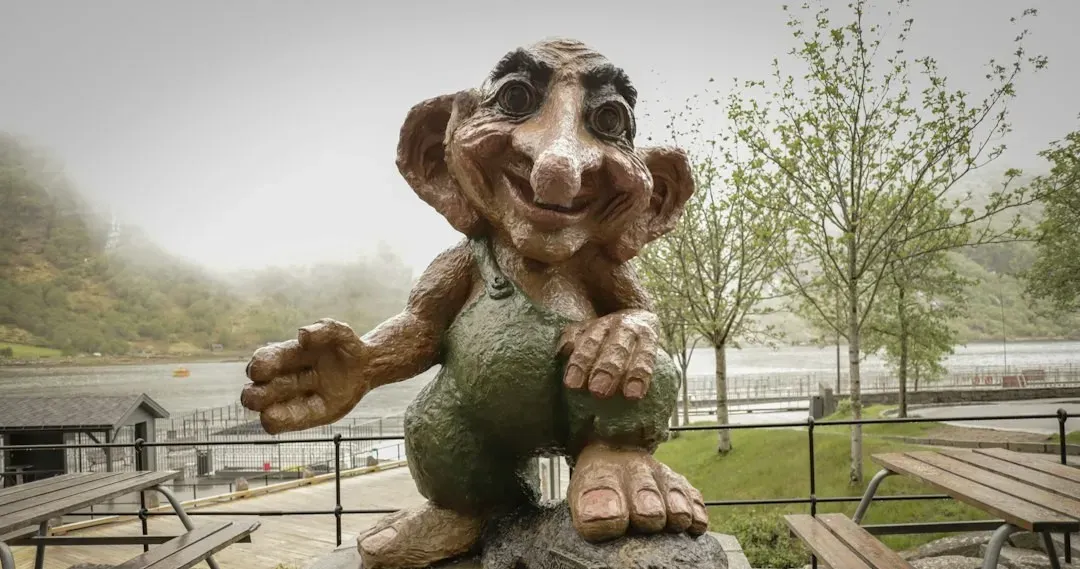
Despite the title, this film has essentially nothing to do with the original Troll, a disconnect that alone tells you something about how it came together. It has become one of the most celebrated “bad” films of the modern era, with midnight screenings and documentary attention that few B-movies ever receive. One actor who appeared in the film first saw The Room around 2009, right as Troll 2’s cult appeal was receiving global recognition, showing how the two films’ fanbases eventually overlapped. The story, involving vegetarian goblins who turn people into plants before eating them, is delivered with a sincerity that makes it almost impossible to predict where any scene is headed. Dialogue is often dubbed strangely, performances range wildly in tone, and the practical effects look homemade in the most literal sense. Its rise from obscurity to cult favorite has become something of a case study in how bad films find new life through communal viewing and word of mouth.
Freddy Got Fingered (2001)

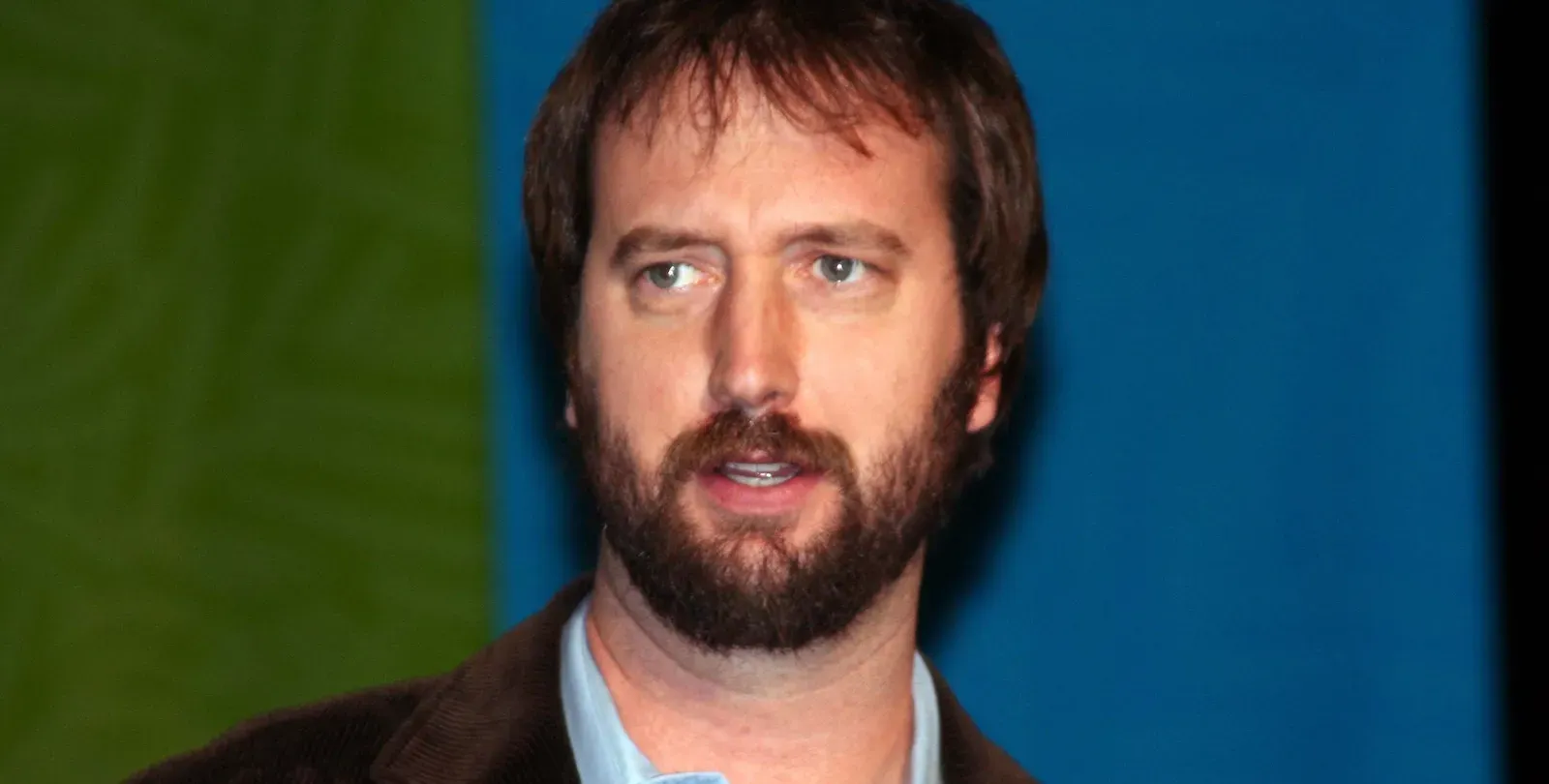
Unlike the other films on this list, this one arrived with studio backing and a recognizable star in Tom Green, which made its reception all the more brutal. It’s often grouped with the worst films of the early 2000s, a stretch of Hollywood output that critics still reference as unusually weak. Vying for low point alongside The Room during that period were Glitter, Swept Away, and Gigli, but Freddy Got Fingered is frequently singled out as the most aggressively unfunny of the bunch. The film’s humor leans on shock value rather than structure, and even fans of transgressive comedy have struggled to defend it as effective satire rather than simple crudeness. Some critics have since argued it was intentionally testing the boundaries of studio comedy, which complicates its legacy slightly. Still, at the time, it was widely treated as proof that a popular television personality doesn’t automatically translate into a workable feature film.
Final Thoughts